A mitochondrial protein called NDUFAF2 drives deadly aortic aneurysms — in mice
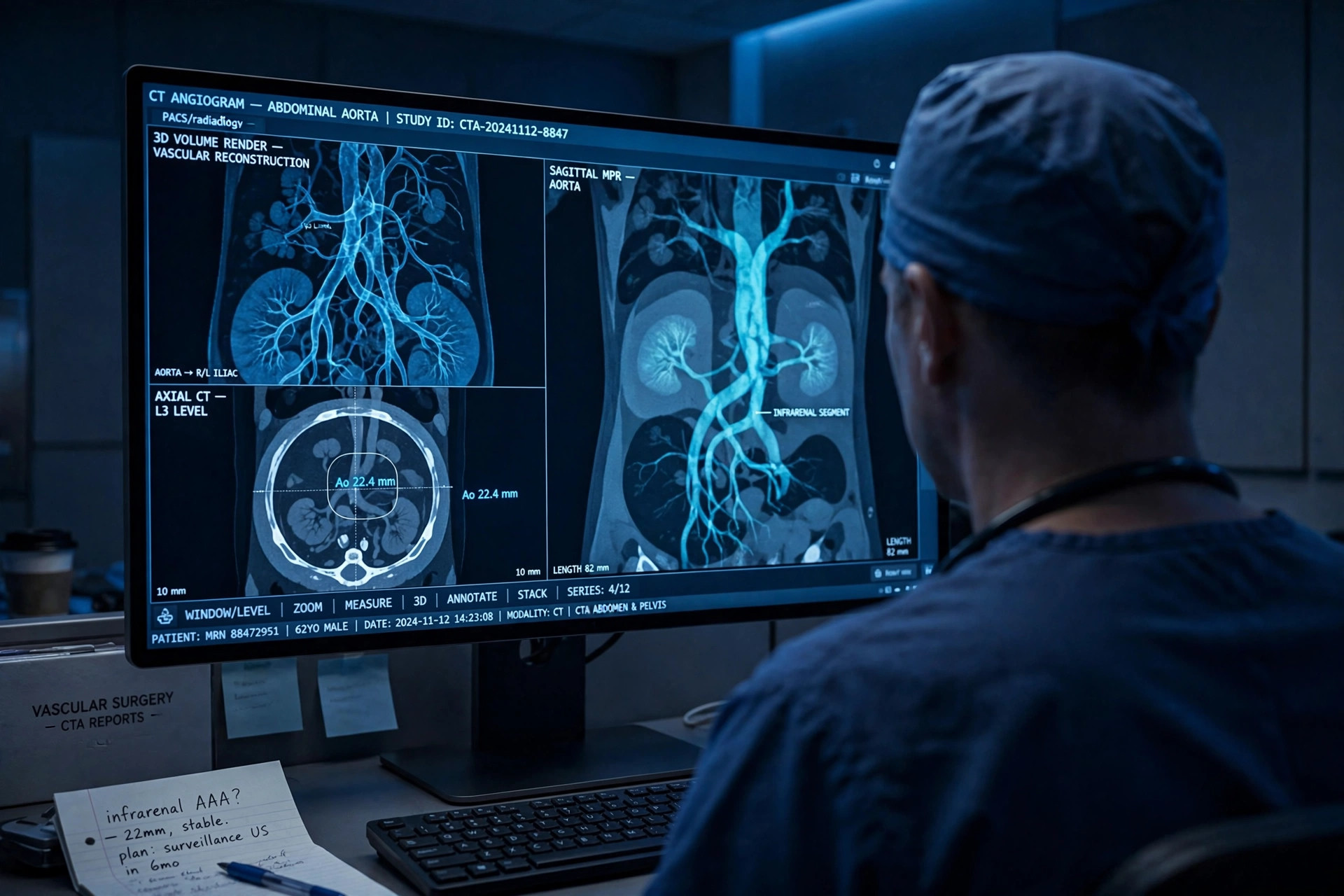
·An abdominal aortic aneurysm is a silent bulge in the body’s largest artery — often found by accident, fatal if it ruptures, and treatable today only by surgery once detected. There is no drug therapy. A new study in iScience identifies a first molecular target: NDUFAF2, a little-known mitochondrial protein that pushes artery walls toward rupture — at least in mice.
What did the researchers find?
He and colleagues report that NDUFAF2 — an assembly factor for mitochondrial complex I, previously studied mostly in neurodegeneration and cancer — is significantly upregulated in the abdominal aortic tissue of aneurysm-model mice.
In cultured vascular smooth muscle cells, knocking NDUFAF2 down reduced angiotensin II-induced mitochondrial fragmentation, ROS production, and cell death, while improving mitochondrial membrane potential and oxygen consumption. Mechanistically, the knockdown lowered the fission protein DRP1 and restored the fusion protein OPA1 — rebalancing the mitochondrial dynamics that keep vessel-wall cells alive. And in living mice, suppressing NDUFAF2 in a calcium-chloride-induced aneurysm model preserved aortic structure, reduced apoptosis, and restored the electron-transport subunits SDHA/SDHB and the contractile marker SM22α.
Why this target matters
Abdominal aortic aneurysm is a disease with no drug treatment — only watchful waiting, then surgical repair. A druggable molecular target tied directly to mitochondrial dysfunction is genuinely notable: it gives drug developers a defined entry point (rebalancing mitochondrial fission/fusion in vessel walls) rather than a vague “protect the aorta” wish.
The OPA1 angle is especially interesting: overexpressing OPA1 further boosted mitochondrial integrity in the cell experiments, suggesting the fusion side of the balance may be the therapeutic lever.
The honest caveats
The authors state their own limits: a single aneurysm model, male animals only, and a mechanism linking NDUFAF2 to mitochondrial function that still needs depth. There are no human data — this is a first target, not a first drug. Anyone connecting this study to a supplement or treatment today is jumping years ahead of the science.
Where the evidence stands
- Established: Abdominal aortic aneurysm has no drug therapy — only surgical repair once detected; mitochondrial dysfunction drives vascular smooth-muscle apoptosis.
- Preliminary: NDUFAF2 as an aneurysm driver — demonstrated in one mouse model plus cell experiments; knockdown preserved aortic structure and restored mitochondrial markers.
- Absent: Human data; whether NDUFAF2 is safely druggable in people.