
Guides
Guides are evidence-graded explainers that connect everyday exposures and practices to mitochondrial function — the way your cells' energy systems respond to food, supplements, light, movement, and environmental toxins. Each guide translates peer-reviewed research into practical context and labels the evidence as Established, Preliminary, Extrapolated, Contested, or Absent.


Synapsin Nasal Spray, Explained: Rg3, NAD+, and the Road From Nose to Brain
A compounded Rg3 + nicotinamide riboside nasal spray aimed at the brain: the delivery problem it solves is real and measured, the inventor claim is documented, and the human evidence for the spray itself does not exist yet. An evidence-graded deep dive.
Read article →
The 12 Hallmarks of Aging — and What Each One Does to Your Mitochondria
Twelve hallmarks drive aging — and every one of them reaches your mitochondria, mutating their DNA, silencing their genes, blocking their recycling, or flooding them with inflammatory signals. A hallmark-by-hallmark guide to the damage, and the evidence-graded moves that protect the power plants.
Read article →
Fasting and mitochondrial health: what the human evidence shows — and how long you really need to fast
Fasting flips a metabolic switch within about a day, but the famous mitochondrial cleanup claims come mostly from mice. What human trials show, hour by hour.
Read article →
Mitochondrial Function and Aging: What Changes Inside Your Cells
Mitochondrial function declines with age — lower energy output, more DNA damage, slower cleanup — and scientists count it among the hallmarks of aging. What is proven, what is debated, and what actually helps.
Read article →
CoQ10 and Mitochondria: Benefits, Dosage, and What Studies Show
CoQ10 ferries electrons inside mitochondria and guards their membranes. Trials typically use 100–300 mg a day, with real signals in heart failure and migraine — and hype well beyond that. Here is the graded evidence.
Read article →
NAD+ and Mitochondria: How the Coenzyme Powers Your Cells
NAD+ is the coenzyme mitochondria use to turn food into ATP. Levels fall with age, and precursors like NR and NMN raise them in trials — but outcome benefits remain unproven. Here is the graded evidence.
Read article →
Methylene Blue and Mitochondria: What the Evidence Actually Shows
Methylene blue can shuttle electrons through the mitochondrial respiratory chain in the lab, but human evidence is thin and the drug carries a boxed FDA warning. Here is the graded evidence and the safety rules.
Read article →
Deuterium and Your Mitochondria: What the Heavy Hydrogen Science Actually Shows
Deuterium, the heavy form of hydrogen, sits in your body water at about 150 parts per million. A 2007 theory says it could stutter the ATP synthase motor, and DDW sellers say draining it recharges your cells. The physics is real — the proof is not.
Read article →
Brown's Gas and Mitochondria: What the Evidence Actually Shows
Brown's gas machines are sold with a mitochondria pitch — more energy, better cellular function, improved ATP. We went looking for the study behind that claim. There isn't one: no published study of Brown's gas, in any species, has ever measured a mitochondrial endpoint. Here is what the evidence actually shows, and how the mixture compares with the molecular hydrogen research its marketing borrows.
Read article →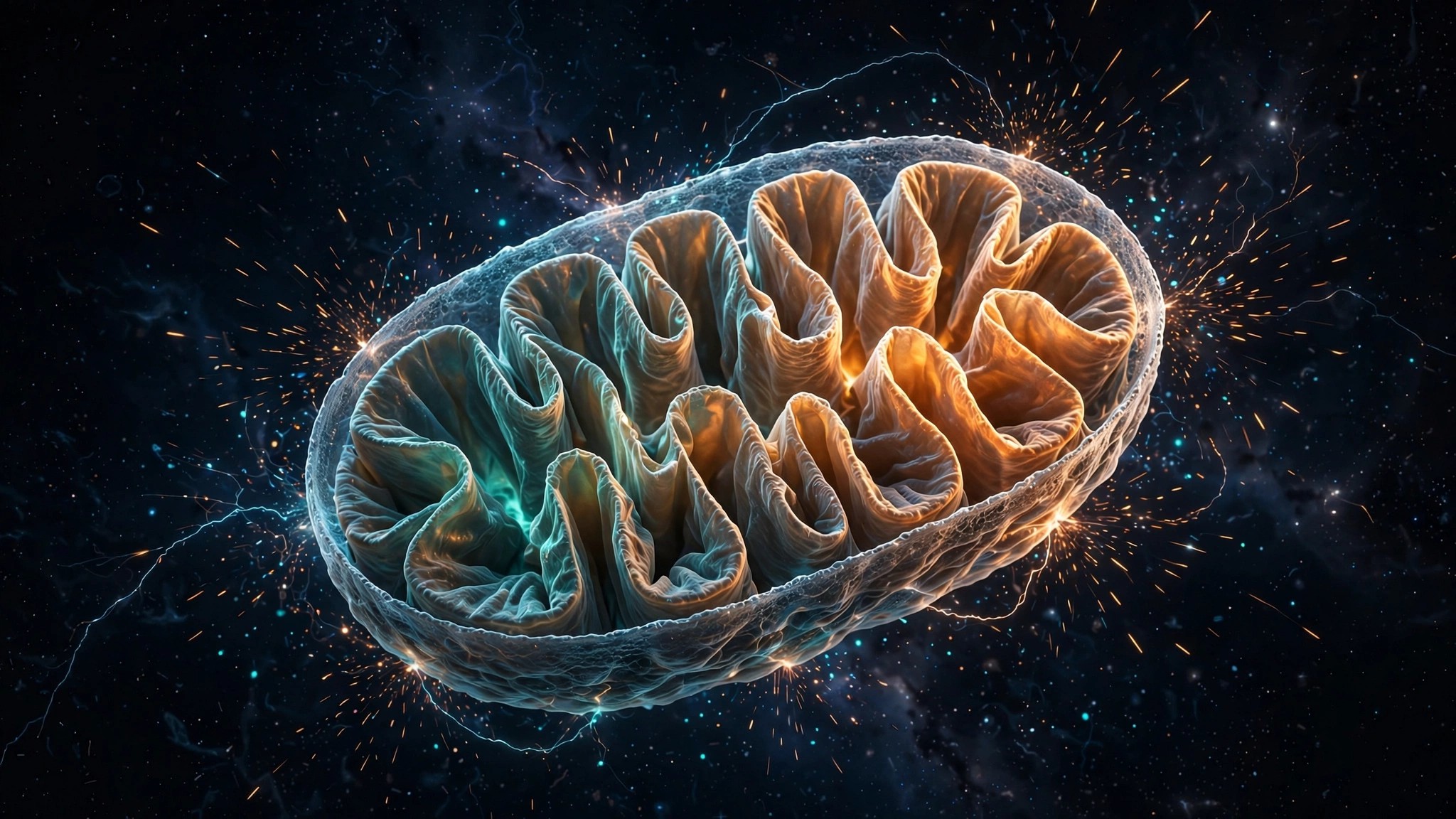
The Physics of Mitochondria: How 19 Branches of Physics Explain — and Can Improve — Your Cellular Powerhouses
Your mitochondria are a battery, a motor, a heat engine and a river system, built from iron forged in dying stars. We walked through every branch of physics — from Maxwell's equations to cosmology — and graded what each one really contributes to mitochondrial health, which tools you can use today, where combining them helps or harms, and what is still only theory.
Read article →
Sleep and circadian rhythm: how your mitochondria keep time — and how to protect both
Your mitochondria run on a 24-hour clock. Here is what human studies say about sleep regularity, morning light, and caffeine timing — and the nightly routine that protects your cells.
Read article →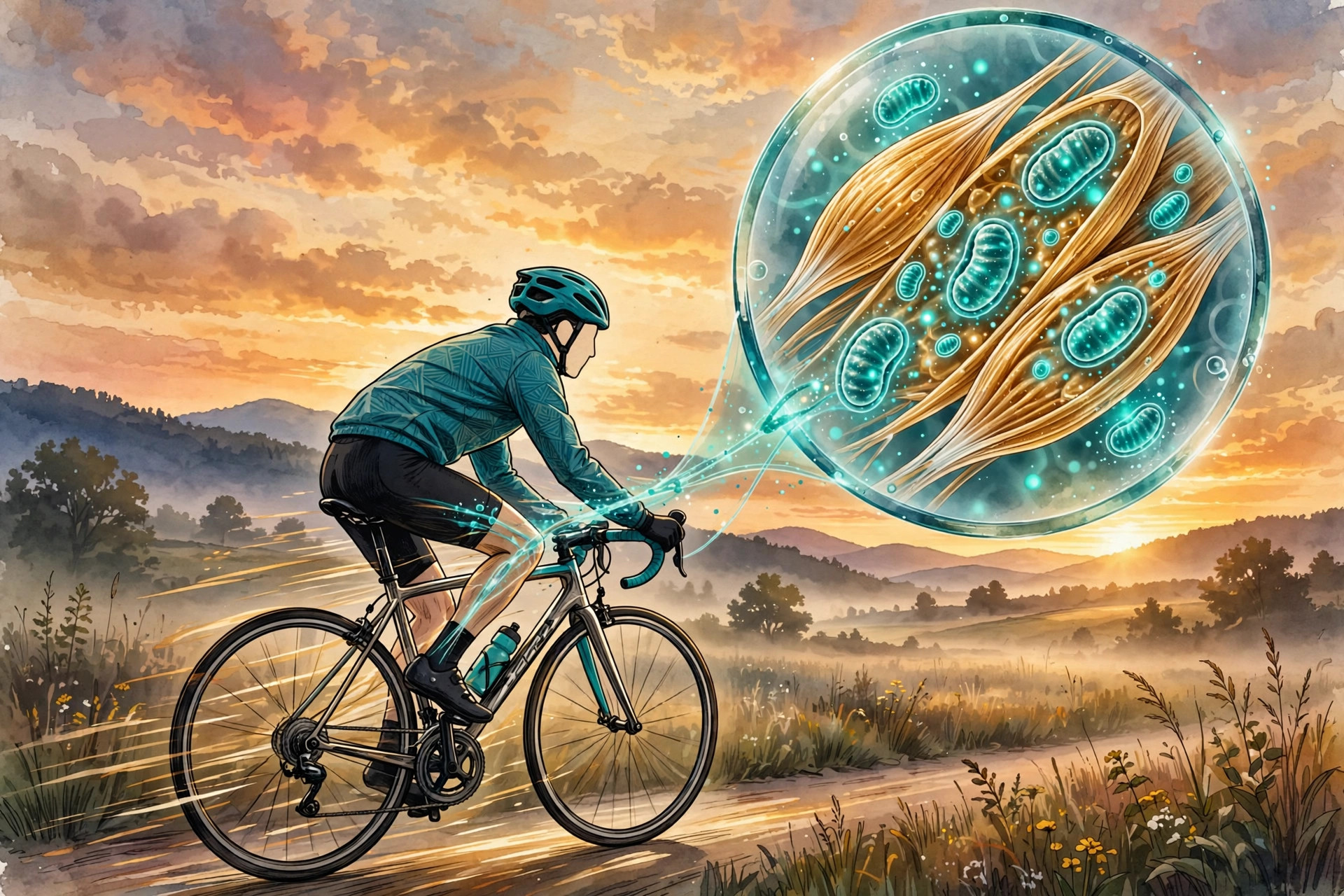
Top 5 things you can do to improve your mitochondrial health
Five evidence-graded actions: aerobic exercise, resistance training, consistent sleep, sauna heat, and avoiding smoking — what human studies actually show.
Read article →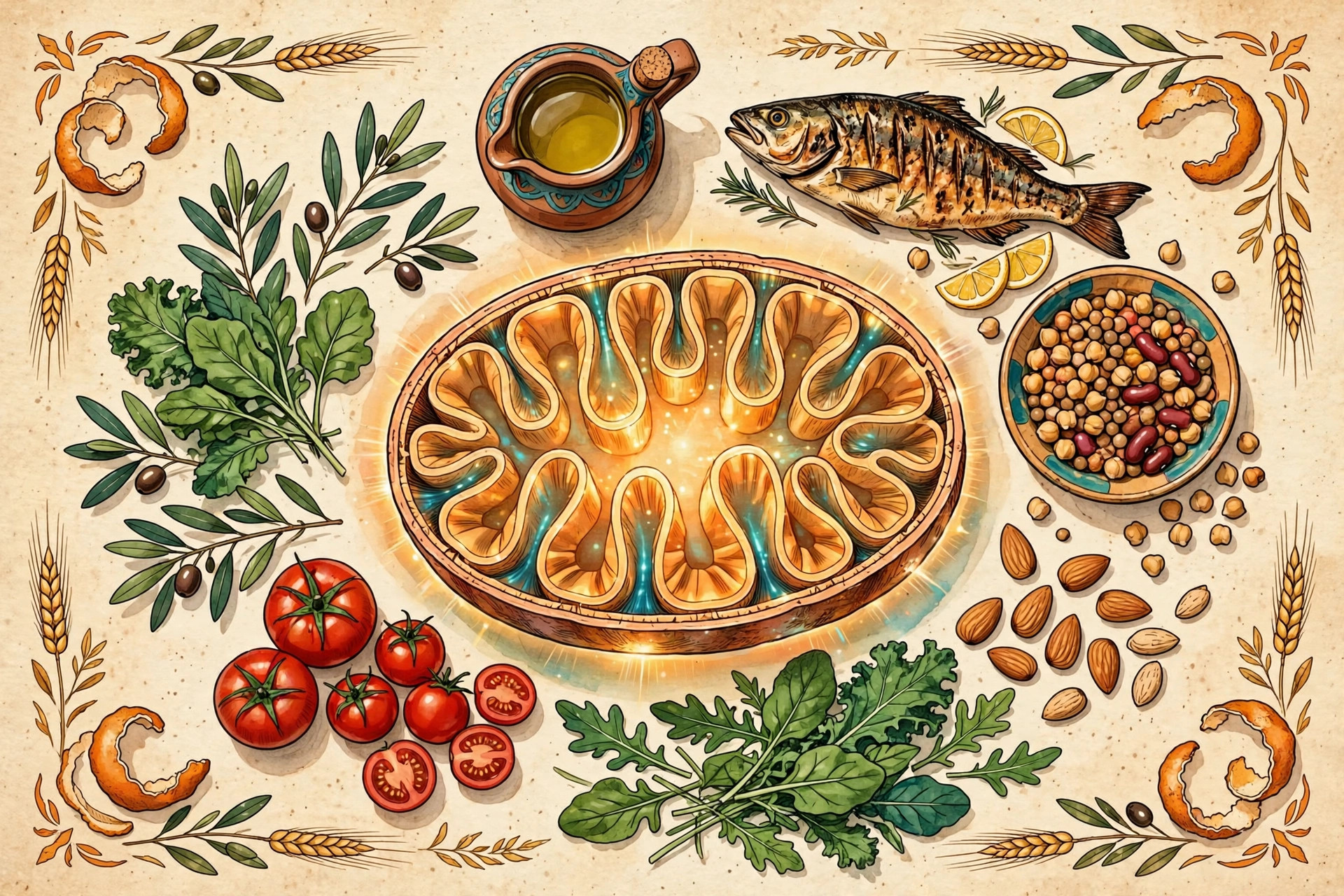
The best diet for mitochondrial health: what the evidence says
Mediterranean vs DASH vs plant-based vs keto — the dietary patterns graded on human mitochondrial evidence.
Read article →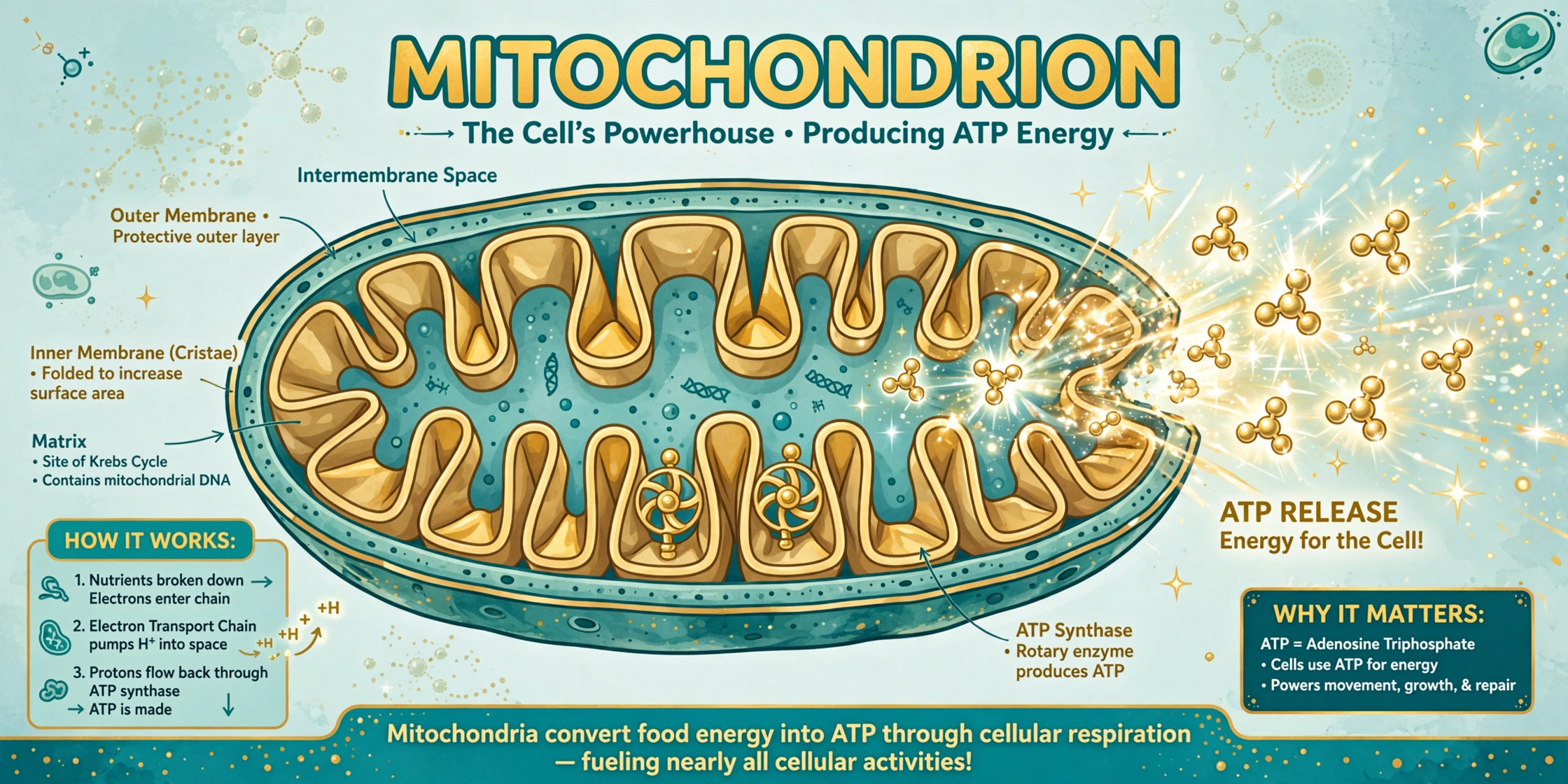
What mitochondria actually do: the cell’s powerhouses, explained
More than energy: ATP production, calcium signaling, apoptosis, immune defense and mitochondrial quality control.
Read article →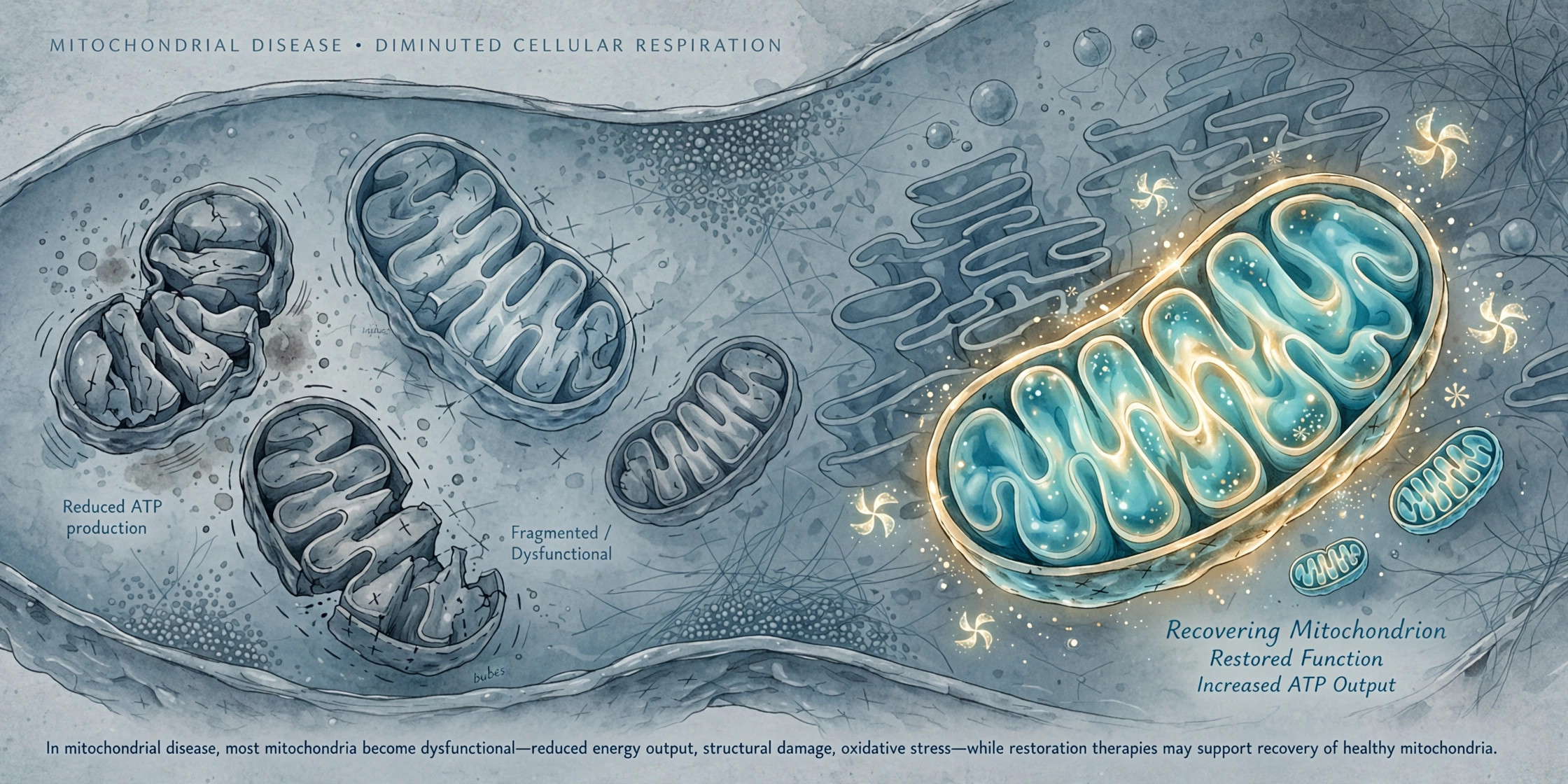
Mitochondrial disease: symptoms, diagnosis and treatment
A sourced guide to mitochondrial disease, named syndromes, diagnosis and the treatment landscape.
Read article →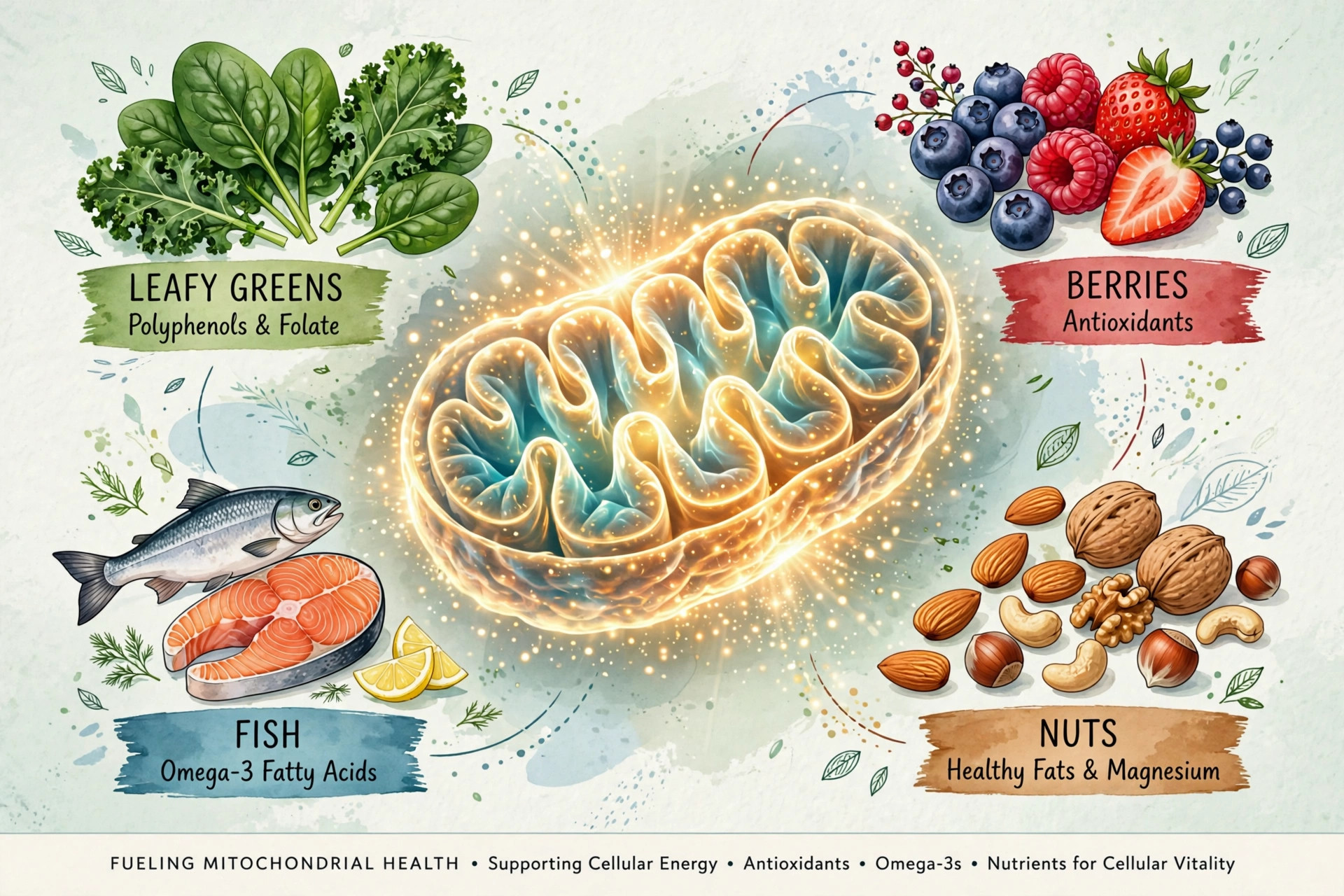
Foods and supplements for mitochondrial health
Mediterranean eating, urolithin A, CoQ10, creatine and more—graded against human evidence.
Read article →
How environmental toxins affect your mitochondria
An evidence-graded guide to how metals, pesticides, mold, air pollution and endocrine disruptors may affect mitochondrial function.
Read article →
Vagus nerve stimulation and mitochondrial health
What human, animal and device evidence really shows about vagus nerve stimulation, inflammation and mitochondrial function.
Read article →
Meditation and mitochondrial health
An evidence review of meditation, stress, inflammation, gene expression and the limits of direct mitochondrial claims.
Read article →