
Watchdog
Claims, loopholes and evidence gaps that deserve the same attention as breakthroughs.


A top-biotech honor is a headline, not a trial result
Immunis, a clinical-stage biotech developing multi-active secretome biologics for age-related decline, announced on November 10, 2026 (Business Wire) that it was named one of The Healthcare Technology Report's Top Biotech and Life Sciences Companies of 2026 — its second year on the list, following last month's National Academy of Medicine Healthy Longevity Global Competition Grand Prize. Its lead candidate, IMM01-STEM, is a first-in-class multi-active secretome therapy aimed at the biological pathways of age-related muscle and metabolic decline — pathways in which mitochondrial dysfunction in aging muscle is a central player. In a Phase 2 study in older adults with sarcopenic obesity, the company reports muscle preservation and improved gait speed; its chief science officer, Dr. Tom Lane, will present new preclinical data at Obesity Week in Washington, DC later this month, and the company plans two confirmatory Phase 2b trials. Awards and competition prizes are juried recognition. They are not peer review, not regulatory review, and not evidence — the Phase 2b trials are where the evidence will or will not come from.
Read article →
A $99-a-month longevity membership is selling coaching and labs — the mitochondria claims need a slower read
L-Nutra, the company behind the Prolon 5-Day Fasting Mimicking Diet (FMD), launched The Longevity Program on November 10, 2026 (PR Newswire): a membership pairing each member with a dedicated Longevity Dietitian, baseline and follow-up lab testing, an app, and a 12-month expert-led curriculum, at $99 per month plus a $99 sign-up fee, or $149 per month with Prolon 5-Day FMD kits shipped three times a year — available in 47 states and DC, with New York, New Jersey and Rhode Island waitlisted until early 2027. The launch leans on fasting biology that genuinely involves mitochondria — fasting and nutrient-sensing pathways drive autophagy and mitophagy, the quality-control systems that clear damaged mitochondria — and on company-cited claims that Prolon has been clinically shown to activate autophagy in humans and to reverse biological age by an average of 2.5 years after three consecutive cycles. It also leans on a launch survey the company itself commissioned (Fractl, 2,002 US adults): market research about what consumers say they want, which is not evidence about what the program does.
Read article →
A peptide longevity platform raised $6.5 million — financing is not clinical evidence
Vesalius Longevity Labs announced on November 9, 2026 that it has closed a non-brokered private placement of 6,190,475 units at US$1.05 per unit, for gross proceeds of US$6,499,998.75, led by an investor group organized by Harvey Spevak, Chairman of Equinox Group. The company describes itself as a prescriber-led 'B2Doctor2Consumer' platform connecting licensed providers with peptide therapeutics, biologics, preventative healthcare and performance optimization, and says the proceeds will expand its sales team and entry into new markets. The financing follows its reverse takeover of Sweet Earth Holdings, giving it a public vehicle expected to trade on the Canadian Securities Exchange as VLAB. None of that is a clinical result: the release announces capital and commercial plans, not trial data on any peptide, and the mitochondrial and longevity benefits such platforms market rest on the underlying peptides' evidence — which, for most, remains limited.
Read article →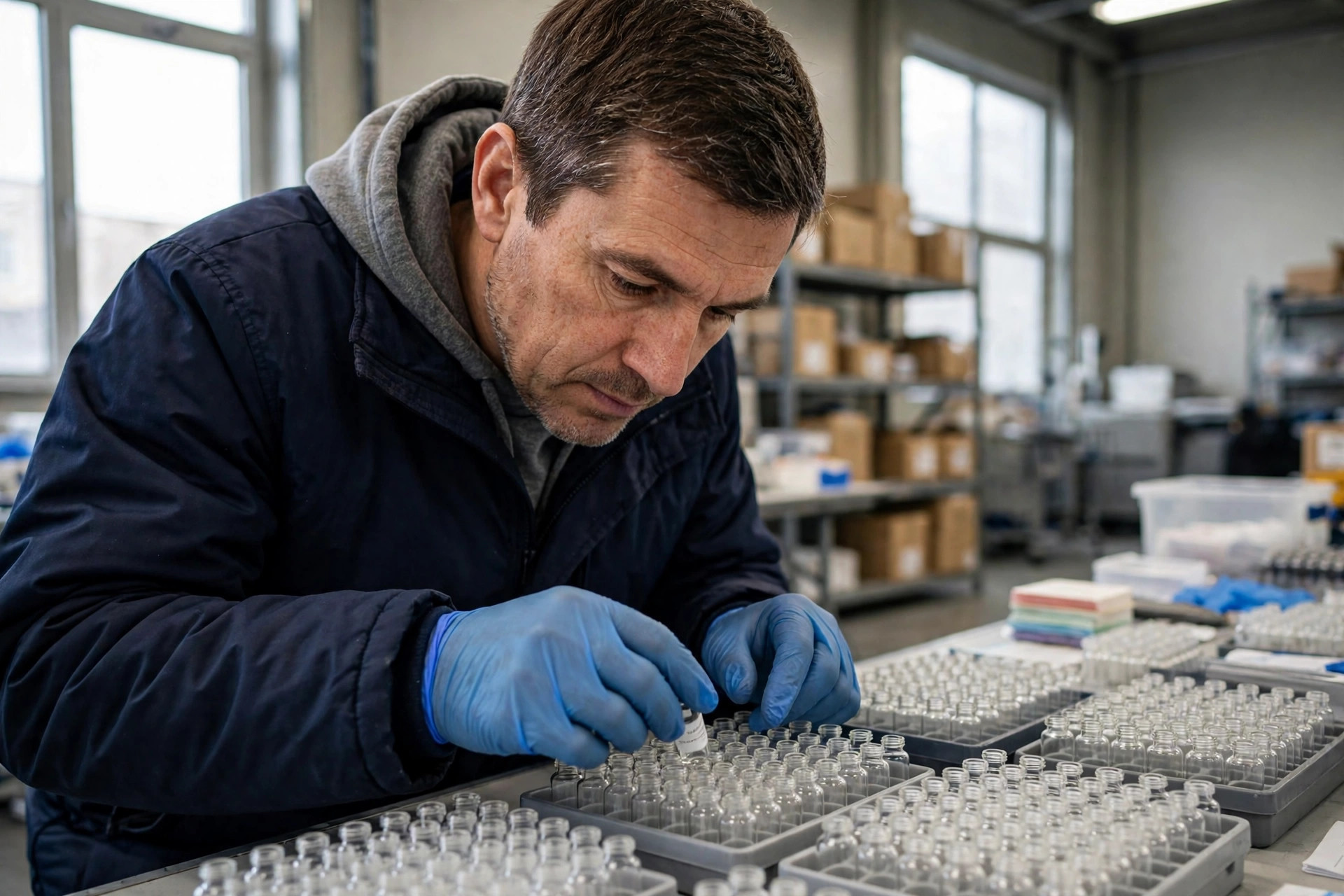
Health Canada seized 11,400 vials of unauthorized injectable peptides — bacteria found, including in NAD+ and MOTS-C products
Health Canada's public advisory of November 6, 2026 is the grey-market peptide economy described in one document. The regulator seized and tested unauthorized injectable products from Shanghai ERP Peptide Biotechnology Co., Ltd., sold through two Canadian retail sites, and laboratory testing found three bacterial species in the products: Acinetobacter seifertii, Acinetobacter nosocomialis and Propionibacterium (Cutibacterium) acnes. More than 11,400 vials were seized from the supplier and the two retailers — truenorthbiolabs.ca and bcaxiompeptide.com, both now inactive after court-issued entry warrants. The product list reads like a longevity clinic's menu: human chorionic gonadotropin (hCG), the mitochondrial-derived peptide MOTS-C, NAD+, retatrutide, tesamorelin and tirzepatide. Health Canada's warning is plain: injecting contaminated products can cause serious infections, hospitalization and life-threatening sepsis. The advisory reports no illness case count, and none is claimed here. For readers of this site the point is direct: two of the seized categories — NAD+ and MOTS-C — are sold precisely on mitochondrial promises, and an unsterile vial delivers bacteria, not bioenergetics.
Read article →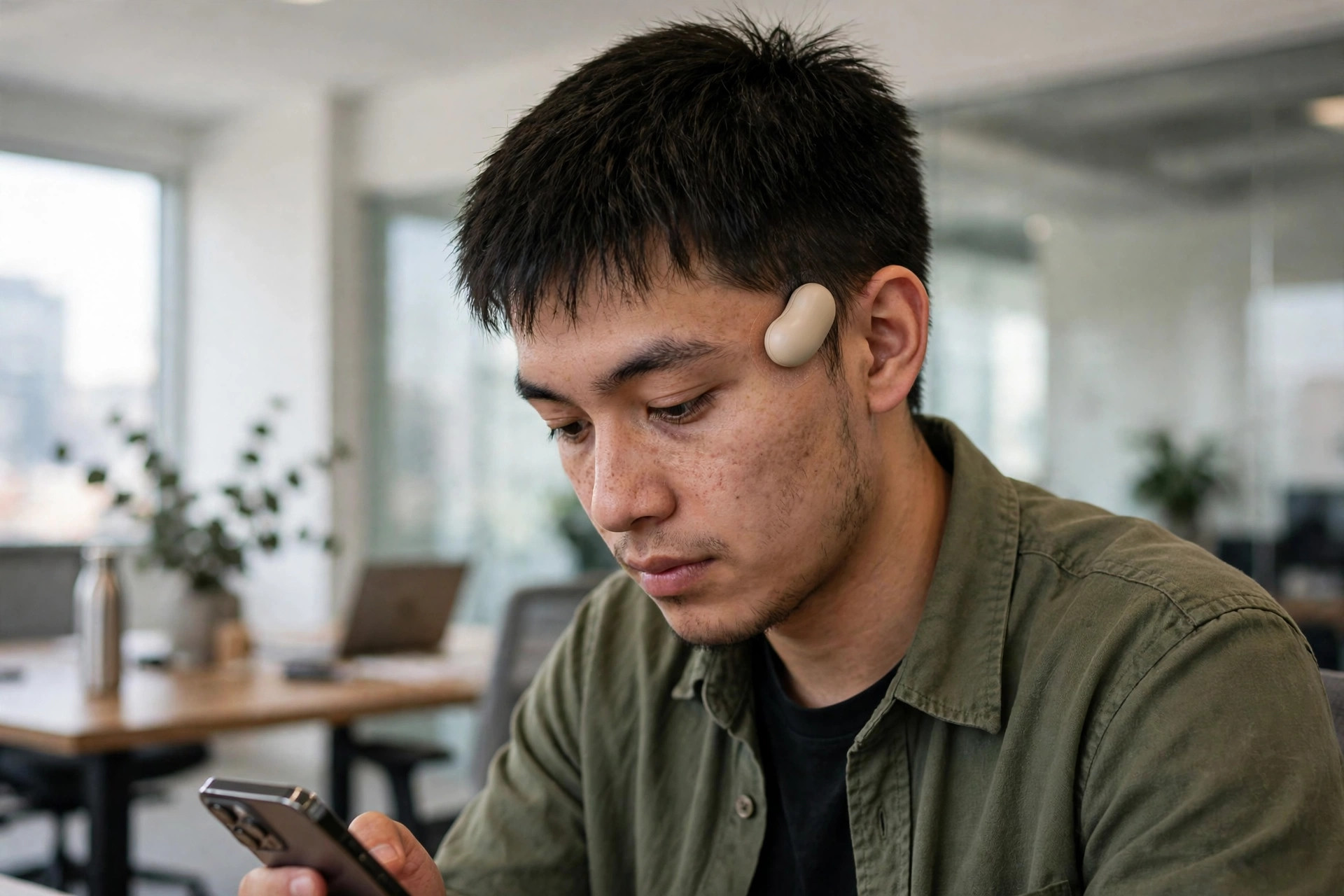
An 85,000-rupee forehead wearable promises a 'brain flow' score — doctors say the anatomy does not add up
Temple, the wearable venture from Zomato/Eternal founder Deepinder Goyal, opened pre-orders in India on November 1, 2026 at 85,000 rupees (about $960), with deliveries expected in roughly three months. The small bean-shaped device sticks to the temple with adhesive patches and reports two proprietary scores: BrainFlow, billed as insight into cerebral circulation measured optically over the superficial temporal artery, and Entropy, a 1-to-250 score for how hard the body is working to sustain itself. The venture is built on Goyal's Gravity Ageing Hypothesis — the idea that a lifetime upright lets gravity tax brain circulation and accelerate ageing, a framing he now calls a hypothesis, not a theory. Coverage on November 7-9, 2026 brought the scientific pushback into the open: hepatologist Dr. Cyriac Abby Philips called the brain-flow claim baseless; neurologist Dr. Sudhir Kumar said extraordinary claims require extraordinary evidence; and Apollo Hospitals radiology chief Dr. Navin Gnanasekaran made the anatomical point — the superficial temporal artery is a branch of the external carotid supplying scalp and face, while the brain is supplied mainly by the internal carotid and vertebral arteries. Goyal's own position, stated in his defence, is the fair summary: Temple is a fitness and wellness device, not a medical device, and it has not been clinically validated; the studies behind it so far are company-funded and not peer-reviewed.
Read article →
A beauty giant just built its skin platform on AMPK, mTOR and sirtuins — with a white paper, and no clinical results
The Estée Lauder Companies unveiled 'Mastering Skin Longevity' at the China International Import Expo (CIIE) in Shanghai (announced November 6, 2026, Business Wire): a scientific innovation platform that moves beyond individual hallmarks of aging to what the company calls the Master Regulators of skin longevity — interconnected pathways and proteins that influence multiple hallmarks at once. The three regulators named are the same ones mitochondrial and longevity research revolves around: sirtuins, which the company describes as regulating cellular repair, resilience and stress response; AMPK, the cellular energy sensor regulating energy and metabolic adaptation; and mTOR, regulating cellular renewal, regeneration and repair signalling. The launch package includes a 'Skin Longevity Clock' visual, a scientific white paper outlining the company's perspective, a Longevity Scientific Advisory Board spanning China, Singapore and the US, and Longevity Labs in Melville and Shanghai. The company grounds its authority claim in more than two decades of research including sirtuin biology and its Re-Nutriv SIRTIVITY-LP technology, and claims 20+ years of longevity research. What the announcement does not contain is any clinical result: no trial, no endpoint, no product efficacy data. It is a mainstreaming signal — mitochondrial-energy biology is now a beauty platform — reported here as exactly that, and nothing more.
Read article →
3,637 papers screened, 7 that qualified: mitochondria-targeted light therapy for triple-negative breast cancer is thinner than it looks
Triple-negative breast cancer (TNBC) is an aggressive subtype with few targeted options, and mitochondria are an attractive photodynamic therapy (PDT) target: the reactive oxygen species PDT generates live briefly and travel nanometres, so where they are made decides what they damage — and mitochondria are the cell's most consequential address. A critical review published November 7, 2026 (University of Rzeszów, International Journal of Molecular Sciences) searched PubMed, Scopus and Web of Science for nanoparticle-mediated classical PDT in TNBC with mitochondrial targeting, covering January 2025 to August 2026. Of 3,637 records identified, seven original studies ultimately fulfilled the predefined criteria. The platforms used photosensitisers with intrinsic mitochondrial affinity, mitochondriotropic ligands, or multistage delivery; amplification strategies included type I photochemistry, oxygen modulation, glutathione depletion, metabolic interference, plasmonic enhancement and combined PDT/photothermal therapy. Mitochondrial photodamage was associated with apoptosis, pyroptosis, immunogenic cell death and cGAS–STING immune signalling. The review's own verdict is the story: the evidence remains limited by the small number of studies, the dominance of a single mouse tumour model (4T1), variable strength of mitochondrial-targeting validation, and limited translational assessment. Encouraging preclinical results — and a very narrow base under them.
Read article →
An AI 'longevity superintelligence' is now open-source — it predicts biomarker changes, and none of it is clinically proven
Insilico Medicine, a clinical-stage generative-AI drug-discovery company, announced on November 6, 2026 (PR Newswire) the open-source release of Longevity Grok, the Personal Longevity Superintelligence (PLSI), built for the Grok Bot platform in collaboration with Harvard Medical School geroscience researcher David Sinclair, and launched the site longevitygrok.si. The system coordinates up to 30 specialized AI agents to unify fragmented personal health data — labs, continuous glucose monitors, wearables, epigenetic tests and medical records, standardized with clinical coding systems such as LOINC, RxNorm and UCUM — then proposes lifestyle interventions with auditable 'prediction cards' (target biomarker, confidence interval, time horizon, evidence grade) and scores follow-up results in a closed loop. Diagnosis and prescriptions are reserved to licensed physicians, and users may optionally contribute deidentified data to a 'Longevity Mothership' research pool; the code is on GitHub. Insilico's own collaborating voice supplied the necessary caution, aired in the announcement coverage: Alex Zhavoronkov's standing caveat that zero tools are clinically proven to add a year of life for already-healthy optimizers. No mitochondrial outcome is measured by the system, and no clinical validation of its predictions has been published.
Read article →
A longevity clinic chain is franchising stem-cell and IV therapy into six new markets — the evidence base is not expanding with it
Humanaut Health, a longevity and regenerative medicine company with clinics in Austin, Dallas and Palm Beach Gardens, announced on November 3, 2026 (GlobeNewswire) six new franchise and corporate locations across the United States and Mexico. Palm Desert, California, and Park City, Utah, are expected to open in November 2026; San Antonio follows in January 2027; construction begins in Houston and Kansas City in December 2026; and Mexico City — the brand's first international location — is expected in early 2027. Park City, built on the acquisition of Docere Clinics (founded by Humanaut co-founder Dr. Harry Adelson), becomes the company's first Stem Cell Center of Excellence, offering orthopedic and spine stem-cell procedures, stem-cell IV infusions, hyperbaric oxygen therapy and IV therapies. The announcement is a business milestone, not a scientific one: it contains no clinical results, and the regenerative services being franchised — stem-cell infusions in particular — rest on an evidence base that remains, at best, preliminary for a narrow set of uses and absent for most marketed ones. Cellular-energy and mitochondrial claims are a standard part of this market's language; no mitochondrial outcome is measured or cited in the announcement.
Read article →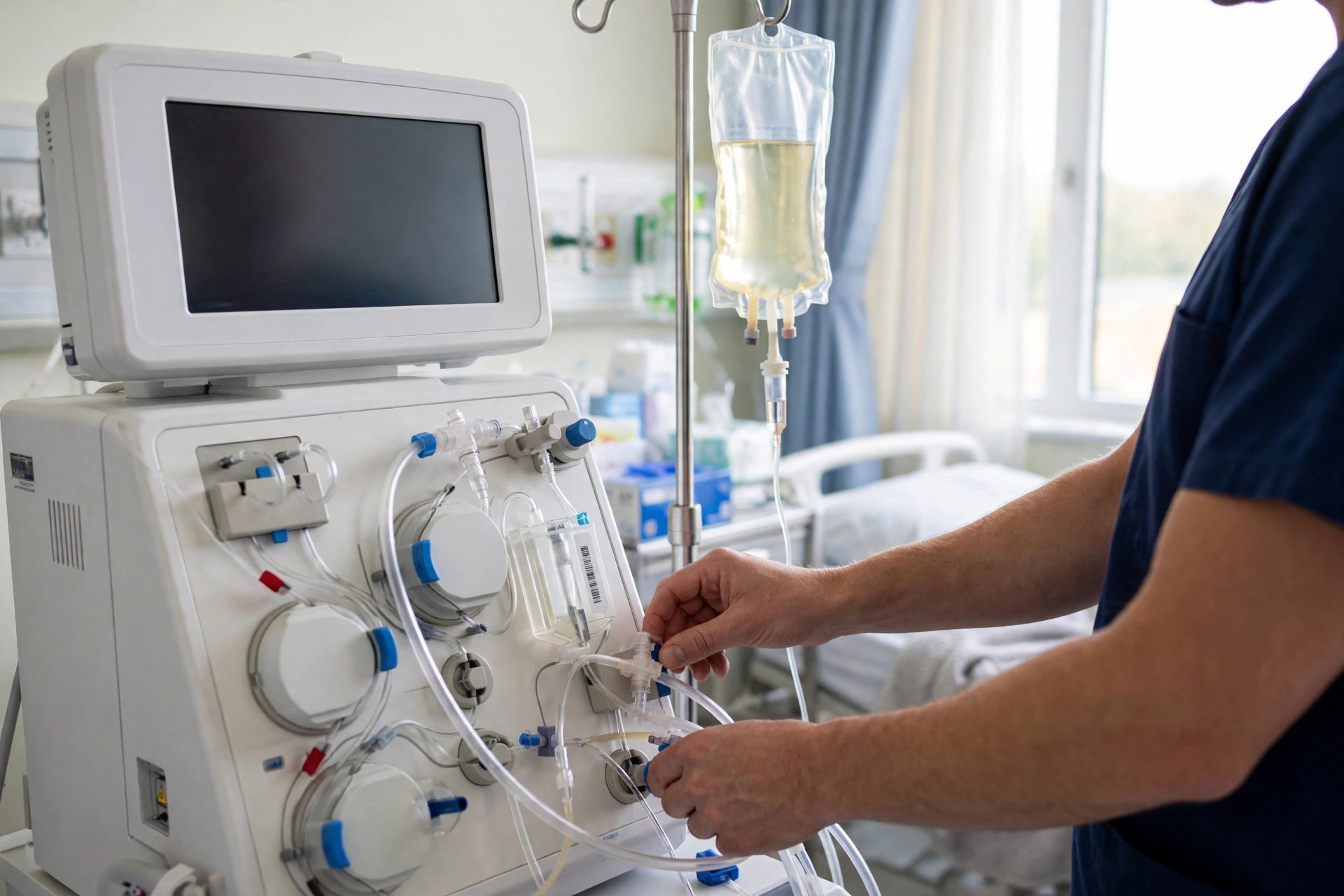
Plasma exchange's '2.6 years younger' headline was a gap against the placebo group — not a change in anyone's clock, a transfusion specialist warns
Therapeutic plasma exchange (TPE) — having your plasma filtered and replaced — is sold by longevity clinics as cellular rejuvenation, sometimes with a number attached: 2.61 years younger, from a randomized trial published in Aging Cell (Fuentealba and colleagues, Circulate Health and Buck Institute investigators; 2025). In a detailed critique published November 4, 2026, Dr. Caitlin Raymond — a transfusion-medicine physician at the University of Wisconsin–Madison who performs plasma exchange clinically — walks through what the number actually is. The trial enrolled 44 healthy adults over 50 (42 completed) in four arms of roughly 10 people each. No group's biological clock changed significantly from its own baseline at any follow-up. The 2.61 years is a mid-treatment difference between the biweekly-TPE-plus-IVIG arm and the sham arm — and by the final timepoint, after five sessions, no arm differed significantly from sham at all. 'Randomization' was based largely on entry date, baseline clocks already differed between groups, and no clinical outcome — function, cognition, symptoms — was measured. Notably, the trial also measured no mitochondrial outcome; 'mitochondrial dysfunction' appears only as a category label in its methods.
Read article →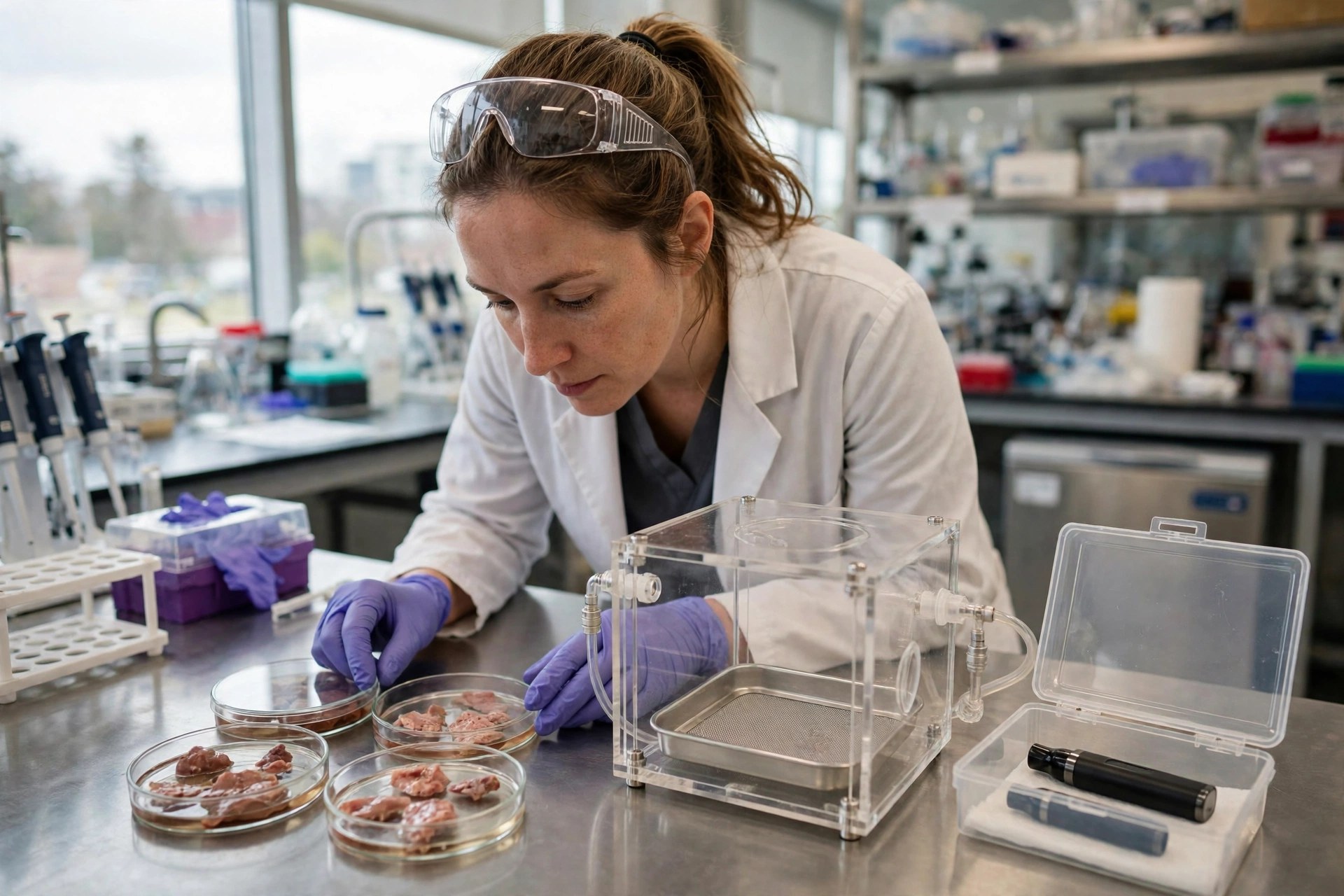
Flavored vaping aerosols impaired liver mitochondria only in pregnant mice — a watchdog signal, in mice
'Safer than smoking' is the pitch; pregnancy is where that pitch deserves the hardest look. A study published November 3, 2026 in the International Journal of Molecular Sciences (a Saint Louis University-led team with UCLA, University of Iowa collaborators) exposed female mice chronically — 13 weeks before mating and through gestation — to Virginia Tobacco (VT) or Menthol (MT) flavored JUUL aerosols versus sham, in pregnant and non-pregnant cohorts. The headline result is a pregnancy-specific vulnerability: vaping either flavor significantly reduced mitochondrial oxidative function in the livers of pregnant mice, but not in non-pregnant mice. The flavors diverged elsewhere: VT exposure drove pulmonary inflammation in the pregnant cohort (higher lavage cell counts and protein) and disrupted maternal liver lipid balance, upregulating lipogenic genes Scd1, Fasn and Srebp1c and estrogen receptor expression; MT exposure was associated with liver structural changes and fibrosis-related outcomes, and produced the highest liver triglyceride fold-change in pregnant animals. These are mice, exposed nose-only on a fixed puff topography, and no human pregnancy outcome was measured — but the study directly contradicts the assumption that flavor is cosmetic and that pregnancy changes nothing about aerosol toxicity.
Read article →
Four phrases that sell peptides, fact-checked — as Congress weighs promoting them for troops and veterans
The peptide policy wave met its fact-checkers this week. A KFF Health News analysis (reported November 2, 2026) picks apart four phrases commonly used to sell experimental peptides — that they are 'not drugs,' that they are 'safe because they are natural,' that they treat specific conditions, and that drug companies ignore them because they cannot be patented — and finds each misleading: hundreds of peptide patents sit in the USPTO database (an early BPC-157 formulation patent is literally for sale), the BPC-157 human record includes a small inflammatory-bowel-disease trial summary FDA reviewers called 'inadequate' and an uncontrolled knee-pain report (14 of 16 improved, no control group), and none of the six peptides in the current federal compounding debate is FDA-approved for safety or effectiveness. The same day, WHRO reported (November 2, 2026) that Rep. Nancy Mace has filed legislation promoting peptide use among troops and veterans — language in the House defense bill barring the Defense Department from banning legally available peptides, plus a bill ordering the VA to study peptide therapies — while the American Medical Association remains leery and FDA scientists had advised against expanding availability of the untested compounds, advice an FDA advisory committee voted the other way on in July. For this site's readers, one of the six contested peptides is MOTS-c — encoded in the mitochondrial genome — which makes the gap between marketing language and trial evidence here a mitochondria story, not just a policy one.
Read article →
Check the lot number: a Whole Foods-brand ashwagandha was recalled nationwide over possible Salmonella contamination
On October 30, 2026, the FDA posted a company announcement from Vitality Works Inc. recalling one lot of 365 Whole Foods Market Standardized + Full Spectrum Blend Ashwagandha Capsules — 120-count bottles, lot 2025-26227, expiration 10/13/2028, UPC 9948252099 — because the product may be contaminated with Salmonella. The capsules were sold nationwide at Whole Foods Market stores and through Amazon from November 24, 2025 through October 20, 2026; the potential contamination was found by routine sampling of a single retail unit, and no illnesses had been reported when the notice was issued. The lot and expiration are stamped on the bottom of the bottle. Why this page covers it: ashwagandha is a staple of the energy-and-longevity supplement stacks this site tracks, frequently marketed with mitochondrial-energy language — and this recall is a clean illustration of the gap in the supplement system. It is about contamination control, not about whether ashwagandha works: a product can carry a possible pathogen for eleven months of sales before routine sampling catches one unit, precisely because supplements reach shelves without the pre-market approval drugs require. No illnesses reported is good news; it is not the same as a clean bill for the lot.
Read article →
The FDA removed more menopause hormone warnings — here is what changed, what did not, and why the process itself is being questioned
On October 30, 2026, HHS announced that the FDA had approved updated labeling for three additional menopausal hormone therapy products from two applicants — all estradiol transdermal patches — removing outdated boxed-warning statements about cardiovascular disease, breast cancer and probable dementia. The action extends February 2026 labeling changes for six MHT products, and the agency says 29 drug companies have now submitted proposed labeling revisions, while it works to expedite manufacturing changes to increase patch supply and explores possible over-the-counter availability of some vaginal estrogen, which USA Today reports could come as soon as mid-2027 if the evidence supports it. The mitochondrial thread is real but must be stated precisely: estrogen signaling is established to influence mitochondrial function — estrogen receptors are present in mitochondria and estrogen supports respiratory-chain activity and antioxidant defenses, one reason menopause is a period of metabolic change — but nothing in this labeling action studied mitochondria, and no hormone therapy is approved to improve mitochondrial function. Critics quoted in coverage of the decision raised a process concern this page takes seriously: the changes proceeded without a formal advisory committee meeting and, they argue, without a detailed public presentation of the underlying evidence. A label is a regulatory judgment about benefit and risk for defined uses — not a verdict that a therapy is risk-free, and not evidence for uses beyond the label.
Read article →
The IV NAD+ evidence, reviewed in full: sparse, small and uncontrolled — a new review grades the drip honestly
Intravenous NAD+ is one of the wellness industry's flagship infusions, sold on a true premise — NAD+ is a coenzyme essential to mitochondrial function, DNA repair and stress signaling — and an expensive inference: that dripping it into a vein restores youth. A narrative review published in Frontiers in Aging, surveying the human literature from January 2018 to March 2026, grades what clinics actually stand on. The available human evidence is sparse: small uncontrolled studies, observational reports and isolated case reports. Short-term IV NAD+ or NMN has been associated with transient rises in circulating NAD+ and changes in selected oxidative-stress and inflammation biomarkers, plus self-reported sleep and neurologic improvements in exploratory reports — with clinical significance uncertain, no placebo controls, short follow-up, and reported side effects including nausea, cramping, flushing and chest discomfort. Long-term safety data are lacking. The review also notes recent large-scale human data finding that whole-blood NAD+ does not decline with healthy aging itself once disease burden is accounted for. Its conclusion is plain: evidence is preliminary and insufficient to support routine clinical or wellness use, and larger randomized trials must come first.
Read article →
Klotho skincare's numbers are company-run and small: what the 'anti-aging protein' cream claims rest on
Klotho is a real and fascinating aging protein — it declines with age, and animals engineered to overproduce it live longer. Turning that biology into a face cream is a much larger leap, and this week Klotho Skin's Dr. Gail Humble presented the company's evidence in a Longevity Academy feature (October 27, 2026): laboratory work in which treated cells showed 40 percent less DNA strand damage after ultraviolet exposure than controls, and three company human studies of formulations containing Klotho protein and growth factors from conditioned stem-cell media — including a 16-patient, four-month layered-regimen study reporting a 47.5 percent reduction in photodamage and a 61 percent reduction in dryness. None of it, as presented, is a peer-reviewed, placebo-controlled trial; the studies are small, company-run, and described by the company. The watchdog question is not whether Klotho biology is interesting — it is — but whether a protein applied to skin in these formulations reaches living skin cells in active form, and that is precisely what the presented numbers do not establish.
Read article →
Whose Mitochondria Are Being Measured? MeScreen, Nanolive, and the Strongest Case for Blood-Based Testing
The short answer: The three approaches in this comparison sit at very different distances from your actual mitochondria. Blood-cell respirometry measures your own cells directly and has genuine — if preliminary — science behind it. MeScreen, a $699 at-home test, does not measure your mitochondria at all: it measures what your blood serum does to a proprietary laboratory cell line's mitochondria. And Nanolive's Smart Mitochondrial Assay is not a patient test in any sense — it is research-microscope software that films mitochondrial shape and mass in cultured cells, and it is included here because it shows what it looks like when a product's claims are exactly as large as its published evidence.
Read article →
Hydrogen Water: The Dose Is the Story
If hydrogen water does anything, the research points to one ingredient — dissolved hydrogen — and one number that decides it: the dose in milligrams per liter. The numbers on the sales page, pH and ORP, cannot measure it.
Read article →
The new federal Alzheimer's plan bets on prevention — here is what the mitochondrial evidence supports
On October 22, 2026, at Broward Health Medical Center in Fort Lauderdale, HHS Secretary Robert F. Kennedy Jr. announced the 2026 Update to the National Plan to Address Alzheimer's Disease and Related Dementias: the six historical goals replaced by four led by reducing dementia risk across the lifespan, an FDA Alzheimer's Prevention Accelerator, and ARPA-H investment of up to $48.8 million new (up to $155.3 million total) for earlier detection and intervention, plus a lifestyle-intervention test for beneficiaries with mild cognitive impairment. The plan's own stated risk factors — high blood pressure, diabetes, obesity and physical inactivity — are each conditions in which mitochondrial dysfunction is a documented contributor, which is the honest mitochondrial angle: prevention targets the metabolic ground in which brain mitochondria fail.
Read article →
Too many electrons, too little resistance: the energy theory of aging, checked against its own evidence
A Scientific American feature reported October 22-24, 2026 lays out Columbia biologist Martin Picard's 'energy resistance principle' (codified with Nirosha Murugan in Cell Metabolism, November 2025): when food-derived electrons pour into mitochondria faster than the electron transport chain can slow and use them, they leak, form reactive oxygen species, and progressively damage the system — a shared energetic root proposed for diabetes, epilepsy, depression, Alzheimer's and heart disease alike. The same feature carries its own brakes: experts agree mitochondrial dysfunction is a hallmark of aging, push back on explaining everything, and note that supplement 'mito-boosting' hacks have so far disappointed — with sleep, exercise and diet still the interventions with evidence, and creatine the one supplement a leading researcher calls convincing.
Read article →
At-home NR injections are here — the evidence behind them is two open-label pilot studies
Niagen Bioscience launched a ready-to-inject liquid Niagen (nicotinamide riboside, NR) at-home kit through its telehealth platform on October 22, 2026: a prescription-only 500 mg multi-dose vial, dispensed by 503A pharmacies after an online intake. The clinical backing is real but narrow — two open-label, non-placebo-controlled pilot studies in 39 generally healthy adults with elevated fatigue, posted on medRxiv, in which three supervised days plus 90 days of self-injection were well tolerated, blood NAD+ stayed stable, and self-reported fatigue, sleep and skin measures improved alongside exploratory mitochondrial bioenergetics and oxidative-stress markers. The company itself says the findings require confirmation in larger, placebo-controlled studies.
Read article →
Hydrogen water hype: experts say there is no credible evidence for the longevity claims
Hydrogen water is being sold in Australian wellness centres as an antioxidant, anti-aging elixir — about $30 for packs of pre-bottled water, $150 for electrolysis bottles, tablets from $17 — alongside hydrogen inhalation and chamber sessions claiming better energy, clearer thinking and less oxidative stress. Reporting published October 19, 2026 asked independent experts what the evidence supports. RMIT analytical chemist Professor Oliver Jones: “I've seen no compelling studies… You may as well just drink normal water.” Dietitian Danielle Shine: the research is insufficient, and well-designed human studies are what is needed.
Read article →
"95% reported smoother skin": what an NAD+ body cream's perception study can — and cannot — tell you
Renue By Science announced on October 20, 2026 a white paper on its Renue Blue body cream — a liposomal blend of NAD+, NMN, NR and methylene blue aimed at skin mitochondria and aging body skin. The headline numbers are striking: 95% of participants reported smoother skin at week 4 and 95% were satisfied. The study behind them, run with Citruslabs, was a four-week, virtual, single-arm consumer perception study: 40 women enrolled, 38 completed, everyone used the cream, there was no placebo or comparison group, and every outcome was self-reported perception. That design can tell you users liked the cream. It cannot tell you the cream changed their skin, their NAD+ levels, or their mitochondria.
Read article →
A desert tree for macular degeneration? A critical review finds cell data only — no animal or human proof
Dry age-related macular degeneration involves oxidative stress and mitochondrial dysfunction in the retinal pigment epithelium, which makes botanical antioxidants a tempting pitch. A critical review published October 19, 2026 in the International Journal of Molecular Sciences appraised one candidate — Terminalia buceras, a Sonoran Desert tree — and reached an unusually blunt conclusion: the species-specific retinal evidence is a single in-vitro cell observation, there are no epidemiological studies, no validated animal studies and no clinical studies, and the review does not propose the plant as a preventive or therapeutic intervention. If you see it sold for eye health, that gap is the story.
Read article →
Sterility failures hit compounded GLP-1s, NAD+ and sermorelin: a check-your-vial update
A cluster of Class II recalls for compounded injections — semaglutide, tirzepatide, NAD+, sermorelin and erectile-dysfunction mixes — for lack of sterility assurance has been working through FDA Enforcement Reports, and was rounded up for consumers on October 18, 2026. The recalls were initiated in September after FDA inspections found inadequate sterilization and endotoxin testing. NAD+ matters here because it is the central mitochondrial coenzyme marketed in IV drips and injections; a compounded vial that cannot assure sterility is a risk no wellness claim can offset.
Read article →
Watchdog: '$99 gummies can change how cells age' — read the claim against the trial record
A shopping story published October 16, 2026 promotes NAD+ gummies with the line that a study shows they 'can change how cells age' and skin that 'looks at least ten years younger.' Raising blood NAD+ is real and measurable. What the human trial record does not show is rejuvenated skin or slowed aging — and the largest NAD-precursor trial of the year, in Parkinson's, found no benefit at all.
Read article →
Shielding fruit flies from Earth's magnetic field extended mutant flies' lives by about a fifth — and weakened them
A study reported October 16 found that removing Earth's magnetic field lengthened the lives of Pink1-mutant fruit flies — a model of mitochondrial failure — by around 20%, while their physical performance declined. Healthy flies responded differently again. It is a fascinating mitochondrial-environment result in insects, and exactly the kind of finding that gets inflated into human longevity claims it cannot support.
Read article →
Patients say experimental peptides hurt them — and their stories are being lost in the push to loosen the rules
A KFF Health News investigation published this week gathers accounts from people who say unapproved peptides such as BPC-157 left them with months of fatigue, migraines, and other symptoms — even as federal policy moves toward making many of these compounds easier to sell. None of the popular peptides at issue has passed a clinical trial.
Read article →
'Research use only' didn't protect five peptide sellers - and patients paying up to $1,500 a month face the fallout
FDA warning letters dated Aug. 24 named the mitochondria-targeting peptide SS-31 (elamipretide) alongside GLP-1 copies being sold as unapproved drugs - and a fresh deep-dive tallies what clinic patients paying up to $1,500 a month stand to lose if the crackdown spreads.
Read article →
The mitochondria-delivery molecule behind MitoQ slowed heart fat-burning — in lab models
TPP compounds — the delivery vehicle used by mitochondria-targeted antioxidants — preferentially inhibited long-chain fatty-acid oxidation in isolated mouse heart mitochondria and human heart cells.
Read article →
FDA scientists push back on interim green light for unapproved peptides
Federal officials are weighing interim enforcement discretion that would let compounding pharmacies dispense certain restricted peptides before formal rules are written; FDA career staff say they cannot recommend it without safety and efficacy evidence.
Read article →
Another injectable glutathione recall: elevated endotoxin, two ER visits — the fourth Texas compounder this summer
Greenwich Rx Compounding Pharmacy of Tomball, Texas voluntarily recalled 10 lots of injectable glutathione on October 1 over potential elevated endotoxin, after two people needed emergency care. It is the fourth Texas compounding pharmacy to pull glutathione products since July.
Read article →
The peptide hype problem: 209 studies, zero human trials — what BPC-157’s record actually shows
An October 2026 evidence review counts 209 BPC-157 publications but only two registered clinical trials and zero human randomized trials. The July FDA advisory vote was not an approval, the peptide stays banned in sport — and gray-market vials often don’t match their labels.
Read article →
A yearlong trial just poured cold water on an NAD+ booster for Parkinson's
The 410-person NOPARK Phase 3 trial found nicotinamide riboside did not slow early Parkinson's disease — outcomes averaged slightly worse than placebo, though the difference fell below clinical importance.
Read article →
Could hydrogen gas help early Alzheimer's smell loss? The scientists behind the idea say: not proven — yet
A new Frontiers in Aging Neuroscience perspective proposes testing whether molecular hydrogen can modify the smell-loss pathways of early Alzheimer's — and states plainly that direct evidence doesn't exist yet. That's the honest version of a story the wellness world often tells without the caveat.
Read article →
Exosomes are skincare’s hottest trend — the FDA says none are approved, and it just warned clinics selling them
In August, the FDA sent warning letters to clinics — including R3 Medical Companies — over unapproved exosome products and false claims. No exosome product is FDA-approved; the agency first issued a safety notification about them back in 2019.
Read article →
Mitochondria in a capsule: the real delivery breakthrough — and the clinics selling it ahead of the evidence
A Chinese team engineered mitochondrial delivery systems reaching ~80% cellular uptake in a dish — real science, but strictly preclinical. Meanwhile, analysts warn that clinics already selling “mitochondrial infusions” for anti-aging are operating ahead of any approved product, and damaged mitochondria can provoke inflammation.
Read article →
IV vitamin C for sepsis: why the dose decides whether it protects mitochondria — or stresses them
A new meta-analysis of 14 randomized trials finds IV vitamin C may lower sepsis mortality at moderate doses — but high doses show no benefit and, the authors warn, could flip ascorbate into a pro-oxidant that worsens mitochondrial damage.
Read article →
High-protein diets may speed aging through one amino acid — in fruit flies
Pushing protein past moderate levels shortened fruit-fly lifespan by activating the gene CG6415 — the fly version of the human AMT gene — which suppressed mitochondrial energy production. Isoleucine emerged as the key dietary trigger, with human cells confirming the mechanism.
Read article →
NAD IV drips promise more energy. The human evidence is still missing
Celebrities made NAD infusions a status symbol. A USA Today report walks through the gap between the marketing and the science: mouse studies on NAD precursors, a 14-person 2026 study that looked only at short-term safety, and no human data on lifespan or aging.
Read article →
We graded 12 mitochondrial-supplement claims — here’s what holds up
MyMitochondria graded a dozen of the most repeated supplement claims in mitochondrial health with one rule: mechanism isn’t evidence, animal results aren’t human results, and a blood marker isn’t mitochondrial function. Most claims failed the test.
Read article →
After the summit: the AI-second-opinion promise and what to make of it
Vance and Kennedy closed the MAHA Summit promising every American's health records on their phone with AI second opinions. AI can organize records — but a thousand-page chart is not a mitochondrial workup.
Read article →
The wellness world's favorite drip, under the microscope: a new review says the evidence isn't there yet
A Frontiers in Aging narrative review finds only small, uncontrolled human studies behind IV NAD+ — and cites new data suggesting blood NAD+ doesn't decline with healthy aging itself.
Read article →
MAHA Summit day: the movement for healthier living meets its corporate-sponsor problem
VP Vance and HHS Secretary Kennedy headline today's MAHA Summit in D.C., with panels on food-as-medicine, sleep, and cancer prevention. Grassroots activists say corporate sponsors have captured the movement — a credibility question worth watching.
Read article →
IV glutathione recalled over endotoxin: CDC counts 25+ illnesses
Centric Compounding recalled injectable glutathione and Myers' cocktail vials over elevated endotoxin; the CDC links 25+ illnesses in four states to injections compounded with supplement-grade glutathione.
Read article →
FDA warns five peptide vendors — SS-31 sold with mitochondrial-function claims
Warning letters dated August 24, posted September 1, cite five online sellers for marketing SS-31/elamipretide and other peptides as unapproved drugs. “Research use only” disclaimers didn't shield them.
Read article →
IV NAD+ has real mitochondrial biology — and no proven wellness benefit
A new Frontiers in Aging narrative review lays out the mitochondrial mechanisms, then concedes the awkward part: no eligible clinical-outcomes trials of IV NAD+ itself for anti-aging or wellness.
Read article →
NMN gummies go mainstream as a 2026 meta-analysis finds no metabolic benefit
Vitafusion launched Vital NMN gummies on September 16 after the FDA's late-2025 NMN reversal — but a 2026 Nutrients systematic review of 15 RCTs found no significant effects on weight, glucose or lipids.
Read article →
Andrew Huberman admits his daily longevity supplement won't extend his life
Andrew Huberman says he takes a longevity supplement daily 'for the effect it appears to give me' while stating it won't extend his life — citing a 2026 systematic review finding NAD-boosting evidence inconclusive for anti-aging.
Read article →
The methylene blue reality check: cognition claims vs. the data
The best human cognition evidence for methylene blue remains a single 2016 RCT of 26 adults, never replicated in a clinical program. A 2026 Aging study found mitochondrial support for hair-follicle stem cells — preliminary.
Read article →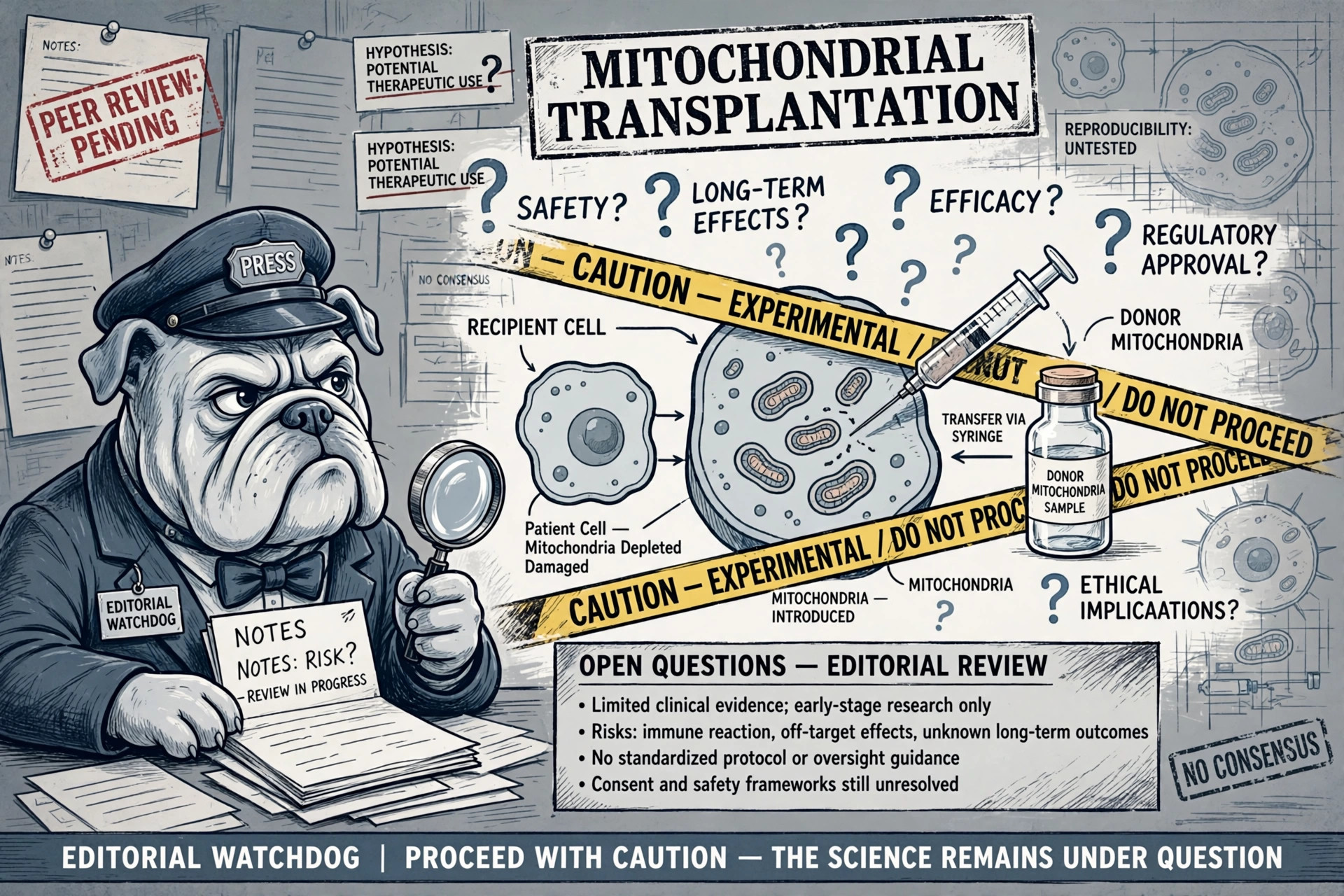
Mitochondrial transplantation: evidence limits
Why small uncontrolled human studies cannot yet establish mitochondrial transplantation efficacy.
Read article →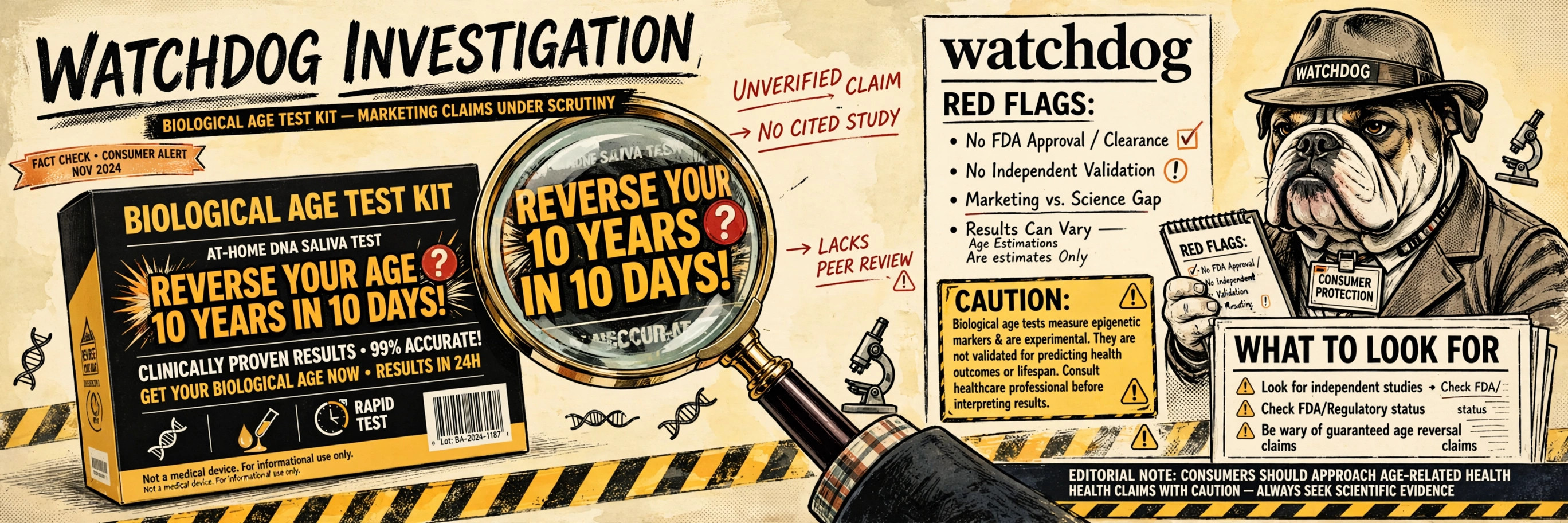
Mitochondrial age testing needs more than a score
Before acting on a consumer mitochondrial-age score, ask whether the assay and interpretation were independently validated.
Read article →
NAD+ and NR: where the marketing outruns the evidence
Brand-funded studies, IV clinic upsells and ad claims—mapped against what human mitochondrial evidence supports.
Read article →