
Treatments
Interventions discussed in mitochondrial and longevity care—mechanism, human evidence and real-world risk.


A traditional formula protected lungs in sepsis by restoring macrophage mitophagy — in mice and cells
Sepsis can injure the lungs when alveolar macrophages — the lung's resident immune cells — lose mitochondrial control and leak mitochondrial DNA, which triggers the STING inflammatory pathway. A study in Chinese Medicine (Ma, Pan, Chen and colleagues; published November 9, 2026) tested the Yiqi Huoxue Jiedu Formula (YHJF), a traditional Chinese medicine formula used clinically for nearly two decades, in a cecal ligation and puncture (CLP) mouse model of sepsis-associated acute lung injury (female BALB/c mice; sham, CLP alone, three YHJF doses, or dexamethasone as positive control) and in LPS-stimulated MH-S macrophages in vitro. YHJF restored mitochondrial homeostasis in the macrophages by activating PINK1/Parkin-dependent mitophagy, limiting mitochondrial DNA release and the downstream STING-driven inflammation, and alleviated lung damage in the mice. The authors flag the limits themselves: only female mice were used, and the in vitro work used rat-derived YHJF-containing serum in mouse cell lines, which requires interspecies caution.
Read article →
A botanical extract made a standard chemotherapy work harder against gastric cancer — in cells, mice and patient organoids
Oxaliplatin is a backbone chemotherapy for gastric cancer, and resistance to it is a routine clinical problem. A study in Pharmaceuticals (published November 8, 2026) tested whether an ethanol extract of Huang-Jin-Shuang-Shen (HJSS-E), a botanical preparation, could potentiate oxaliplatin — and traced the effect to the cancer cells' energy system. Using DARTS proteomics, cancer-database mining and RNA sequencing, the team identified FBLN1 as a candidate target (one extract component, salvianolic acid A, reproduced selected effects and bound recombinant FBLN1 in surface plasmon resonance). The combination was associated with altered RYR2 and the mitochondrial NAD+-dependent enzyme SIRT3, reduced ATP content and reduced NAD+/NADH ratios, and an increased mitochondria-associated calcium signal — a profile of collapsing tumour energetics alongside enhanced DNA damage and apoptosis. The potentiation appeared in gastric cancer cells, in mouse xenografts, and in patient-derived organoids. The abstract reports the findings qualitatively, without percentage effect sizes, and everything here is preclinical.
Read article →
A Schisandra compound slowed pancreatic tumours by breaking their mitochondria — in cancer cells and mouse xenografts
Pancreatic ductal adenocarcinoma (PDAC) is one of the most lethal cancers, defined by chemoresistance and few treatment options. Schisandrin B (Sch B), a bioactive compound from the fruit Schisandra chinensis, had shown anticancer effects in other malignancies, but its role in PDAC was unknown. A study published November 7, 2026 (Korea University and colleagues, International Journal of Molecular Sciences) combined network pharmacology, molecular docking and molecular-dynamics simulation with cell and animal experiments, focusing on the EGFR/AKT/mTOR signalling pathway and mitochondrial dysfunction. The computational work nominated EGFR, CASP3, BCL2 and HSP90 as key candidate targets. In PDAC cells, 48 hours of Sch B reduced viability, suppressed EGFR/AKT/mTOR signalling, and induced mitochondrial dysfunction — loss of mitochondrial membrane potential, increased mitochondrial and cytosolic calcium, and elevated reactive oxygen species — accompanied by activation of apoptotic signalling. Combined with gemcitabine, the standard chemotherapy, effects on apoptosis and oxidative stress were enhanced. In mice, Sch B significantly reduced growth of PANC-1 xenograft tumours, with decreased EGFR, AKT, mTOR and HSP90 protein expression in tumour tissue. This is deliberate mitochondrial injury as an anticancer mechanism, in preclinical models only.
Read article →
Stem-cell exosomes shielded the liver from cadmium by protecting its mitochondria — in mice and cells
Cadmium is a persistent environmental toxicant and the liver is one of its targets. A study in Scientific Reports (Zhu, Zhang, Yang and colleagues; published November 5, 2026) tested whether exosomes from mesenchymal stem cells (MSCs-Exos) — the tiny signalling vesicles stem cells release — protect against cadmium-induced liver injury, and through what mechanism. The mechanistic chain the team reports: cadmium triggers mitochondria-dependent ferroptosis in liver tissue, marked by mitochondrial fragmentation, loss of membrane potential and depletion of key antioxidant defences. The exosomes reversed those alterations — restoring mitochondrial integrity, reducing reactive oxygen species and iron accumulation, and rebalancing ferroptosis regulators and mitochondrial integrity factors. In living animals, systemically administered exosomes homed to the injured liver, blunted cadmium-driven rises in liver enzymes, and attenuated hepatic inflammation, necrosis and ultrastructural mitochondrial damage. It is a coherent animal-and-cell result for a defined toxic injury — a long way from a therapy for human cadmium exposure, and no human data exist.
Read article →
Switching on the cell's energy sensor extended lifespan by over 25% in some cases — in yeast, worms and flies, not people
AMPK is the cell's fuel gauge: when energy runs low, it switches on, throttling energy-hungry building work and pushing mitochondria to make more energy. Most longevity claims around AMPK rest on indirect activators such as metformin, which do many other things at once. A study in Aging Cell (dos Santos, Blickling, Leiper and colleagues, MRC Laboratory of Medical Sciences and collaborating institutions including Queen Mary University of London; published September 29, 2026, with fresh coverage November 6) used a research compound called 991, which binds and activates AMPK directly, in three distantly related organisms — fission yeast, the nematode worm C. elegans, and the fruit fly Drosophila. Lifespan extended in all three, in some cases by more than 25%. When worms and yeast lacked functional AMPK, the effect disappeared — the causal control that makes the result persuasive. Two cautions sit in the same paper: higher doses shortened lifespan in some experiments, and in mice, dosed for three weeks, 991 produced liver protein changes consistent with AMPK activation (more ATP-production and mitochondrial-biogenesis processes, mTOR suppressed) but no lifespan extension was demonstrated.
Read article →
Blood NAD did not fall with age in 1,068 healthy adults — it tracked cardiovascular disease instead, in a large human study
The sales premise behind NAD+ boosters — pills, and the IV drips built on them — is that NAD falls as you age, so topping it up restores something lost. A two-arm clinical programme in Nature Metabolism (Romenskaja-Avgul and colleagues, Vilnius University Life Sciences Center; published November 4, 2026) measured total whole-blood NAD (NAD+ plus NADH, by dried blood spot enzymatic assay) in 1,068 adults sampled once, fasting, in the morning — 636 women and 432 men. In healthy men, blood NAD showed no significant association with age. In healthy women it rose with age, by 0.07 micromoles per year. What did track with lower NAD was disease: cardiovascular disease, and hypertension in particular, reduced whole-blood NAD in both sexes and disrupted the healthy trajectories. The authors state plainly that their data provide no broad rationale for NAD-boosting interventions in healthy adults based on a universal blood NAD deficit — while emphasizing that blood is not tissue: the findings do not contradict reported NAD decline in muscle, brain and skin.
Read article →
Hydrogen gas shielded muscle cells' mitochondria from high-glucose stress — in lab-grown mouse muscle cells
Molecular hydrogen's evidence base grows one cell study at a time. In Scientific Reports (Ebara, Ogawa and Kawada, Teikyo University, Tokyo; published November 6, 2026), researchers built a specialized culture system that keeps muscle cells in a sealed 2% hydrogen environment and asked what the gas does to C2C12 myoblasts — mouse muscle precursor cells — under normal and high-glucose conditions. Hydrogen significantly inhibited hydrogen-peroxide-induced lipid peroxidation and attenuated high-glucose-induced abnormalities in mitochondrial membrane potential; under high glucose it prevented mitochondrial membrane hyperpolarization. Two honest limits sit in the same abstract: hydrogen did not rescue the stressed cells from death, and it suppressed cell proliferation (a cytostatic effect) under both normal and high-glucose conditions, without causing necrosis or apoptosis. One author is the president and CEO of a company that manufactures and sells hydrogen gas generators — disclosed in the paper, which states no company funding, products or equipment were used and that university advisors supervised the work.
Read article →
Mitochondria-loaded vesicles slowed spinal disc degeneration — in rats and lab-grown disc cells
A worn spinal disc is, in part, a mitochondrial failure: the nucleus pulposus cells that cushion the disc lose mitochondrial homeostasis and die by ferroptosis, an iron-driven form of cell death. A study in the Journal of Nanobiotechnology (Sun, Yu, Yang and colleagues, Affiliated Hospital of Qingdao University; published November 5, 2026) found the mitochondrial protein GSTK1 is downregulated in degenerative disc cells, and that restoring it — through a GSTK1–ALDH1L2 axis that maintains mitochondrial homeostasis independently of the classical ACSL4 ferroptosis pathway — partially delayed disc degeneration in rats. The team then engineered the biology into a delivery system: mitochondria-enriched extracellular vesicles from GSTK1-overexpressing disc cells ('Super-Mito-EV'), tagged with an EY3 aptamer to target mitochondrial transfer and packed into an injectable thermosensitive hydrogel. In a rat disc-degeneration model, the strategy significantly delayed degeneration and improved disc structure and molecular homeostasis. The abstract reports no effect sizes, group sizes or doses.
Read article →
Iron-grabbing nanoparticles preserved mitochondrial function and blocked ferroptotic cell death — in lab cells and live-animal injury models
Ferroptosis is cell death by iron-driven rust: excess iron catalyzes the peroxidation of membrane lipids until the cell gives up, and mitochondria are both victims and amplifiers. A letter in Nano Letters (Juyeon Kim, Jaewoo Lee, Gyusang Yu and colleagues, with corresponding authors at Seoul National University and the University of Michigan; published online November 4, 2026) describes mesoporous polydopamine nanoparticles (PDNs) engineered with intrinsic antioxidant and iron-chelating properties. In cell models of iron overload and erastin-induced ferroptosis, the particles scavenged free radicals, reduced intracellular ferrous iron (Fe2+), preserved mitochondrial function and rescued cells from ferroptotic death. Untargeted metabolomics showed restoration of ferroptosis-associated metabolic profiles, including glutathione-metabolism and energy-production metabolites. In living animals, PDNs reduced lipid peroxidation and restored GPX4 — the enzyme that defuses lipid peroxides — in an erastin-induced muscle ferroptosis model, and improved blood perfusion and vascular recovery in a hindlimb ischemia model.
Read article →
Amniotic stem-cell exosomes restored mitophagy and protected brain cells after oxygen deprivation — in newborn rats and lab-grown neurons
When a newborn brain is starved of oxygen, neurons die not only from the injury itself but from a cleanup failure: damaged mitochondria pile up because mitophagy — the selective disposal of broken mitochondria — stalls. A study in Frontiers in Pharmacology (Zhou, Yan, Li, He, Gao and Yu; published November 4, 2026) tested exosomes — tiny signaling vesicles — harvested from human amniotic mesenchymal stem cells in a severe cerebral palsy model: postnatal-day-21 rats given carotid ligation plus two hours of 8% oxygen, treated 24 hours later with a tail-vein dose of exosomes (50 micrograms of protein in 100 microliters). Treated animals showed less cortical neuronal degeneration, less mitochondrial ultrastructural damage and fewer apoptotic neurons at 14 days. In cultured cortical neurons under oxygen-glucose deprivation, the exosomes restored ATP content, cut mitochondrial reactive oxygen species, normalized membrane potential, trimmed excess mitochondrial elongation (via MFN1), and — centrally — restored PINK1/Parkin-mediated mitophagy, the tagging pathway that marks damaged mitochondria for disposal.
Read article →
A 12-ingredient longevity drink improved blood vessel measures in a placebo-controlled trial — with the mitochondria link still untested
In the STAMINA trial (University of Surrey; European Heart Journal Open, September 28, 2026; results announced November 4, 2026), 61 healthy non-smoking adults aged 40 and over drank either NOVOS Core — a 12-ingredient daily longevity formula — or a matched placebo for six months. The primary endpoint, flow-mediated dilation (FMD), rose 47% from baseline in the NOVOS group, an adjusted 2.9 percentage points better than placebo at six months. Arterial stiffness (carotid-femoral pulse wave velocity) moved in opposite directions — down on NOVOS, up on placebo, an adjusted difference of 1.18 m/s — and systolic blood pressure fell further on NOVOS, an adjusted difference of 6.1 mmHg. Lipids did not change. The trial measured blood vessel function only: no heart attacks, strokes, lifespan outcomes — and no mitochondrial endpoint of any kind. The paper's own title calls the findings preliminary.
Read article →
Senescent cells survive by starving themselves of one fat. Restoring it makes them self-destruct — in cells and aged mice
Senolytics — drugs that clear the senescent 'zombie cells' that accumulate with age — mostly hunt surface markers or survival proteins. A study in Cell (Kuehnemann and colleagues, led from the Jean Mayer USDA Human Nutrition Research Center on Aging at Tufts University, with the University of Eastern Finland, the Buck Institute, Mayo Clinic and The Jackson Laboratory; reported November 3, 2026) finds the vulnerability in fat metabolism instead. Senescent cells take in and store more polyunsaturated fatty acids than normal cells, yet one intermediate — DGLA (dihomo-gamma-linolenic acid, an omega-6 fatty acid) — is depleted, because the enzyme that converts it onward, D5D (encoded by FADS1), becomes relatively more active while delta-6-desaturase activity falls. Senescent cells are primed for ferroptosis — iron-dependent cell death driven by oxidation of membrane fats — carrying more free iron and more lipid-oxidizing enzymes. When the team added DGLA back, or inhibited D5D so DGLA accumulated, senescent cells died by ferroptosis while healthy cells remained largely undamaged. In aged mice, oral DGLA reduced senescent-cell numbers, reduced adipose and liver inflammation, and showed signs of improved liver and kidney function. Human genetics pointed the same way: in the Kuopio Obesity Surgery Study (KOBS), a FADS1 variant that promotes DGLA accumulation was associated with lower senescence markers in adipose tissue. No human trial exists, and this page is explicit about the mitochondria framing: ferroptosis is a membrane-fat and iron mechanism, not a mitochondrial therapy — it belongs here because senescent cells and dysfunctional mitochondria are coupled hallmarks of aging, each worsening the other.
Read article →
IV NAD+ drips promise mitochondrial renewal. A full review of the human evidence finds how little of that is proven
Intravenous NAD+ is the flagship drip of the longevity-clinic era, sold on a true premise — NAD+ is a major coenzyme in cellular metabolism, mitochondrial function, DNA repair and stress-response signaling — and an unproven conclusion. A structured narrative review in Frontiers in Aging (Alangari, Arif, Al Qureshah and Alkhodairy; published September 10, 2026; literature January 2018 to March 2026) surveyed the human evidence for IV NAD+ and IV NAD+ precursors and graded it plainly: despite increasing commercial use in wellness settings, the clinical evidence supporting efficacy and long-term safety remains limited. The available human evidence is sparse — primarily small uncontrolled studies, observational investigations and isolated case reports. Short-term IV NAD+ or NMN administration has been associated with transient increases in circulating NAD+ levels and changes in selected biomarkers of oxidative stress, inflammation and cellular metabolism, plus exploratory self-reported improvements in sleep and neurologic symptoms — with clinical significance uncertain given small samples, no placebo controls, heterogeneous methods and short follow-up. Reported adverse effects include nausea, cramping, flushing and chest discomfort, and long-term safety data are lacking. The review also flags a premise problem: recent large-scale human data indicate whole-blood NAD+ concentrations do not decline with healthy aging per se — the simple 'levels fall, refill them' story is itself contested. This page's standing IV-therapy coverage exists to separate the drip menu from the data; here, the data say biomarker movement, not demonstrated benefit.
Read article →
A nine-amino-acid peptide aimed at 'zombie cells' reaches its first human — a company announcement, with no results yet
Senescent cells — the 'zombie cells' that stop dividing, refuse to die, and accumulate with age — sit beside mitochondrial dysfunction on the hallmarks-of-aging list, and the two failures feed each other. On November 2, 2026, Miami-based Immorta Bio announced via PR Newswire the first human administration of SenoMune-0257, an investigational immunotherapy designed to help the immune system recognize and eliminate senescent cells. The first patient was treated on October 29, 2026, in Mexico, in an independently conducted, investigator-initiated study in patients with advanced cancer at Integrative Cancer Centers of America (ICCA); Immorta developed and supplied the peptide, and independent investigators run the study and the care. SenoMune-0257 is a proprietary nine-amino-acid peptide, identified with AI assistance, building on the company's earlier SenoVax program and preclinical work across cancer, organ failure, diabetic wound healing, frailty and accelerated-aging models. The announcement's own caveat is the most important sentence in it: SenoMune-0257 is investigational, and its safety and efficacy in humans have not been established. No results, no patient numbers beyond the first administration, and no peer-reviewed human data are reported — this is a starting gun, not a finish line.
Read article →
Inhaled hydrogen reached the brain and heart; hydrogen-rich water reached only the liver — in rats
Molecular hydrogen's medical claims all share one unglamorous prerequisite: the gas has to actually reach the organ in the claim. A study in the American Journal of Physiology — Heart and Circulatory Physiology (issue dated November 1, 2026; volume 331, pages H1465-H1477; first posted online September 18, 2026) from Pascal-Moussellard and colleagues at the University of Grenoble Alpes measured that prerequisite directly, quantifying hydrogen concentrations in the liver, brain and left ventricular cavity of anesthetized male rats during two delivery routes. Inhalation produced high and homogeneous hydrogen concentrations in all organs at steady state. Hydrogen-rich water given into the stomach raised hydrogen levels in the liver only, with no detectable elevation in the brain or left ventricle — suggesting complete pulmonary clearance, the lungs exhaling the gas before it could circulate further. Even an arterioarterial shunt with a gas exchanger, which achieved 65.75 ± 30.86 micromoles per liter at the hepatic level, did not bypass that pulmonary clearance: left-ventricle concentrations remained unchanged. The authors' conclusion is blunt: 'inhalation is the only route allowing complete systemic distribution of H2.' No mitochondrial endpoint was measured in this study — it is pharmacokinetics, not efficacy — but it bears directly on hydrogen-rich-water products marketed with brain and heart claims, and it is animal data: anesthetized male rats, not people drinking water at home.
Read article →
Boosting a DNA-repair protein improved repair in aged and patient cells and extended healthspan in progeria mice — in mice and lab-grown cells
Aging wears down two systems this site tracks together: mitochondria, and the genome itself. A study published November 1, 2026 in Nature Communications (Macedo, da Silva, Sousa-Soares and colleagues, led by Joana C. Macedo and Elsa Logarinho at the University of Porto's i3S institute, with Rochester longevity researchers Vera Gorbunova and Andrei Seluanov among the co-authors) targets the genome side. The protein is KIF2C, a kinesin-13 motor protein the team had previously found to be repressed in aged cells and shown to play a role in DNA repair. Using a small-molecule agonist that increases KIF2C activity — the compound family is covered by a patent naming UMK57, per the paper's competing-interests disclosure — they improved repair of double-strand breaks, the most dangerous form of DNA damage, in aged cells and in patient-derived cells from two accelerated-aging disorders: Hutchinson-Gilford progeria syndrome and Down syndrome. Mechanistically, the agonist restored the assembly of nuclear-envelope invaginations driven by cytoplasmic microtubules, and the improved repair translated into amended nuclear structure and transcriptional signatures. In progeria mice, subcutaneous administration of the agonist mitigated aging phenotypes and extended both healthspan and lifespan. Two honesty notes belong in the dek, not the footnotes: the paper's abstract does not state how large the lifespan extension was or how many mice were studied, so this page reports no magnitude; and nothing in the study measures mitochondria — the connection is the shared biology of aging, where genome instability and mitochondrial dysfunction advance side by side, not a mitochondrial result.
Read article →
MitoQ Review: What the Human Evidence Actually Shows
MitoQ is a CoQ10 molecule re-engineered to accumulate inside mitochondria — and one of the few mitochondrial supplements with real human trials behind it. We graded every
Blocking one aging enzyme extended lifespan in mice — in mice, through an NAD+ pathway tied to mitochondria
Asparagine endopeptidase (AEP), also called legumain, is a protein-cutting enzyme that becomes more active with age. In a study published in iScience (Yang and colleagues, 2026; 29(11), 117990), naturally aged C57BL/6 mice fed the AEP inhibitor #11a in their food from about 18 months of age lived to a mean of 28 months, against 24 months for untreated controls — about 17% longer — with less frailty, better exercise, strength and memory performance, better insulin sensitivity and less inflammation across organs. The proposed mechanism runs straight through mitochondrial biology: AEP cleaves NAMPT, the rate-limiting enzyme for making NAD+, and blocking AEP preserved NAMPT, raised the NAD+/NADH ratio in brain, muscle, liver and kidney, and raised SIRT1 and PGC-1alpha, a master regulator of mitochondrial function. The authors are candid about the limits: the study was small, food intake varied between cages so a calorie effect cannot be excluded, the mechanism in naturally aged mice is largely correlative, and AEP has context-dependent roles — blocking it has harmed kidneys in other mouse models. Nothing here has been tested in a human.
Read article →
A Krebs-cycle metabolite eased lupus and restored mitochondrial gene activity in kidney tissue — in mice
Alpha-ketoglutarate (AKG) sits at the center of the tricarboxylic acid cycle — the mitochondrial engine room — where it links energy metabolism to immune regulation. A study published October 30, 2026 in Nutrients (Fudan University and collaborating institutions) tested AKG in female BALB/c mice given pristane to induce a lupus-like disease, then treated by gavage for three months at a dose used in the published study of 100 mg/kg/day. AKG significantly reduced serum antinuclear antibody levels, alleviated kidney injury and preserved glomerular integrity, and improved survival — 12 of 14 treated lupus mice completed the study, against 6 of 14 untreated. Oxidative stress fell, with stronger endogenous antioxidant enzyme capacity and lower malondialdehyde. Most relevant here, AKG upregulated genes of the mitochondrial respiratory chain and increased ATP production in kidney tissue, alongside improved mitochondrial biogenesis-related factors, a rebalanced spleen immune-cell profile and suppressed interferon-stimulated genes and inflammatory cytokines. The authors themselves note the study used a single dose, and that dose-response and safety work must come before any clinical experiment.
Read article →
Transplanted healthy mitochondria took up residence in MELAS cells and restored their energy — in lab-grown cells
MELAS — mitochondrial encephalomyopathy, lactic acidosis and stroke-like episodes — is caused by mutations in the mitochondrial genome that cripple respiration and ATP production. Moving healthy donor mitochondria into diseased cells, an approach called mitotherapy, has been shown to boost cell metabolism, but how it works was unclear. A study published October 30, 2026 in Cell Death Discovery (Phua, Pang and colleagues, A*STAR Singapore and the National University of Singapore) demonstrates the mechanism in MELAS endothelial cells grown in the laboratory: the cells took up healthy donor mitochondria, expressed the donor mitochondrial genes, and improved metabolically and functionally at both early and prolonged time points — while mutant donor mitochondria and sonicated (destroyed) healthy mitochondria did not produce the benefit. The transplanted healthy mitochondria were retained, lowering the cells' mutant mtDNA share (heteroplasmy), and transcriptomic analysis suggests the restored energetics switched the cells' protein-translation machinery back up, countering a known translational deficiency of MELAS. All of this is in vitro — cells in dishes, not patients.
Read article →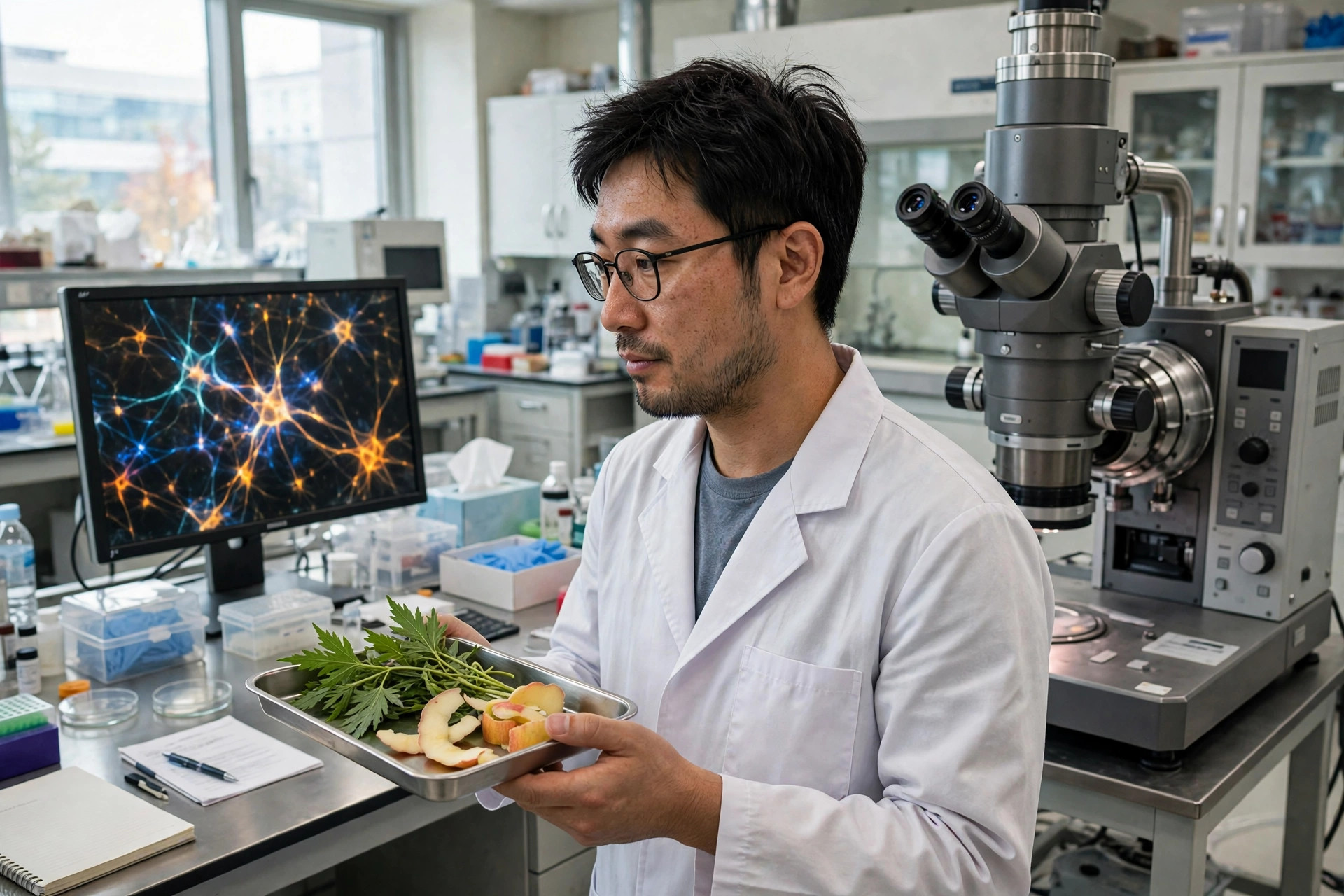
A compound in apple peels protected memory and mitochondria in brain-inflamed mice — in mice
Ursolic acid is a natural compound found in apple peels and several herbal leaves. On October 29, 2026, the Korea Basic Science Institute announced that a team led by Dr. Kwon Hee-seok and Dr. Choi Ga-young had tested it in mice whose brain inflammation had impaired learning and memory. Treated mice performed better at remembering locations and distinguishing new from familiar objects. Under the electron microscope, their nerve cells told the structural half of the story: synaptic structures were relatively well preserved, and the mitochondrial abnormalities that supply failure looks like — fragmentation and abnormal connections — were reduced. The institute reports the compound also reduced brain inflammation and oxidative damage. The caveat is printed in the announcement itself: benefit for human memory or dementia is unproven, and safety and appropriate dosing in people are unknown.
Read article →
A nose-to-brain nanoparticle aimed at mitochondria eased Parkinson's damage — in mice and neuronal cells
Parkinson's disease kills dopamine neurons in a brain region called the substantia nigra, with mitochondrial failure and oxidative stress at the center of the damage. A paper published October 29, 2026 in ACS Applied Materials & Interfaces (Paul and colleagues) built a delivery system for that exact target: selenium nanoparticles loaded with rosmarinic acid, surface-coated with a mitochondria-targeting compound (triphenylphosphonium-linked chitosan), and given through the nose to bypass the blood-brain barrier. In neuronal cells poisoned with MPP+, the particles improved survival, cut mitochondrial reactive oxygen species and restored membrane potential. In MPTP-model Parkinsonian mice, treatment raised tyrosine hydroxylase (the dopamine-making enzyme), reduced alpha-synuclein expression and normalized oxidative-stress markers in the substantia nigra and striatum, with higher brain levels of rosmarinic acid than other routes. It is an animal and cell study of an experimental delivery platform — no human has received it.
Read article →
Keeping Klotho levels up is the hard part: encapsulated Klotho-making cells are one proposed answer — a review, not a trial
Yesterday this site examined Klotho skincare, whose claims rest on putting a large protein on skin. A different group is attacking the opposite problem — Klotho's short half-life in the body — with living machinery. On October 28, 2026, Avai Bio and Austrianova announced publication in Frontiers in Aging of a peer-reviewed article, 'Maintaining Klotho: Preventing the Body from Unwinding,' authored by Austrianova researchers. It reviews the evidence linking declining Klotho to kidney, cardiovascular, neurodegenerative and metabolic aging, and sets out the approach of Klothonova, the companies' 50/50 joint venture: engineered human cells that continuously produce soluble Klotho, enclosed in Cell-in-a-Box cellulose-sulphate capsules whose pores let nutrients, oxygen and the Klotho protein pass while shielding the cells from immune attack. The companies reported in September 2026 that GMP-quality Klotho-producing cells had been successfully encapsulated and secreted robust levels of Klotho into surrounding culture media. What does not exist yet is equally specific: no animal efficacy result for the encapsulated product, no human trial, and an authorship list drawn from one of the venture's own partners. Klotho's mitochondrial relevance is real but indirect — it modulates oxidative-stress defense and phosphate metabolism, pathways mitochondria live inside — and none of it converts a delivery concept into a therapy.
Read article →
A mitochondria-targeted peptide gel helped frozen ovarian tissue survive transplant and restart hormone function — in rabbits
For girls and women who must start cancer treatment before fertility preservation by egg freezing is possible, freezing ovarian tissue itself is the established fallback — but much of the tissue's value is lost after transplant, when oxidative stress and ischemia-reperfusion injury destroy follicles. A study published October 28, 2026 in npj Regenerative Medicine (Zeng, Wang, Liu and colleagues) aimed the treatment at the organelle that injury hits first. The team combined elamipretide (SS-31), the mitochondria-targeted antioxidant peptide, with a recombinant human GM-CSF gel to achieve localized, sustained release of SS-31 at the transplantation site in rabbits. The combination reduced oxidative stress, improved mitochondrial function and enhanced follicular survival — and reproductive endocrine function was restored eight weeks after transplantation. Proteomics and metabolomics pointed to activation of energy-metabolism pathways as the main driver. The paper frames the approach as a candidate for women needing urgent fertility preservation. It is a rabbit study, and the distance to a human protocol is the usual one: dosing, safety and live-birth outcomes in people are all untested.
Read article →
Treadmill training reshaped the gut microbiome and raised endurance — in genetically diverse aging mice
Most mouse exercise studies use near-identical animals, which is one reason their results so often fail to generalize. A GeroScience study published October 27, 2026 (Smith, Massett, Albracht-Schulte and colleagues) ran the experiment in UM-HET3 mice — a genetically heterogeneous stock bred so each animal is genetically unique, closer to a human population. Aerobic treadmill training altered the gastrointestinal microbiota and enhanced exercise capacity in these aging mice. The mitochondrial connection is the physiology that makes endurance possible at all: sustained aerobic capacity is set by how much oxygen muscle mitochondria can turn into ATP, and training is the best-established way to raise that ceiling — which is why a gut-microbiome shift that tracks with endurance in genetically diverse animals is worth watching, and why it still needs a human trial before it means anything for a person's routine.
Read article →
Blocking mitochondrial fission helped immunotherapy build longer-lived T cells — in a lung cancer mouse model
Checkpoint immunotherapy works until the T cells running it wear out. A study published October 27, 2026 in OncoImmunology reports a mitochondrial lever on that wearing-out: treating with Mdivi-1, a compound that blocks the fission protein DRP1 and keeps mitochondria elongated, alongside anti-PD-1 therapy pushed tumor-fighting T cells toward a memory-like phenotype — the long-lived state associated with durable responses — and strengthened antitumor effect in a preclinical lung cancer model. Two cautions belong in the same paragraph as the result. First, this is a mouse model, not a patient trial. Second, Mdivi-1 is a famously untidy tool: independent work shows it also inhibits mitochondrial complex I directly, so attributing the whole effect to fission blockade alone is not yet justified — the same attribution problem this site flagged in yesterday's mitochondria-peroxisome review.
Read article →
NADH and Methylene Blue Together: The Stack Nobody Has Ever Tested
The pitch sounds perfect: NADH donates the electrons, methylene blue shuttles them. The biochemistry says something less convenient — methylene blue burns NADH, nobody has ever studied the pair in a person, and every serious risk sits on one side of the stack.
Read article →
A drug revived the liver's aging filter cells and halved amyloid beta — in aged rats
The liver clears amyloid beta — the protein fragment that forms Alzheimer's plaques — from the blood, and it does it through a sieve: liver sinusoidal endothelial cells (LSECs), whose pores shrink and close with age. In a Journal of Biological Chemistry study from USC's Keck School of Medicine (Sam de Leve, Laurie DeLeve and colleagues; reported October 26, 2026), two weeks of the experimental drug cinaciguat fully restored aged rats' LSECs in shape and function, reopening the pores and restoring clearance: circulating amyloid beta fell by half, to young-rat levels, and LDL cholesterol — included as a control that was not supposed to change — also normalized to young levels. The surprise LDL result exposed a signaling chain: cinaciguat activates soluble guanylate cyclase in LSECs, prompting them to release the growth factor HB-EGF, which prompts hepatocytes to grab more LDL and amyloid beta. The mitochondrial framing here is honest and indirect, and this coverage states it plainly: the liver is one of the body's most energy-demanding organs and hepatocyte clearance work is mitochondria-fueled, but this study did not measure mitochondria — it measured filter-cell pores, a growth factor, amyloid beta and LDL. It is also, so far, only rats.
Read article →
12 weeks of lifting strengthened breathing muscles and raised an anti-aging protein in adults 60 to 75
Resistance training is usually sold on arms and legs. A randomized clinical trial in 60 community-dwelling adults aged 60 to 75, published in the Journal of Functional Morphology and Kinesiology and reported October 25, 2026, measured what lifting did to the muscles of breathing: after 12 weeks of supervised training (three sessions a week), the training group significantly increased maximal inspiratory and expiratory pressures, handgrip strength and sit-to-stand performance, and blunted exercise-induced oxygen desaturation, compared with controls. Blood markers moved in the same direction — the inflammatory signal IL-6 fell, the anti-inflammatory IL-10 rose, and circulating Klotho, a protein associated with healthy aging, increased markedly. The mitochondrial connection is real but indirect, and this coverage states it plainly: respiratory and limb muscles are among the most mitochondria-dense tissues in the body, but this trial did not measure mitochondria — it measured strength, breathing pressures and blood markers.
Read article →
Wrapping mitochondria in a red-blood-cell membrane: experts map the route to organelle therapy — in lab and animal models
Mitochondrial transplantation — giving a cell fresh powerhouses instead of fixing its genes — has always stumbled on delivery: naked mitochondria are damaged outside cells, taken up poorly, and digested after entry. A commentary published October 26, 2026 in Signal Transduction and Targeted Therapy (Yang, Jeong and Kim, Korea Research Institute of Bioscience and Biotechnology) reviews how Du and colleagues' erythrocyte-membrane 'mitochondrial capsules' (Cell, 2026) answered each of those problems in turn: transfer into roughly 80% of recipient cells, restored mitochondrial DNA and energy production in patient-derived cells carrying the m.3243A>G mutation, delivery to liver, heart, intestine and brain after systemic dosing, delivery in cynomolgus monkeys, and improved survival or motor performance in mouse models of Leigh syndrome, mtDNA depletion syndrome and Parkinson's disease. The commentators are equally clear about what is missing: tissue targeting, long-term immune and mitochondrial-nuclear compatibility, and GMP-grade manufacturing.
Read article →
Hydrogen-rich water improved endurance and lowered muscle oxidative stress — in mice
Molecular hydrogen can diffuse straight into mitochondria, the main source of exercise-induced reactive oxygen species. In a Frontiers in Nutrition study from the University of Tsukuba, untrained male mice given hydrogen-rich water (above 5 ppm, refreshed twice daily) for four weeks or longer ran significantly longer on a treadmill, showed less muscle fatigue, and had lower markers of oxidative stress, inflammation and muscle damage than mice on purified water. Antioxidant gene expression was not raised — the authors suggest hydrogen may scavenge radicals directly rather than by switching on antioxidant defenses.
Read article →
Doubling stem cells' chromosomes grew heart muscle with more, better-working mitochondria — in lab models
Lab-grown heart muscle cells from human iPS cells stay stubbornly fetal — a limit for transplant therapy, drug testing and disease modeling. A Japanese team at the Tokyo Metropolitan Institute of Medical Science, reported October 24, 2026 from a Communications Biology study, reversed the usual order: they fused pairs of iPS cells first, creating tetraploid stem cells with four chromosome sets (as in roughly 80% of adult heart muscle cells), then differentiated them. The resulting cardiomyocytes were larger, quieted their cell-cycle genes like mature cells, carried more and better-functioning mitochondria, and contracted more strongly and rapidly than conventional diploid-derived cells.
Read article →
Forcing tumor mitochondria back to work countered the Warburg effect — in lab models
Many tumor cells sideline their mitochondria and ferment sugar instead — the Warburg effect. A Nature Chemical Biology study published October 22, 2026 built a chemogenetic tool, Grubraw, that can be switched on inside mitochondria to push pyruvate back into mitochondrial respiration. Activating it in tumor cell models counteracted Warburg metabolism and slowed proliferation in the experiments reported, including work in mouse tumor models. Grubraw is a research instrument delivered as a gene, not a drug — its value is proving that mitochondrial reactivation can be controlled and measured, not treating anyone today.
Read article →
Psilocybin lowered inflammation and a marker of mitochondrial stress in people with Parkinson's — early human data
Psychedelics are usually studied for what they do to the mind. A University of California, San Francisco analysis published in JAMA Psychiatry and reported October 21, 2026 looked at what psilocybin did to the blood of 12 people with Parkinson's disease: five inflammatory signalling molecules fell significantly after two psilocybin sessions and stayed lower a month later, and a blood marker of mitochondrial stress improved substantially right after treatment, though not at longer follow-up. The study had no control group and everyone knew they received the drug — the authors call it an initial biological signal, not proof.
Read article →
The federal lifespan-testing program just took two famous compounds off the shelf: berberine and CBD
Berberine is sold everywhere as a metabolic supplement and is known to act on mitochondrial energy sensing (AMPK and complex I); CBD is sold everywhere as a wellness staple. Neither has ever faced the gold-standard lifespan test. Southern Illinois University announced on October 13, 2026 that both compounds — proposed by researcher Lisa Hensley — were selected for pilot testing by the National Institute on Aging's Interventions Testing Program (ITP), the rigorous multi-site program that checks stability in mouse food, absorption and toxicity before committing to full lifespan studies in genetically diverse mice at the University of Michigan, The Jackson Laboratory and UT Health San Antonio.
Read article →
A sandalwood compound blocked colorectal cancer's spread to the lungs by driving mitochondrial cell death — in lab models
Santalol, a sesquiterpene alcohol from sandalwood oil, has reported antioxidant and anti-inflammatory effects — but its effect on colorectal cancer (CRC) metastasis was unclear. A study published October 21, 2026 in Antioxidants reports that santalol reduced viability and clonogenic capacity of metastatic CRC cells dose-dependently, raised reactive oxygen species (ROS), depolarized their mitochondria and activated the mitochondrial apoptosis pathway through caspases and PARP; in a mouse model, it restricted the cancer cells' dissemination to the lungs.
Read article →
A ginseng-family extract sped diabetic wound healing by protecting macrophage mitochondria — in lab models
Diabetic wounds stall because high glucose leaves wound macrophages inflamed and their mitochondria damaged. In Food Science & Nutrition, researchers report that Panax notoginseng saponins (PNS) accelerated wound closure in diabetic mice, dose-dependently, by preserving a protective lipid (11,12-EET) through the Ephx2 pathway: treated wounds showed fewer swollen mitochondria, a shift from fission toward fusion, less pyroptosis (inflammatory cell death) and more collagen. Human data from non-healing diabetic foot ulcers pointed the same direction — but no person has been treated in a trial.
Read article →
Brown's gas devices: it's the hydrogen fraction that counts, a modeling study finds
Oxyhydrogen ('Brown's gas') generators sell a mix of about two-thirds hydrogen and one-third oxygen, and the oxygen is often implied to be part of the benefit. A respiratory-physiology modeling paper in Respiratory Research (LeBaron and colleagues, 2026), explained in an October 18, 2026 analysis, does the arithmetic: at a typical 1,000 mL/min output, the extra oxygen a user actually inspires is only about 40 mL/min, lifting inspired oxygen from 21% to about 21.36% — like descending roughly 160 meters. Any effect, the authors argue, would come from the hydrogen — and devices should be compared by the hydrogen fraction they deliver (FiH2), not total gas output.
Read article →
Molecular hydrogen as a cancer helper, not a cure: a new review maps four ways it may nudge tumors — in lab models
A review in Frontiers in Chemical Biology, reported October 17, 2026, organizes the preclinical case for molecular hydrogen in cancer around four axes — epigenetic remodeling, mitochondrial stress and proteostasis, cell-cycle arrest and immunogenic cell death, and immune modulation with restraint of metastasis — and positions hydrogen as a possible adjuvant that sensitizes tumors while shielding healthy tissue. The evidence is cell and animal work; the review itself says clinical validation is incomplete and no human dosing is established.
Read article →
Spermidine plus resistance exercise protected aging hearts and their mitochondria — in lab models
Aging hearts lose energy as mitochondrial cleanup and renewal falter. In a study published October 17, 2026 in Scientific Reports, combining spermidine — a naturally occurring polyamine found in foods — with resistance exercise for eight weeks repaired heart structure in D-galactose-aged rats, raised myocardial ATP and membrane potential, and switched on the AMPK-SIRT1-PGC-1alpha pathway that drives mitochondrial biogenesis and mitophagy. It is rat evidence only — no human heart data.
Read article →
Molecular hydrogen inhalation eased oxidative stress and inflammation in an Alzheimer's mouse model — in lab models
In a 5xFAD mouse model of Alzheimer's disease, breathing 2% molecular hydrogen for an hour a day over four weeks reduced hippocampal reactive oxygen species, lowered inflammatory signals including TNF-alpha and IL-1beta, raised hippocampal ATP, activated the NRF2 protective pathway, and reduced amyloid-beta 42 burden, according to a study in Antioxidants (2026). It is animal evidence only — no human Alzheimer's data.
Read article →
Molecular hydrogen may act on a mitochondrial iron-sulfur protein — but which one is the real entry point is now the debate
For two decades, molecular hydrogen (H2) was explained as a simple selective antioxidant. A Redox Biology study found H2 rapidly suppresses mitochondrial Complex III through its Rieske iron-sulfur protein, triggering its breakdown and replacement. A 2026 review in the same journal asks whether the Rieske protein is truly hydrogen's entry point — or just the first sentinel we can see — and ranks the other iron-sulfur candidates.
Read article →
Transplanting fresh mitochondria helped cartilage cells in the lab — and faded within a week in animals
Osteoarthritis cartilage slowly loses its energy supply as chondrocyte mitochondria fail. A 2026 Frontiers in Immunology review of mitochondrial transplantation for osteoarthritis found transplanted mitochondria raised cartilage-cell ATP about 2.4-fold in culture and delayed disease in animal models — but were prone to clearance in the body, sometimes degrading within a week, which is the field's central unsolved problem.
Read article →
Mitochondria harvested from a simple blood draw repaired injured nerves — in rats
Mitochondrial transplantation usually means harvesting tissue from muscle or stem cells. A Scientific Reports study published October 14 showed mitochondria taken from ordinary blood cells (PBMCs) matched stem-cell mitochondria at restoring nerve function after crush and gap injuries in rats — a far less invasive source, if it translates.
Read article →
Resistance training protected muscle — and its mitochondria — in liver-disease sarcopenia — in mice
When chronic liver disease wastes muscle, mitochondria are part of the casualty list. In a mouse study published October 13 in Scientific Reports, six weeks of resistance training preserved muscle strength, size, and mitochondrial density and breathing capacity — a non-drug proof of concept that now needs human testing.
Read article →
An RNA medicine aims to restore a mitochondrial protein and slow inherited vision loss
Autosomal dominant optic atrophy — the most common inherited optic nerve disorder — is usually caused by having only half the normal amount of OPA1, a protein mitochondria need to work. At the AAO 2026 meeting, Stoke Therapeutics presented natural-history and preclinical data for STK-002, an RNA medicine designed to coax the healthy gene copy to make more OPA1; its Phase 1 OSPREY trial has finished dosing its first two cohorts.
Read article →
Senolytic drug combo cleared 'zombie' cells and improved liver scarring in a first randomized trial
In a small Phase 2 trial at Amsterdam University Medical Center, three intermittent cycles of dasatinib plus quercetin improved liver fibrosis in 47% of MASH patients versus 7% on placebo - and molecular checks showed senescence signatures fading in the treated livers.
Read article →
Sticky nanosheets that drip hydrogen inside the scrotum rejuvenated aging testes — in mice
A new study in Materials Today Bio describes bioadhesive silicon nanosheets that slowly release molecular hydrogen inside the scrotum for a month. In naturally aged mice, sperm concentration more than doubled and abnormal sperm fell by half, through a defined chain linking hydrogen to mitochondrial fuel for developing sperm.
Read article →
A rare sugar repaired a mitochondrial cleanup failure in spinal discs — in mice
A team at Sun Yat-sen University showed the rare sugar D-allose restored PINK1/Parkin mitophagy in spinal disc cells, stopped leaked mitochondrial DNA from triggering inflammatory alarms, and preserved disc height and hydration in mice.
Read article →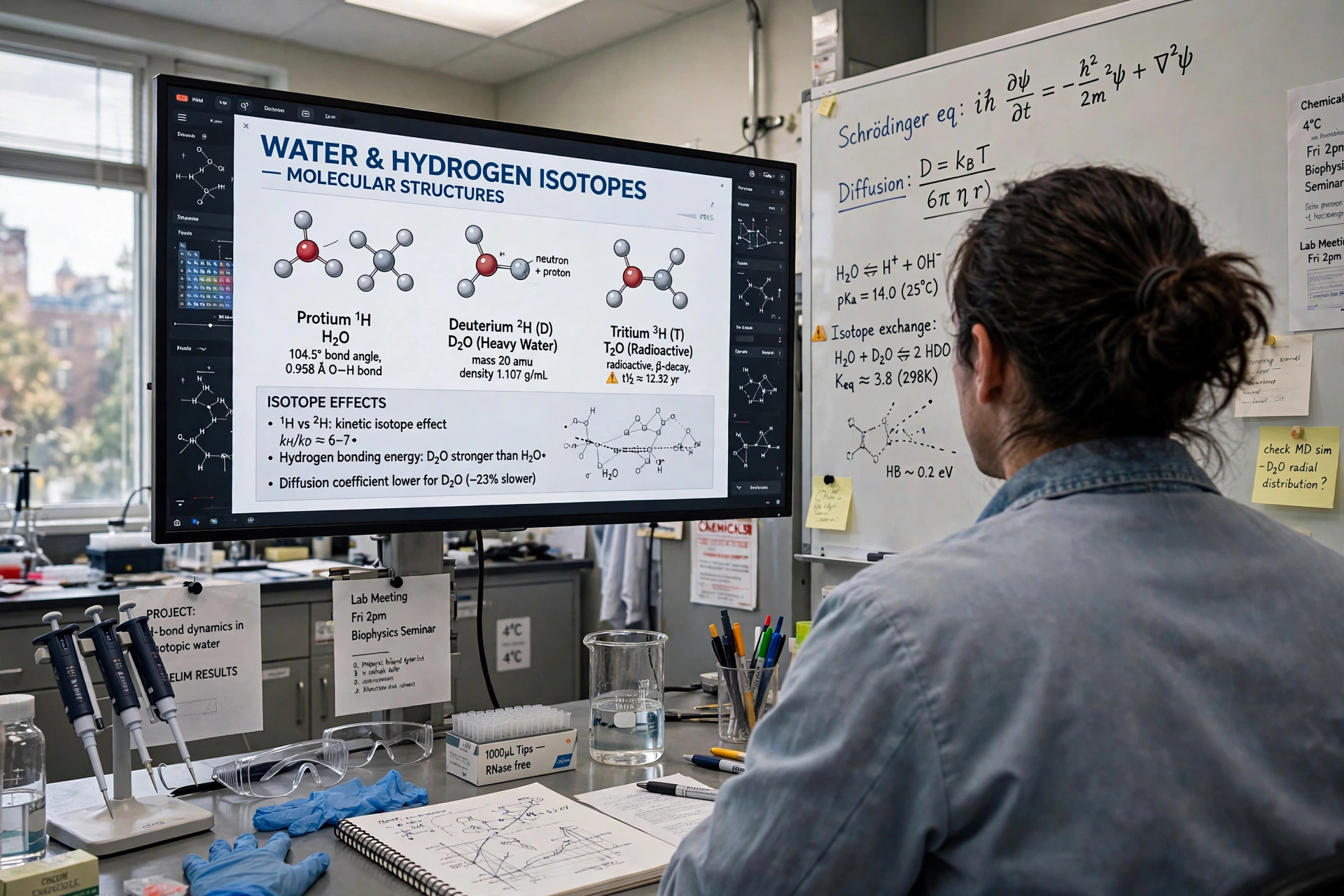
Could gut microbes’ hydrogen gas protect mitochondria from “heavy” hydrogen? A new hypothesis — not yet tested
A hypothesis paper in Frontiers in Microbiology proposes that mitochondrial ATP-synthase motors are sensitive to deuterium — heavy hydrogen — and that small gases made by gut microbes (H2, methane, ammonia, H2S) arrive naturally depleted in it. Intriguing physics; zero experiments so far.
Read article →
A gene therapy that helps blind eyes sense light just reached the New England Journal of Medicine
GenSight's GS030 — an AAV gene therapy that makes retinal ganglion cells light-sensitive, paired with amber-light goggles — showed meaningful light-sensitivity gains in 6 of 10 late-stage retinitis pigmentosa patients in the PIONEER Phase 1/2 trial, published in NEJM.
Read article →
A resveratrol reformulated for the brain enters Phase 2a testing in Parkinson's
Jupiter Neurosciences has dosed the first patient in RESET, a Phase 2a trial of JOTROL — a micellar trans-resveratrol formulation aimed at the mitochondrial dysfunction, oxidative stress, and neuroinflammation implicated in Parkinson's. The company is simultaneously exploring strategic options.
Read article →
First human data for a 'rejuvenate the eye' therapy arrives tomorrow
Life Biosciences will present interim Phase 1 results for ER-100 — an OSK epigenetic-reprogramming therapy for glaucoma and NAION — on October 8 in New Orleans. The trial measures safety and visual function; eyes are a natural proving ground because retinal ganglion cells live or die on mitochondrial energy.
Read article →
Brain stimulation repairs mitochondrial fission to ease movement and pain after spinal cord injury
In a 93-patient clinical cohort plus mouse experiments, high-frequency rTMS restored the mitochondrial fission protein Drp1 in motor-cortex neurons — the first causal link between noninvasive brain stimulation and mitochondrial dynamics.
Read article →
MitoRx’s MTRX31 restored mitochondrial density in obese mice — in mice, from company data
At the EASD meeting in Milan, MitoRx Therapeutics presented 56 days of mouse data on MTRX31, a small molecule designed to reset how mitochondria switch between burning fat and carbohydrates: electron microscopy showed restored mitochondrial density in liver tissue and reduced liver fat.
Read article →
Maxwell Physics and Plasma Physics for Your Mitochondria: What the Evidence Actually Says
Your mitochondria sustain electric fields around ten times stronger than lightning. Four technologies claim to speak their language — red light, electrical muscle stimulation, pulsed magnetic fields, and cold plasma. Here is what the physics and the evidence actually say.
Read article →
IV NAD+ and your mitochondria: what a new peer-reviewed review actually concludes
A Frontiers in Aging review of the human evidence on IV NAD+ finds solid mechanistic reasons it could support mitochondria — then concludes the clinical proof for wellness use just isn't there yet.
Read article →
Two decades of mitochondrial disease trials: what failed, what worked, and what's next
A sweeping review of 71 human trials for primary mitochondrial disease (2000–2025) finds that broad antioxidant and metabolic approaches mostly failed, while precision strategies — nucleoside and gene therapies matched to exact genetic defects — delivered the field's first approvals.
Read article →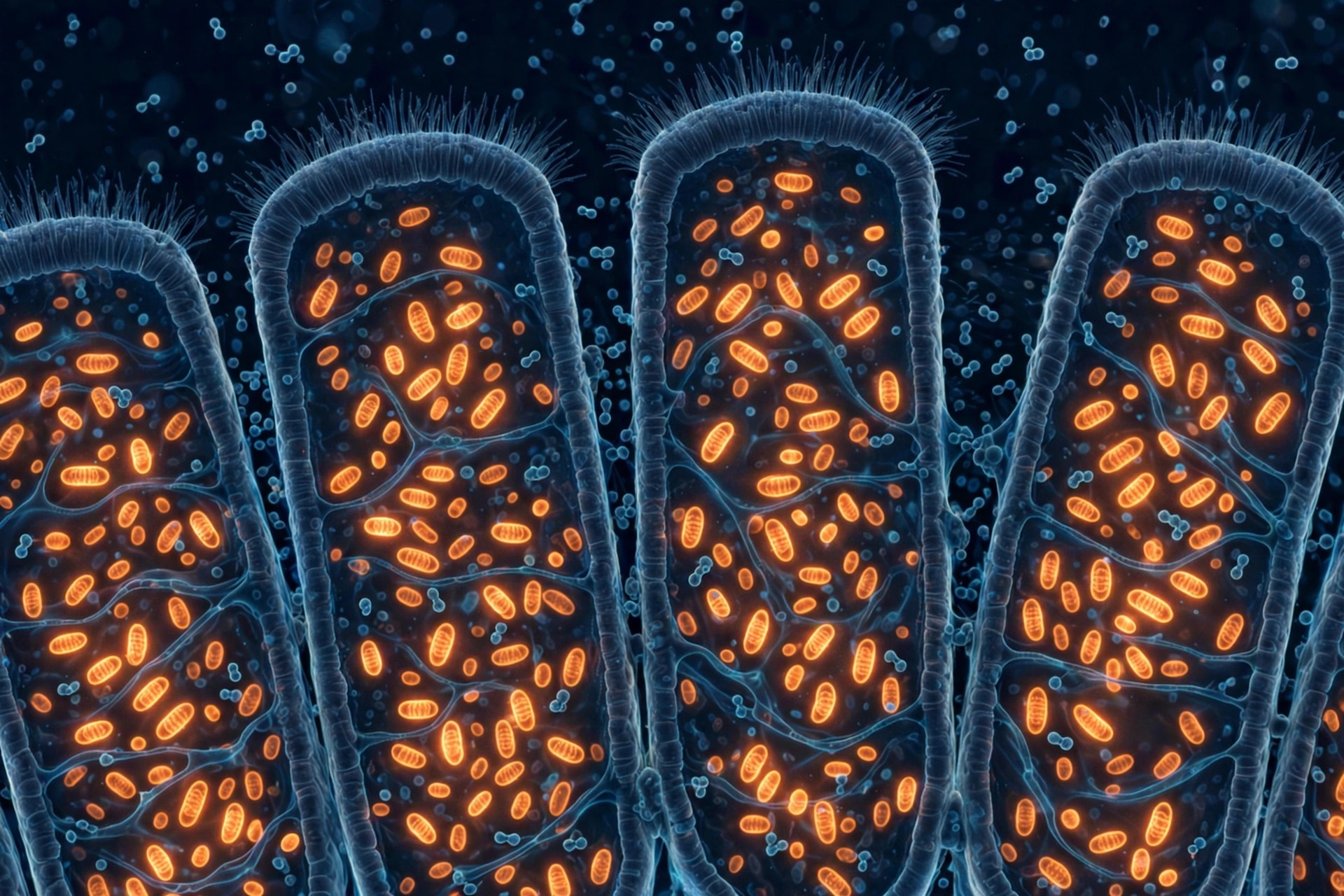
Molecular hydrogen helps mitochondria recover from oxygen deprivation — in lab models
In intestinal cells starved of oxygen and then re-supplied, hydrogen-rich gas restored mitochondrial membrane potential, boosted ATP production, and quieted the hypoxia alarms HIF1α and PDK1 — new mechanistic clues for the hydrogen watch.
Read article →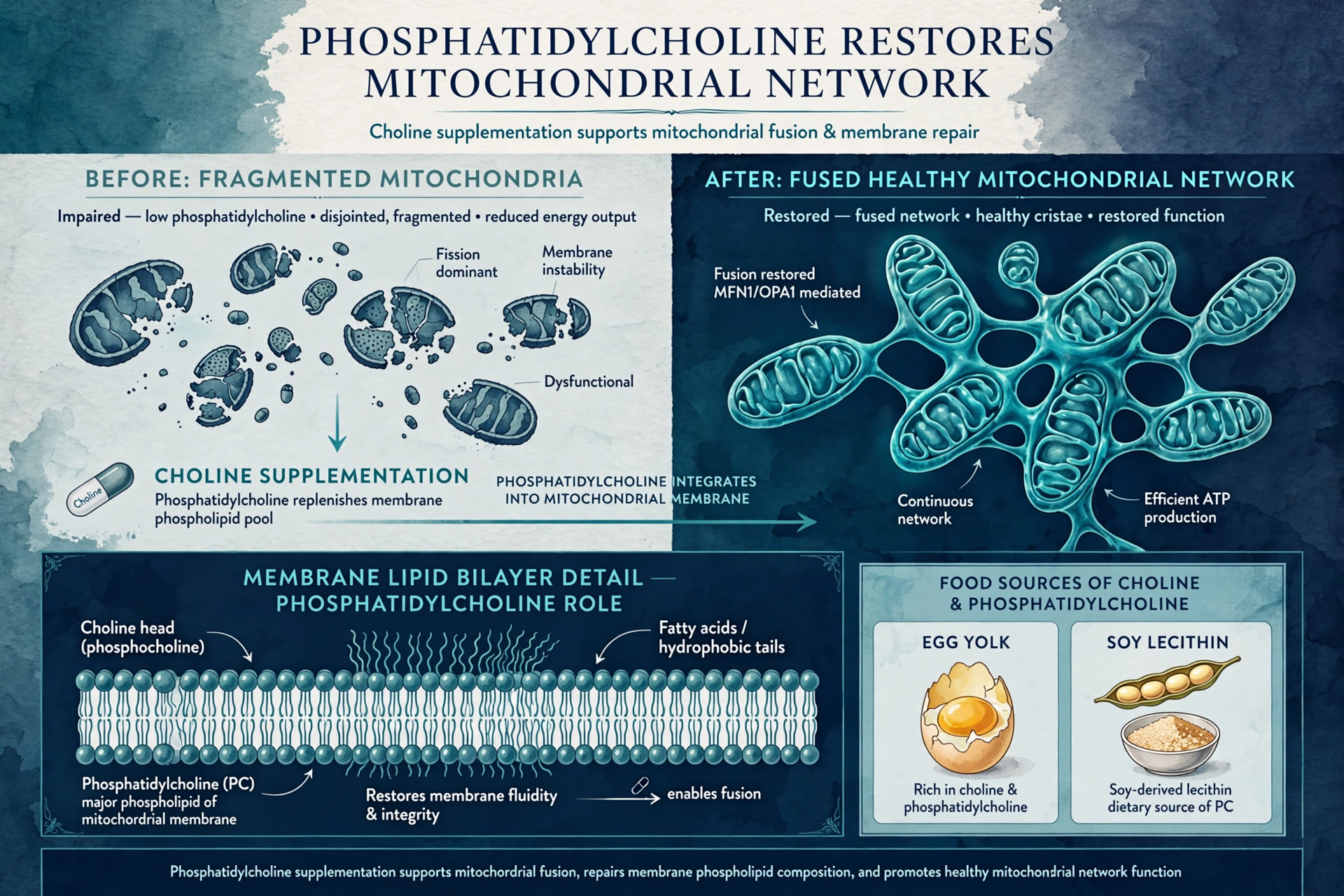
When a membrane lipid fades, mitochondria fragment — restoring it reversed the decline in worms within 2 days
A Nature Communications study finds age-related loss of phosphatidylcholine synthesis fragments mitochondrial networks; boosting PC restored integrity in aged worms in 2 days and resilience in human cells. The steepest human drop: women near menopause.
Read article →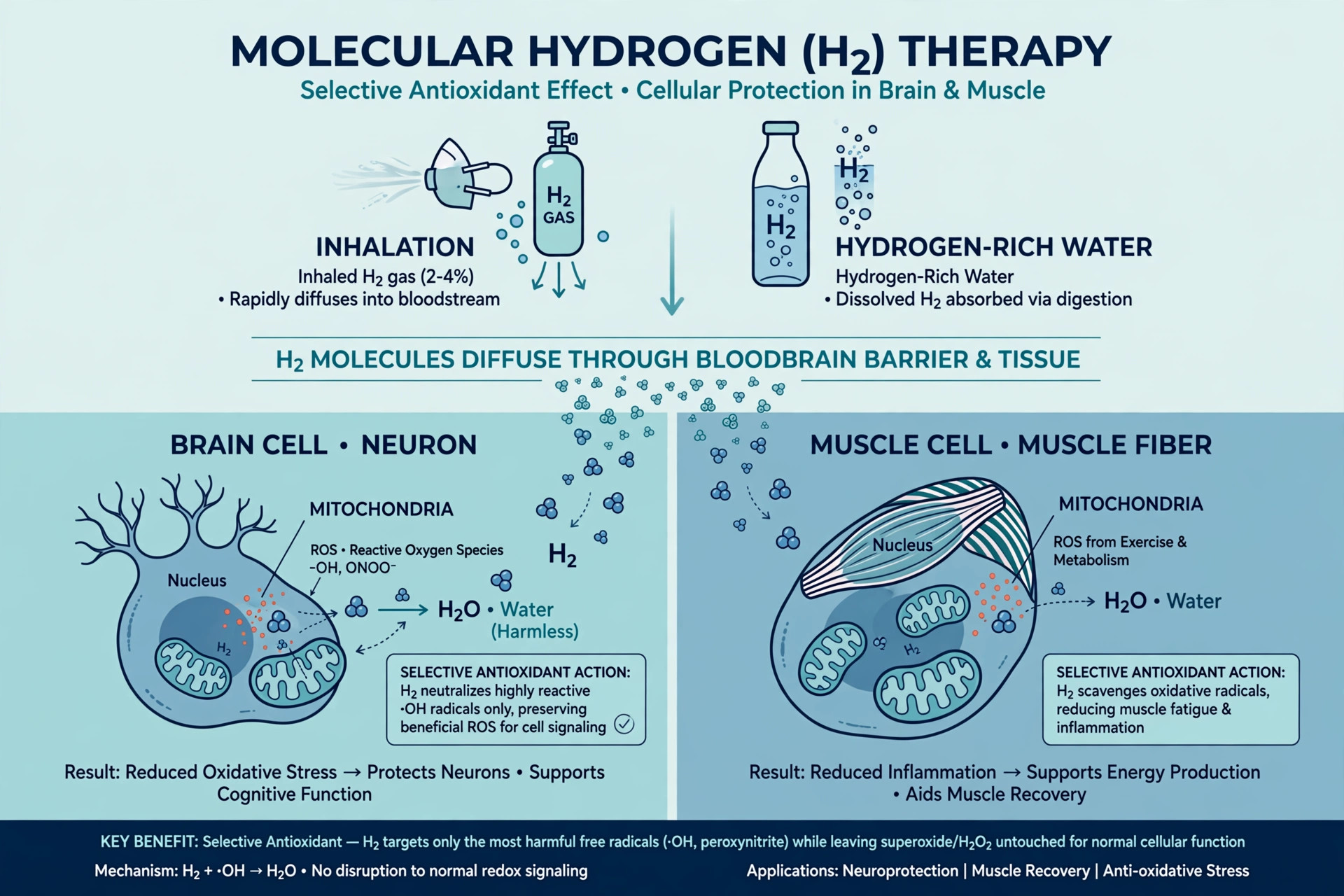
Molecular hydrogen, reviewed: what a new 2026 synthesis says about mitochondria and the brain
A new Frontiers in Pharmacology review maps 2,000+ papers on molecular hydrogen — selective antioxidant, mitochondrial penetrant, promising in small trials, inconsistent in large ones. Here is the graded picture.
Read article →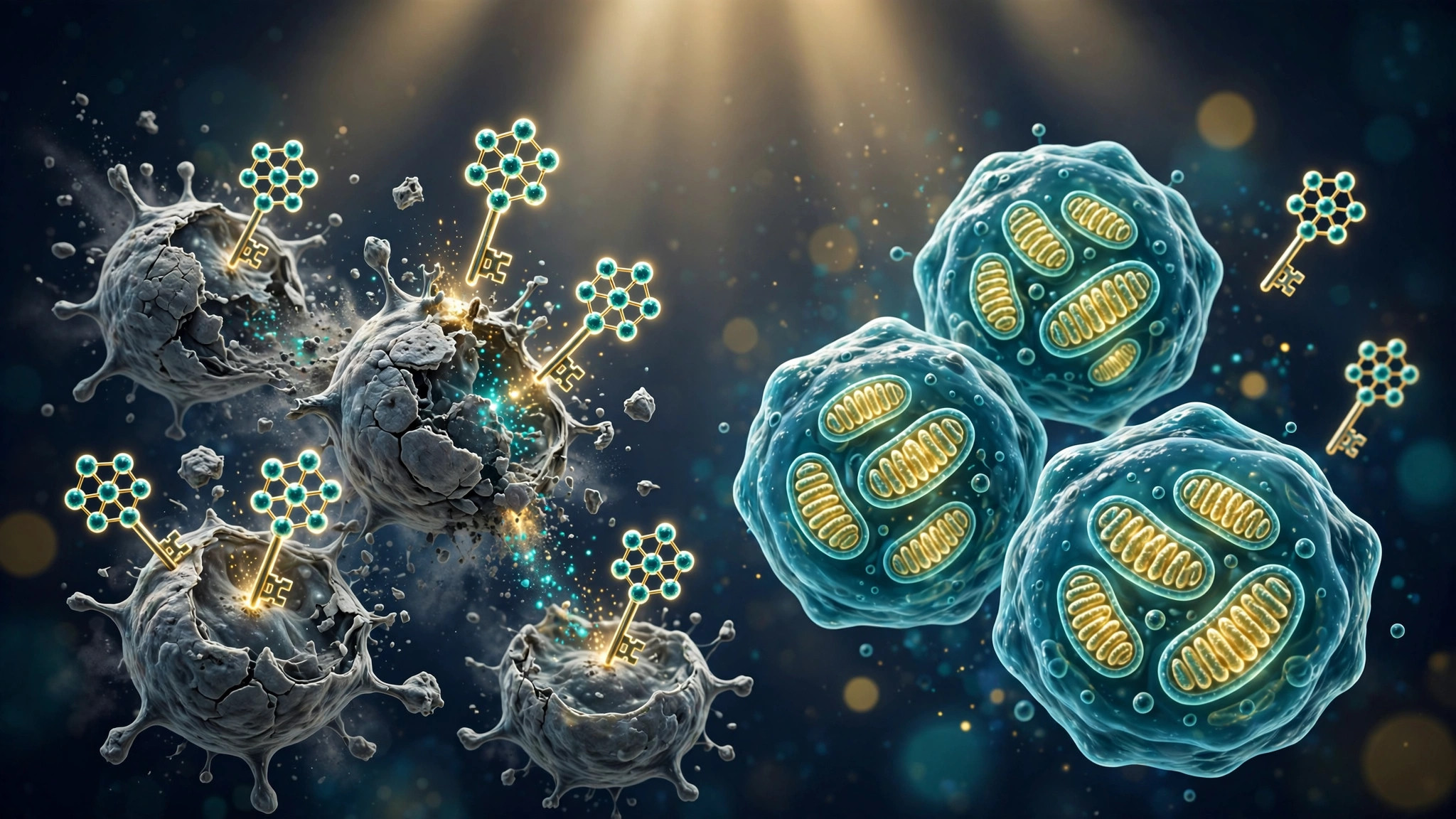
Eos SENOLYTIX takes its mitochondria-targeted geropeptide to the world stage
The Houston company will keynote the 17th World Congress on Targeting Mitochondria with PTC-2105, a mitochondria-targeted geropeptide aimed at sarcopenia — with a merger closing expected in Q4.
Read article →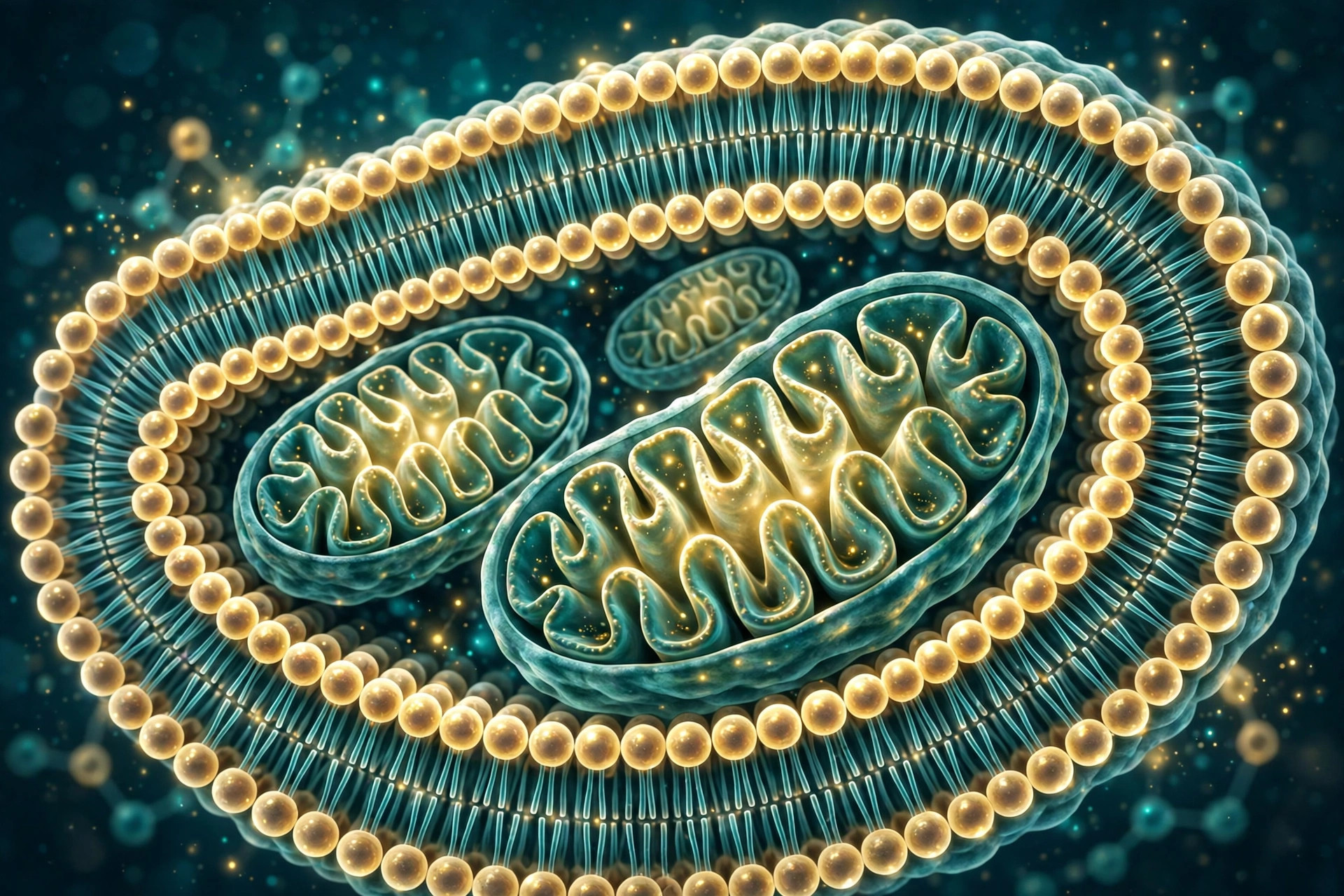
The “fat molecule driving cellular aging”: phosphatidylcholine and your mitochondria
An April 2026 study found age-related decline in phosphatidylcholine synthesis fragments mitochondrial networks — and restoring it rebuilt youthful mitochondria in worms and human cells. No human interventional trial yet.
Read article →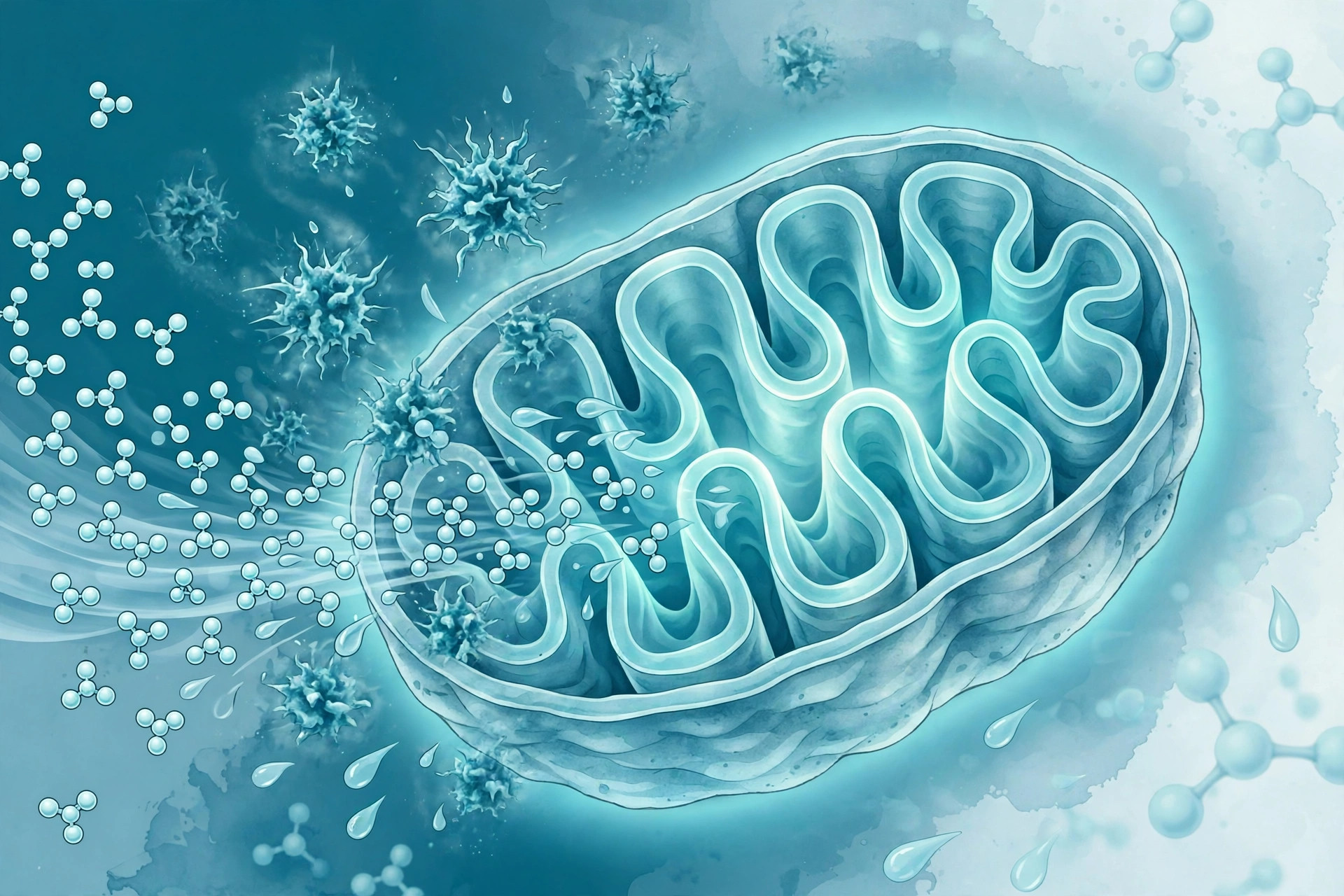
Hydrogen watch: a new review maps H2's mitochondrial mechanisms
A Frontiers in Pharmacology review synthesizes how molecular hydrogen interacts with mitochondria — Nrf2/HO-1, fission/fusion balance, mitophagy — while human evidence stays early.
Read article →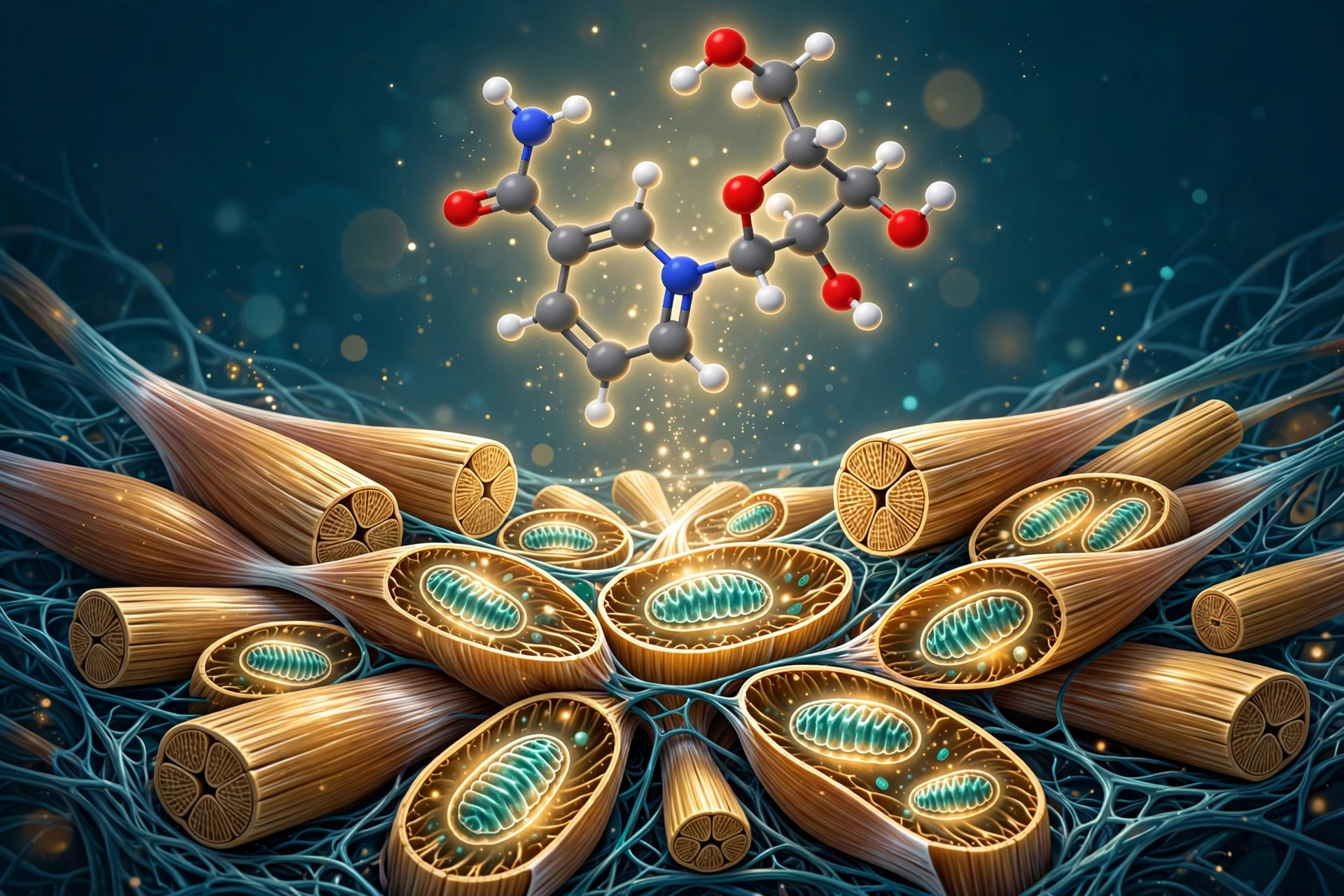
First human signal: an NAD-boosting molecule treats mitochondrial DNA disease
In an 8-patient Cambridge trial, high-dose oral nicotinamide riboside improved muscle mitochondrial markers — but only in patients with single mtDNA deletions, not the common m.3243 variant.
Read article →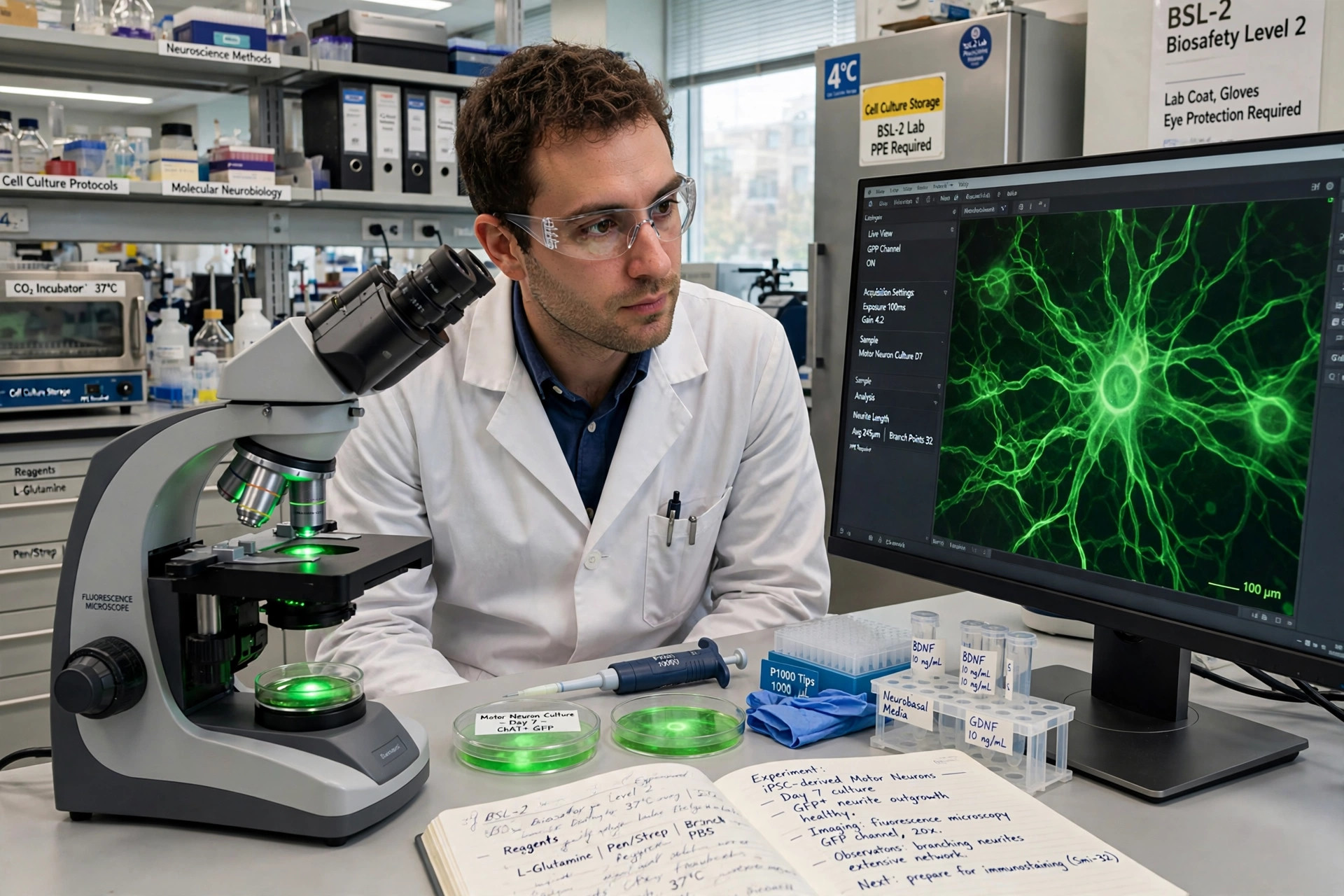
MA-5 boosts mitochondrial energy in ALS models — human trials still ahead
A Tohoku University team reports the synthetic molecule MA-5 increased ATP output and mitochondrial motility in patient-derived ALS motor neurons and improved movement in ALS-mutant fruit flies.
Read article →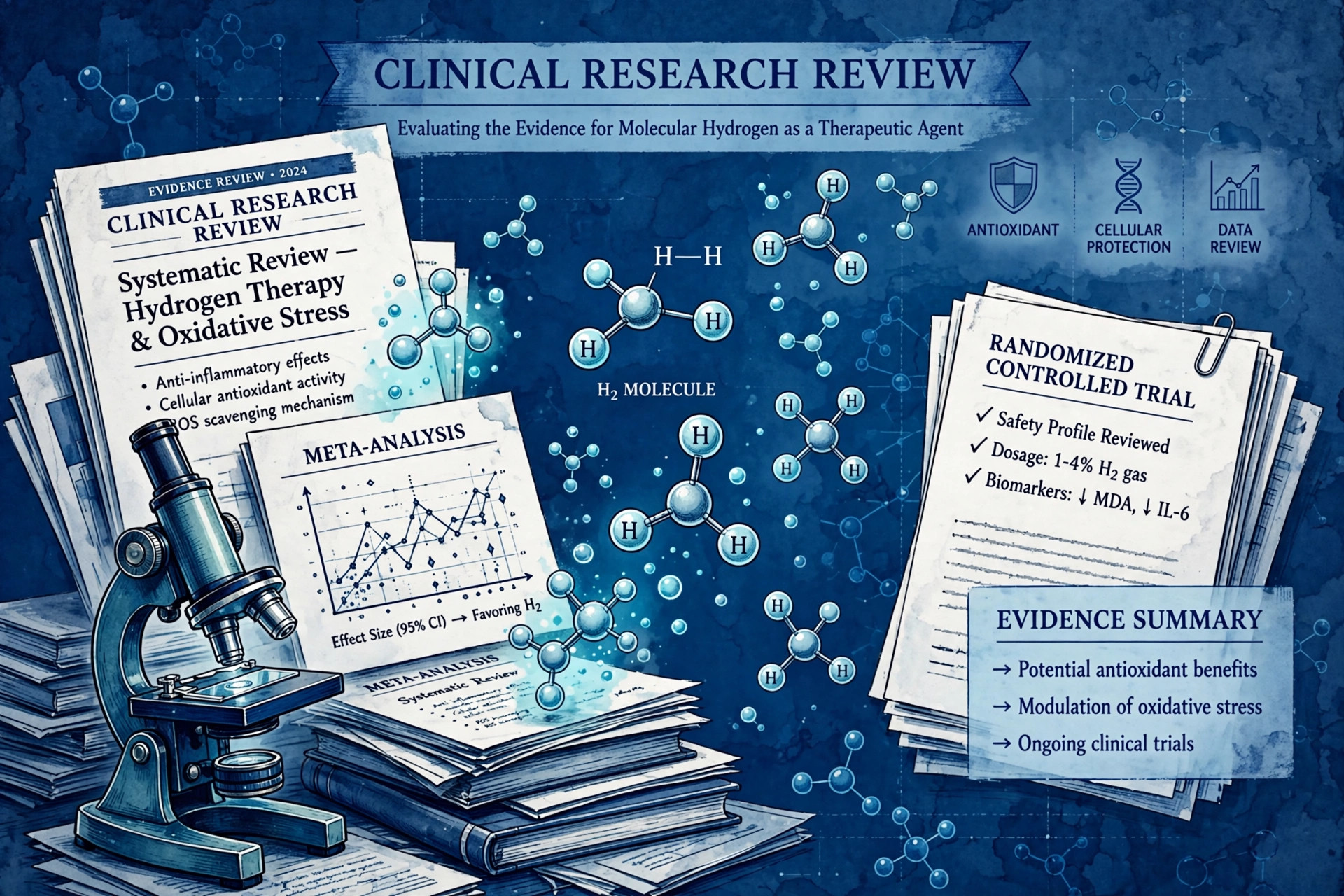
A 2026 clinical review maps what molecular hydrogen actually does to mitochondria
A new Frontiers in Pharmacology review summarizes clinical trials of molecular hydrogen: it reaches neuronal mitochondria, but the authors say large trials are inconsistent and mechanisms remain incompletely clarified.
Read article →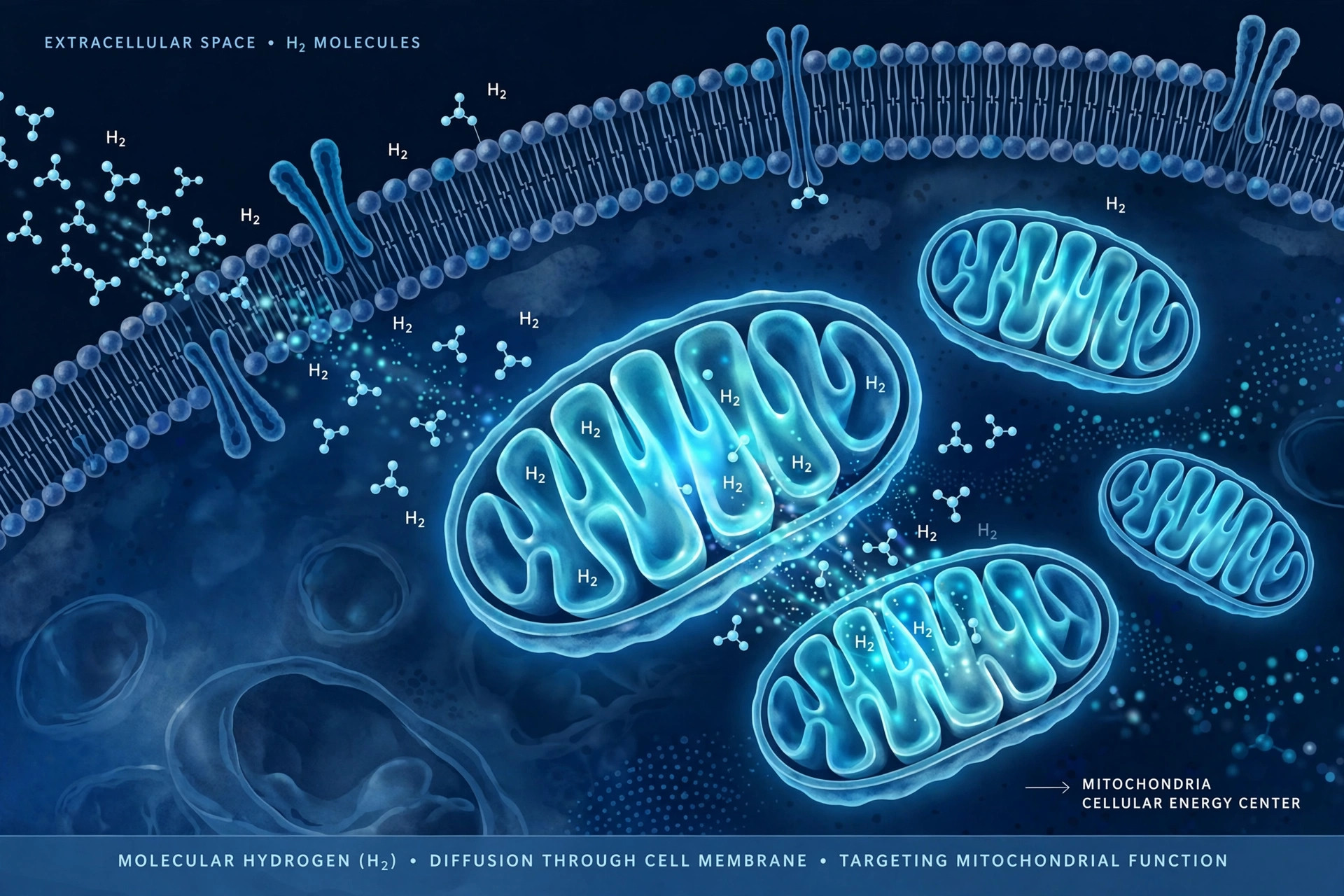
Hydrogen may finally have a mitochondrial target — and a new way to think about it
The Rieske iron-sulfur protein discovery gives hydrogen a candidate mitochondrial target; Dr. Jill Carnahan reframes it as 'mitochondrial signal conditioning' — while China approves a hydrogen inhalation device.
Read article →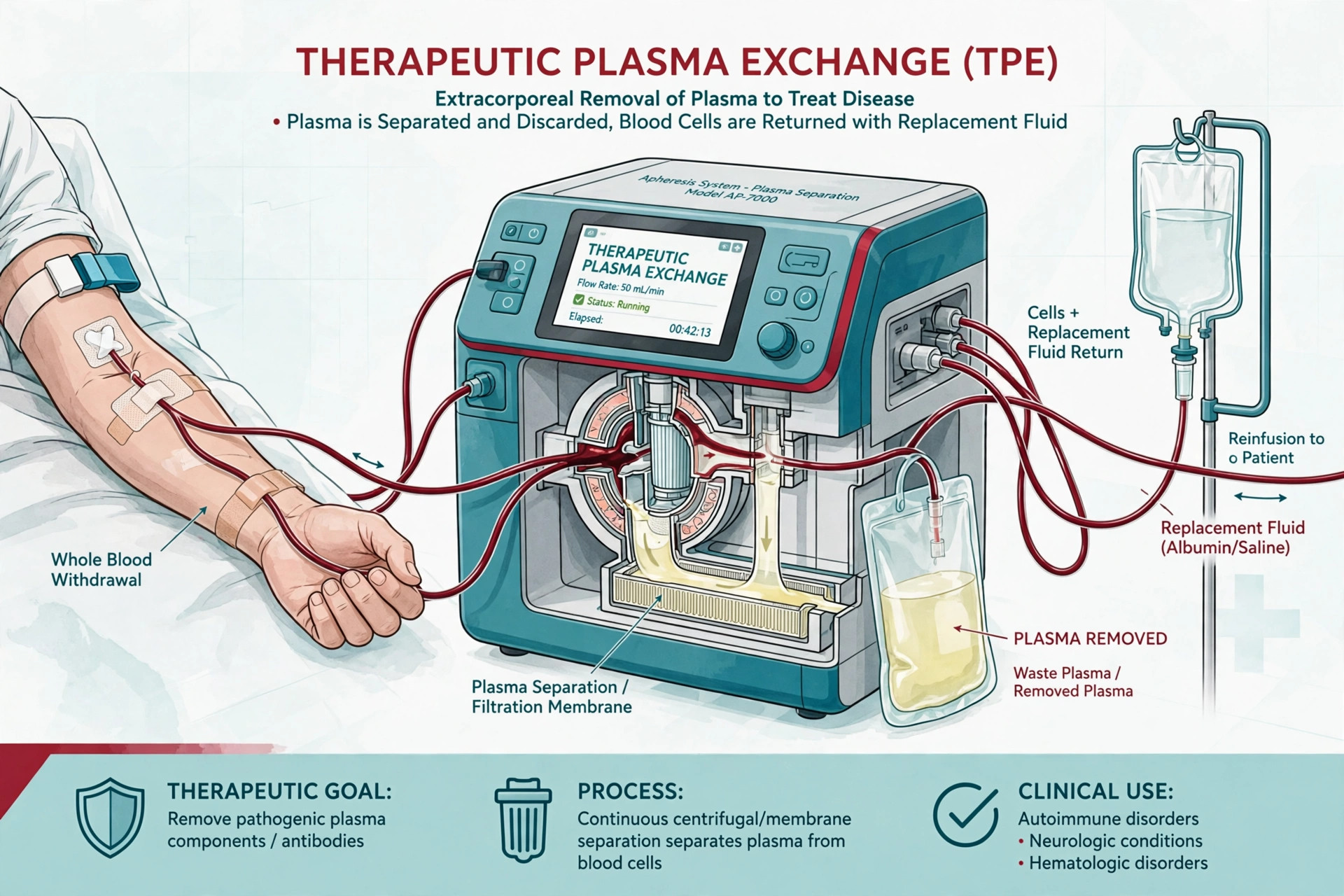
Therapeutic plasma exchange and mitochondrial health
Evidence, mechanisms, risks and limits of therapeutic plasma exchange for mitochondrial and healthy-aging claims.
Read article →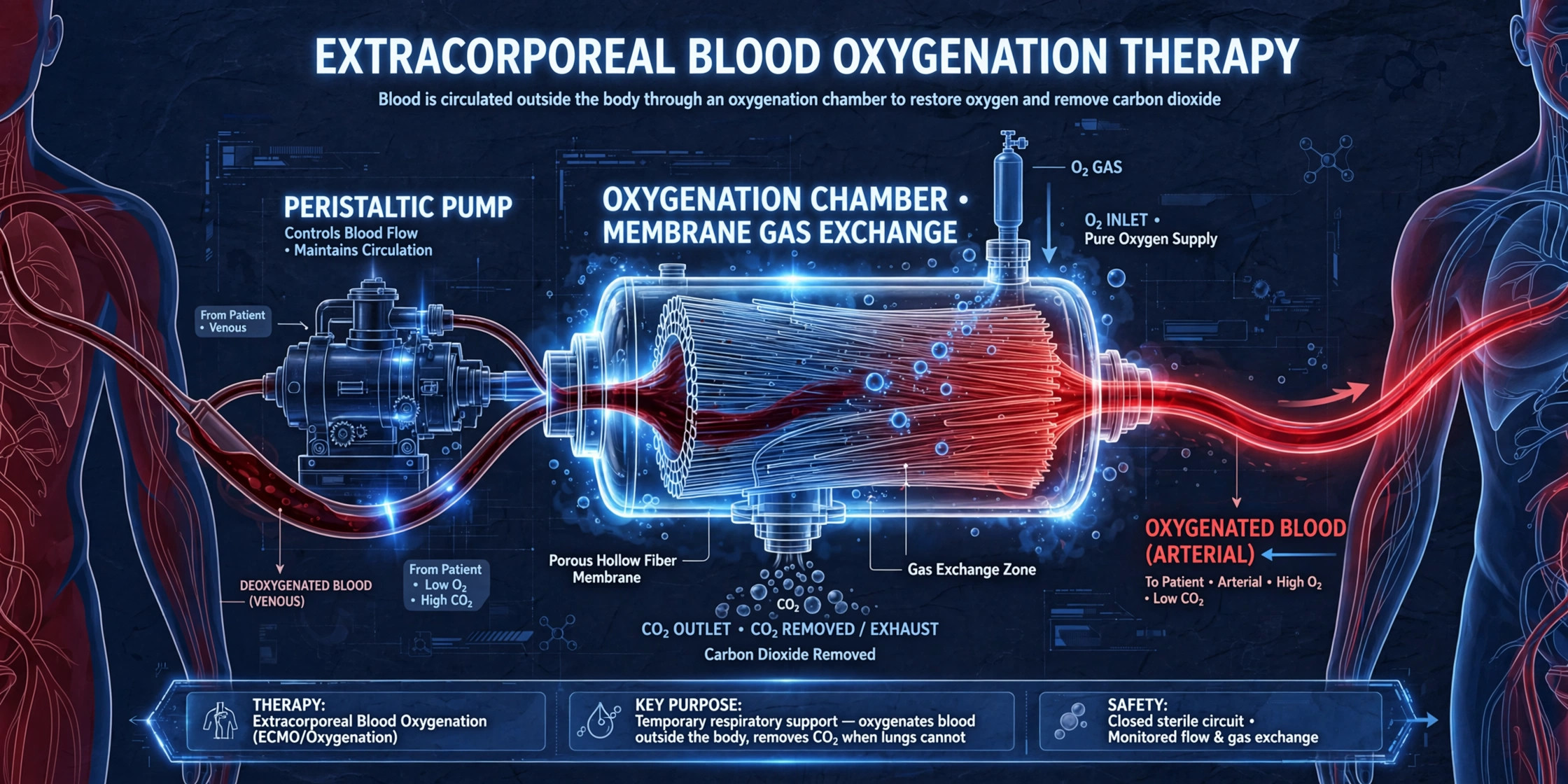
EBOO and mitochondrial health: evidence review
An evidence-first review of extracorporeal blood oxygenation and ozonation, mitochondrial claims and clinical risks.
Read article →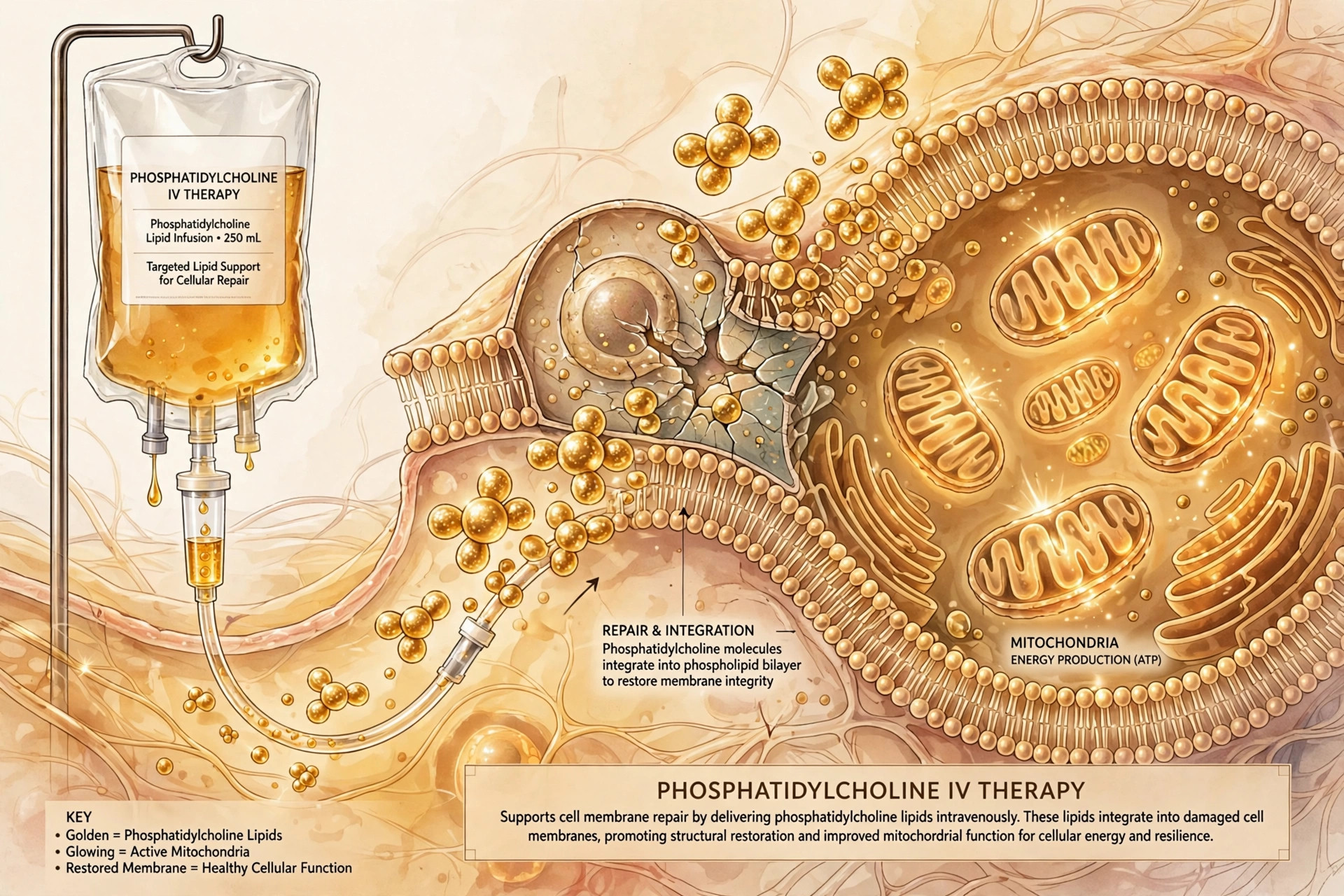
Plaquex and mitochondrial health: evidence review
What membrane biology does—and does not—show about intravenous phosphatidylcholine and mitochondrial function.
Read article →
Molecular hydrogen inhalation and mitochondria
Human evidence, proposed mitochondrial mechanisms, device claims, safety and regulatory status for molecular hydrogen inhalation.
Read article →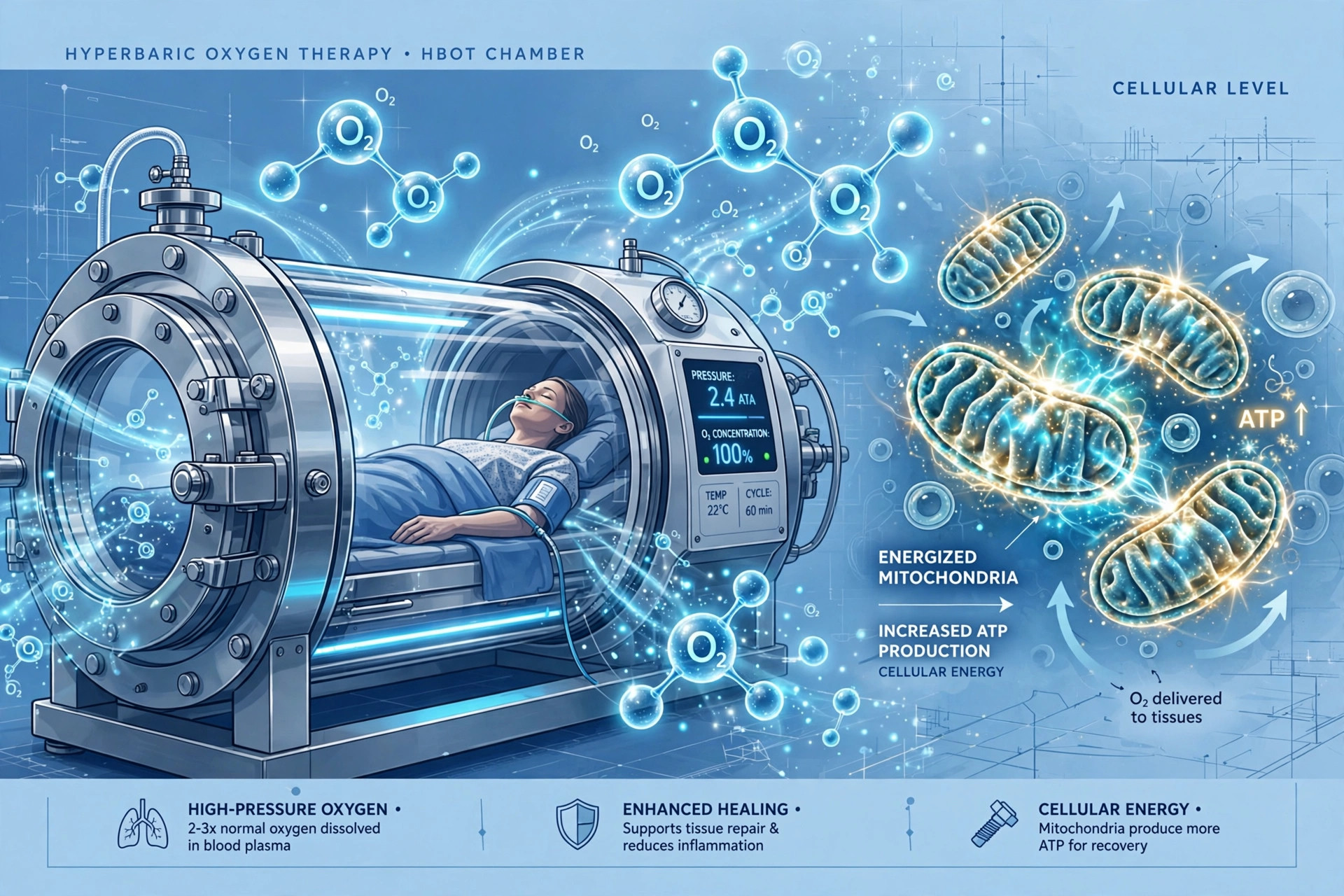
Hyperbaric oxygen therapy and mitochondria
A condition-specific review of hyperbaric oxygen, mitochondrial signaling, motor-control evidence, safety and regulation.
Read article →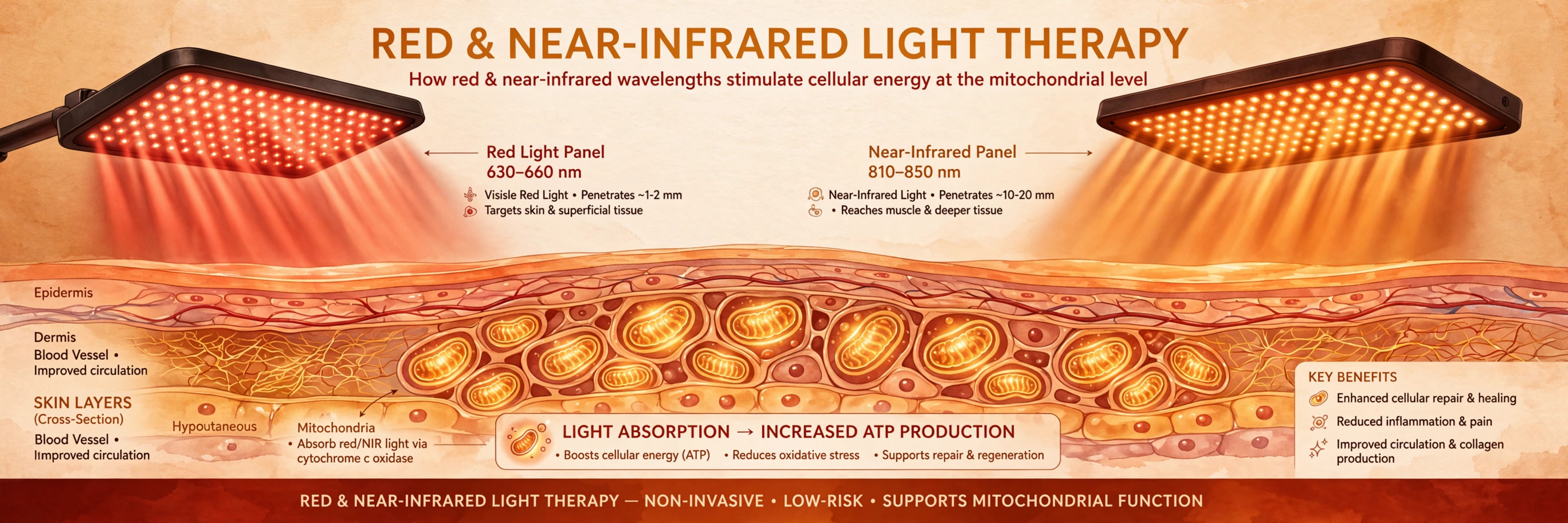
Red, near-infrared and far-infrared therapy
What photobiomodulation and far-infrared heat evidence shows about mitochondria, performance, safety and device claims.
Read article →
Pulsetto review: vagus stimulation and mitochondria
Device-specific evidence, mitochondrial claims, regulation, safety and conflicts for the Pulsetto wellness device.
Read article →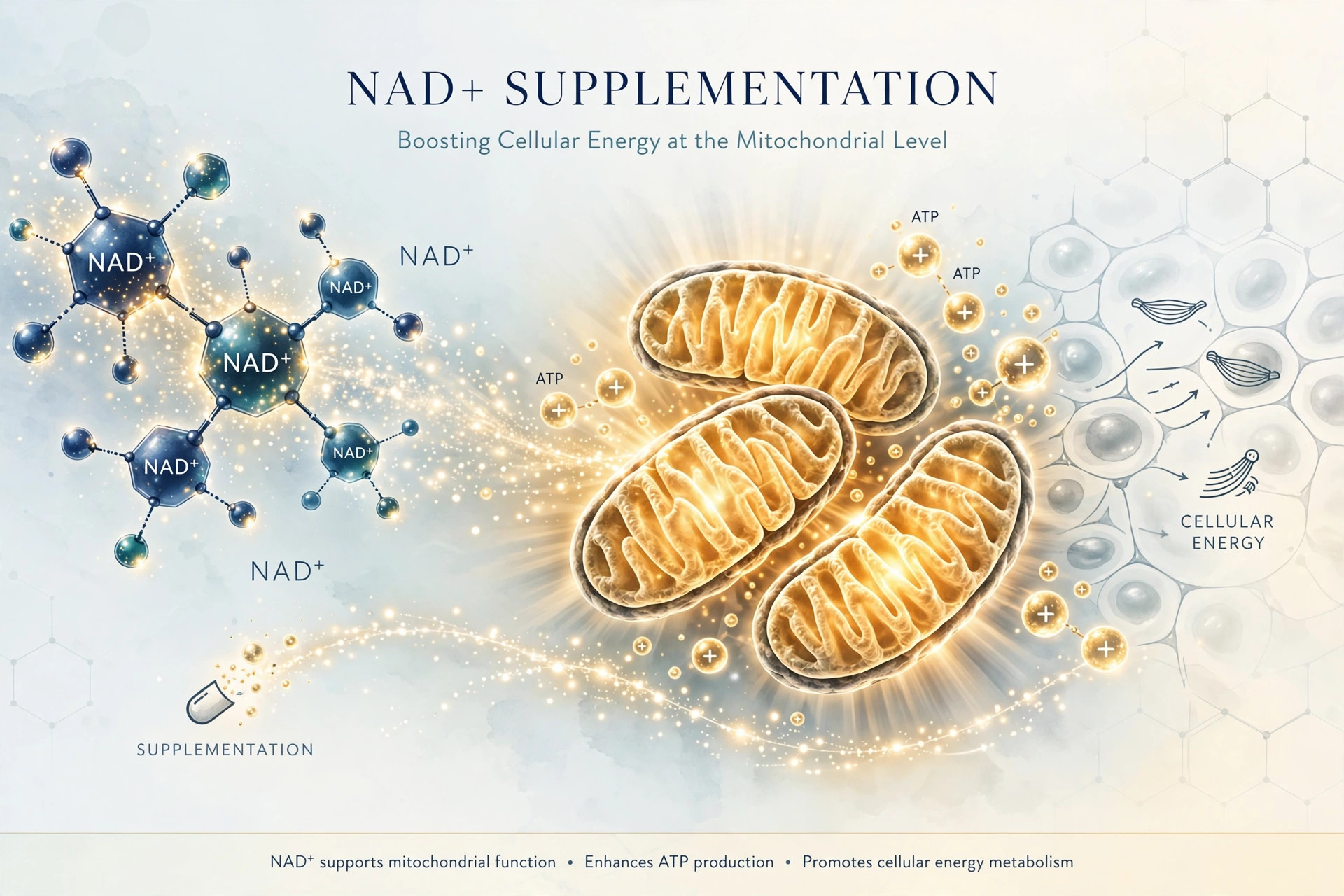
NAD+ supplementation: what the evidence actually shows
Oral, liposomal, IV and injected NAD+ assessed against human mitochondrial endpoints—not blood biomarkers alone.
Read article →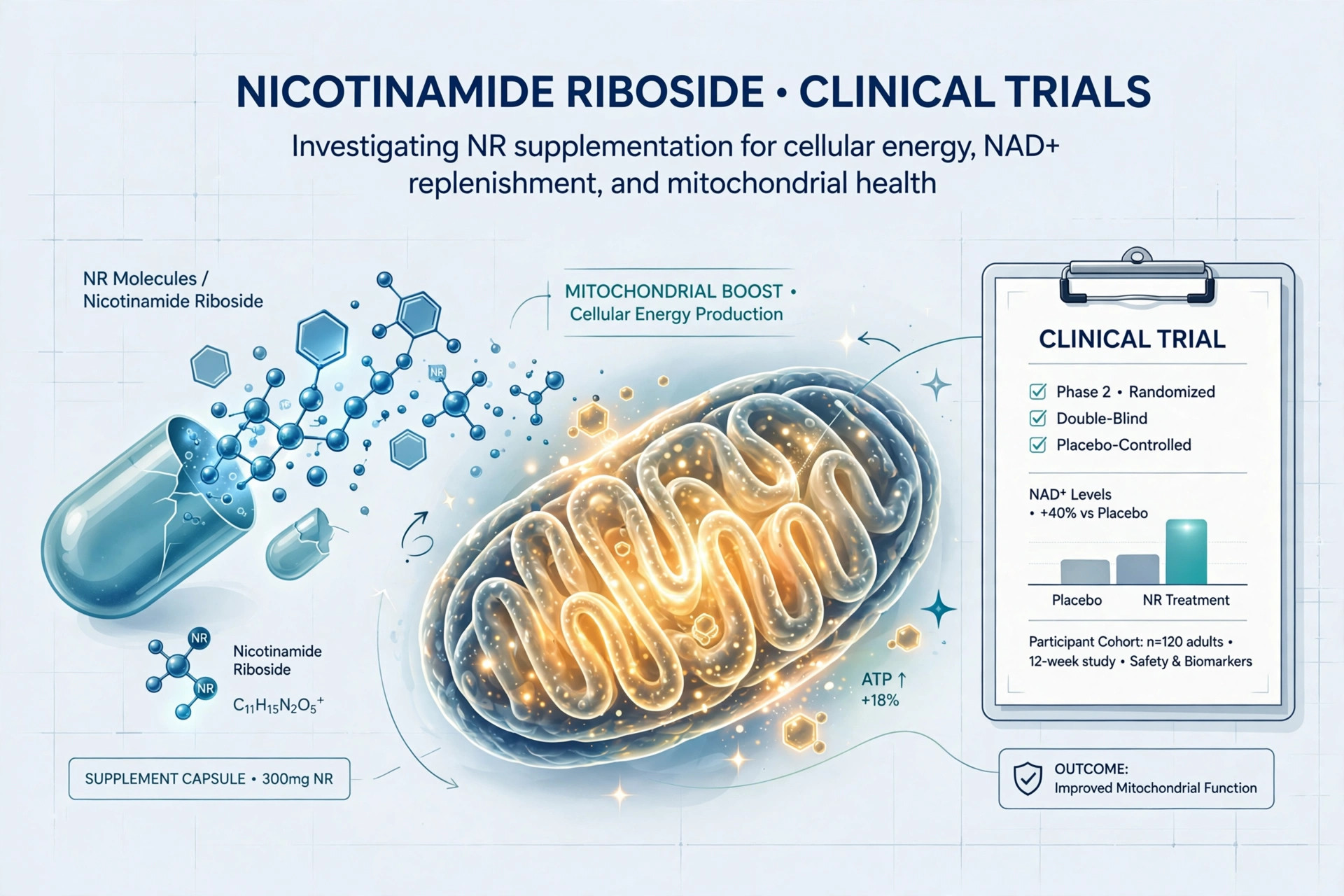
NR (nicotinamide riboside): the human trial record
Dose-response, muscle, metabolic, cardiovascular and brain outcomes—separated from mitochondrial marketing.
Read article →
Methylene Blue: Oral vs. IV — What the Evidence Actually Shows
Methylene blue’s mitochondrial mechanism is unusually well-mapped, but human evidence is thin outside methemoglobinemia and one bipolar trial. Oral vs. IV uses, safety, and evidence grades.
Read article →