
Six weeks of heavy alcohol rewired the heart's mitochondrial RNA machinery — in rats
·Tip: press play, then lock your phone or switch apps — the article keeps reading.
Alcohol-associated cardiomyopathy — a stretched, weakened heart muscle after years of heavy drinking — is one of the most common non-ischemic causes of heart failure, and damage to mitochondria inside heart-muscle cells is a known part of how it develops. A transcriptomic study in Frontiers in Cardiovascular Medicine (2026) mapped the wider gene-activity changes alcohol produces in the heart, and the mitochondrial signal was among the strongest in the data.
How was the study done?
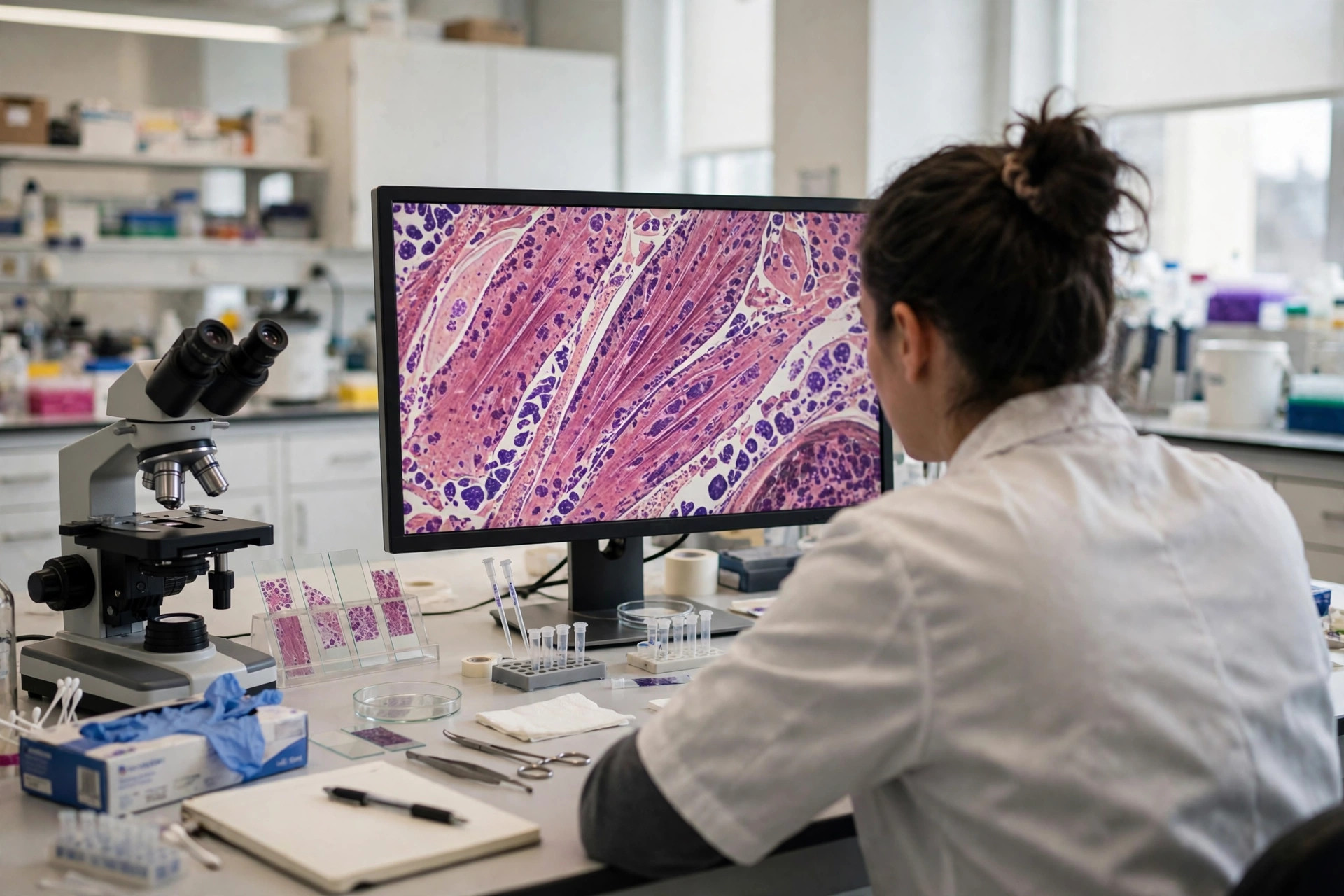
Male Wistar rats were fed a standard laboratory alcohol model — a liquid diet containing 6.7% ethanol — or a calorie-matched control diet for six weeks. The researchers then sequenced RNA from the left ventricle, the heart's main pumping chamber, and compared which genes were more or less active in the alcohol-fed animals.
What changed in the heart's gene activity?
The alcohol-fed hearts showed 194 upregulated and 199 downregulated genes. Among the most strongly upregulated pathways were mitochondrial RNA degradation and tRNA processing inside mitochondria, involving mitochondrially encoded genes such as Mt-co1, Mt-co3, and several Mt-nd genes — core parts of the energy-producing respiratory chain. The authors read this as a sign that chronic alcohol disrupts how heart cells handle mitochondrial RNA, a potential mechanism behind alcohol-related mitochondrial dysfunction. At the same time, circadian-clock genes (including Bmal1 and Per genes) and interferon immune signaling were dialed down, and inflammation-related pathways were turned up.
What can — and can't — this tell drinkers?
This is a rat study using a controlled, heavy-exposure diet; it cannot say what any particular pattern of human drinking does to a human heart, and gene-activity changes are not the same as measured organ damage. What it does add is mechanistic texture to something cardiology already knows: sustained heavy alcohol intake injures the heart, mitochondrial injury is one of the routes, and abstinence remains the single most important step for people with alcohol-associated cardiomyopathy. The specific mitochondrial-RNA angle is a research lead for understanding that injury, not a new screening test or treatment.
Where the evidence stands
- Established: Chronic heavy alcohol consumption is a leading cause of dilated cardiomyopathy, and mitochondrial dysfunction and chronic inflammation are recognized mechanisms of alcohol's harm to heart muscle.
- Preliminary: In rats fed 6.7% ethanol for six weeks, left-ventricle RNA sequencing found 194 up- and 199 down-regulated genes, with mitochondrial RNA degradation and tRNA-processing pathways upregulated and circadian and interferon pathways downregulated.
- Absent: Human heart-tissue confirmation of the mitochondrial-RNA mechanism, any biomarker or therapy derived from it, and dose-response data relevant to human drinking patterns.
Join the discussion
To get the conversation started: What questions does this story raise for you? Share them below — every comment is reviewed by our moderators before it appears.
Community discussion only — not medical advice. Every comment is reviewed by our moderators before it appears. Sign in with Google or a free Hyvor account to join in.