A food-poisoning bacterium's toxin attacks mitochondria in wounds — in lab and mouse models
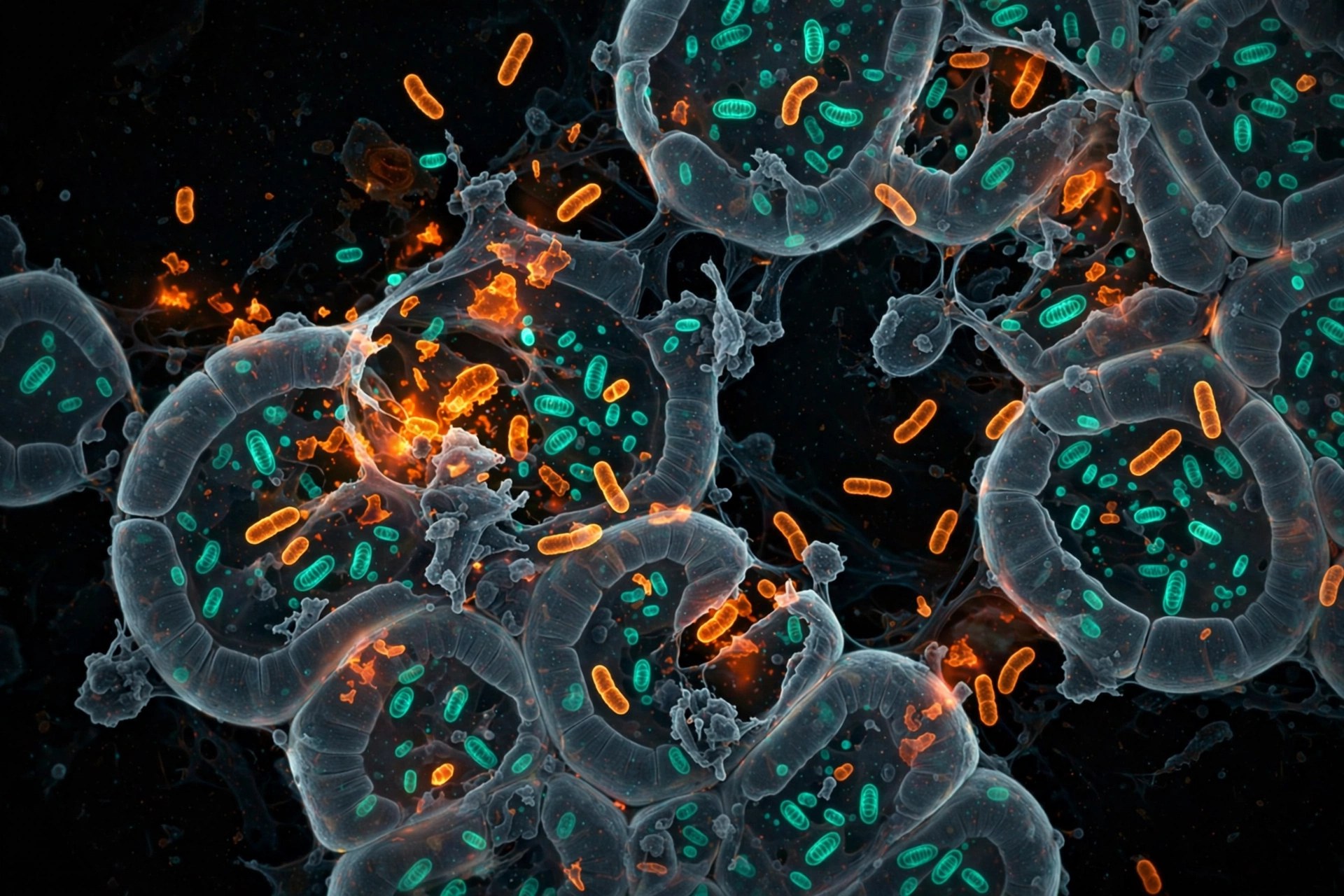
·Bacillus cereus is best known for spoiled rice and food poisoning. But the same bacterium can turn up in open wounds, and it hasn't been clear how much damage it does there. A new study from Umeå University pins down the mechanism: the toxin NheABC punches small holes in cell membranes and causes significant damage to mitochondria — the very organelles wound-healing tissue needs to power repair.
What the researchers found
Using artificial membranes, human cells grown in 2D and 3D, lab-grown intestinal organoids (“mini-guts”), advanced microscopy, and a mouse model of wound infection, the team showed that NheABC is particularly active in the pH conditions found in open wounds. Certain mitochondrial lipids — notably cardiolipin — enhanced the toxin's damaging effects, a detail that connects the finding to the growing cardiolipin literature in mitochondrial health. “Our findings strengthen the view that disease-causing bacteria within the B. cereus group detected in deep or infected wounds should not always be dismissed as harmless contamination,” said first author Abdelbasset Yabrag. The paper is published in Cell Communication and Signaling.
Why mitochondria matter here
Cells fighting infection and rebuilding tissue are energy-hungry; damaged mitochondria mean less ATP, more oxidative stress, and impaired recovery. The watchdog angle: bacteria that clinicians might wave off as contamination can be actively sabotaging the cell's power supply in a wound.
Where the evidence stands
- Established: B. cereus group bacteria are widespread (soil, dust, food) and cause food poisoning; the group also appears in wound infections.
- Preliminary: The toxin's mitochondrial damage was shown in organoids, artificial membranes, and a mouse wound model; direct evidence in human wounds is still missing.
- Absent: No therapy specifically targets the NheABC–mitochondria axis in wounds.