
Transplanting mitochondria could be medicine's future — but first, the field has to solve isolation
·Tip: press play, then lock your phone or switch apps — the article keeps reading.
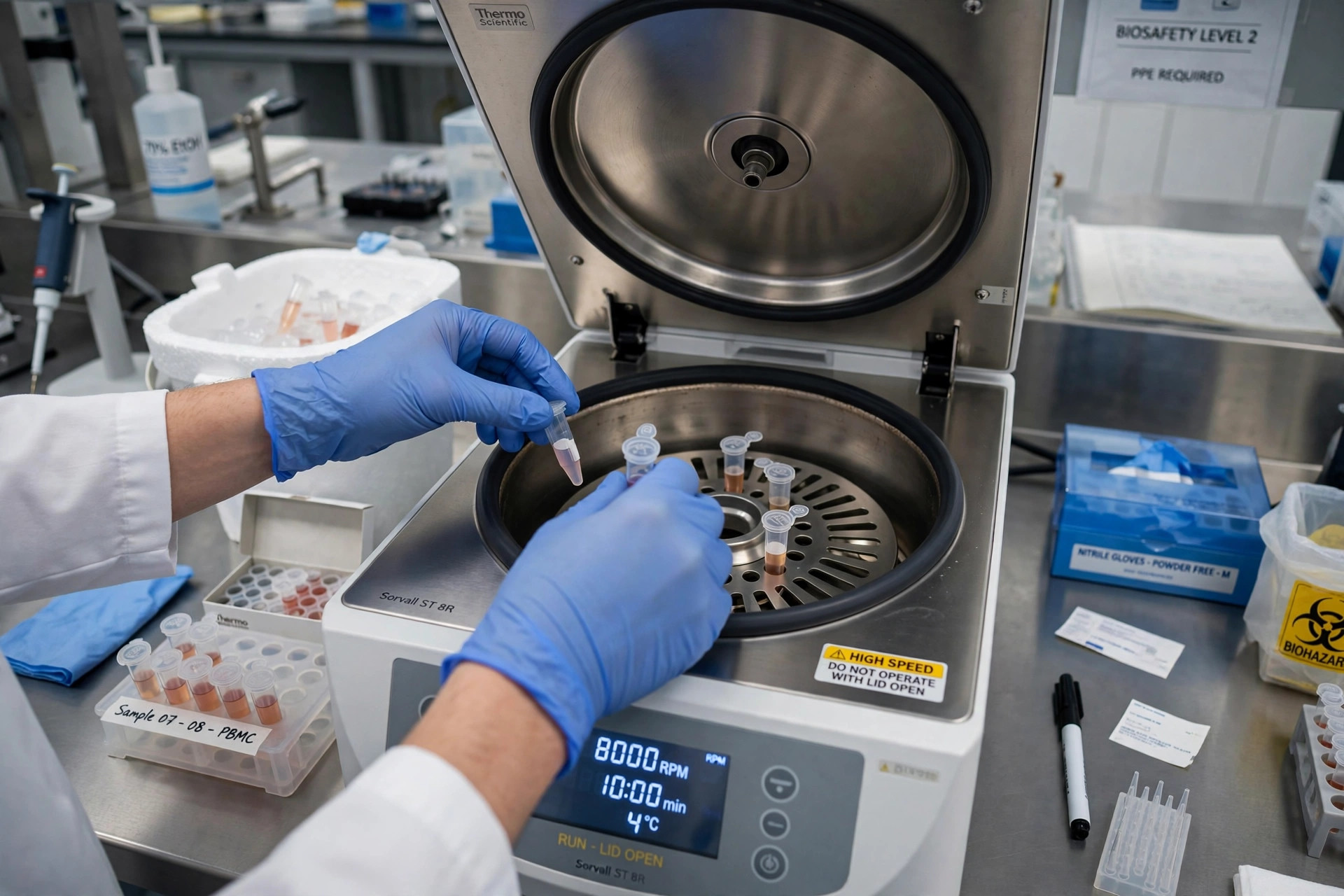
Mitochondrial transplantation — taking healthy mitochondria and delivering them into damaged tissue — is one of the boldest ideas in medicine. But a new review in Frontiers in Physiology argues the field is bottlenecked by something deeply unglamorous: the plumbing. Getting mitochondria out of donor tissue intact, keeping them alive through processing, and delivering them in working condition is a bioprocessing problem, and the authors say rethinking isolation is the prerequisite for any next-generation therapy built on transplanted organelles.
The unglamorous bottleneck
Simpson, Phan, and Acker of the University of Alberta frame isolation as a sequence of hazards: every step — tissue disruption, separation, purification, storage — risks oxidative injury to the very organelles being rescued, and damaged cargo undermines the therapy before it begins. Their review covers how current isolation methods handle (or mishandle) oxidative injury and stabilization, and where the process needs redesigning for therapeutic scale rather than bench convenience.
The timing is deliberate. Early human studies of mitochondrial transplantation are underway in several indications, and interest is spreading faster than the manufacturing science. The review's message to the field: don't mistake early clinical curiosity for readiness. If the cargo arrives half-dead, the biology never gets a fair test.
A filter for future claims
For readers watching the mitochondrial-transplantation space — and the watchers of it — this is a useful filter for future claims. Any program promising transplanted mitochondria should be able to answer the isolation question: how do they keep the organelles viable, and how do they prove it? The therapies with good answers will be the ones worth following; the ones waving the idea past the bioprocessing deserve the watchdog's attention.
Where the evidence stands
- Established: Mitochondrial transplantation has moved from concept toward early human studies; transplanted mitochondria must remain viable and functional to work at all.
- Preliminary: That improved isolation, oxidative-injury control, and stabilization protocols will translate into better therapeutic outcomes — the review's synthesis of bioprocessing evidence, not yet demonstrated across therapies.
- Absent: An approved mitochondrial-transplantation therapy; standardized isolation protocols across the field.
Join the discussion
To get the conversation started: What questions does this story raise for you? Share them below — every comment is reviewed by our moderators before it appears.
Community discussion only — not medical advice. Every comment is reviewed by our moderators before it appears. Sign in with Google or a free Hyvor account to join in.