Hyperbaric Oxygen Therapy
HBOT · pressurized oxygen · motor-control evidence is condition-specific and mostly off-label
Proposed mitochondrial + motor mechanisms
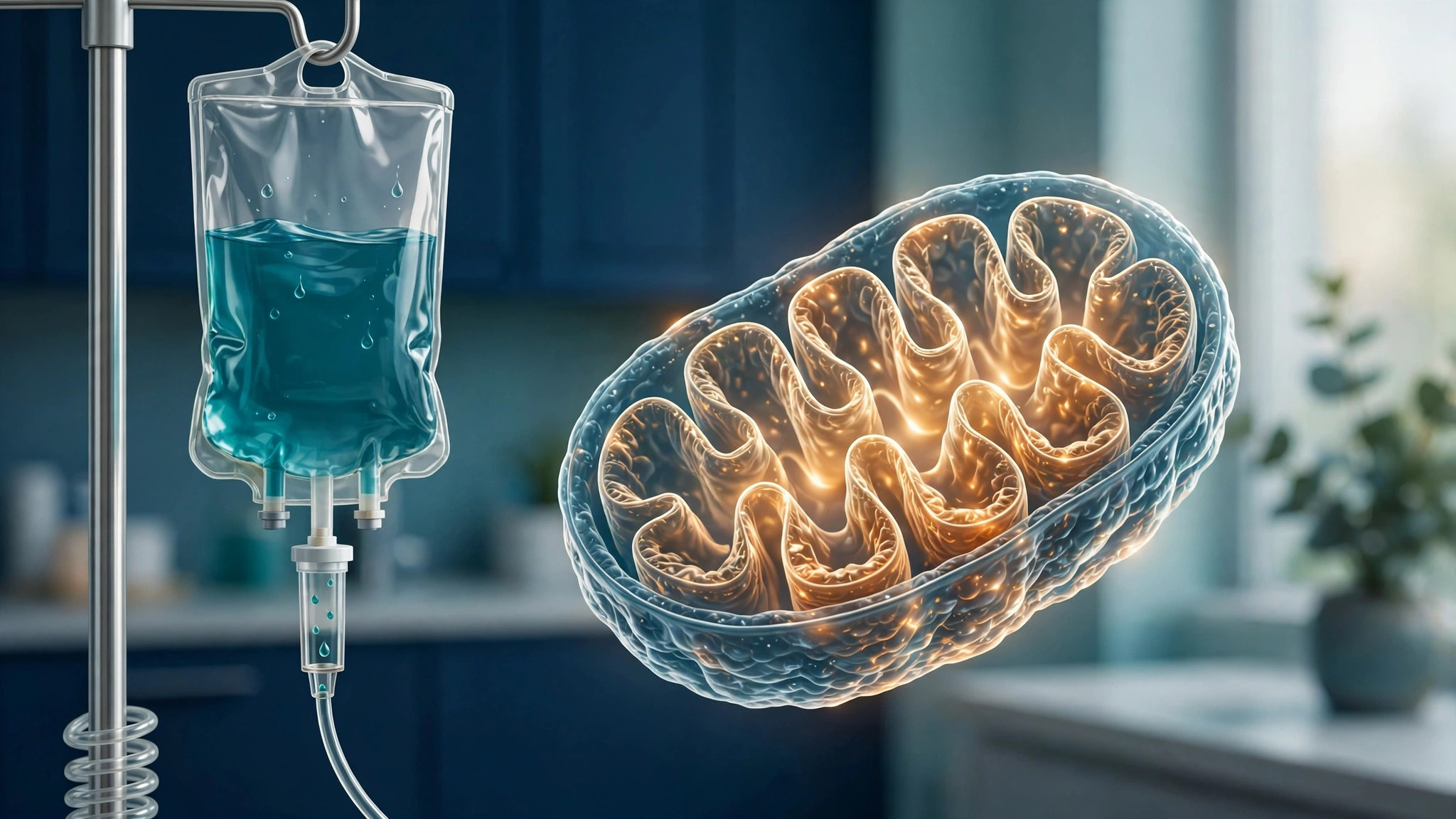
Clinical HBOT usually delivers 100% oxygen at 1.5–3.0 atmospheres absolute (ATA). Intermittent hyperoxia may trigger a relative-hypoxia signal between sessions, activating HIF-1α/VEGF pathways, while SIRT1–PGC-1α–TFAM signaling may support mitochondrial biogenesis. Animal and small human studies also report antioxidant, neuroinflammatory and neuroplasticity signals. These are plausible mechanisms—not proof of better motor control or durable mitochondrial repair in people.
Human evidence
A 2013 Israeli randomized crossover study in chronic stroke used 40 sessions at 2.0 ATA and reported neurologic, daily-function and SPECT improvements, but lacked a sham chamber. Parkinson’s meta-analyses covering 13–16 mostly Chinese studies report modest motor-score gains alongside sleep and cognition signals; protocol heterogeneity and variable study quality limit confidence. In healthy adults, a 1.4-ATA HIIT study increased muscle PPARGC1A expression without improving V̇O₂peak beyond exercise alone.
International research
Israel’s Shamir/Sagol group leads the human aging and stroke literature, including a 63-person older-adult RCT with a modest VO₂max gain after 60 sessions; several authors disclosed AVIV Scientific ties. China supplies much of the Parkinson’s evidence. Taiwan has contributed mouse-mechanism work, Belgium the pulsed-hyperoxia model, and Canadian reviews remain skeptical of sports-performance claims. Larger independent, multicenter and sham-controlled trials are still needed.
Limits · no hype
No human trial shows lifespan extension, healthy-aging reversal or improved motor performance in healthy people. Stroke, Parkinson’s and TBI findings cannot be generalized to wellness use. Biomarkers such as telomere length and mitochondrial-gene expression are surrogate outcomes. Dose matters: most positive clinical studies used roughly 2.0–2.5 ATA; low-pressure wellness chambers around 1.3 ATA should not inherit those claims.
Safety + regulatory status
HBOT has recognized medical uses including decompression sickness, carbon-monoxide poisoning, selected problem wounds and delayed radiation injury; aging, stroke recovery, Parkinson’s and athletic recovery are not FDA-cleared indications. Untreated pneumothorax is an absolute contraindication. Risks include ear or sinus barotrauma, temporary vision change, oxygen-toxicity seizure, lung injury and fire in oxygen-enriched settings. Accredited medical facilities and clinical screening matter.
Marketplace check · One Hype
OneHypeWellness ↗ is a commercial manufacturer/seller offering One Hyperbaric “smart” chambers. Its site does not publish operating pressure in ATA, so whether trial dosing applies cannot be determined. Claims including “world’s only smart chamber,” “reverse cellular aging” and “1500% more oxygen” were not backed by peer-reviewed trials of its specific devices in our review. The site documents what the company offers and claims; it is not efficacy evidence.