Molecular Hydrogen Inhalation
Featuring InhaleH2 · consumer and clinic device · no documented FDA clearance
What it is + proposed mitochondrial link
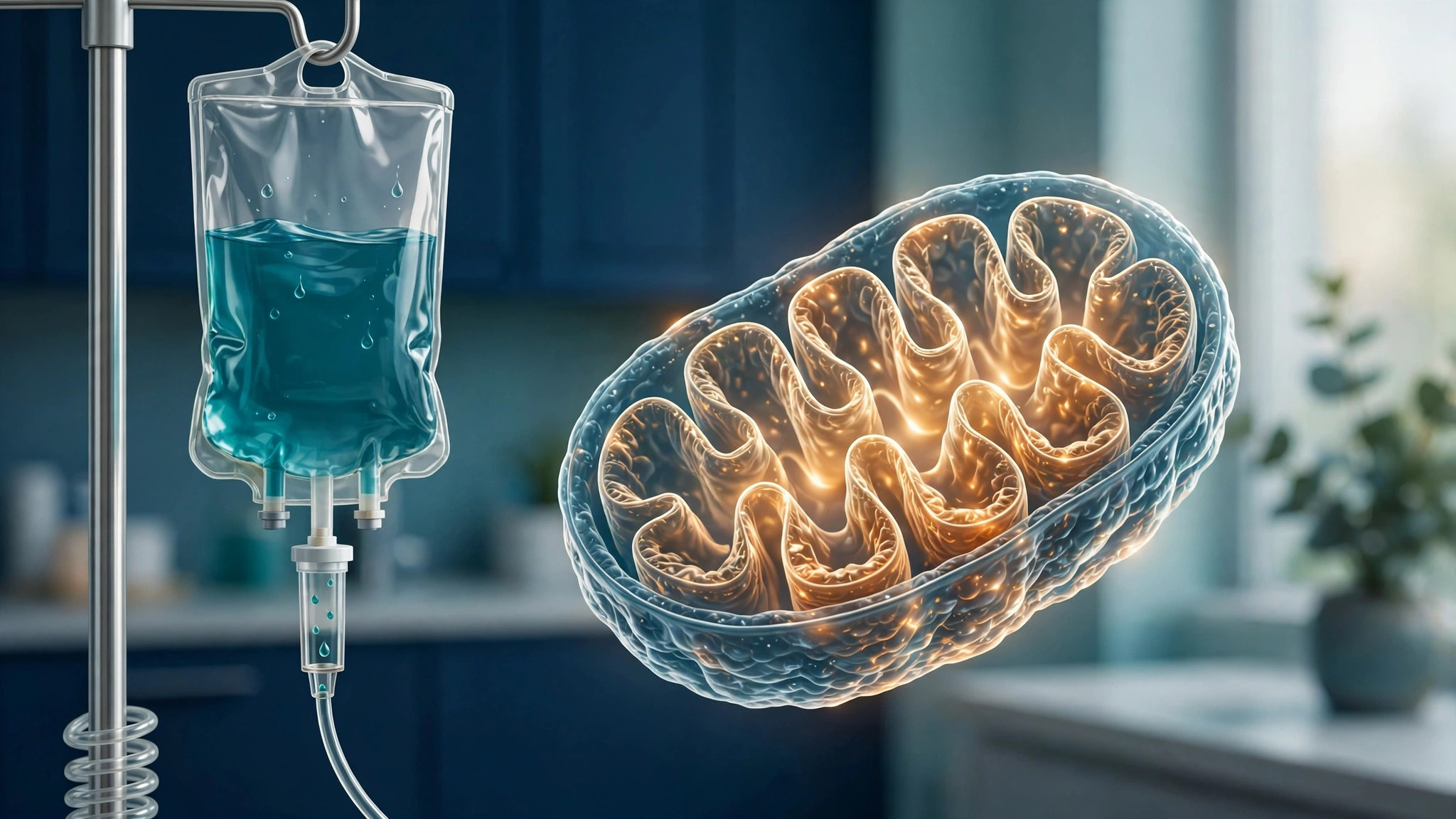
Molecular hydrogen (H2) is inhaled as a low-concentration gas mixture. The field began with a 2007 Japanese study showing selective reduction of highly cytotoxic hydroxyl radicals while sparing signaling oxidants; peroxynitrite reduction is also proposed. Preclinical work reports stabilization of mitochondrial membrane potential, improved ATP handling, mitophagy, and Nrf2/ARE antioxidant signaling. A single 2025 study proposed a different model: H2 transiently suppresses complex III through its Rieske iron-sulfur protein, triggering a protective mitochondrial unfolded-protein response. That hormesis hypothesis is new, preclinical and not yet independently established.
LeBaron, Tarnava + the device
Tyler W. LeBaron, PhD—not an MD—is founder of the nonprofit Molecular Hydrogen Institute, holds a PhD in animal physiology, and co-authored the 2025 Rieske paper. He is also InhaleH2’s Chief Scientific Officer, a commercial conflict that belongs beside his scientific claims. Co-inventor Alex Tarnava is an entrepreneur, hydrogen-tablet inventor and manufacturer who describes himself as having no formal scientific training. Their $6,499 InhaleH2 uses SPE-PEM water electrolysis with platinum-coated titanium electrodes. The company claims 99.99% H2 purity; a dial/app sets inspired H2 from 0–4% in 11.6–12 L/min airflow through a one-way mask and reservoir bag. It is sold direct to consumers in 110V and 220V versions and through clinic channels. “Third-party tested” is claimed, but no report or certifying body was located.
Human evidence, safety + status
Human results are small and mixed. In Japan, the underpowered HYBRID II cardiac-arrest trial missed its primary neurological endpoint but favored H2 on secondary survival measures; Parkinson’s moved from a positive 2013 water pilot to a larger 2018 multicenter null trial and a null 2021 inhalation pilot. A Chinese multicenter COPD trial improved symptom scores but not lung function, blood gases or oxygen saturation. A South Korean radiotherapy study (Kang et al., 2011; n=49) used oral hydrogen-rich water—not inhalation—and improved quality of life, not tumor response; it does not validate this device or delivery route. Trials report no H2-attributed serious adverse events, but dedicated human safety trials and long-term data are absent. Hydrogen’s lower flammability limit in air is 4%; the device is engineered not to exceed 4%, making handling and ventilation consequential. No FDA approval exists for H2 therapy, and no clearance for this device was found. Japan’s “Advanced Medical Care B” use is a trial designation, not full approval. There are no human longevity trials.