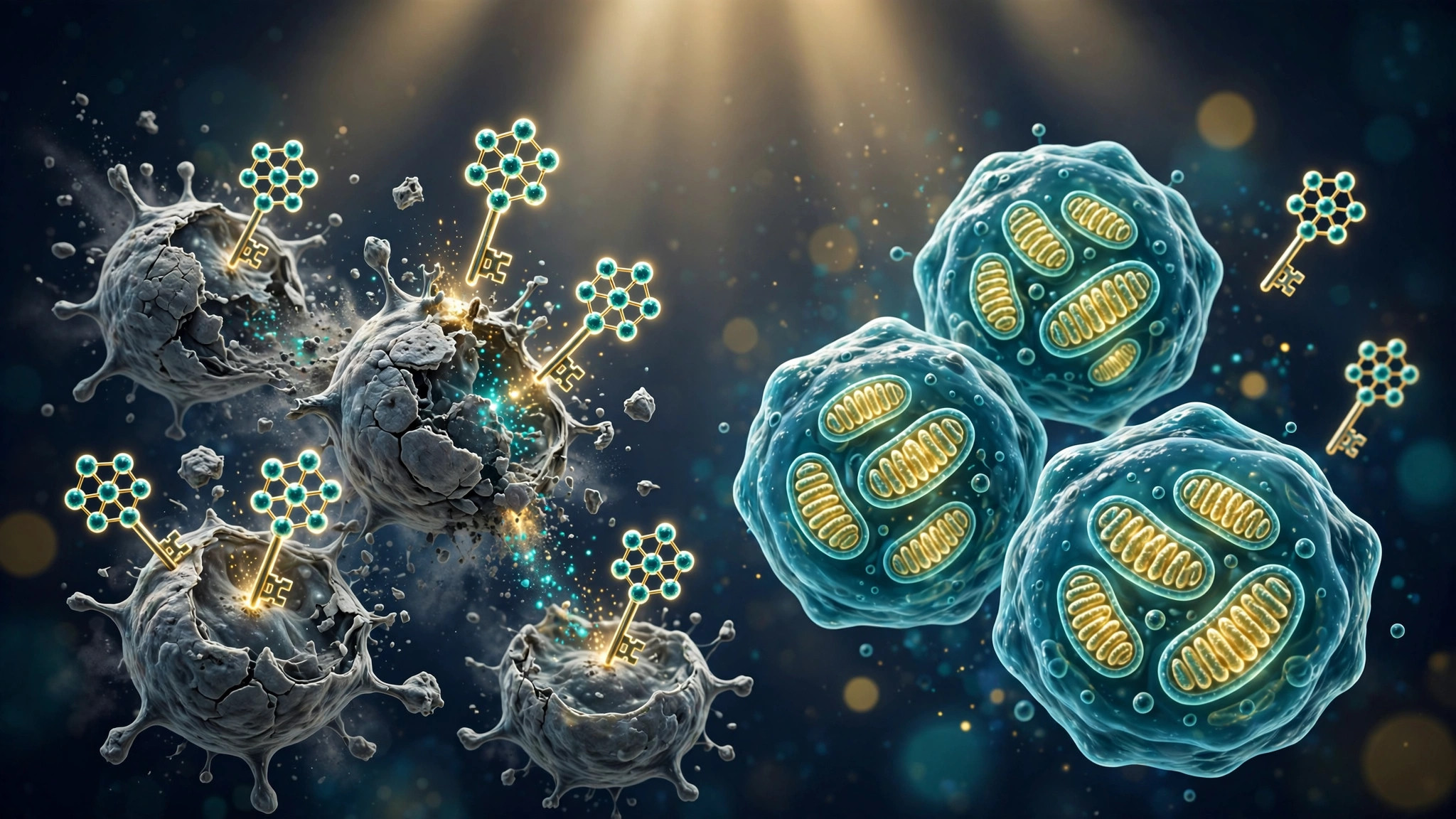
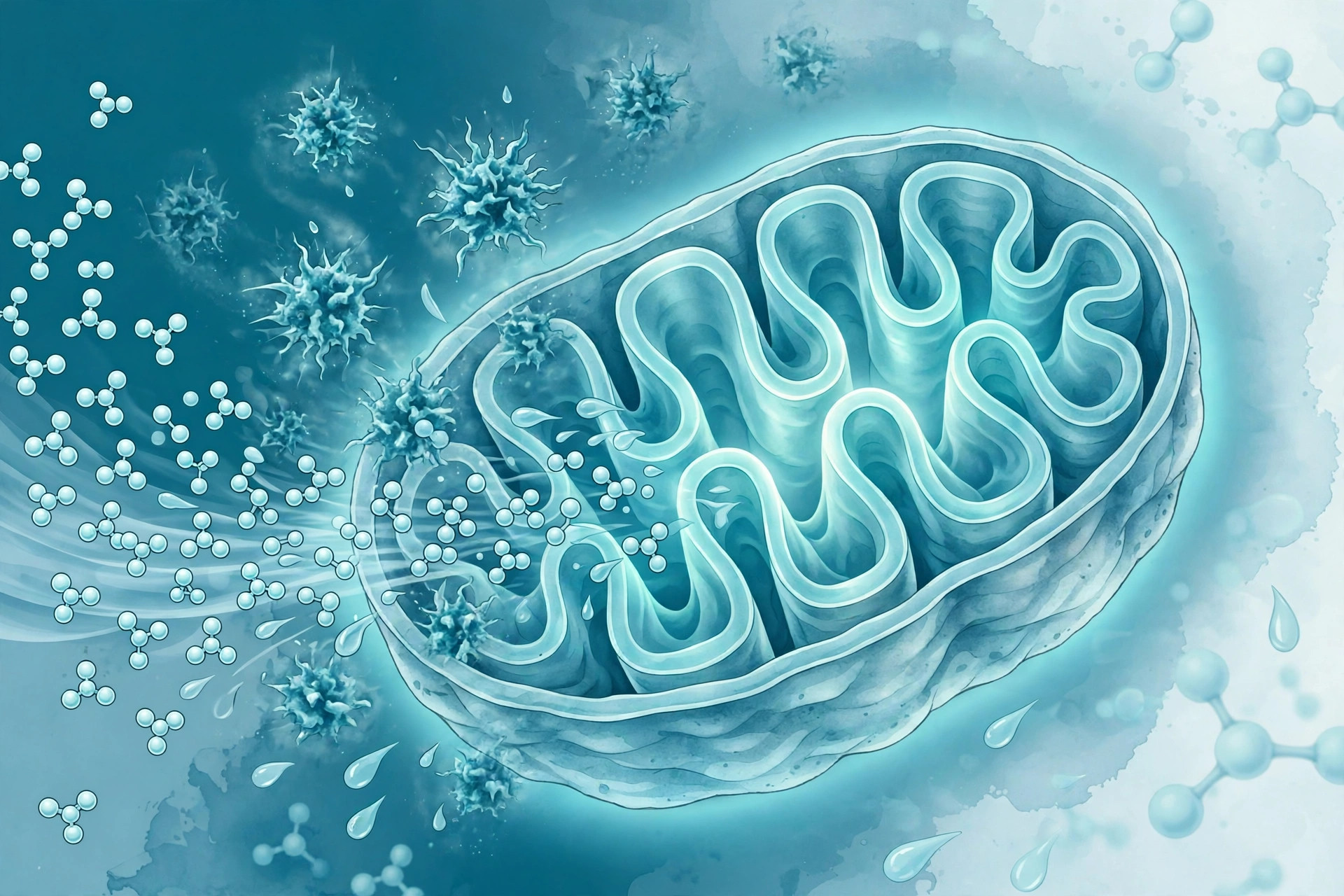
Copper is essential in small amounts and lethal in excess. A study in Molecular Cancer published October 24, 2026 (Bachmann, Eichhoff and colleagues) argues that cuproptosis — copper-dependent cell death — is not one program but two: a canonical route that requires the mitochondrial enzyme FDX1 (elesclomol) and a newly defined non-canonical route that proceeds without FDX1 (neocuproine, via the copper chaperone ATOX1). Both converge early on oligomerization of lipoylated mitochondrial proteins such as DLAT, then on loss of iron-sulfur proteins, respiratory-chain dysfunction and mitochondrial collapse.
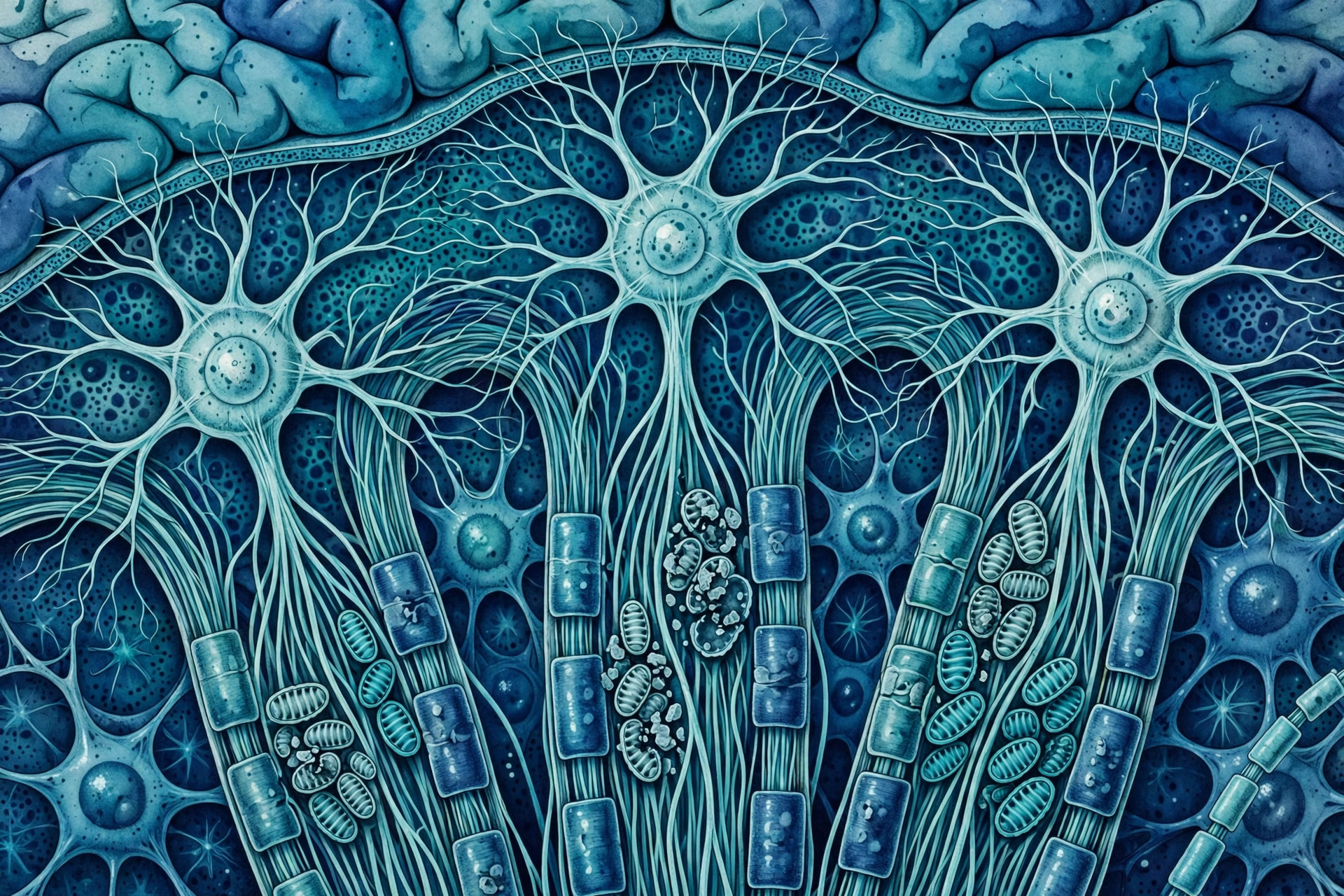
Cavernous nerve injury is a leading cause of erectile dysfunction after pelvic surgery, and no therapy treats its cause. A Cell & Bioscience study published October 24, 2026 (Sun, Chen, Liang and colleagues, Sun Yat-sen University) built mitochondria-transferred macrophages (MTM) with an enhanced reparative M2 phenotype. In a rat model of bilateral cavernous nerve injury, MTM treatment restored erectile function, preserved tissue structure, and promoted myelination and axonal regeneration — because the macrophages handed their mitochondria to Schwann cells, raising acetyl-CoA, enriching H3K27ac at the FDFT1 promoter, and switching on cholesterol biosynthesis needed for myelin.
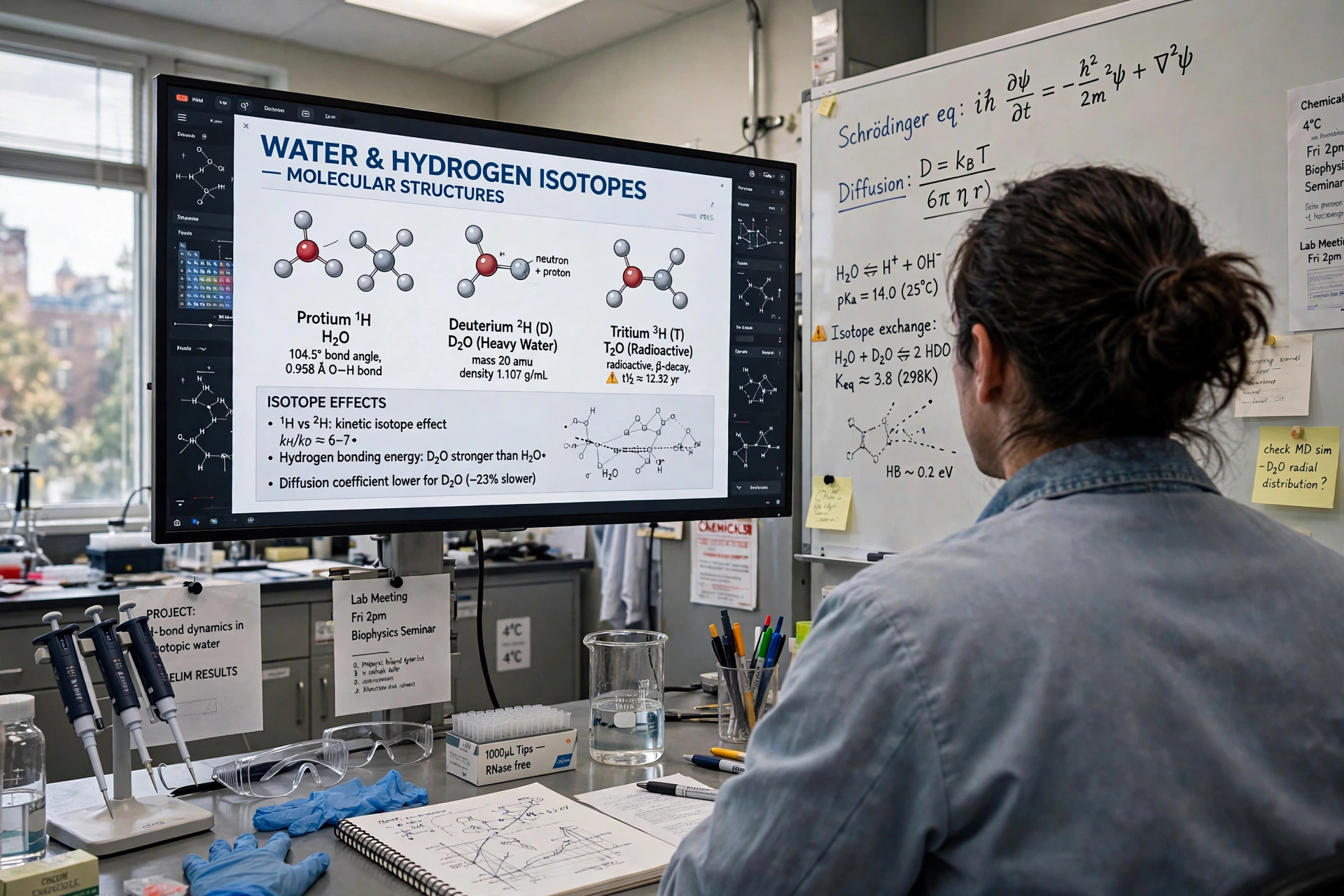
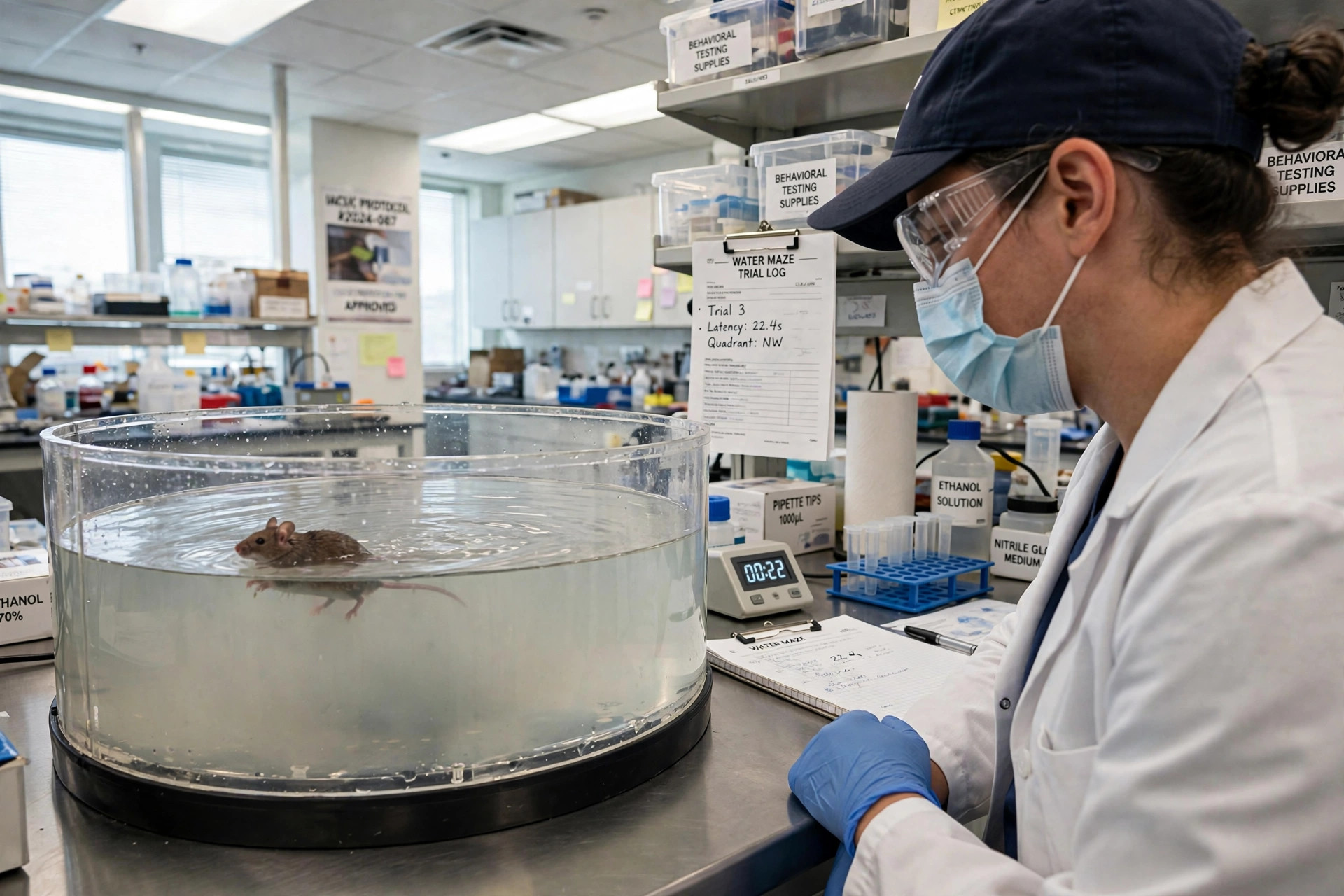
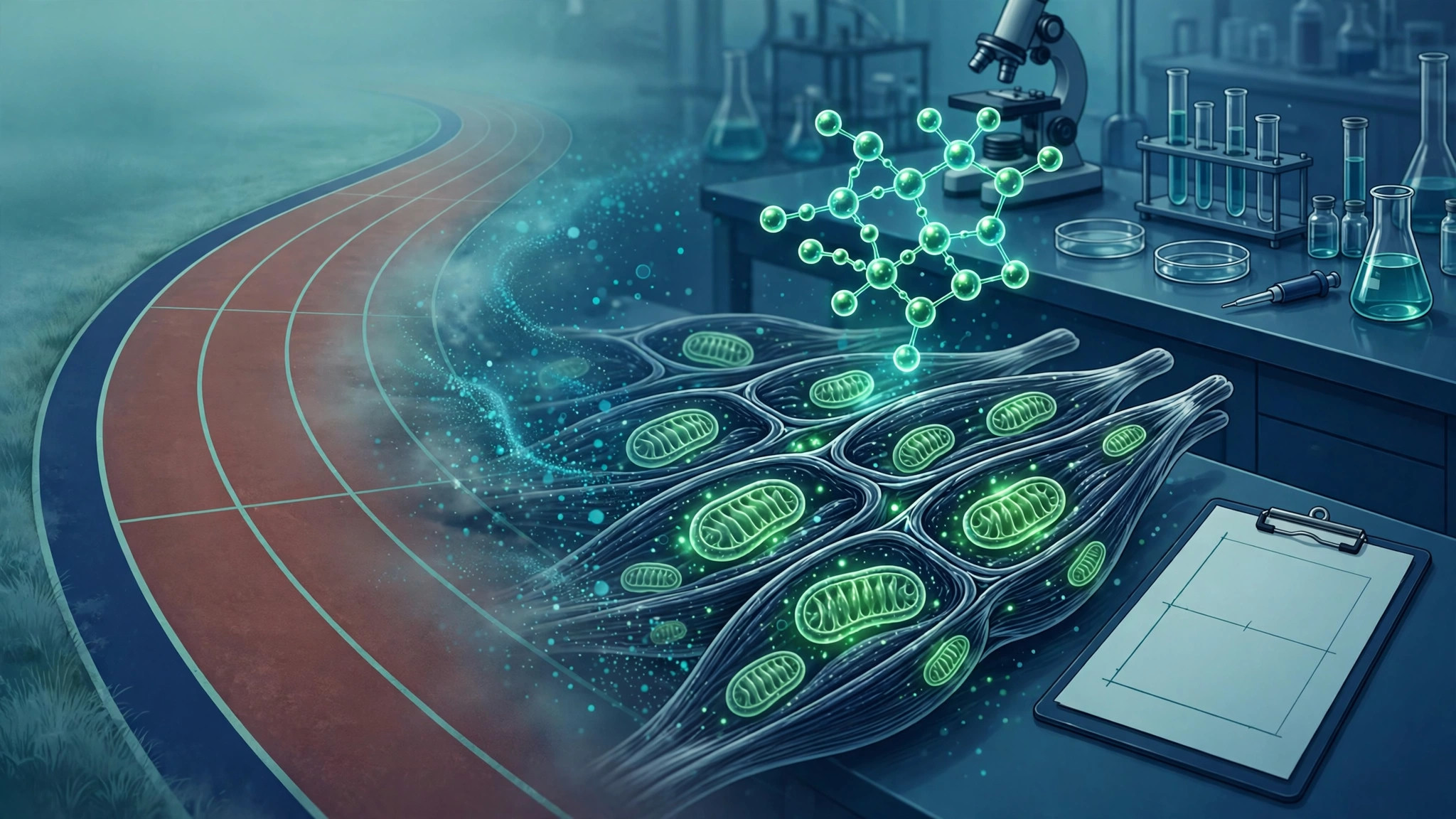
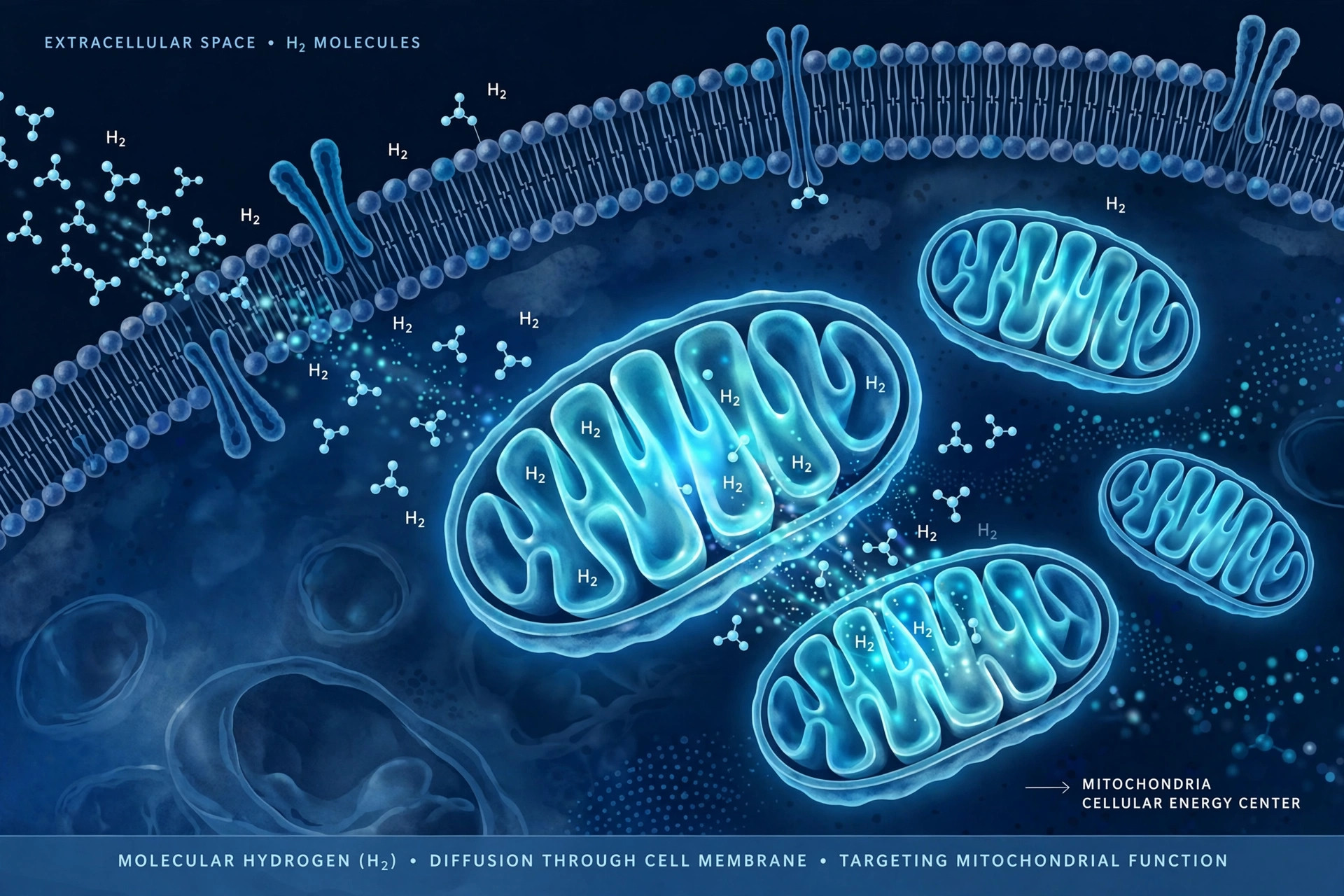
Molecular hydrogen can diffuse straight into mitochondria, the main source of exercise-induced reactive oxygen species. In a Frontiers in Nutrition study from the University of Tsukuba, untrained male mice given hydrogen-rich water (above 5 ppm, refreshed twice daily) for four weeks or longer ran significantly longer on a treadmill, showed less muscle fatigue, and had lower markers of oxidative stress, inflammation and muscle damage than mice on purified water. Antioxidant gene expression was not raised — the authors suggest hydrogen may scavenge radicals directly rather than by switching on antioxidant defenses.
On October 22, 2026, at Broward Health Medical Center in Fort Lauderdale, HHS Secretary Robert F. Kennedy Jr. announced the 2026 Update to the National Plan to Address Alzheimer's Disease and Related Dementias: the six historical goals replaced by four led by reducing dementia risk across the lifespan, an FDA Alzheimer's Prevention Accelerator, and ARPA-H investment of up to $48.8 million new (up to $155.3 million total) for earlier detection and intervention, plus a lifestyle-intervention test for beneficiaries with mild cognitive impairment. The plan's own stated risk factors — high blood pressure, diabetes, obesity and physical inactivity — are each conditions in which mitochondrial dysfunction is a documented contributor, which is the honest mitochondrial angle: prevention targets the metabolic ground in which brain mitochondria fail.
Liver fibrosis — scarring that can progress to cirrhosis — is driven by hepatic stellate cells switching into scar-producing mode. A Scientific Reports study published October 25, 2026 found the RNA demethylase FTO is downregulated in fibrotic liver: in bile-duct-ligated mice and human LX-2 stellate cells, FTO loss raised m6A methylation, which — read by the protein IGF2BP1 — increased TRIB3 expression, accompanied by mitochondrial dysfunction, altered mitophagy, and stellate-cell activation with more alpha-smooth muscle actin, collagen I and TGF-beta.
A Neuron study from Stanford's Bingwei Lu lab (Li, Rimal, Bhurtel and colleagues; published August 6, 2026, and highlighted in a Neuron preview on October 22, 2026) identifies the missing link between tau and mitochondrial failure in Alzheimer's disease and frontotemporal dementia: phosphorylated tau enters mitochondria, binds the complex I subunit NDUFS3, and promotes reverse electron transport (RET) — a backward flow that produces excess reactive oxygen species and lowers the NAD+/NADH ratio. More RET then drives more tau hyperphosphorylation, a self-perpetuating loop; blocking RET protected neurons and rescued cognitive deficits in fly, mouse and human-cell models.
4 min read
Reality check: Approval covers Barth syndrome in patients weighing at least 30 kg; a confirmatory trial is still required.
Longevity & Wellness News
The latest from the longevity world: research breakthroughs, industry moves, and the movement for healthier living, with an eye on what it means for your cells.
Four new goals led by lifespan risk reduction, an FDA prevention accelerator and up to $155.3 million in ARPA-H Alzheimer's investment — checked against what the mitochondrial evidence actually supports.
Phosphorylated tau binds complex I and promotes reverse electron transport, forming a self-perpetuating loop that blocking RET interrupted in fly, mouse and human-cell models.
After at least four weeks, untrained mice on hydrogen-rich water ran longer with lower muscle oxidative stress — a specific, high-concentration preparation, with no human data in the study.
Copper is essential in small amounts and lethal in excess. A study in Molecular Cancer published October 24, 2026 (Bachmann, Eichhoff and colleagues) argues that cuproptosis — copper-dependent cell death — is not one program but two: a canonical route that requires the mitochondrial enzyme FDX1 (elesclomol) and a newly defined non-canonical route that proceeds without FDX1 (neocuproine, via the copper chaperone ATOX1). Both converge early on oligomerization of lipoylated mitochondrial proteins such as DLAT, then on loss of iron-sulfur proteins, respiratory-chain dysfunction and mitochondrial collapse.
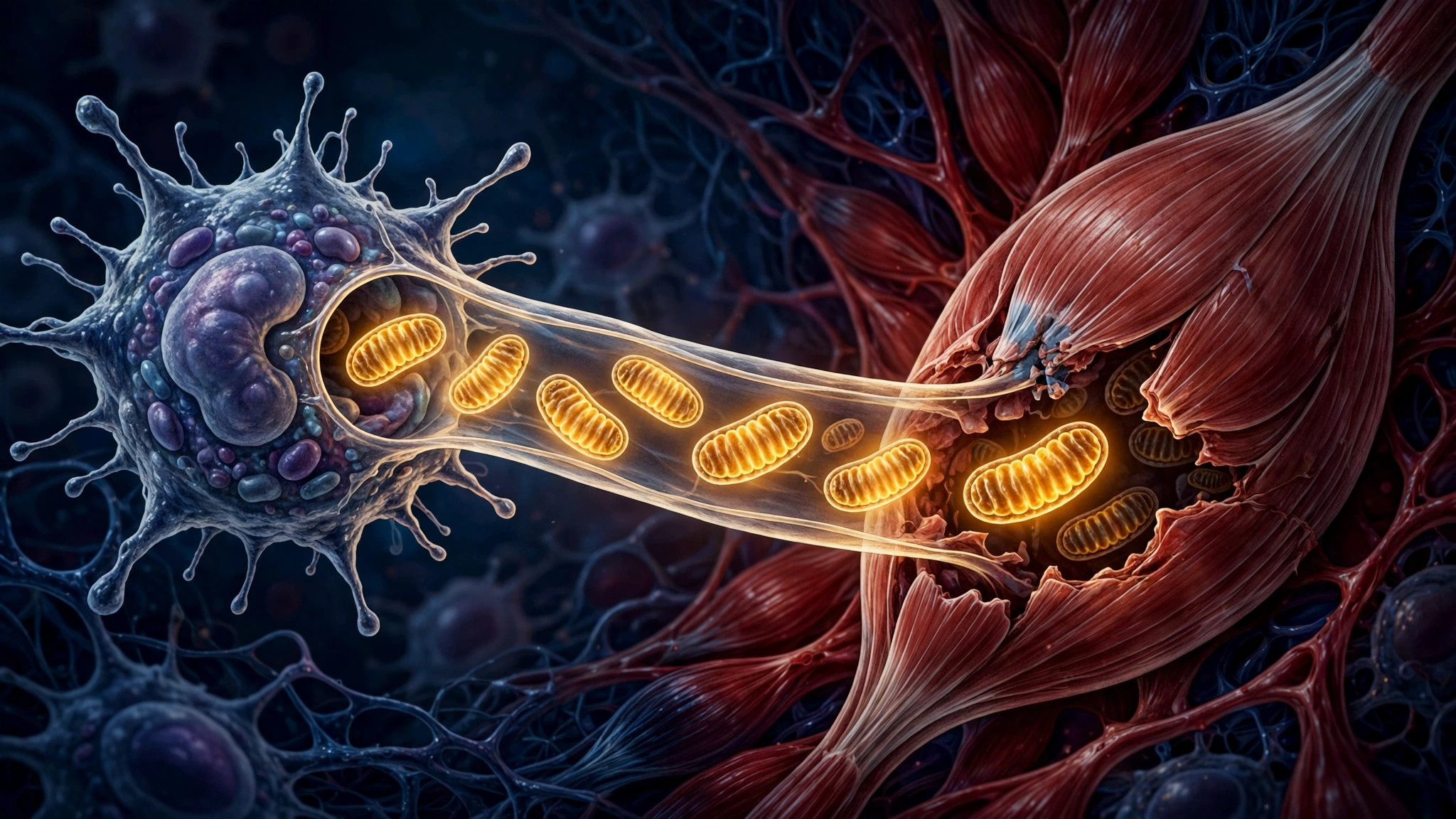
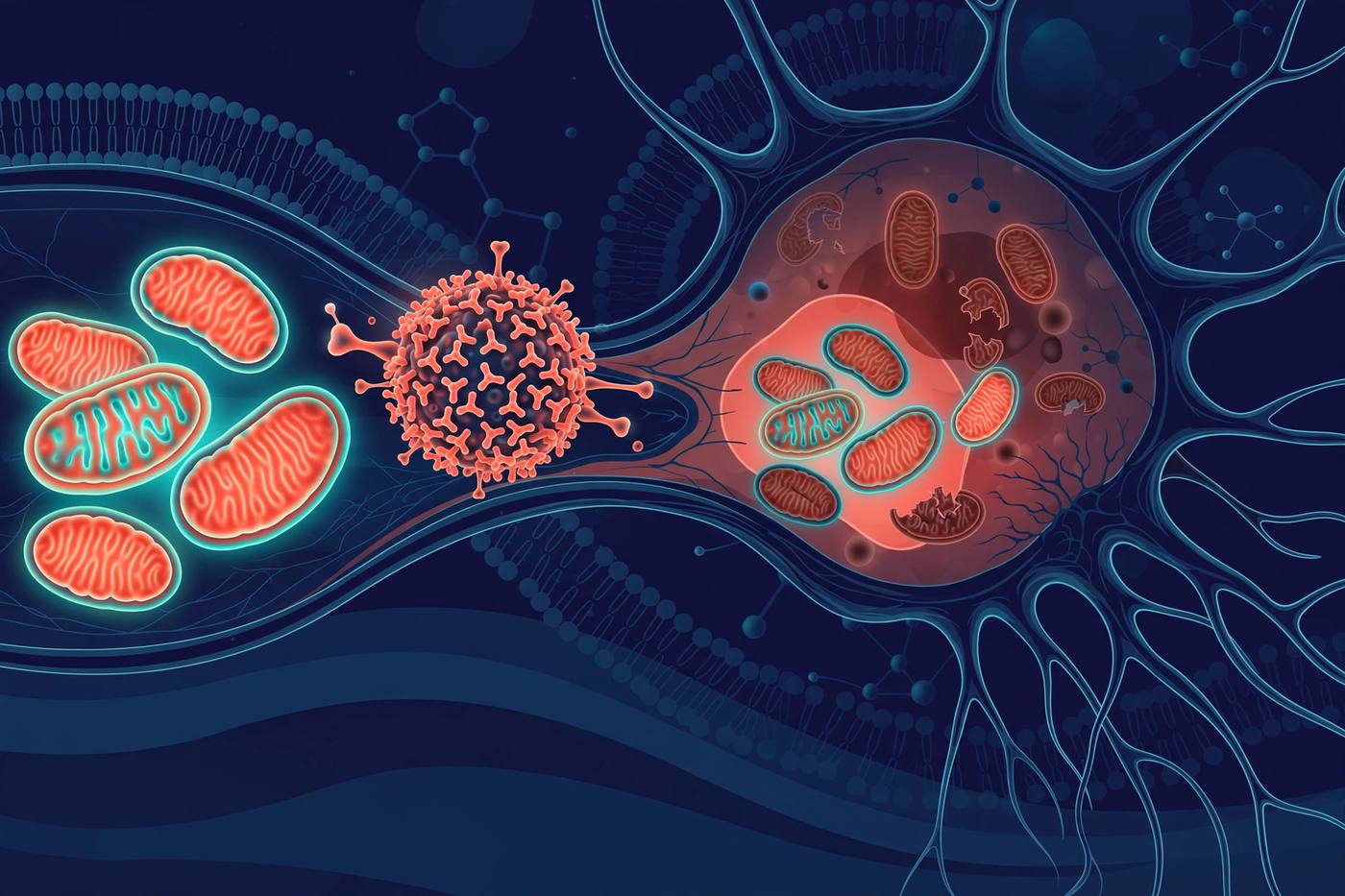
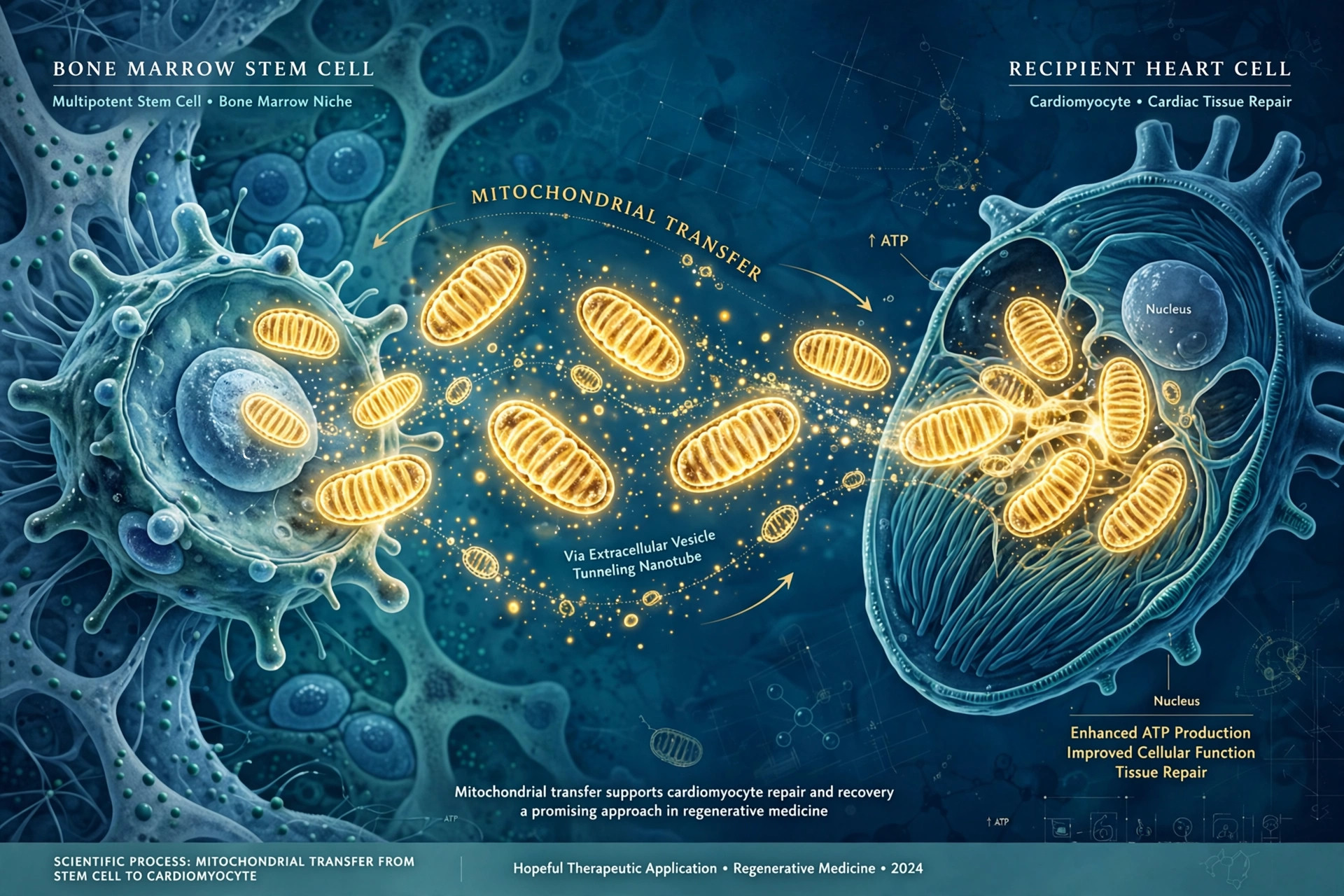
Cavernous nerve injury is a leading cause of erectile dysfunction after pelvic surgery, and no therapy treats its cause. A Cell & Bioscience study published October 24, 2026 (Sun, Chen, Liang and colleagues, Sun Yat-sen University) built mitochondria-transferred macrophages (MTM) with an enhanced reparative M2 phenotype. In a rat model of bilateral cavernous nerve injury, MTM treatment restored erectile function, preserved tissue structure, and promoted myelination and axonal regeneration — because the macrophages handed their mitochondria to Schwann cells, raising acetyl-CoA, enriching H3K27ac at the FDFT1 promoter, and switching on cholesterol biosynthesis needed for myelin.
Molecular hydrogen can diffuse straight into mitochondria, the main source of exercise-induced reactive oxygen species. In a Frontiers in Nutrition study from the University of Tsukuba, untrained male mice given hydrogen-rich water (above 5 ppm, refreshed twice daily) for four weeks or longer ran significantly longer on a treadmill, showed less muscle fatigue, and had lower markers of oxidative stress, inflammation and muscle damage than mice on purified water. Antioxidant gene expression was not raised — the authors suggest hydrogen may scavenge radicals directly rather than by switching on antioxidant defenses.
Liver fibrosis — scarring that can progress to cirrhosis — is driven by hepatic stellate cells switching into scar-producing mode. A Scientific Reports study published October 25, 2026 found the RNA demethylase FTO is downregulated in fibrotic liver: in bile-duct-ligated mice and human LX-2 stellate cells, FTO loss raised m6A methylation, which — read by the protein IGF2BP1 — increased TRIB3 expression, accompanied by mitochondrial dysfunction, altered mitophagy, and stellate-cell activation with more alpha-smooth muscle actin, collagen I and TGF-beta.
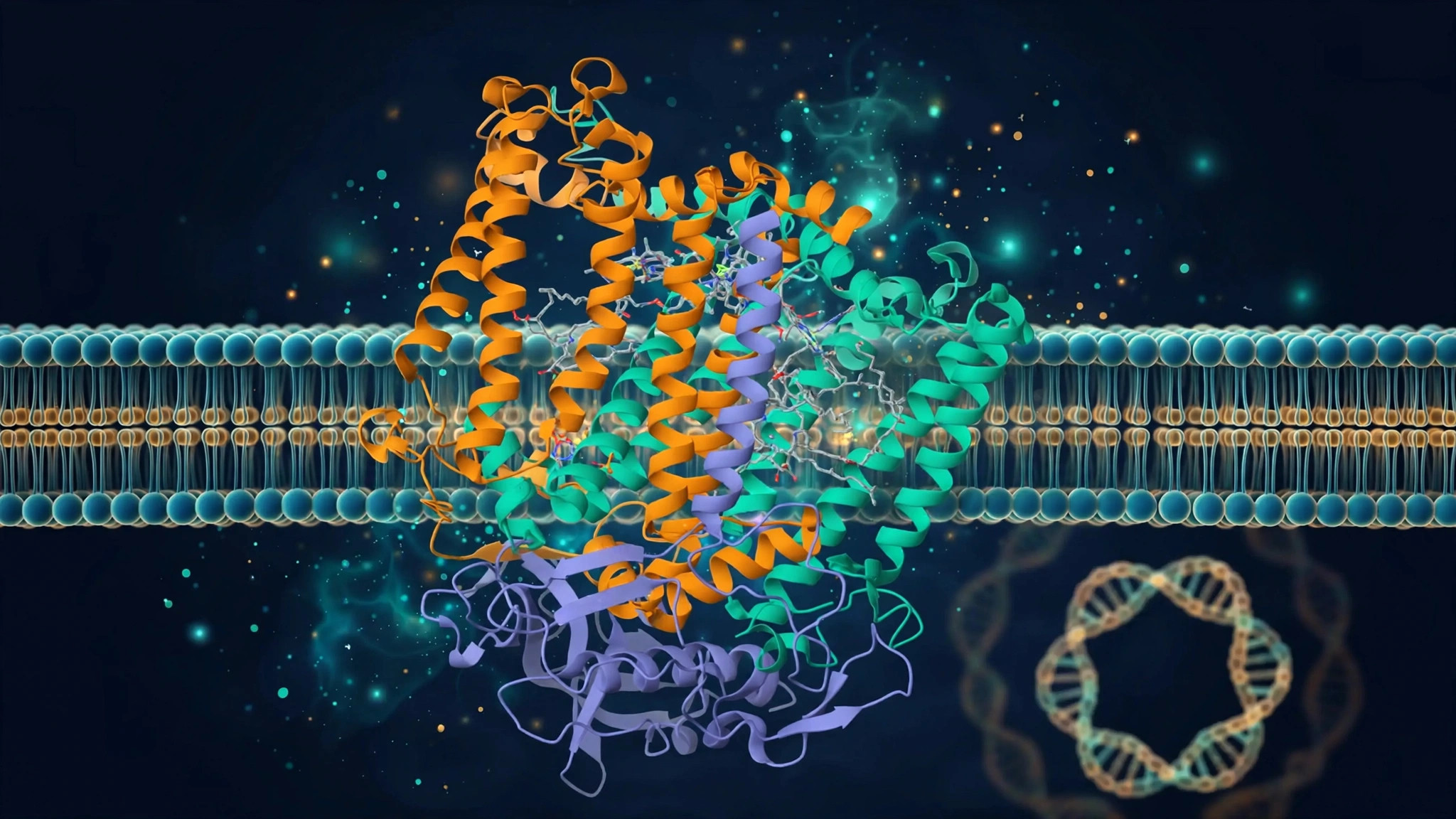
A Neuron study from Stanford's Bingwei Lu lab (Li, Rimal, Bhurtel and colleagues; published August 6, 2026, and highlighted in a Neuron preview on October 22, 2026) identifies the missing link between tau and mitochondrial failure in Alzheimer's disease and frontotemporal dementia: phosphorylated tau enters mitochondria, binds the complex I subunit NDUFS3, and promotes reverse electron transport (RET) — a backward flow that produces excess reactive oxygen species and lowers the NAD+/NADH ratio. More RET then drives more tau hyperphosphorylation, a self-perpetuating loop; blocking RET protected neurons and rescued cognitive deficits in fly, mouse and human-cell models.
On October 22, 2026, at Broward Health Medical Center in Fort Lauderdale, HHS Secretary Robert F. Kennedy Jr. announced the 2026 Update to the National Plan to Address Alzheimer's Disease and Related Dementias: the six historical goals replaced by four led by reducing dementia risk across the lifespan, an FDA Alzheimer's Prevention Accelerator, and ARPA-H investment of up to $48.8 million new (up to $155.3 million total) for earlier detection and intervention, plus a lifestyle-intervention test for beneficiaries with mild cognitive impairment. The plan's own stated risk factors — high blood pressure, diabetes, obesity and physical inactivity — are each conditions in which mitochondrial dysfunction is a documented contributor, which is the honest mitochondrial angle: prevention targets the metabolic ground in which brain mitochondria fail.
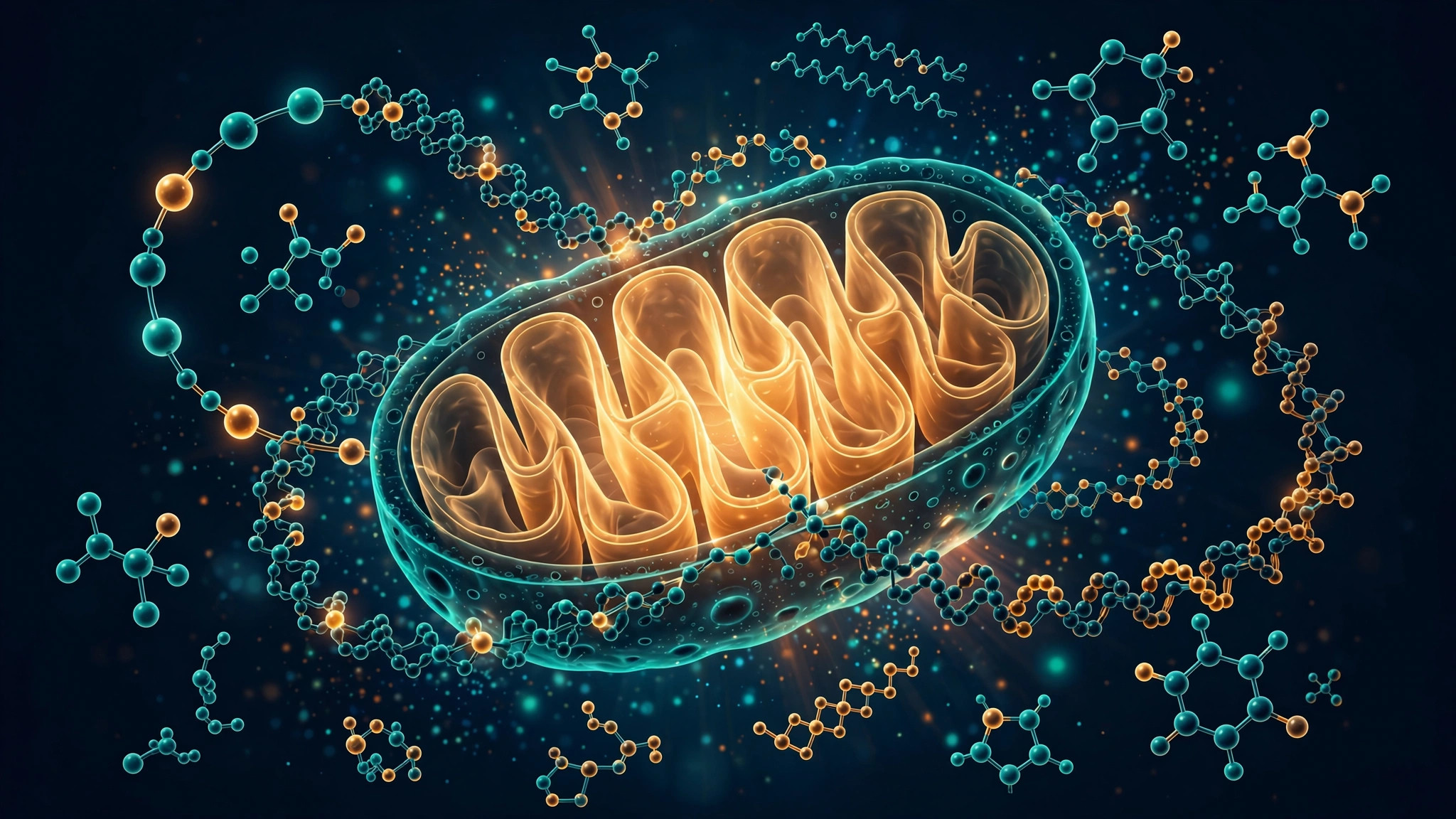
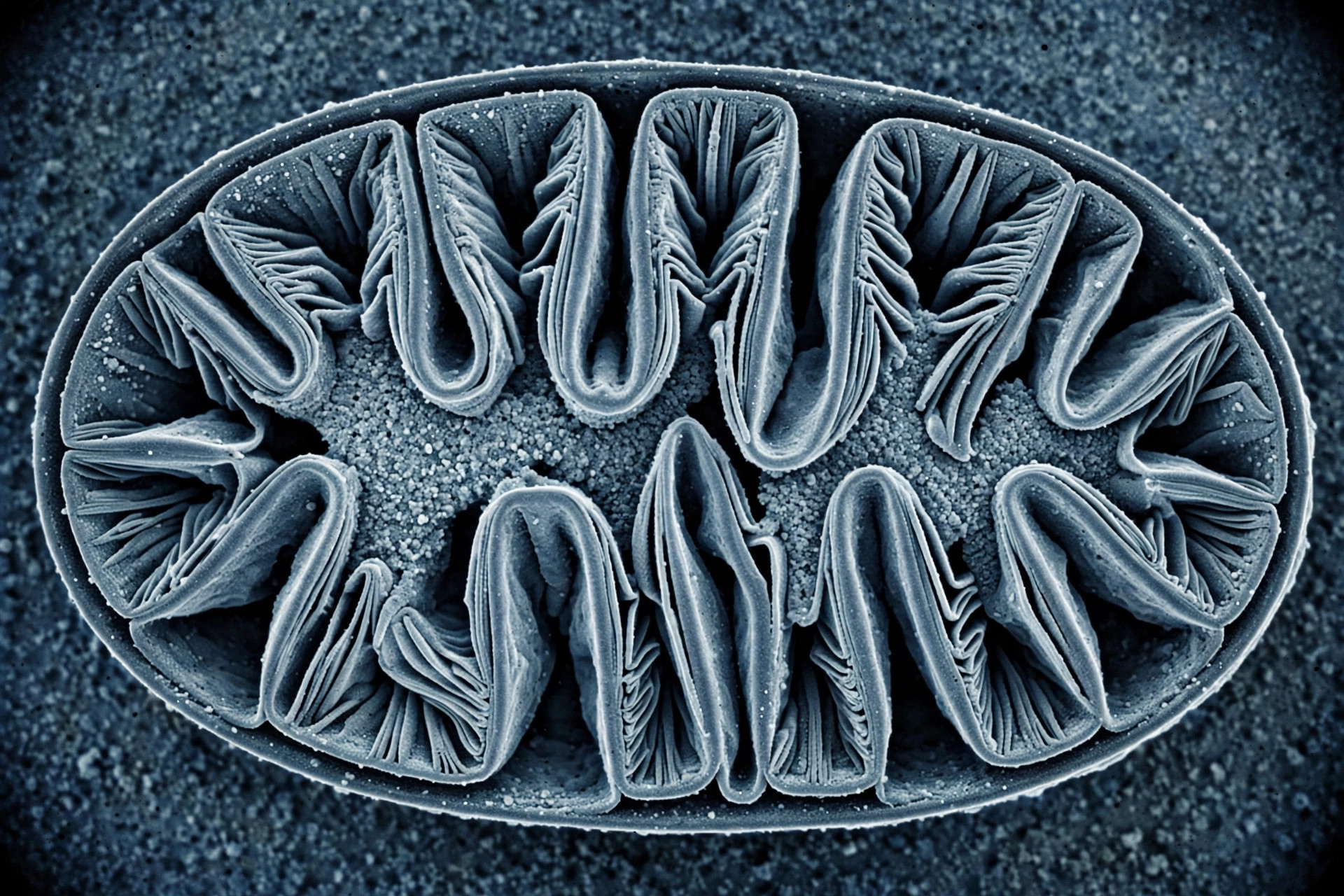
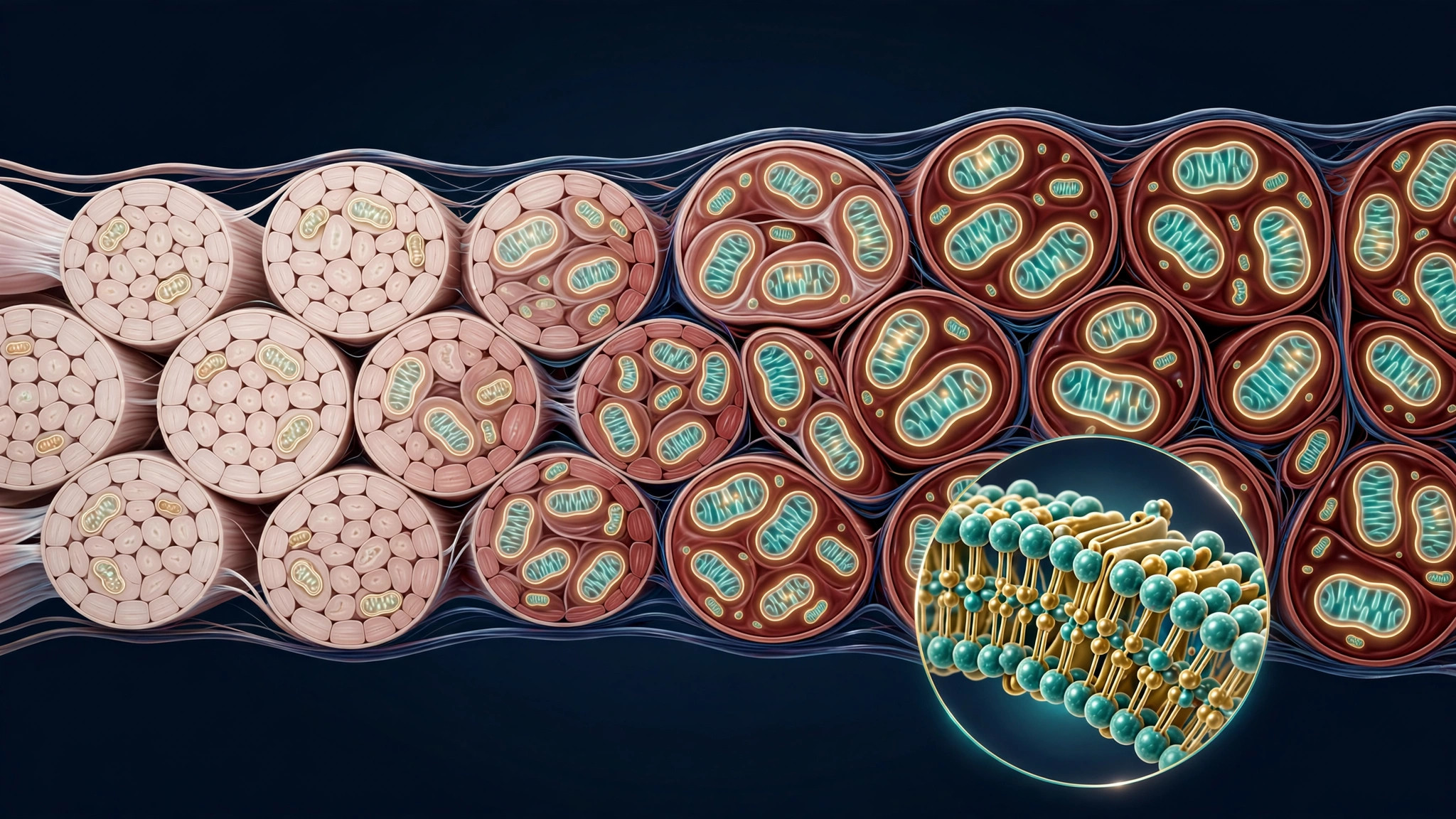
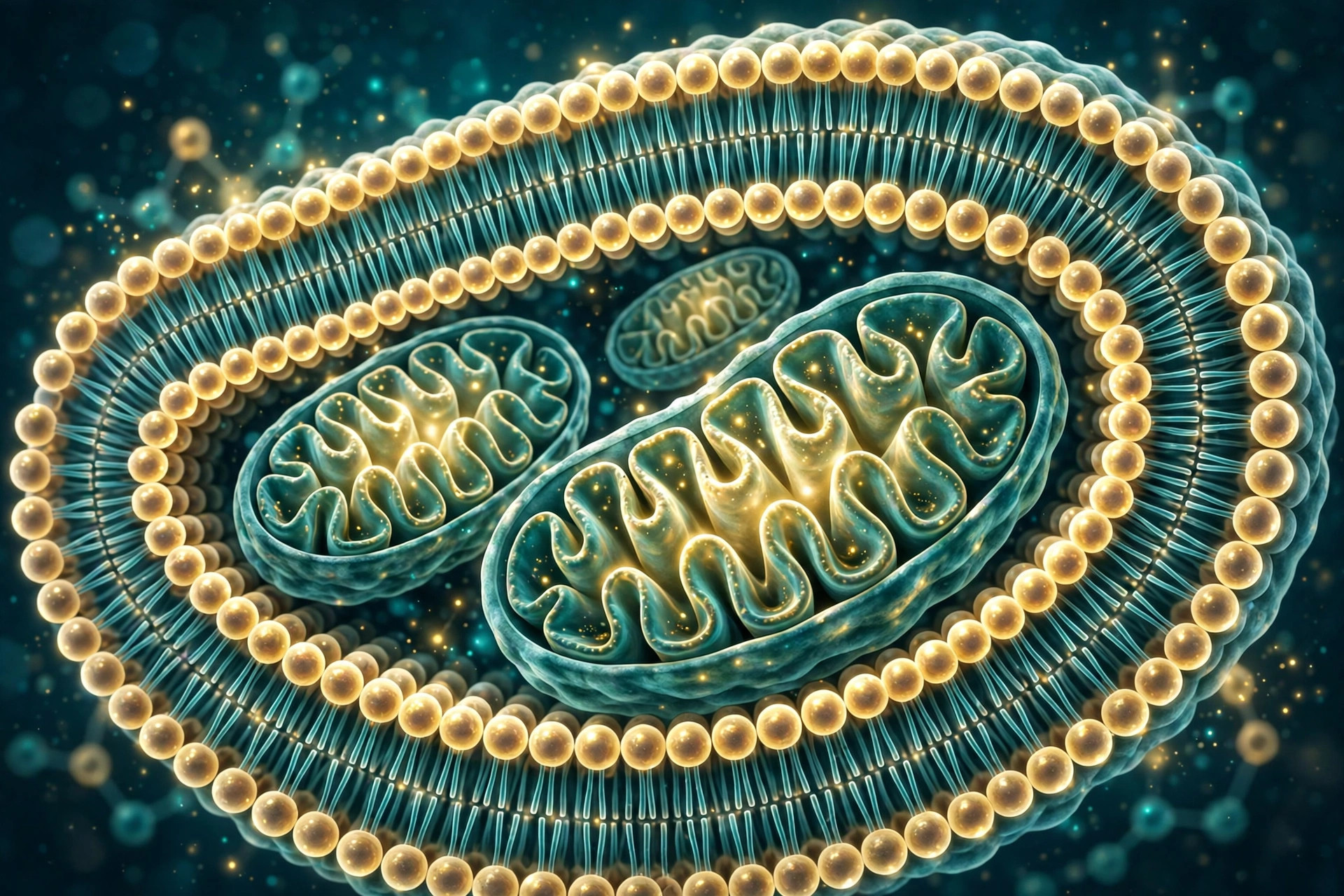
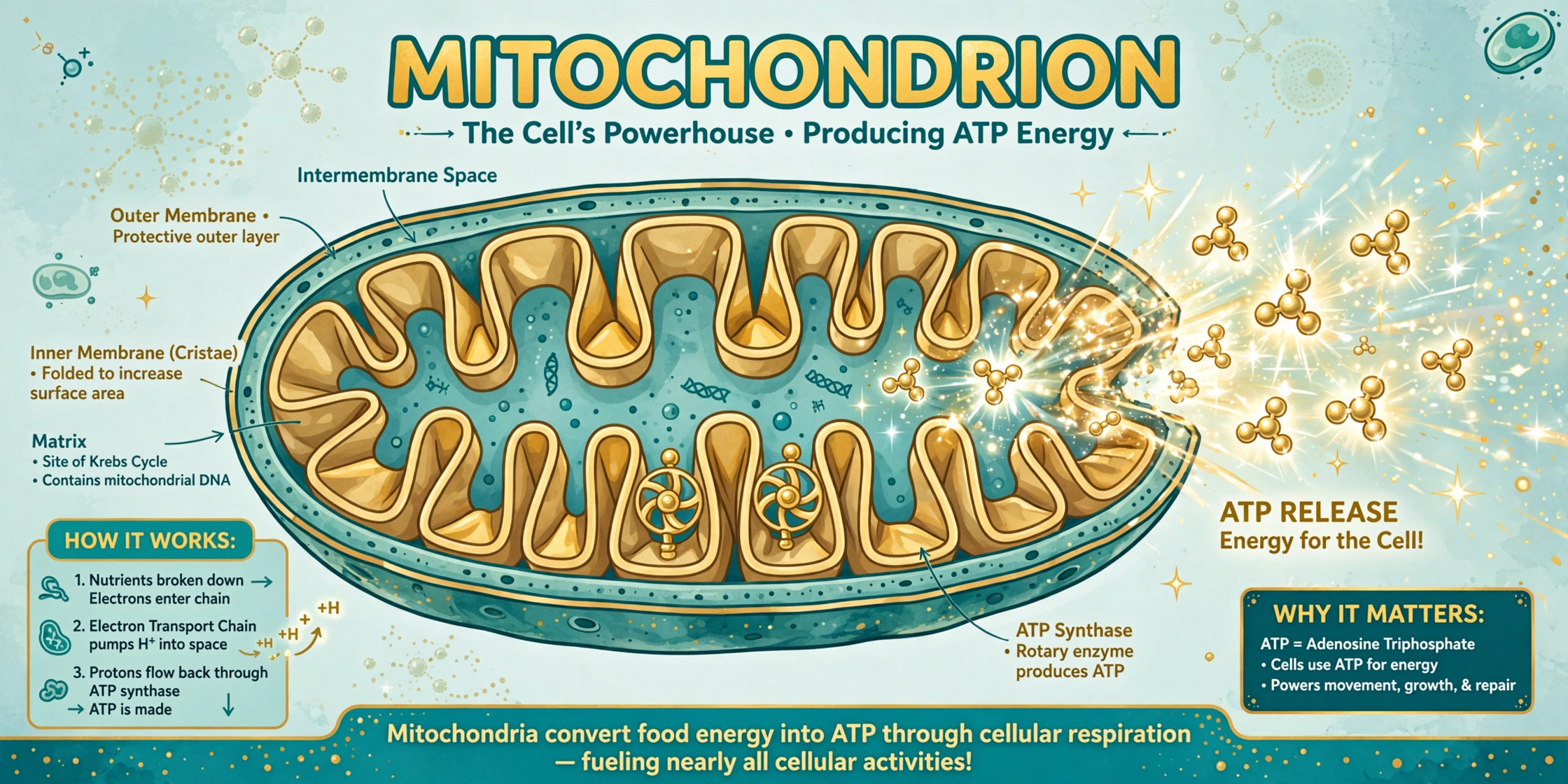
Textbook diagrams draw mitochondria with two membranes and a thin gap between them — and until now, no one knew what set the width of that gap. University of Ottawa researchers led by Dr. Luca Pellegrini report in Science Advances (published October 14, 2026; reported October 23, 2026) that a protein called SPRIZ (gene CCDC127) is a rigid tether spanning the outer and inner mitochondrial membranes, locally setting the volume of the intermembrane space. Widening that space by even a few nanometres changed molecular access and slowed mitochondrial calcium uptake, and deleting the gene in mice changed the spacing while leaving overall mitochondrial structure intact.
Osteoarthritis cartilage fails slowly, and one way its cells die is ferroptosis, an iron-dependent death driven by lipid damage. A study in Cell Death & Differentiation published October 23, 2026 integrated human and single-cell transcriptomes with experiments in cartilage cells (chondrocytes) and found that the protein Fhl2 couples microtubule disorganization — a breakdown of the cell's internal transport rails — to impaired mitophagy, the cleanup of damaged mitochondria. With cleanup stalled, damaged mitochondria accumulated and chondrocytes were pushed toward ferroptosis. The work nominates Fhl2 as a mechanistic link and a candidate target, not a treatment.
Lab-grown heart muscle cells from human iPS cells stay stubbornly fetal — a limit for transplant therapy, drug testing and disease modeling. A Japanese team at the Tokyo Metropolitan Institute of Medical Science, reported October 24, 2026 from a Communications Biology study, reversed the usual order: they fused pairs of iPS cells first, creating tetraploid stem cells with four chromosome sets (as in roughly 80% of adult heart muscle cells), then differentiated them. The resulting cardiomyocytes were larger, quieted their cell-cycle genes like mature cells, carried more and better-functioning mitochondria, and contracted more strongly and rapidly than conventional diploid-derived cells.
Making gametes is a reset: yeast cells sequester worn nuclear components into a compartment that is deliberately left out of the new spores. A Nature Communications study published October 23, 2026 from UC Berkeley identifies Tom70 — best known as the mitochondrial import receptor that ushers proteins into mitochondria — as a key regulator of that exclusion. When TOM70 was lost, nuclear pore complexes were no longer properly sequestered into the uninherited compartment, while senescence-associated protein aggregates still were. A mitochondrial surface protein, moonlighting at mitochondria–nuclear-envelope contacts, helps decide what the next generation does not inherit.
When the parasite Trypanosoma brucei invades the brain in stage II sleeping sickness (human African trypanosomiasis), the expectation is metabolic collapse. A PLOS Pathogens study reported October 24, 2026, using a bioluminescent mouse model, found the opposite: an adaptive reprogramming. Global brain glucose metabolism fell 1.8-fold and brain insulin transcripts fell 18-fold, while fatty-acid and lipid metabolism genes rose and mitochondrial metabolism programmes shifted dynamically — diverting the brain away from glycolysis toward fat-derived fuel, drawing on adipose reserves. Anxiety-like behaviour was unchanged and episodic learning and memory stayed intact in the infected animals.
A Scientific American feature reported October 22-24, 2026 lays out Columbia biologist Martin Picard's 'energy resistance principle' (codified with Nirosha Murugan in Cell Metabolism, November 2025): when food-derived electrons pour into mitochondria faster than the electron transport chain can slow and use them, they leak, form reactive oxygen species, and progressively damage the system — a shared energetic root proposed for diabetes, epilepsy, depression, Alzheimer's and heart disease alike. The same feature carries its own brakes: experts agree mitochondrial dysfunction is a hallmark of aging, push back on explaining everything, and note that supplement 'mito-boosting' hacks have so far disappointed — with sleep, exercise and diet still the interventions with evidence, and creatine the one supplement a leading researcher calls convincing.
Cell death is usually quiet. Memorial Sloan Kettering researchers, in work highlighted October 22, 2026, describe a second way the mitochondrial proteins BAK and BAX can assemble: instead of releasing cytochrome c for silent apoptosis, they form a cross-membrane arrangement that lets mitochondrial DNA escape into the cell, triggering inflammation, catastrophic energy failure and a death the team calls baciptosis. It could be induced in human cancer cells with impaired caspase activation — raising the idea of making tumors die loudly enough for the immune system to notice.
When mitochondria cannot use oxygen properly, oxygen can pile up and damage the brain. Broad Institute researchers led by Vamsi Mootha tested a two-drug combination designed to deliver less oxygen to tissues — GBT601, which makes hemoglobin hold onto oxygen, plus PT2399, which blocks the body's compensatory red-blood-cell response. In fresh reporting published October 22-23, 2026, the regimen reversed movement symptoms in a mouse model of Parkinson's after symptoms had appeared, worked comparably to breathing 11% oxygen, and in a Leigh syndrome mouse model extended expected lifespan from about 62 days to 158 days. It is mouse data, with no human Parkinson's trial.
Parkinson's still lacks a reliable non-invasive early test. A cross-cohort study in npj Parkinson's Disease, reported October 22, 2026, profiled microRNAs and proteins in blood-derived exosomes — tiny vesicles that can carry material from the brain across the blood-brain barrier. A consensus panel of 69 microRNAs classified Parkinson's strongly in validation, with the best model reaching an AUC of 0.952, while a 63-protein panel reproduced poorly across studies (best AUC 0.611). Across data layers, the biology converged on the same themes: mitochondrial energetics failure and immune dysregulation.
Many tumor cells sideline their mitochondria and ferment sugar instead — the Warburg effect. A Nature Chemical Biology study published October 22, 2026 built a chemogenetic tool, Grubraw, that can be switched on inside mitochondria to push pyruvate back into mitochondrial respiration. Activating it in tumor cell models counteracted Warburg metabolism and slowed proliferation in the experiments reported, including work in mouse tumor models. Grubraw is a research instrument delivered as a gene, not a drug — its value is proving that mitochondrial reactivation can be controlled and measured, not treating anyone today.
The peptide access fight now has a formal counter-petition. On October 21, 2026, the Partnership for Safe Medicines filed a citizen petition urging the FDA to block compounding of seven unapproved substances — BPC-157, KPV, TB-500, MOTS-c, emideltide, semax and epitalon — and to disregard the July Pharmacy Compounding Advisory Committee vote that recommended allowing six of the seven, arguing the committee was constituted in violation of federal conflict-of-interest laws. FDA scientists had recommended against bulk compounding of all seven, citing no adequate characterization, extremely limited safety data and no meaningful human evidence. MOTS-c is the mitochondria-derived peptide on the list.
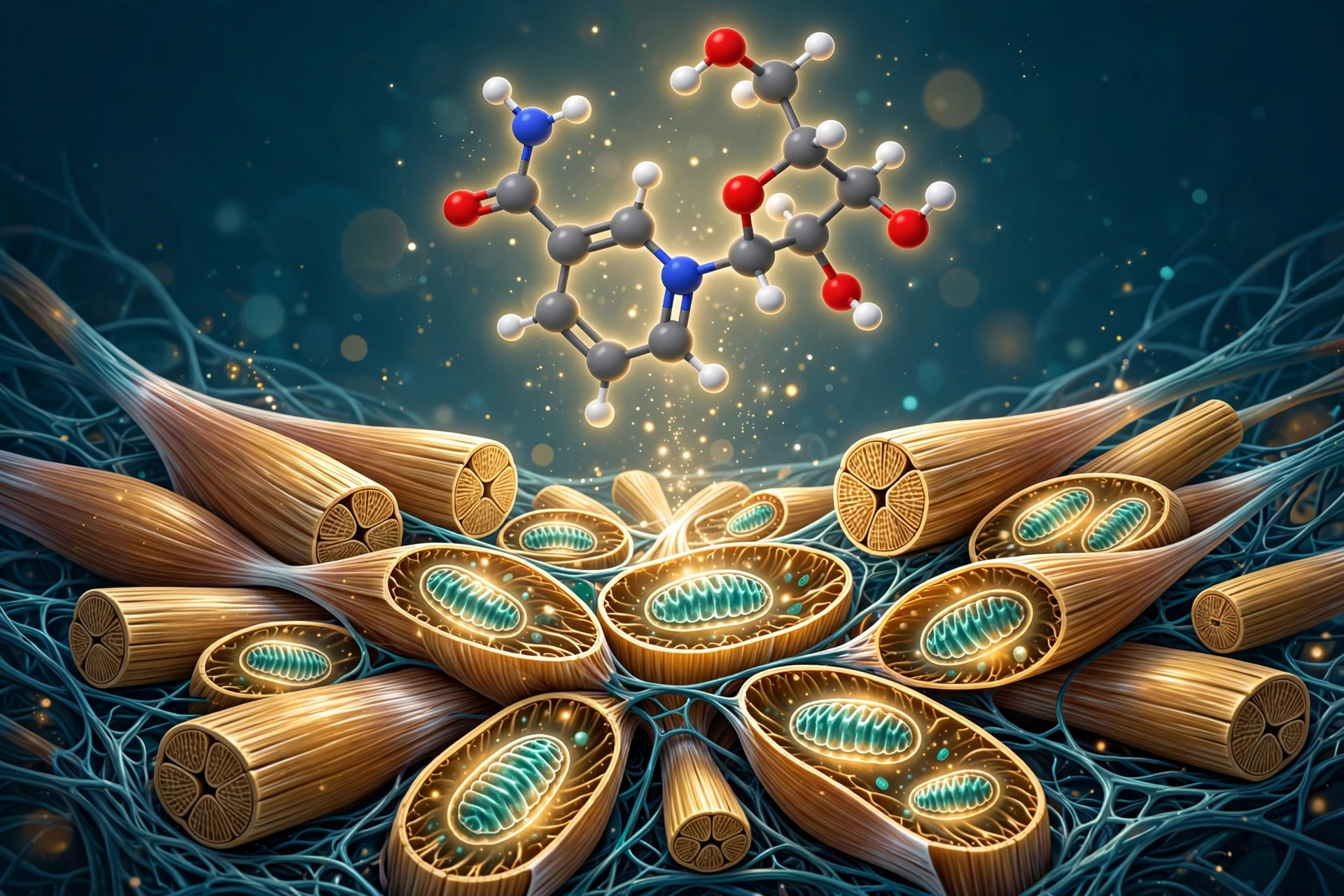
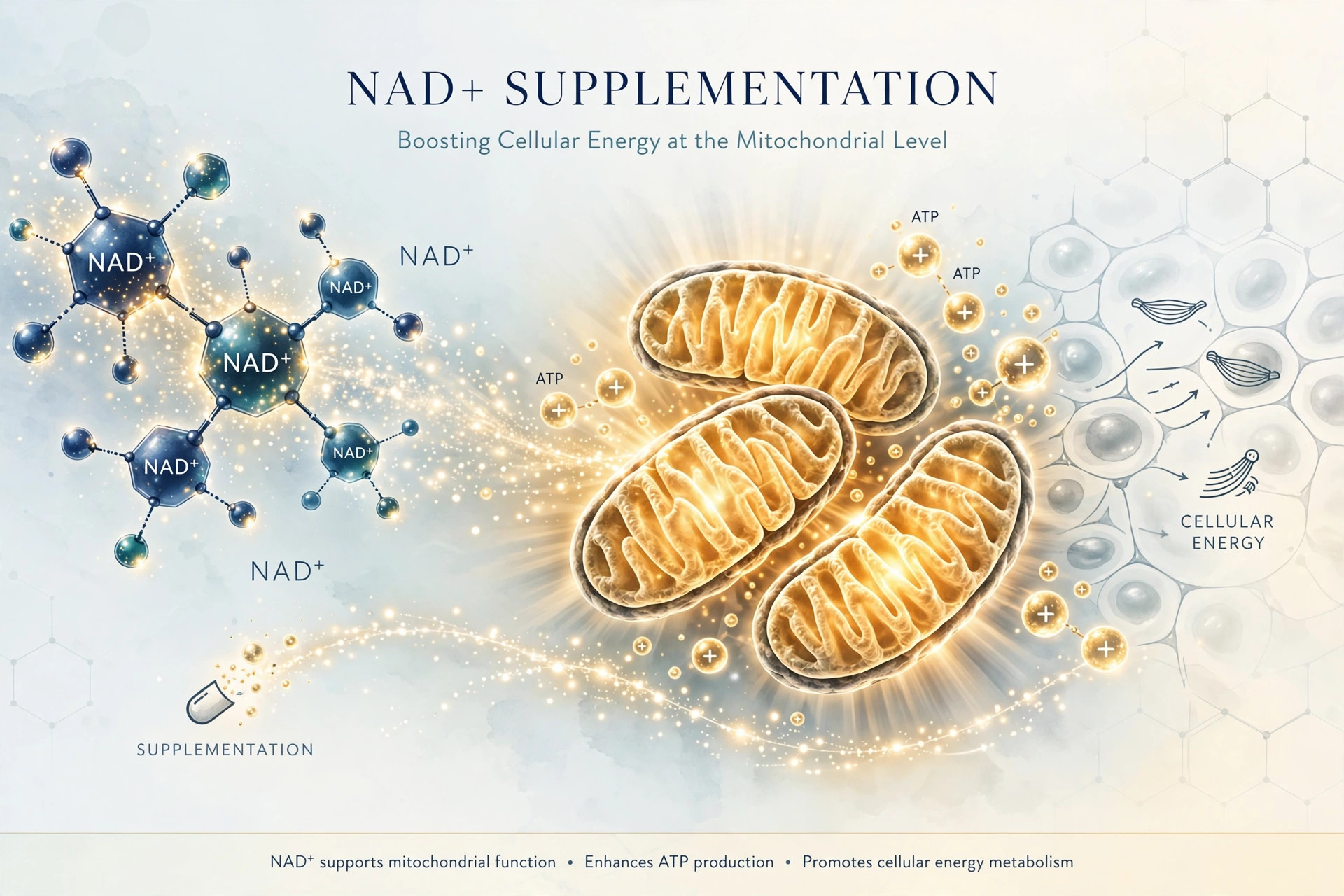
Niagen Bioscience launched a ready-to-inject liquid Niagen (nicotinamide riboside, NR) at-home kit through its telehealth platform on October 22, 2026: a prescription-only 500 mg multi-dose vial, dispensed by 503A pharmacies after an online intake. The clinical backing is real but narrow — two open-label, non-placebo-controlled pilot studies in 39 generally healthy adults with elevated fatigue, posted on medRxiv, in which three supervised days plus 90 days of self-injection were well tolerated, blood NAD+ stayed stable, and self-reported fatigue, sleep and skin measures improved alongside exploratory mitochondrial bioenergetics and oxidative-stress markers. The company itself says the findings require confirmation in larger, placebo-controlled studies.
When a mitochondrion is flooded with damaged proteins, the cell does not just throw them away — it sorts them. A Nature study published October 21, 2026 from Nankai University describes SIMPA (stress-induced mitochondrial protein aggregates): under stress, damaged proteins gather into aggregates inside mitochondria in a process that depends on the chaperone GRP75, and are then cleared through contact sites where mitochondria touch the endoplasmic reticulum. The pathway also appeared in mouse liver-injury models, and boosting GRP75 eased liver damage in mice.
Mitochondrial DNA copy number is a popular stand-in for mitochondrial health in brain research — but it points in opposite directions in two common diseases. A King's College London study in Alzheimer's & Dementia (October 21, 2026) measured mitochondrial DNA copy number in post-mortem hippocampus, amygdala and cerebellum: Alzheimer's was associated with lower levels, diabetes with higher levels. Among people with Alzheimer's, those who also had diabetes had 41% higher levels in the hippocampus, 52% higher in the amygdala and 64% higher in the cerebellum — enough to mask the Alzheimer's signal entirely when samples are pooled.
Psychedelics are usually studied for what they do to the mind. A University of California, San Francisco analysis published in JAMA Psychiatry and reported October 21, 2026 looked at what psilocybin did to the blood of 12 people with Parkinson's disease: five inflammatory signalling molecules fell significantly after two psilocybin sessions and stayed lower a month later, and a blood marker of mitochondrial stress improved substantially right after treatment, though not at longer follow-up. The study had no control group and everyone knew they received the drug — the authors call it an initial biological signal, not proof.
Sotagliflozin is a dual SGLT1/SGLT2 inhibitor already used in heart failure and diabetes care. Lexicon Pharmaceuticals announced on October 21, 2026 two newly published preclinical studies: in a mouse model of hypertrophic cardiomyopathy (HCM) — a thickened, stiff heart muscle — sotagliflozin normalised diastolic function, reversed hypertrophy progression, reduced fibrosis and oxidative stress, and upregulated mitochondrial gene sets for energy production in heart tissue. A second study found it reduced platelet activation in ex vivo human blood, unlike empagliflozin. The HCM findings are mouse data; the human Phase 3 SONATA-HCM trial reads out in 2027.
At the 17th World Congress on Targeting Mitochondria in Berlin on October 22, 2026, Eos SENOLYTIX chief executive Dr Kevin Slawin presented company-generated, not peer-reviewed, data for PTC-2105, a mitochondrial-targeted geropeptide in the SS-31/elamipretide lineage. In naturally aged mice, weekly dosing was associated with improved survival at the 25 mg/kg dose (log-rank p=0.0142), dose-dependent gains on a functional composite score, an approximately 70% reduction in a kidney-stress urine marker in aged high-fat-diet mice, and lower inflammatory markers IL-6, TNF-alpha and CXCL10. The reporting itself stresses the caveats: some monitored arms held only 3–5 animals, and one standout 167-week-old mouse is an anecdote, not cohort evidence.
Hydrogen water is being sold in Australian wellness centres as an antioxidant, anti-aging elixir — about $30 for packs of pre-bottled water, $150 for electrolysis bottles, tablets from $17 — alongside hydrogen inhalation and chamber sessions claiming better energy, clearer thinking and less oxidative stress. Reporting published October 19, 2026 asked independent experts what the evidence supports. RMIT analytical chemist Professor Oliver Jones: “I've seen no compelling studies… You may as well just drink normal water.” Dietitian Danielle Shine: the research is insufficient, and well-designed human studies are what is needed.
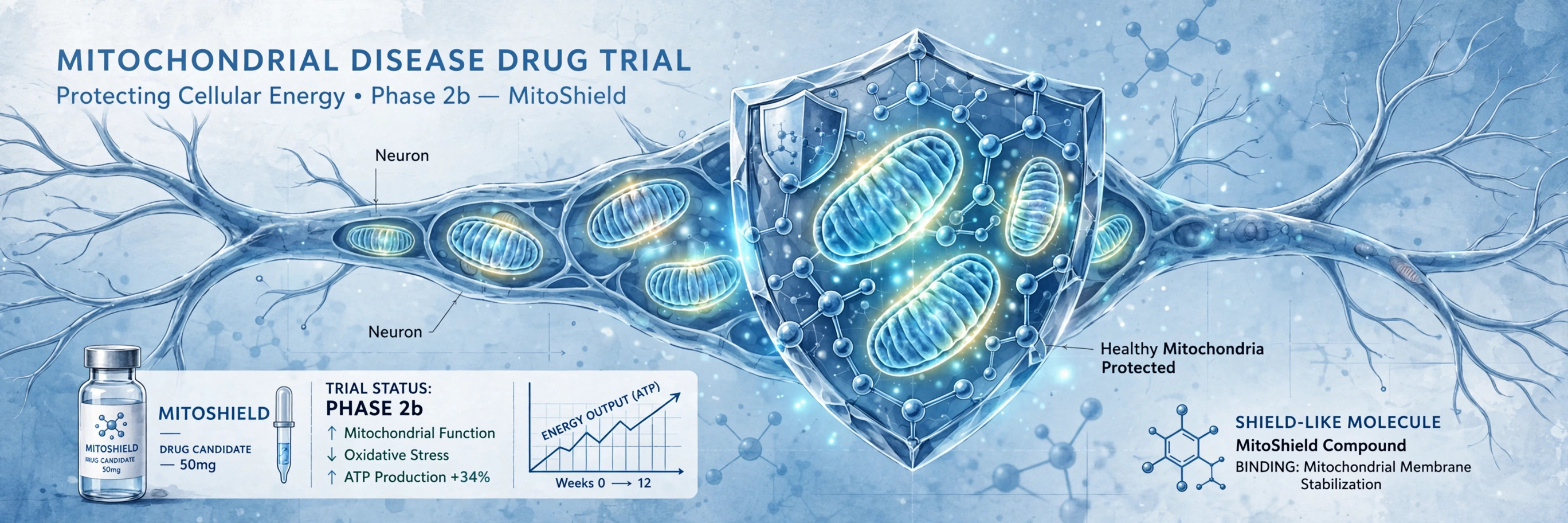
Many neurodegeneration drugs fail on a simple question: did enough of the medicine actually reach the brain? NRG Therapeutics announced on October 21, 2026 that a positron emission tomography (PET) imaging trial (NRG5051-102) of its lead asset NRG5051 has started in London. NRG5051 is an orally available, brain-penetrant inhibitor of the mitochondrial permeability transition pore (mPTP) acting through an NLRX1-mediated mechanism; the company has radiolabelled the molecule so PET scans in healthy volunteers can measure blood plasma kinetics and estimate levels in brain tissue, informing dose selection for future trials in ALS and Parkinson's disease.
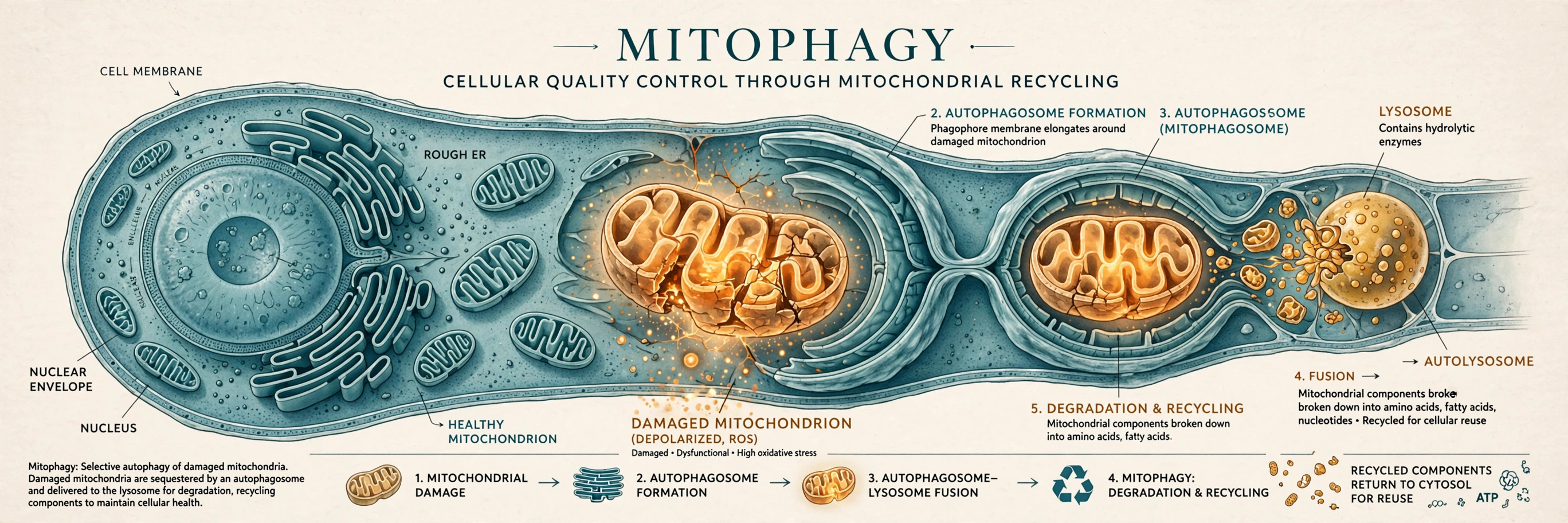
Damaged mitochondria are supposed to be recycled by mitophagy, but whether that recycling fails in aging human neurons — not just in mice — was unknown. A Frontiers in Aging Neuroscience study using neurons directly reprogrammed from the skin cells of healthy donors aged 11 to 91 reports the first demonstration of age-related mitophagy impairment in human neurons: in older donors' neurons, mitochondria lost membrane potential and fragmented, then piled up inside autophagosomes and lysosomal vesicles without being eliminated — because their delivery to acidified lysosomes faltered, even though the lysosomes' own enzymes still worked.
Diffuse large B-cell lymphoma (DLBCL) is the most common aggressive non-Hodgkin lymphoma, and tumors that resist the antibody drug rituximab have a poor prognosis. A Scientific Reports study published October 20, 2026 identifies a long non-coding RNA, SNHG29, as a resistance mediator that works at the mitochondrion: SNHG29 collaborates with ribosomal proteins and the protein CYLD, keeping phosphorylated CYLD high on mitochondria and apoptosis (programmed cell death) switched off. Down-regulating SNHG29 lowered mitochondrial phosphorylated CYLD and promoted apoptosis in rituximab-resistant DLBCL models, including mouse xenografts.
Santalol, a sesquiterpene alcohol from sandalwood oil, has reported antioxidant and anti-inflammatory effects — but its effect on colorectal cancer (CRC) metastasis was unclear. A study published October 21, 2026 in Antioxidants reports that santalol reduced viability and clonogenic capacity of metastatic CRC cells dose-dependently, raised reactive oxygen species (ROS), depolarized their mitochondria and activated the mitochondrial apoptosis pathway through caspases and PARP; in a mouse model, it restricted the cancer cells' dissemination to the lungs.
Berberine is sold everywhere as a metabolic supplement and is known to act on mitochondrial energy sensing (AMPK and complex I); CBD is sold everywhere as a wellness staple. Neither has ever faced the gold-standard lifespan test. Southern Illinois University announced on October 13, 2026 that both compounds — proposed by researcher Lisa Hensley — were selected for pilot testing by the National Institute on Aging's Interventions Testing Program (ITP), the rigorous multi-site program that checks stability in mouse food, absorption and toxicity before committing to full lifespan studies in genetically diverse mice at the University of Michigan, The Jackson Laboratory and UT Health San Antonio.
Renue By Science announced on October 20, 2026 a white paper on its Renue Blue body cream — a liposomal blend of NAD+, NMN, NR and methylene blue aimed at skin mitochondria and aging body skin. The headline numbers are striking: 95% of participants reported smoother skin at week 4 and 95% were satisfied. The study behind them, run with Citruslabs, was a four-week, virtual, single-arm consumer perception study: 40 women enrolled, 38 completed, everyone used the cream, there was no placebo or comparison group, and every outcome was self-reported perception. That design can tell you users liked the cream. It cannot tell you the cream changed their skin, their NAD+ levels, or their mitochondria.
Diabetes and heavy alcohol use both weaken bone, and a study published October 20, 2026 in Nature Communications points to a shared mitochondrial mechanism: in bone marrow skeletal stem cells, nutrient excess switches on an enzyme called ACSS1, which rewires acetate metabolism, disables a second enzyme (ME2) by acetylation, and traps the cells in a cycle of redox imbalance and mitochondrial dysfunction that blocks bone formation. Deleting ACSS1 — or delivering a non-acetylatable ME2 — restored mitochondrial resilience and bone building in male mouse models of type 2 diabetes and chronic alcohol use.
Most cancer metabolism stories are about tumors abandoning their mitochondria. A study published October 19, 2026 in npj Precision Oncology reports the opposite for non-small cell lung cancer (NSCLC): the complex I gene NDUFS2 is upregulated in tumors, enriched in malignant cells, and tied to worse clinical features — and silencing it caused profound mitochondrial dysfunction, ATP depletion and loss of viability, migration and invasion in cancer cells, and suppressed xenograft growth in mice. NDUFS2 also switched on the Akt-mTOR growth pathway, making it a candidate drug target — in preclinical models only.
Mitochondria must constantly divide to meet the brain's energy demands, and the dividing is done by a protein called DRP1, encoded by the gene DNM1L. A case report published October 19, 2026 in the Orphanet Journal of Rare Diseases describes a previously unreported de novo DNM1L variant (c.1093A>G; p.Arg365Gly) in a 12-year-old girl with severe developmental delay, microcephaly, ataxia and refractory seizures: her neurons showed pronounced mitochondrial hyperfusion — mitochondria stuck together because fission had failed — alongside widespread neuronal loss found after death.
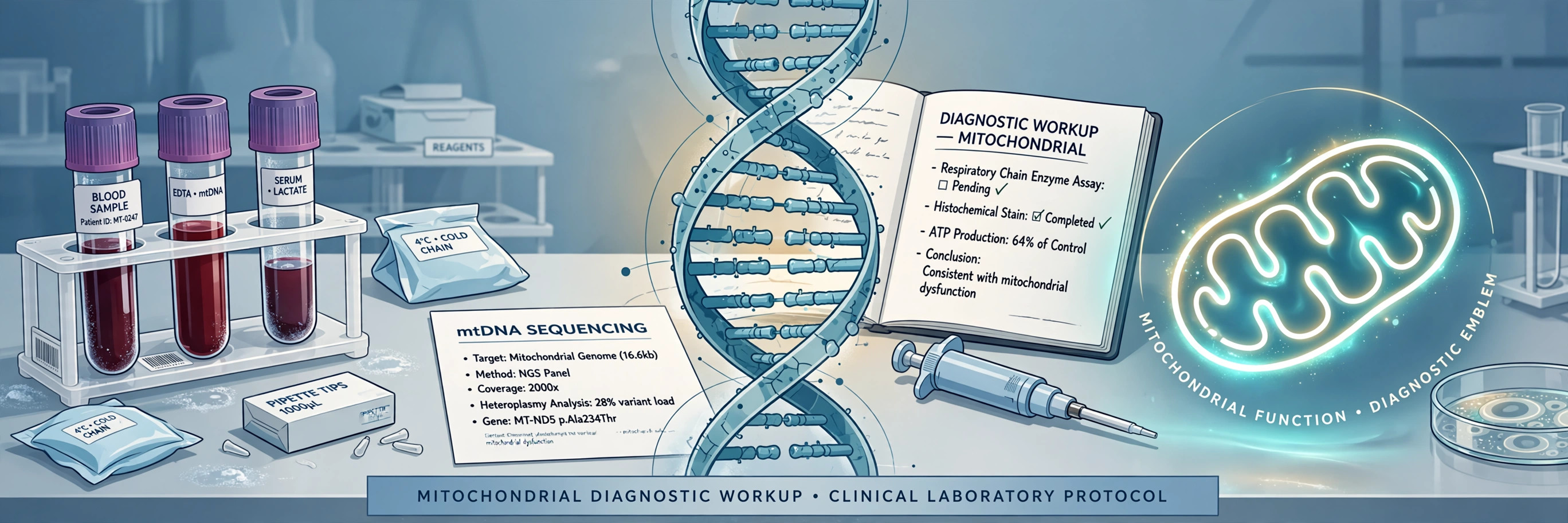
MT-CYB is the only complex III subunit encoded by mitochondrial DNA, and its variants can cause anything from exercise intolerance to Leigh syndrome. A Frontiers in Neuroscience study combining a new pediatric case with a systematic review of 34 patients found the variant's share (heteroplasmy) differed sharply by tissue — 22.5% in blood, 70.5% in urine and 95.5% in muscle in the index child — while where variants sat (muscle-restricted vs. widespread) tracked with the clinical picture better than heteroplasmy level itself. For families chasing a diagnosis, a negative blood test does not close the case.
Diabetic wounds stall because high glucose leaves wound macrophages inflamed and their mitochondria damaged. In Food Science & Nutrition, researchers report that Panax notoginseng saponins (PNS) accelerated wound closure in diabetic mice, dose-dependently, by preserving a protective lipid (11,12-EET) through the Ephx2 pathway: treated wounds showed fewer swollen mitochondria, a shift from fission toward fusion, less pyroptosis (inflammatory cell death) and more collagen. Human data from non-healing diabetic foot ulcers pointed the same direction — but no person has been treated in a trial.
Dry age-related macular degeneration involves oxidative stress and mitochondrial dysfunction in the retinal pigment epithelium, which makes botanical antioxidants a tempting pitch. A critical review published October 19, 2026 in the International Journal of Molecular Sciences appraised one candidate — Terminalia buceras, a Sonoran Desert tree — and reached an unusually blunt conclusion: the species-specific retinal evidence is a single in-vitro cell observation, there are no epidemiological studies, no validated animal studies and no clinical studies, and the review does not propose the plant as a preventive or therapeutic intervention. If you see it sold for eye health, that gap is the story.
Oxyhydrogen ('Brown's gas') generators sell a mix of about two-thirds hydrogen and one-third oxygen, and the oxygen is often implied to be part of the benefit. A respiratory-physiology modeling paper in Respiratory Research (LeBaron and colleagues, 2026), explained in an October 18, 2026 analysis, does the arithmetic: at a typical 1,000 mL/min output, the extra oxygen a user actually inspires is only about 40 mL/min, lifting inspired oxygen from 21% to about 21.36% — like descending roughly 160 meters. Any effect, the authors argue, would come from the hydrogen — and devices should be compared by the hydrogen fraction they deliver (FiH2), not total gas output.
A cluster of Class II recalls for compounded injections — semaglutide, tirzepatide, NAD+, sermorelin and erectile-dysfunction mixes — for lack of sterility assurance has been working through FDA Enforcement Reports, and was rounded up for consumers on October 18, 2026. The recalls were initiated in September after FDA inspections found inadequate sterilization and endotoxin testing. NAD+ matters here because it is the central mitochondrial coenzyme marketed in IV drips and injections; a compounded vial that cannot assure sterility is a risk no wellness claim can offset.
Skeletal muscle does most of the body's glucose disposal, and its failure to respond to insulin is a primary defect in type 2 diabetes. A study published October 19, 2026 in Nature Communications found that Miro1 — a protein on the outer mitochondrial membrane — accumulates in the muscle of patients with obesity and type 2 diabetes but not obesity alone, tracks with worse insulin sensitivity, and falls when patients exercise. Deleting Miro1 from mouse muscle improved mitochondrial respiration and glucose uptake.
Diabetic cardiomyopathy — heart failure driven by diabetes itself — involves a forced switch away from glucose burning that starves the heart's mitochondria. In Frontiers in Cardiovascular Medicine, researchers report that the circadian gene NPAS2 protects the diabetic mouse heart by preserving the activity of pyruvate dehydrogenase (PDH), the gatekeeper enzyme for glucose oxidation: removing NPAS2 worsened heart damage, and restoring it with a gene-therapy virus improved heart function. The work is in mice and rat heart cells only.
Diabetic neuropathy — numbness, burning pain, and silent foot damage — is usually blamed on high blood sugar alone. A comprehensive review published October 17, 2026 in the Journal of Translational Medicine argues the deeper story is mitochondrial: long nerve fibers have extreme energy demands, and when their mitochondria fail, a cascade of oxidative damage, calcium overload, failed cleanup and inflammatory signaling dismantles axons from the far end inward. No disease-modifying therapy exists yet; the review maps where one might come from.
Stigmasterol, a cholesterol-like compound found in vegetable oils, legumes, nuts and seeds, suppressed glioblastoma growth in cell culture and mouse xenografts by collapsing mitochondrial function: membrane potential and complex I activity fell while mitochondrial reactive oxygen species rose, in a BMC Cancer study reported October 19, 2026. The tumor's attempted escape — switching on a gene called NDUFA4L2 — also emerged as a drug target. This is preclinical work only; nothing is known about the compound in patients.
Aging hearts lose energy as mitochondrial cleanup and renewal falter. In a study published October 17, 2026 in Scientific Reports, combining spermidine — a naturally occurring polyamine found in foods — with resistance exercise for eight weeks repaired heart structure in D-galactose-aged rats, raised myocardial ATP and membrane potential, and switched on the AMPK-SIRT1-PGC-1alpha pathway that drives mitochondrial biogenesis and mitophagy. It is rat evidence only — no human heart data.
Rheumatoid arthritis is usually told as an immune story. A Scientific Reports analysis combining bulk and single-cell RNA sequencing from 248 patients and 88 controls found two mitochondrial quality-control genes behaving in opposite directions — CDC42 switched up, RBBP7 switched down — with signatures tied to monocytes, B cells and the JAK-STAT pathway that existing arthritis drugs already target. The findings are associations in blood, not proof of cause.
Mitofusin 2 (MFN2) was known for fusing mitochondria together. A Nature Communications study from Cologne, Bochum, Padova and Angers reports that MFN2 also works with the proteasome and molecular chaperones to prevent newly made proteins from aggregating — and that in skin cells from people with Charcot-Marie-Tooth disease, MFN2 mutations disable that protective role, causing damaging protein clumping. The finding reframes how a mitochondrial protein can drive a disease whose other genes have nothing to do with mitochondria.
Mitochondrial dysfunction and poor brain oxygenation are both implicated in Alzheimer's disease, but they are usually measured separately. A Neurophotonics study reported October 17, 2026 used two-photon FLIM-PLIM microscopy to capture metabolic and oxygen information together in living brain tissue from an Alzheimer's mouse model — a framework for seeing how energy failure and oxygen supply change in step as disease develops. Mouse work only; it does not show the same patterns occur in people.
A review in Frontiers in Chemical Biology, reported October 17, 2026, organizes the preclinical case for molecular hydrogen in cancer around four axes — epigenetic remodeling, mitochondrial stress and proteostasis, cell-cycle arrest and immunogenic cell death, and immune modulation with restraint of metastasis — and positions hydrogen as a possible adjuvant that sensitizes tumors while shielding healthy tissue. The evidence is cell and animal work; the review itself says clinical validation is incomplete and no human dosing is established.
In a Nature study, female mice started on semaglutide at 20 months of age lived a median 834 days versus 742 days for controls — about 92 extra days — and showed less inflammation and senescence, better-functioning mitochondria, improved muscle and cognitive performance, and more new cells in memory regions of the brain. Coverage this week (Oct 13-16) stresses the caveats researchers themselves raise: mice only, females only, one strain, and an unresolved question of how much of the effect is simply eating less. No human lifespan evidence exists.
Stem cells do not maintain themselves alone. A Cell Death Discovery study published October 17, 2026 found that the gene Mppa, acting in cyst stem cells of the Drosophila testis, sustains those stem cells and orchestrates germ-cell differentiation by non-autonomously regulating mitochondrial homeostasis — one cell type controlling the mitochondrial health of another. It is basic fly biology, valuable because mitochondrial support between cells is an emerging theme from fertility to transplantation.
Glioblastoma is one of the hardest cancers to treat, in part because its cells resist the standard drug temozolomide. A study published October 16, 2026 in Oncogene reports that two novel compounds, EPIC-1027 and EPIC-1042, destroy mitochondrial morphology and function in glioblastoma models by driving p62-mediated degradation of respiratory-chain complex proteins — a strategy aimed squarely at the tumor cell's energy supply.
When a cell commits to die, the decisive step happens at the mitochondrial outer membrane. A dataset published October 15, 2026 in Scientific Data records that moment at scale: mouse embryonic cells treated to alter mitochondrial dynamics, then induced into apoptosis and imaged by high-throughput spinning-disk confocal microscopy — a shared resource for testing how membrane permeabilization really unfolds.
The first single-cell analysis of mitochondrial DNA in vulnerable Parkinson's brainstem neurons, published October 7, 2026 in Brain, found extensive large-scale deletions — concentrated in the major arc that holds key energy genes — alongside a potentially protective response involving the mitochondrial quality-control gene PINK1, most pronounced in people who lived longer after diagnosis.
In a 5xFAD mouse model of Alzheimer's disease, breathing 2% molecular hydrogen for an hour a day over four weeks reduced hippocampal reactive oxygen species, lowered inflammatory signals including TNF-alpha and IL-1beta, raised hippocampal ATP, activated the NRF2 protective pathway, and reduced amyloid-beta 42 burden, according to a study in Antioxidants (2026). It is animal evidence only — no human Alzheimer's data.
Federal officials have submitted an 'interim access policy for compounding using certain peptides' to the White House for review, according to reporting October 15, 2026. Sources familiar with the plan say it could let compounding pharmacies temporarily make popular peptides including BPC-157 through enforcement discretion. Nothing is final, peptides are not FDA-approved as safe or effective, and a July advisory panel's 6-of-7 recommendation — against FDA staff scientists — is still not law.
A multi-cancer analysis in The FEBS Journal (2026) found that mitochondrial DNA copy number correlates with the extent of genetic mutations in cancer cells, carries a signature of compensation for impaired mitochondrial function, and is associated with differing expression of genes linked to chemotherapy response and tumor growth and survival.
A shopping story published October 16, 2026 promotes NAD+ gummies with the line that a study shows they 'can change how cells age' and skin that 'looks at least ten years younger.' Raising blood NAD+ is real and measurable. What the human trial record does not show is rejuvenated skin or slowed aging — and the largest NAD-precursor trial of the year, in Parkinson's, found no benefit at all.
Ceramides — fatty molecules that build up under cellular stress — have long been said to punch channels through the outer mitochondrial membrane to trigger cell death. In a Scientific Reports study published October 15, ceramides alone could not pass even the smallest test markers through model membranes, and could not substitute for cardiolipin in helping the death protein Bax assemble its pores.
Elemental sulfur was thought to belong to bacteria and hot springs, not human biology. A study in Science reported October 15 that mammalian cells produce cyclo-octasulfur (S8), store it in mitochondria and lipid droplets, and use it to generate antioxidant supersulfides that suppress lipid peroxidation and ferroptosis — the iron-driven cell death linked to tissue injury and aging.
Polycystic ovary syndrome carries a higher risk of cardiovascular disease that hormones alone do not explain. Using blood-vessel cells grown from PCOS patients' reprogrammed stem cells, researchers found a mitochondrial defect that stayed invisible until glucose climbed — with the enzyme myeloperoxidase (MPO) as an unexpected accomplice, and a possible target.
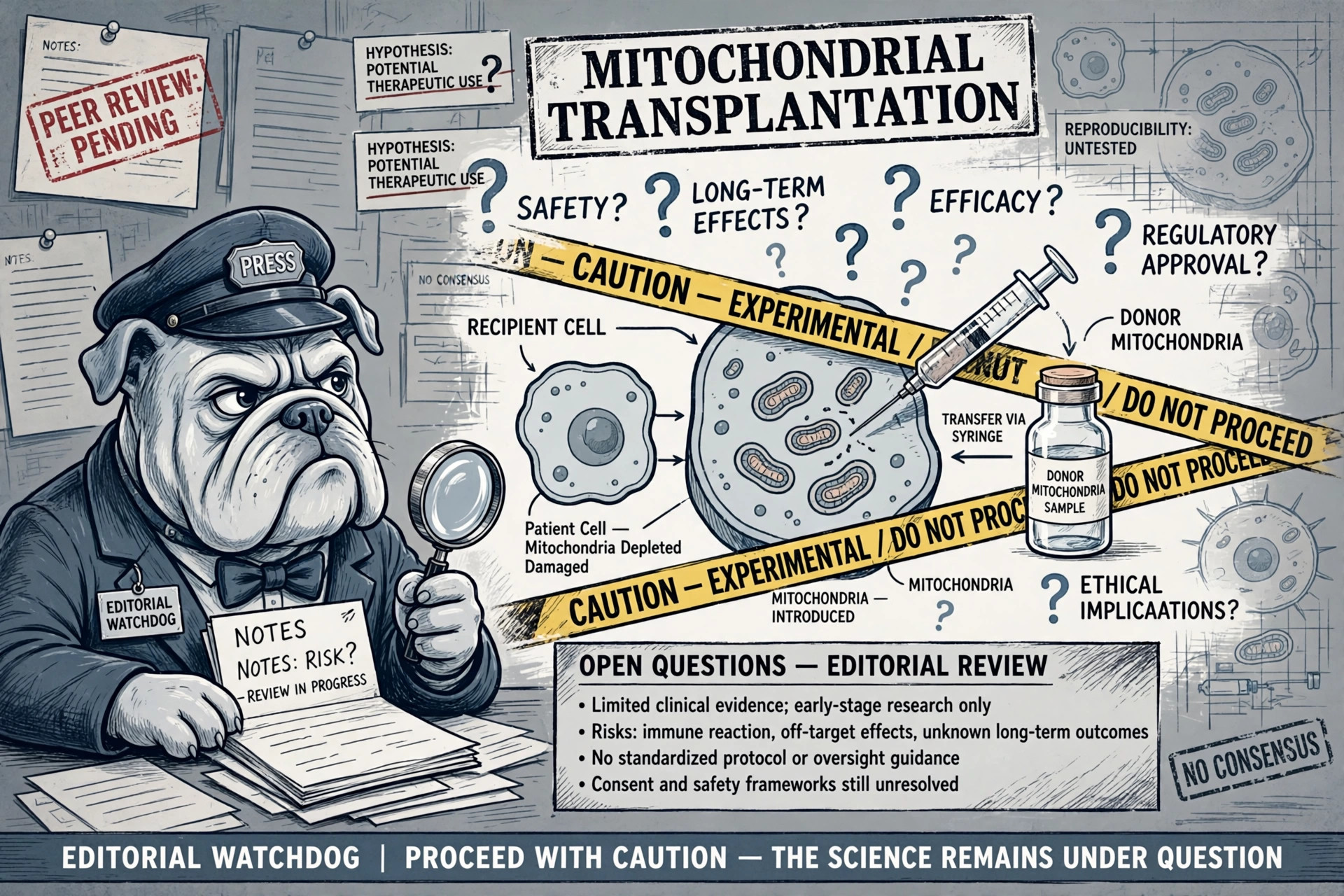
Osteoarthritis cartilage slowly loses its energy supply as chondrocyte mitochondria fail. A 2026 Frontiers in Immunology review of mitochondrial transplantation for osteoarthritis found transplanted mitochondria raised cartilage-cell ATP about 2.4-fold in culture and delayed disease in animal models — but were prone to clearance in the body, sometimes degrading within a week, which is the field's central unsolved problem.
Creatine's evidence base was built on young athletes, while its marketing increasingly targets older adults. In a Texas A&M randomized, placebo-controlled trial reported October 1, 64 adults aged 45 to 65 who finished 12 weeks on 10 grams of creatine a day gained lean tissue and strength — including about 2.4 pounds of lean tissue in the group that did not exercise — while aerobic capacity did not improve.
For two decades, molecular hydrogen (H2) was explained as a simple selective antioxidant. A Redox Biology study found H2 rapidly suppresses mitochondrial Complex III through its Rieske iron-sulfur protein, triggering its breakdown and replacement. A 2026 review in the same journal asks whether the Rieske protein is truly hydrogen's entry point — or just the first sentinel we can see — and ranks the other iron-sulfur candidates.
A study reported October 16 found that removing Earth's magnetic field lengthened the lives of Pink1-mutant fruit flies — a model of mitochondrial failure — by around 20%, while their physical performance declined. Healthy flies responded differently again. It is a fascinating mitochondrial-environment result in insects, and exactly the kind of finding that gets inflated into human longevity claims it cannot support.
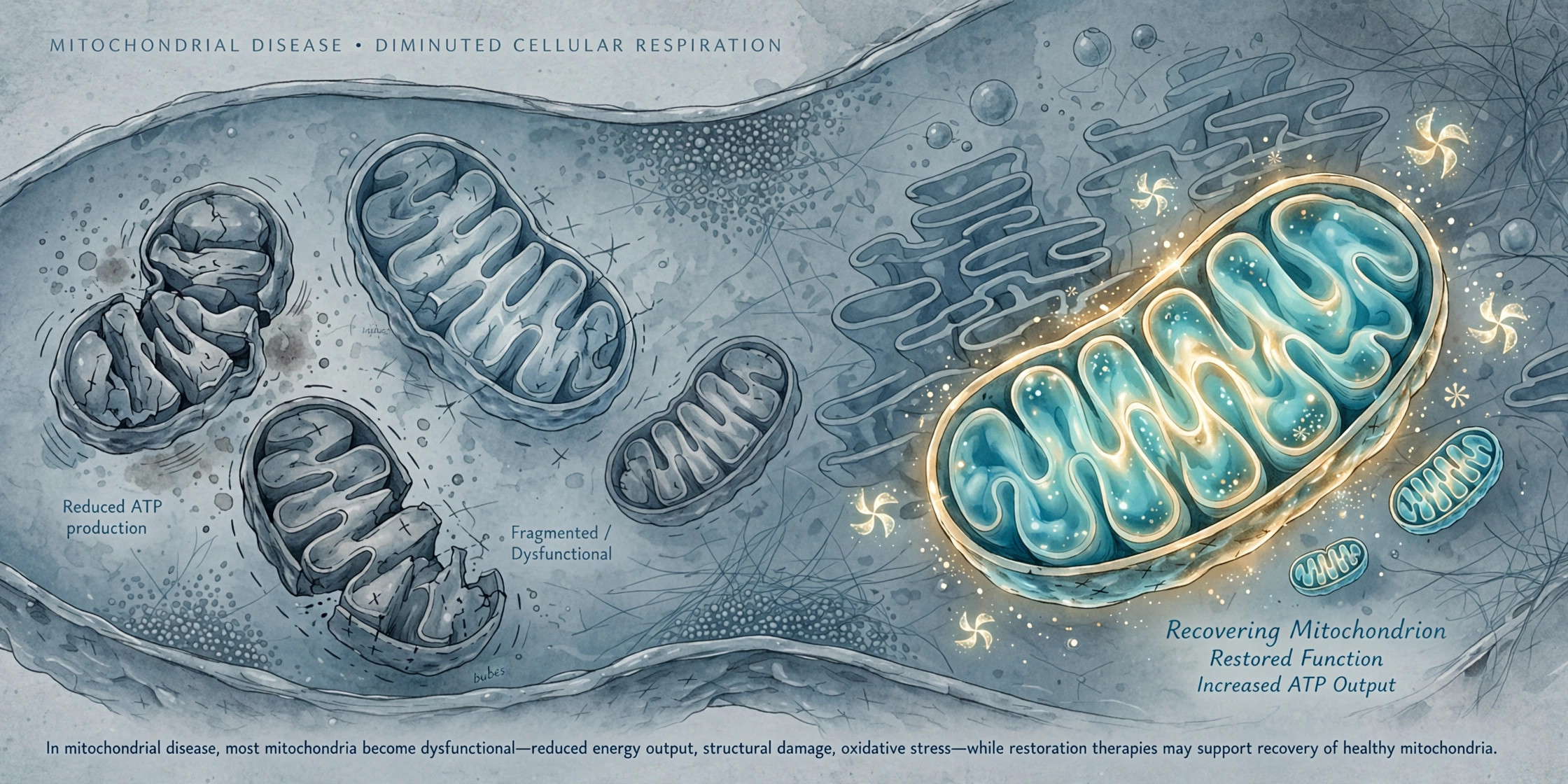
Survival in mitochondrial disease has long been guesswork drawn from small clinic cohorts. A nationwide English study in Genome Medicine linked genetic diagnoses to national health records for 1,107 people and found 80.3% were alive ten years after diagnosis — and no higher cancer rate than the general population.
Mission Therapeutics said October 15 that the first person with Parkinson's disease has received MTX325, an oral drug that blocks the USP30 enzyme to speed removal of dysfunctional mitochondria. The Phase 1b proof-of-mechanism study aims to enroll 36 people with mild to moderate Parkinson's across the UK, Europe, and Australia.
Mitochondrial transplantation usually means harvesting tissue from muscle or stem cells. A Scientific Reports study published October 14 showed mitochondria taken from ordinary blood cells (PBMCs) matched stem-cell mitochondria at restoring nerve function after crush and gap injuries in rats — a far less invasive source, if it translates.
FORZINITY (elamipretide), approved in September 2025 as the first FDA-approved therapy that targets mitochondria, has generated $17.5 million in gross revenue since its December 2025 soft launch, according to an October 14 update from its maker, Mighty Therapeutics — with a confirmatory Phase 4 trial now recruiting on four continents.
The National Institute on Aging has awarded $12 million over five years to a UTHealth Houston-led team to map how failing mitochondrial energy production shapes memory, mood, and Alzheimer's risk — including blood signatures that might flag brain energy failure years early, and how those pathways differ in women and men.
Tuberous sclerosis complex is usually attacked through the overactive mTORC1 pathway. In a Yale study published October 14 in Cells, the small molecule simufilam changed 514 proteins in TSC2-deficient human cells — many of them mitochondrial — and restored mitochondrial membrane potential without suppressing mTORC1 at all.
Neurons shed microscopic vesicles into the blood, and those vesicles carry mitochondrial DNA from inside the brain. In a Frontiers in Aging Neuroscience study published October 15, levels of that vesicle mtDNA were lower in people with mild cognitive impairment and Alzheimer's — and separated diagnosed Alzheimer's patients from healthy controls with an AUC of 0.965.
Acute myeloid leukemia cells lean on mitophagy — the recycling of worn-out mitochondria — to survive. A study published October 13 in Leukemia found that disabling the mitophagy regulators PINK1 or PHB2 made leukemia cells, including cells from 20 patients, far easier for the standard drug venetoclax to kill, in dishes and in mouse xenografts.
Diagnosing mitochondrial disease in children can take years. A study in Nature Communications distilled thousands of blood measurements into a seven-feature panel — six metabolites and one gene transcript — that distinguished affected children from unaffected ones with an AUC of 0.96 in an independent validation group, and a separate twelve-transcript score that predicted how disease would progress.
KCNQ1 is known for heart-rhythm disorders and type 2 diabetes risk. In a Communications Biology study published October 13, deleting the gene from human stem cells slowed early neuron growth and disturbed mitochondrial function and insulin signaling — a clue to why the same gene keeps appearing across heart, metabolic, and brain conditions.
Low oxygen and failing mitochondrial energy production are hallmarks of Parkinson's disease, but the connecting regulators have been unclear. A multi-omics analysis published October 13 in npj Parkinson's Disease built a seven-gene diagnostic model and, using genetic causal inference, singled out MPC2 — a carrier that ferries fuel into mitochondria — as depleted in the dopamine neurons that die in Parkinson's.
Chronic heavy drinking is a leading cause of dilated cardiomyopathy, and mitochondrial damage is part of the mechanism. In a Frontiers in Cardiovascular Medicine study, rats fed an alcohol diet for six weeks showed hundreds of gene changes in the heart's left ventricle — with the pathways that process and degrade mitochondrial RNA switched up, and daily-clock and immune-defense pathways switched down.
Terminal Schwann cells — the support cells capping the junction where nerves meet muscle — have been nearly impossible to study in place. A methods paper in the Journal of Visualized Experiments shows how to measure their mitochondrial shape and organization inside intact mouse tissue, and already picks up differences between healthy and dystrophic muscle.
In 120 people with chronic myeloid leukemia, cancer cells carrying more mitochondrial DNA damage relied less on mitochondrial energy production — and responded better to the frontline drug imatinib. Cells with fitter, more active mitochondria held out longer, pointing to a new way to spot harder-to-treat disease.
Blood samples from 10 International Space Station crew members, collected between 75 and 210 days into their missions, showed an age-dependent response to spaceflight — and, counterintuitively, the younger astronauts showed more pronounced gene changes and more severe signs of mitochondrial dysfunction.
Autosomal dominant optic atrophy — the most common inherited optic nerve disorder — is usually caused by having only half the normal amount of OPA1, a protein mitochondria need to work. At the AAO 2026 meeting, Stoke Therapeutics presented natural-history and preclinical data for STK-002, an RNA medicine designed to coax the healthy gene copy to make more OPA1; its Phase 1 OSPREY trial has finished dosing its first two cohorts.
Urolithin A — a gut-derived compound sold for healthy aging because it stimulates mitophagy, the recycling of worn-out mitochondria — failed its main test in a randomized trial published October 9 in JAMA Network Open: four weeks at 1,000 mg a day did not improve peripheral blood-vessel function versus placebo. One brain blood-flow measure moved; cognition did not.
When chronic liver disease wastes muscle, mitochondria are part of the casualty list. In a mouse study published October 13 in Scientific Reports, six weeks of resistance training preserved muscle strength, size, and mitochondrial density and breathing capacity — a non-drug proof of concept that now needs human testing.
A KFF Health News investigation published this week gathers accounts from people who say unapproved peptides such as BPC-157 left them with months of fatigue, migraines, and other symptoms — even as federal policy moves toward making many of these compounds easier to sell. None of the popular peptides at issue has passed a clinical trial.
Researchers found that the secreted tumor protein LRG1 sabotages the mitochondria of neutrophils, driving them to cast DNA "nets" that build leaky, chaotic tumor blood vessels — and blocking LRG1 made chemotherapy and immunotherapy work better in mice.
In clear cell kidney cancer, losing the chromatin protein SMARCD1 sets off a chain that fragments mitochondria and rewires tumor metabolism. The decades-old arthritis drug leflunomide restored mitochondrial function and slowed tumors in mice — including patient-derived models — and made standard therapies work better.
A new study in Materials Today Bio describes bioadhesive silicon nanosheets that slowly release molecular hydrogen inside the scrotum for a month. In naturally aged mice, sperm concentration more than doubled and abnormal sperm fell by half, through a defined chain linking hydrogen to mitochondrial fuel for developing sperm.
In a small Phase 2 trial at Amsterdam University Medical Center, three intermittent cycles of dasatinib plus quercetin improved liver fibrosis in 47% of MASH patients versus 7% on placebo - and molecular checks showed senescence signatures fading in the treated livers.
Fresh reports from the PEARL trial say low weekly doses of rapamycin slowed the DunedinPACE epigenetic aging clock - but the numbers come from company and longevity-press reporting around Oct. 8, not from a peer-reviewed journal release yet.
FDA warning letters dated Aug. 24 named the mitochondria-targeting peptide SS-31 (elamipretide) alongside GLP-1 copies being sold as unapproved drugs - and a fresh deep-dive tallies what clinic patients paying up to $1,500 a month stand to lose if the crackdown spreads.
Researchers at Nanjing Drum Tower Hospital found that MOTS-c, a peptide encoded by the mitochondrial genome, protected retinal blood-vessel cells from high-glucose injury in cell culture and preserved the blood-retinal barrier in diabetic mice.
A team at Sun Yat-sen University showed the rare sugar D-allose restored PINK1/Parkin mitophagy in spinal disc cells, stopped leaked mitochondrial DNA from triggering inflammatory alarms, and preserved disc height and hydration in mice.
Chongqing Medical University researchers identified TSPOAP1 as a previously unrecognized protector of the mitochondrial membrane pore in neurons after intracerebral hemorrhage — losing it spilled cytochrome c and drove brain cells to self-destruct.
Federal officials are weighing interim enforcement discretion that would let compounding pharmacies dispense certain restricted peptides before formal rules are written; FDA career staff say they cannot recommend it without safety and efficacy evidence.
A new GeroScience review argues that mitochondrial bioenergetic failure, cellular senescence, and sterile inflammation converge through mitochondria — and soberly notes where the evidence, including for urolithin A, falls short.
TPP compounds — the delivery vehicle used by mitochondria-targeted antioxidants — preferentially inhibited long-chain fatty-acid oxidation in isolated mouse heart mitochondria and human heart cells.
Researchers at Harbin Medical University and Harvard Medical School found that SMIP004, a small mitochondria-targeting compound, promotes the breakdown of a protein (PDHA) that keeps therapy-induced senescent tumor cells alive — killing them selectively through an energy crisis, and improving chemotherapy outcomes in mice.
An October 2026 evidence review counts 209 BPC-157 publications but only two registered clinical trials and zero human randomized trials. The July FDA advisory vote was not an approval, the peptide stays banned in sport — and gray-market vials often don’t match their labels.
Greenwich Rx Compounding Pharmacy of Tomball, Texas voluntarily recalled 10 lots of injectable glutathione on October 1 over potential elevated endotoxin, after two people needed emergency care. It is the fourth Texas compounding pharmacy to pull glutathione products since July.
In Pharmacology Research & Perspectives, researchers showed metformin and phenformin dose-dependently rescued lung and ovarian cancer cells from cysteine-deprivation ferroptosis by suppressing mitochondrial dysfunction — independent of the glutathione system, at doses far above clinical levels, and in a cell-type-specific way.
A hypothesis paper in Frontiers in Microbiology proposes that mitochondrial ATP-synthase motors are sensitive to deuterium — heavy hydrogen — and that small gases made by gut microbes (H2, methane, ammonia, H2S) arrive naturally depleted in it. Intriguing physics; zero experiments so far.
Across nine Cell papers, teams from Harvard, the Broad Institute, and Mass General Brigham catalogued the mitochondrial proteins of parasites including Babesia — 525 proteins, the most comprehensive such inventory for its group — offering new drug targets for babesiosis, malaria, and toxoplasmosis.
Using patient-derived stem cells, researchers showed astrocytes carrying the C9ORF72 mutation directly impair mitochondrial transport in motor neuron axons — and boosting the astrocytes' mitochondrial metabolism reversed the deficit.
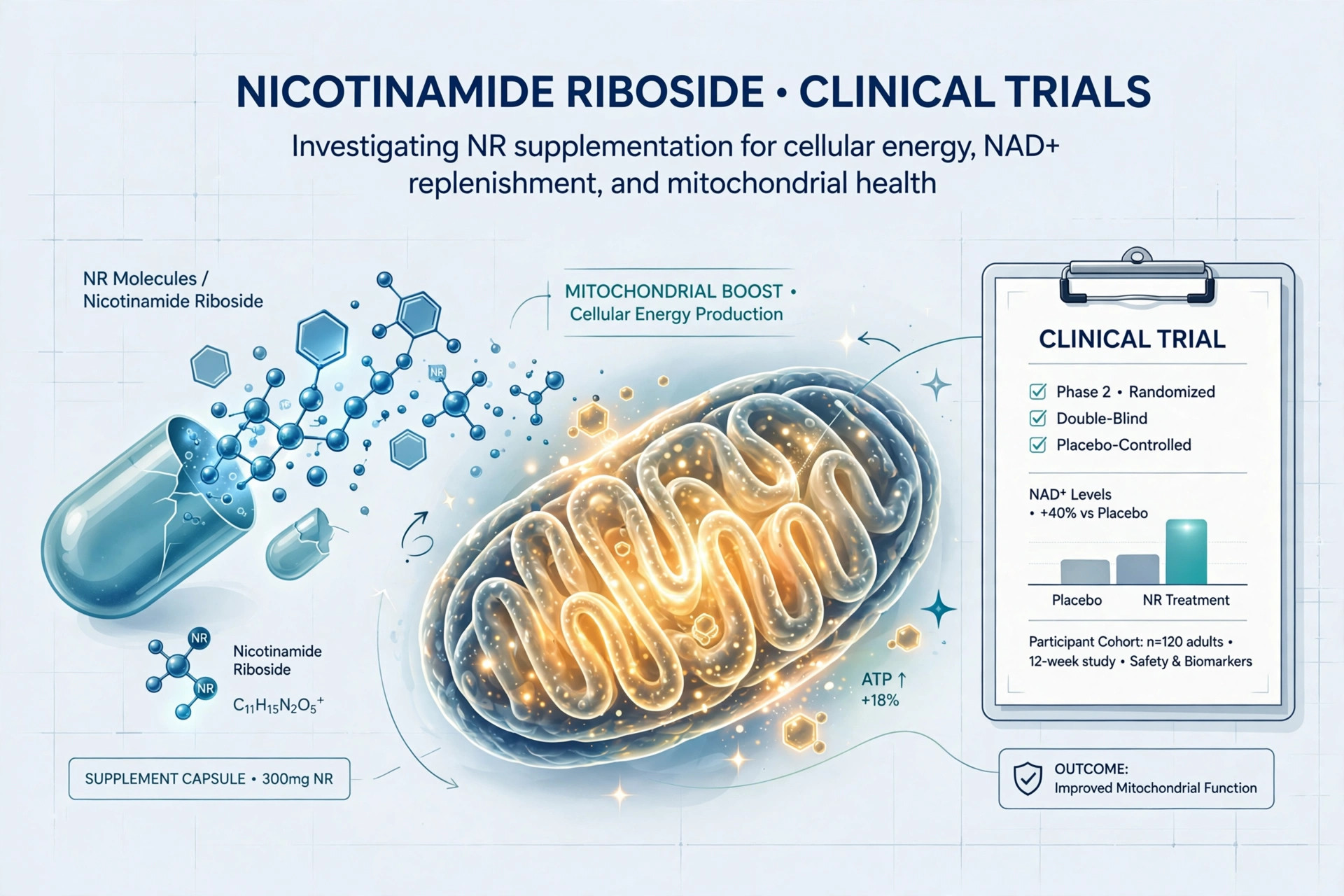
The 410-person NOPARK Phase 3 trial found nicotinamide riboside did not slow early Parkinson's disease — outcomes averaged slightly worse than placebo, though the difference fell below clinical importance.
A Science Advances study of Jonathan, the 194-year-old Aldabra tortoise, found 272 mitochondrial-function genes with promoters as youthful as a 5-year-old's — while 91-year-old tortoises' looked their age.
GenSight's GS030 — an AAV gene therapy that makes retinal ganglion cells light-sensitive, paired with amber-light goggles — showed meaningful light-sensitivity gains in 6 of 10 late-stage retinitis pigmentosa patients in the PIONEER Phase 1/2 trial, published in NEJM.
In 934 people from France's I-GIVE cohort, mitochondrial markers (mtDNA copy number, cell-free mtDNA, lactate) plus inflammation signals distinguished schizophrenia and bipolar patients from controls — and moderately separated the two disorders.
Prepubertal NMN improved hippocampal neurogenesis markers, mitochondrial health, and maze performance in a two-hit mouse model of schizophrenia — with the authors' explicit warning that this is no reason to give NMN to children.
In Brain, researchers report the first single-cell look at mitochondrial DNA in the brainstem neurons Parkinson's attacks first — and found a quality-control gene, PINK1, rising to meet the damage, especially in longer survivors.
A multi-cancer analysis in The FEBS Journal ties mitochondrial DNA copy number to tumor mutational load, tumor growth genes, and chemotherapy-response genes — positioning mtDNA as a possible guide to cancer management.
At the MDS 2026 congress, researchers reported that vutiglabridin — a metabolic drug that binds the mitochondrial enzyme PON2 — improved motor scores over placebo at 24 weeks in a randomized, double-blind Phase 2a trial in early Parkinson's.
Jupiter Neurosciences has dosed the first patient in RESET, a Phase 2a trial of JOTROL — a micellar trans-resveratrol formulation aimed at the mitochondrial dysfunction, oxidative stress, and neuroinflammation implicated in Parkinson's. The company is simultaneously exploring strategic options.
A new review in Frontiers in Physiology argues that mitochondrial transplantation — moving healthy mitochondria into damaged tissue — can't scale until the field solves the unglamorous problem first: isolating viable mitochondria without damaging them.
A new Frontiers in Aging Neuroscience perspective proposes testing whether molecular hydrogen can modify the smell-loss pathways of early Alzheimer's — and states plainly that direct evidence doesn't exist yet. That's the honest version of a story the wellness world often tells without the caveat.
A large international study validates functional testing from skin-biopsy fibroblasts, closing the gap left when genetic tests come back inconclusive — and the tests are now available clinically through Children's Colorado's Mitochondrial Diagnostic Laboratory.
Using computer simulations plus a new experimental method, researchers mapped how the Mic60-Mic19 protein pair forms a flexible gate at the mitochondrial cristae — and showed a disease-linked mutation distorts it.
In GeroScience, researchers trace the blinding scarring of macular degeneration to a sabotaged mitophagy chain: excess LAPTM5 destroys the ligase that tags broken mitochondria, their DNA leaks, and the immune system fires — but blocking the cascade reversed scarring in aged mice.
Mice pretreated with the mitophagy-promoting compound before sleep deprivation kept their memory scores and dodged the inflammation and mitochondrial fragmentation that lost sleep caused — but the compound was injected, not swallowed, and the mechanism is correlational.
A week of elamipretide restored youthful fertility in middle-aged mice by rescuing mitochondrial energy in oocytes; in a small human experiment, eggs from women 35 and older matured and fertilized better. The benefit faded after a month, and the human sample was tiny.
Life Biosciences will present interim Phase 1 results for ER-100 — an OSK epigenetic-reprogramming therapy for glaucoma and NAION — on October 8 in New Orleans. The trial measures safety and visual function; eyes are a natural proving ground because retinal ganglion cells live or die on mitochondrial energy.
The FDA’s Pharmacy Compounding Advisory Committee voted to recommend BPC-157, TB-500, KPV, MOTS-c, Semax, and Epitalon for the 503A bulk list — against the unanimous recommendation of the FDA’s own scientists. The vote changes nothing yet: compounding these substances remains unlawful until formal rulemaking is complete.
In August, the FDA sent warning letters to clinics — including R3 Medical Companies — over unapproved exosome products and false claims. No exosome product is FDA-approved; the agency first issued a safety notification about them back in 2019.
In a 93-patient clinical cohort plus mouse experiments, high-frequency rTMS restored the mitochondrial fission protein Drp1 in motor-cortex neurons — the first causal link between noninvasive brain stimulation and mitochondrial dynamics.
In iScience, researchers found NDUFAF2 — a complex I assembly factor — upregulated in aneurysm-model mouse aortas; switching it off stabilized vessel walls by restoring mitochondrial fusion and cutting ROS-driven cell death.
Cologne researchers found leucine dials down SEL1L, a quality-control protein — leaving more energy-making machinery in place. The lead scientist warns the same trick could backfire, since that cleanup also removes damaged proteins.
Eli Lilly presented a small tirzepatide pilot in which epigenetic clocks ticked slower than elapsed time; Novo Nordisk reportedly claimed 3–4 years of biological-age reversal for semaglutide from unpublished data. A new review maps the GLP-1–mitochondria axis — and says direct human mitochondrial data is still missing.
A new Aging Cell study found that injecting healthy mitochondria into the blood of aged mice restored heart function and cleared a “traffic jam” of half-digested mitochondria — by quieting an energy-sensing HIF-3α→BNIP3 axis that floods aging hearts with cleanup receptors when ATP falls.
In Science, researchers identified SLC25A34, a mitochondrial carrier in brown fat controlled by a circadian clock protein, cold exposure, and dietary fat — silencing it cut fuel burning in human brown fat cells, and people with more of it in their fat tended to be leaner.
The best-known mitochondria-targeted antioxidant has human trial data — and it’s thinner than the marketing: small trials found MitoQ lowered mitochondrial hydrogen peroxide emission without changing respiratory capacity, with strength gains only in adults over 70.
At the EASD meeting in Milan, MitoRx Therapeutics presented 56 days of mouse data on MTRX31, a small molecule designed to reset how mitochondria switch between burning fat and carbohydrates: electron microscopy showed restored mitochondrial density in liver tissue and reduced liver fat.
Using quantitative PCR on blood samples, researchers found mitochondrial DNA copy number was significantly lower in Parkinson’s patients than in healthy controls — and also lower than in multiple system atrophy, a neurodegenerative disorder that’s hard to distinguish clinically.
A Chinese team engineered mitochondrial delivery systems reaching ~80% cellular uptake in a dish — real science, but strictly preclinical. Meanwhile, analysts warn that clinics already selling “mitochondrial infusions” for anti-aging are operating ahead of any approved product, and damaged mitochondria can provoke inflammation.
Clene plans to file a new drug application for CNM-Au8 — an oral gold nanocrystal suspension designed to support mitochondrial function in ALS — with a possible FDA decision by mid-2027, after trial results that missed the main goal but showed other signals.
A new Nature-portfolio study traced food-chain microplastics through mice and found damage across the liver, kidney and lungs; laboratory work it cites shows microplastics can impair the brain's blood-vessel cells by triggering mitochondrial dysfunction.
Seven days of elamipretide (SS-31) — the cardiolipin-binding peptide already approved for Barth syndrome — more than doubled egg yield in 10-month-old mice, but the small human-egg experiments don't yet clear the statistical bar.
A Frontiers in Aging review of the human evidence on IV NAD+ finds solid mechanistic reasons it could support mitochondria — then concludes the clinical proof for wellness use just isn't there yet.
A new meta-analysis of 14 randomized trials finds IV vitamin C may lower sepsis mortality at moderate doses — but high doses show no benefit and, the authors warn, could flip ascorbate into a pro-oxidant that worsens mitochondrial damage.
Researchers have identified DUSP4 as the controller of a new DUSP4–CRTC3–UCP1 pathway that drives mitochondrial biogenesis genes and calorie-burning thermogenesis in fat — a potential future target in obesity.
RAB1A and RAB1B proteins link the autophagy adaptor OPTN to membrane-building ATG9A vesicles, showing how cells mark the spot where a damaged mitochondrion gets wrapped for recycling, according to a new study from the Tokyo Metropolitan Institute of Medical Science.
Pushing protein past moderate levels shortened fruit-fly lifespan by activating the gene CG6415 — the fly version of the human AMT gene — which suppressed mitochondrial energy production. Isoleucine emerged as the key dietary trigger, with human cells confirming the mechanism.
A sweeping review of 71 human trials for primary mitochondrial disease (2000–2025) finds that broad antioxidant and metabolic approaches mostly failed, while precision strategies — nucleoside and gene therapies matched to exact genetic defects — delivered the field's first approvals.
A new review in Nutrients (Yonsei University) finds that proposed mitochondrial mechanisms for ketogenic diets and beta-hydroxybutyrate are 'plausible but not established,' that most human studies never measured mitochondrial outcomes — and that effects appear genotype-dependent, with possible harm in POLG-related disease and mtDNA-deletion myopathy.
The NheABC toxin of Bacillus cereus — best known for food poisoning — punches holes in cell membranes and damages mitochondria in wounded tissue, with the mitochondrial lipid cardiolipin amplifying the damage, researchers at Umeå University report.
The first head-to-head transcriptomic comparison of urolithin A and urolithin B in human skeletal-muscle cells (donors aged 55–96) found urolithin A dampened inflammatory signaling and boosted the antioxidant enzyme NQO1 — consistent with its mitophagy role — while urolithin B pushed cholesterol/adipogenesis and muscle-regeneration pathways instead.
In intestinal cells starved of oxygen and then re-supplied, hydrogen-rich gas restored mitochondrial membrane potential, boosted ATP production, and quieted the hypoxia alarms HIF1α and PDK1 — new mechanistic clues for the hydrogen watch.
A Cell study catalogs the mitochondrial protein inventories of plants, parasites, and humans — finding that Leishmania and Trypanosoma carry mitochondrial proteomes 50% larger than ours, and that more than half of all these proteins have unknown functions. All the data is open at mitocarta.org.
Celebrities made NAD infusions a status symbol. A USA Today report walks through the gap between the marketing and the science: mouse studies on NAD precursors, a 14-person 2026 study that looked only at short-term safety, and no human data on lifespan or aging.
University of Missouri researchers found endurance exercise remodels the mitochondrial Krebs cycle in liver cells through distinct pathways in male and female rats — females built more energy-cycle proteins, males remodeled existing ones.
In Cell Death & Disease, Alexander Becker and colleagues show that MIC13-linked disruption of mitochondrial cristae — the inner-membrane folds where energy is made — triggers metabolic failure and early fibrotic remodeling in a liver disease model.
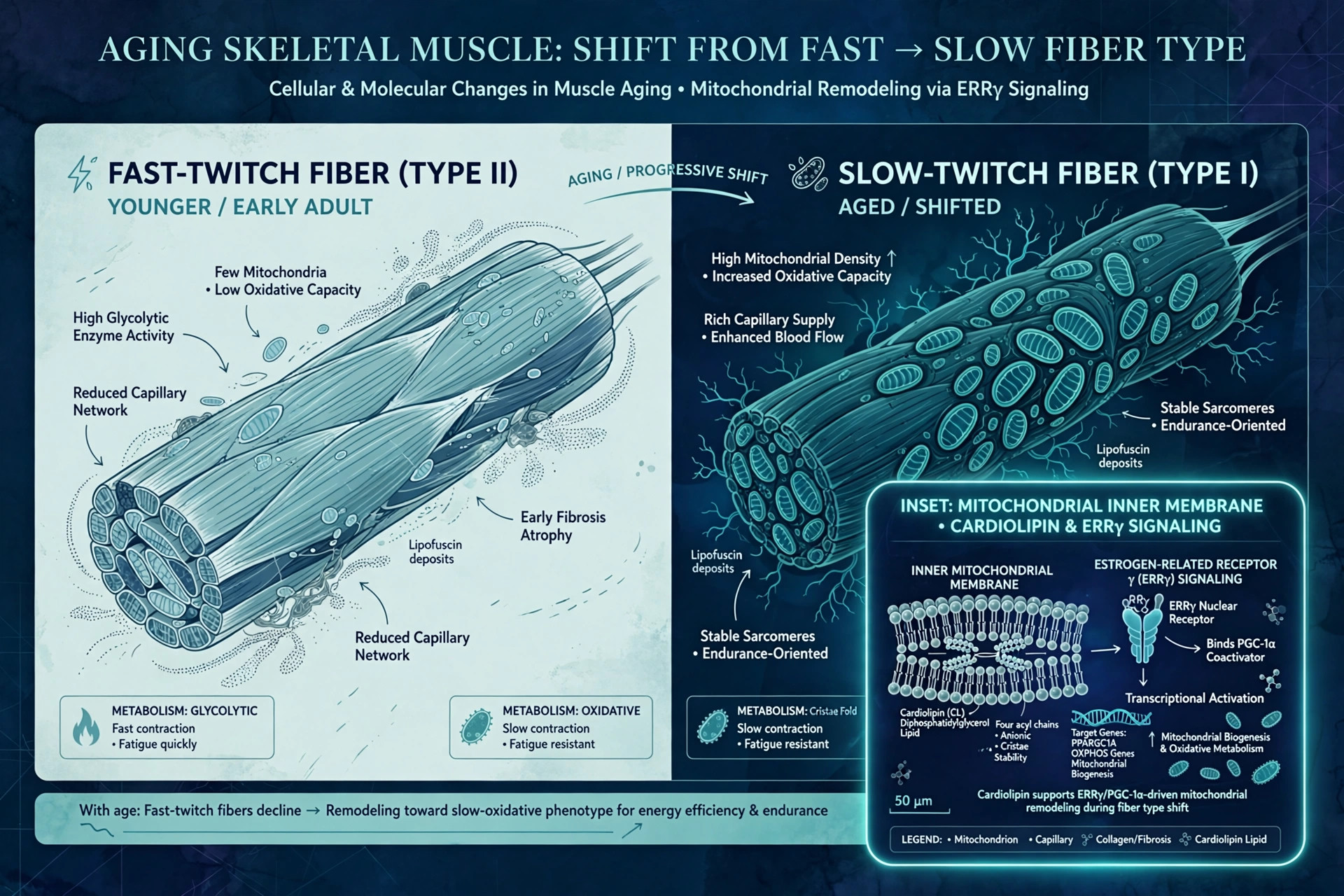
A Nature study finds the mitochondrial membrane lipid cardiolipin, acting through estrogen-related receptor γ, controls whether aging muscle keeps its fast fibers or shifts to slow — a new lever on sarcopenia.
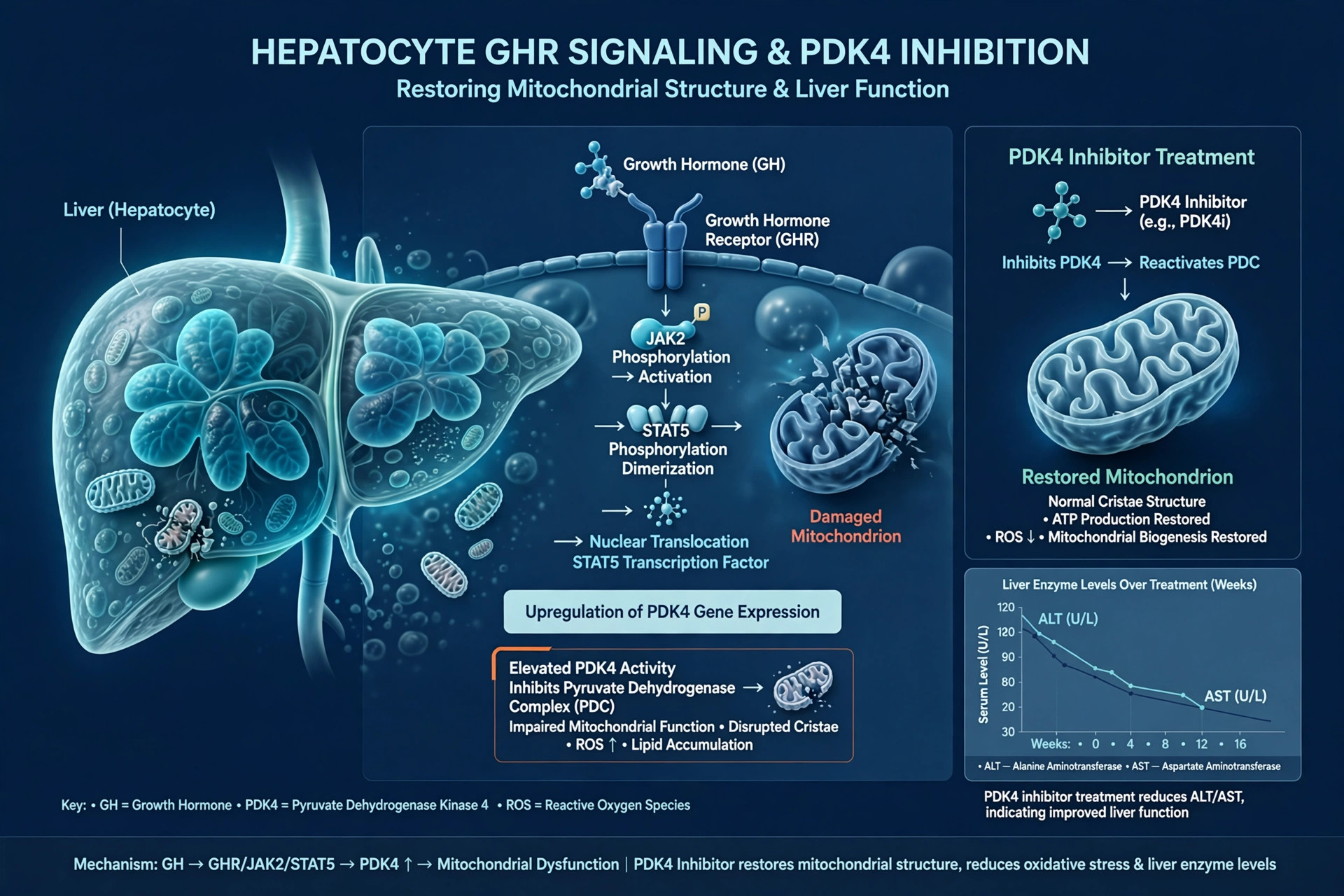
Knocking out the growth hormone receptor only in liver cells produced fatty liver, mitochondrial failure, and early aging in mice; a PDK4 inhibitor restored mitochondrial structure and cut inflammation.
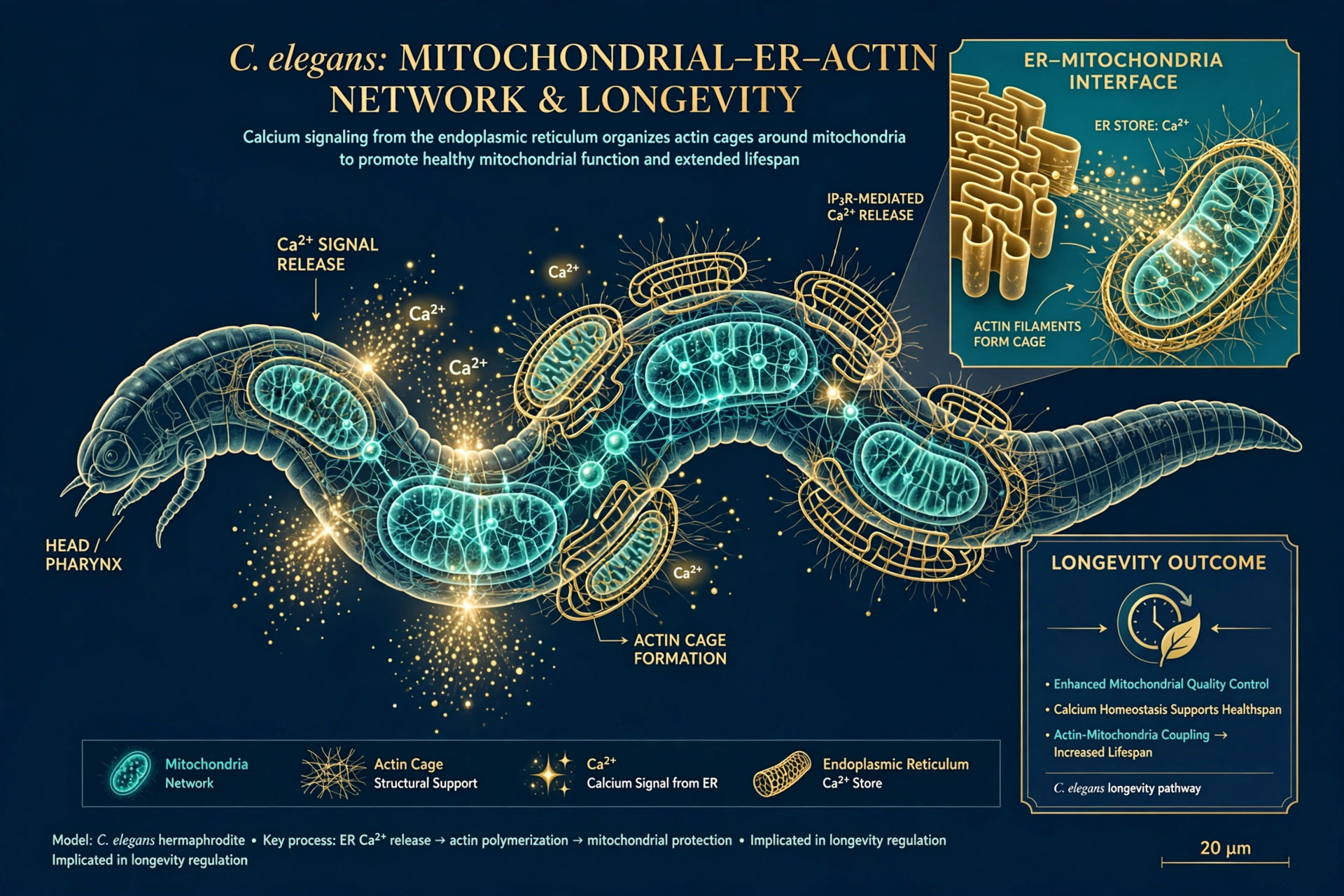
In C. elegans, mild mitochondrial stress extends life — but only if ER calcium signaling builds actin 'cages' that keep mitochondria in check. The pathway links two failures that co-occur in aging brain disease.
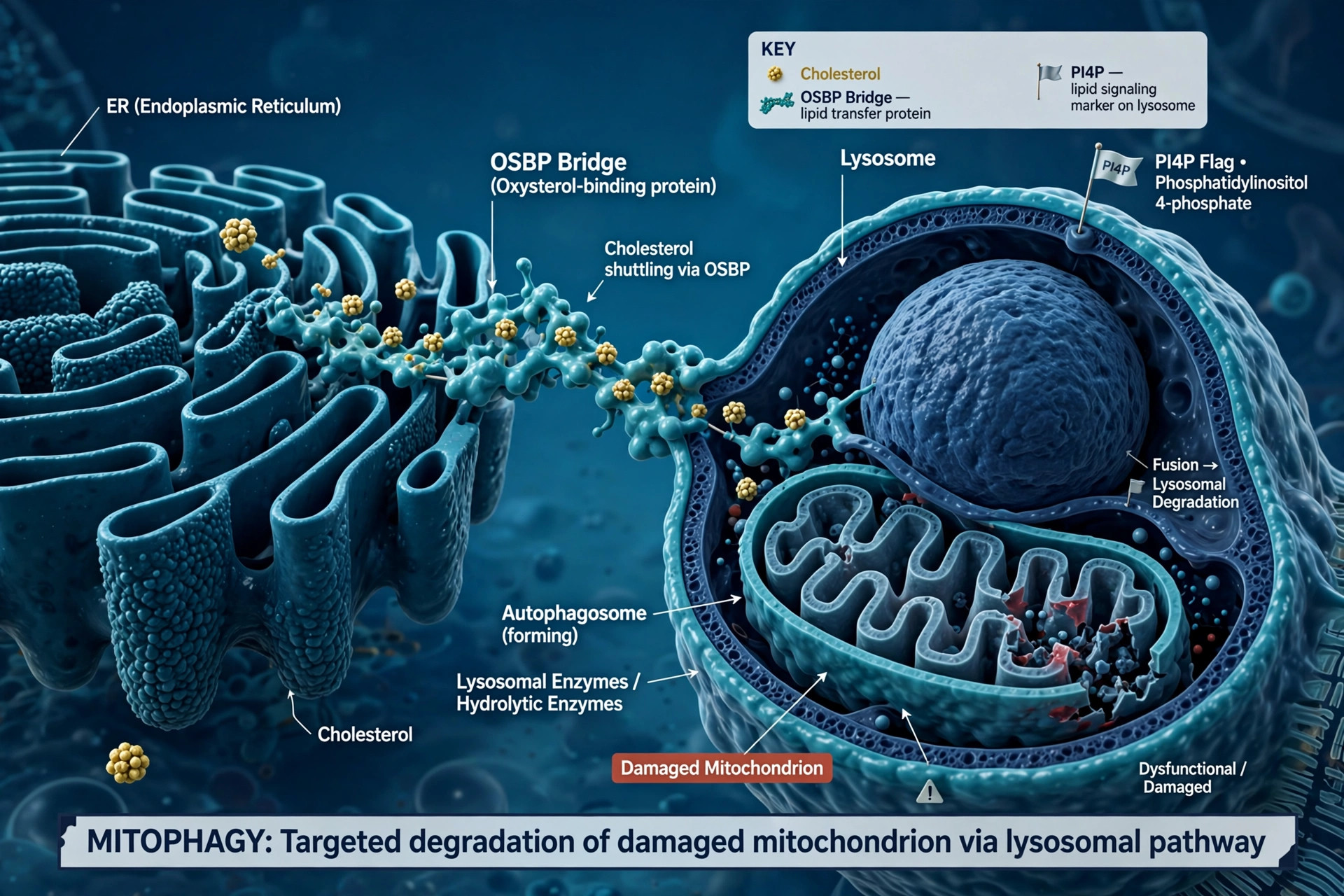
When damaged mitochondria land in lysosomes, cholesterol rushes in to armor the recycler's membrane. A Nature Communications study maps the PI4P–OSBP supply chain — and why its failure may matter in Parkinson's and Alzheimer's.
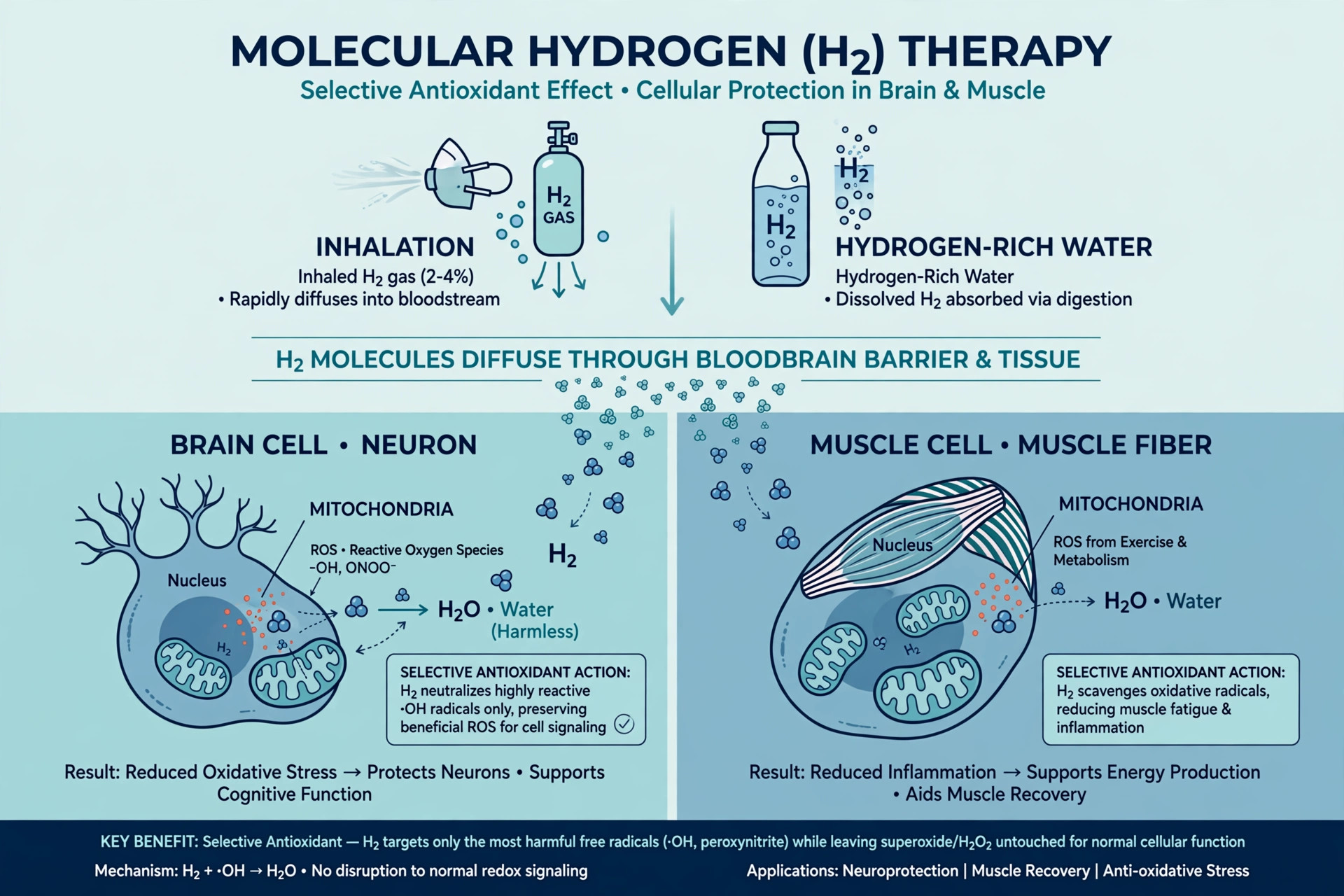
A new Frontiers in Pharmacology review maps 2,000+ papers on molecular hydrogen — selective antioxidant, mitochondrial penetrant, promising in small trials, inconsistent in large ones. Here is the graded picture.
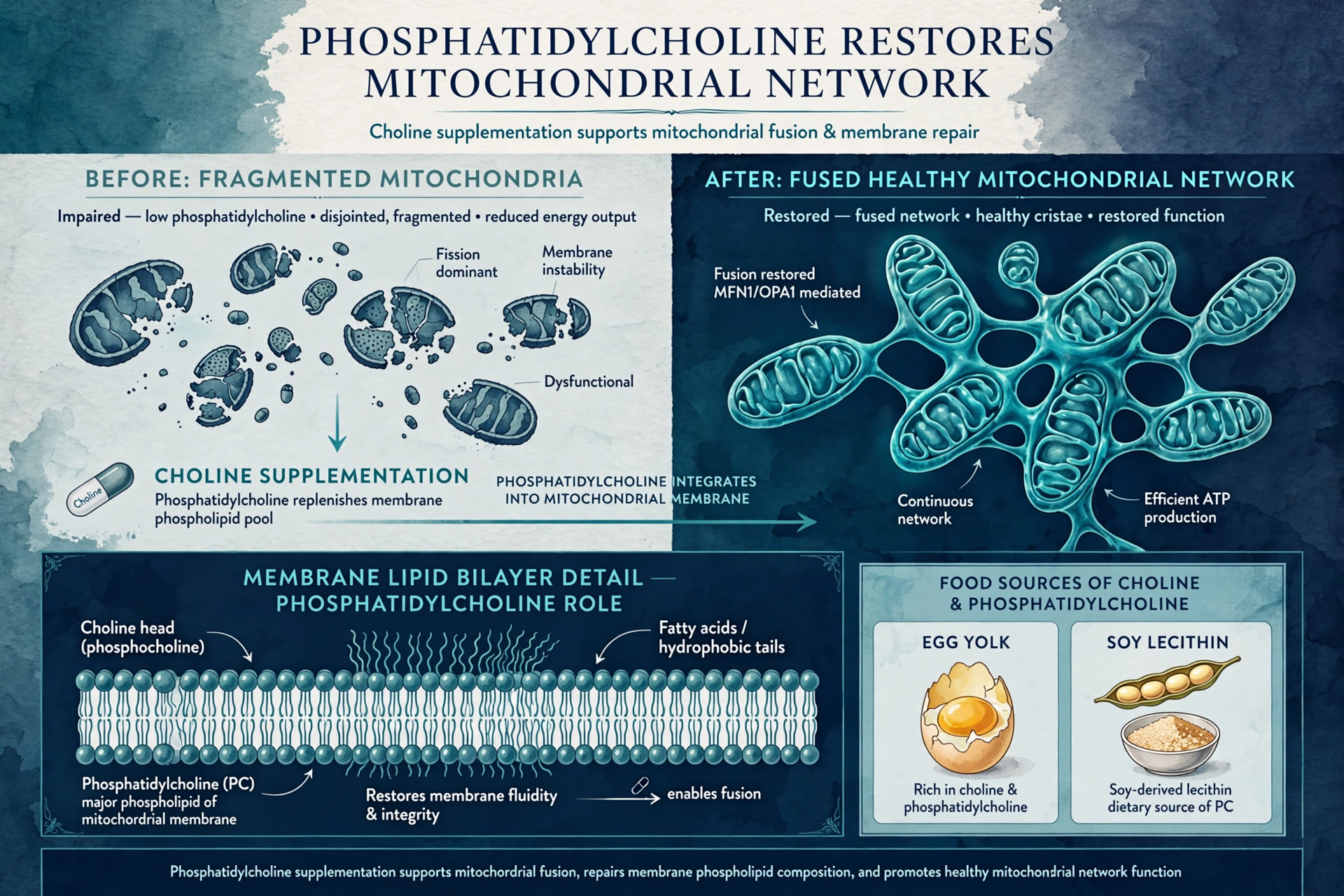
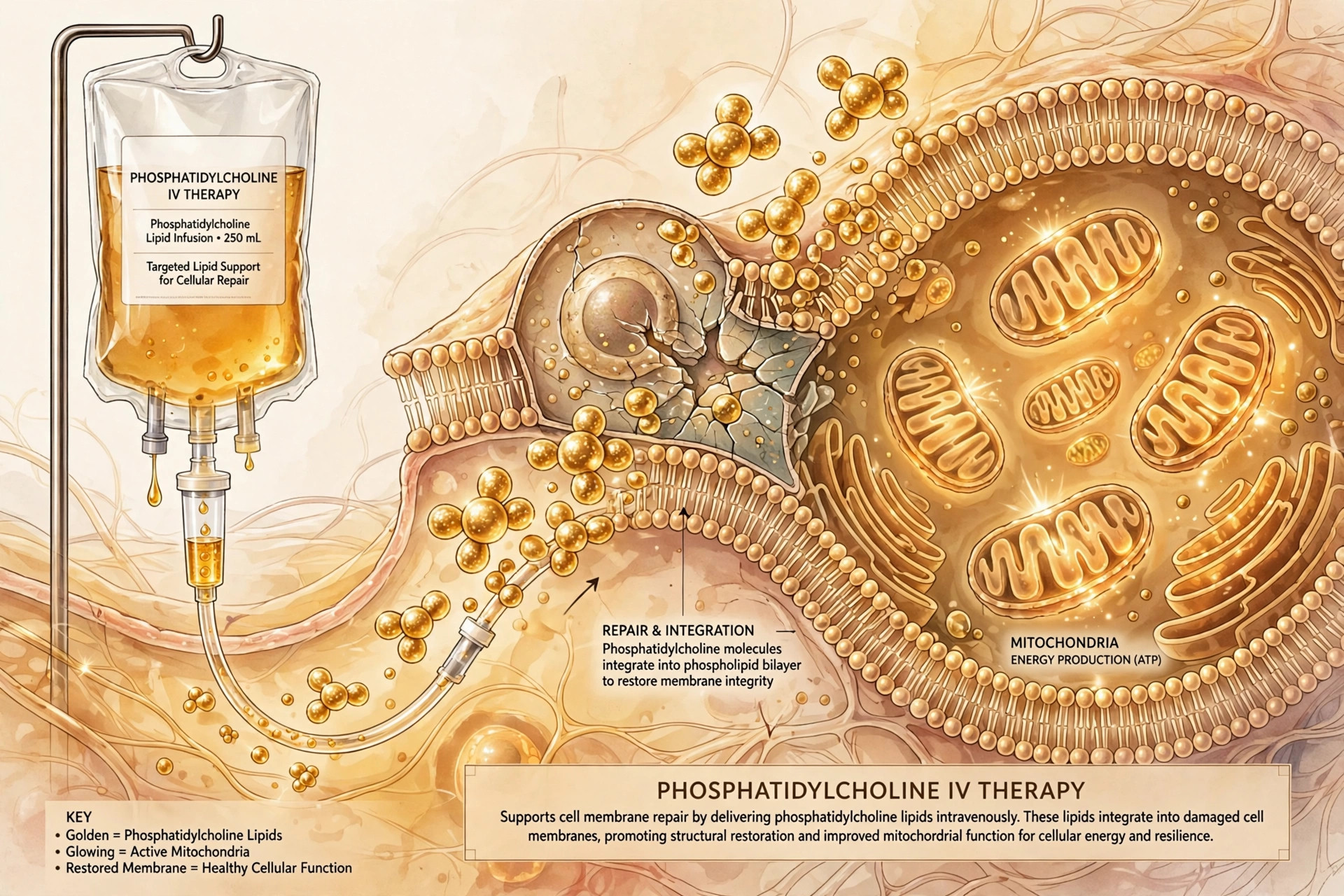
A Nature Communications study finds age-related loss of phosphatidylcholine synthesis fragments mitochondrial networks; boosting PC restored integrity in aged worms in 2 days and resilience in human cells. The steepest human drop: women near menopause.
A PNAS study found exercise's anti-aging benefits in aged mice and frail adults (average age 78) came from remodeling mitochondria in muscle — and genetically blocking that remodeling erased the benefits, proving causation.
Researchers in Milan coated mitochondria with metal-organic frameworks at tiny concentrations without harming their function — a step toward armored mitochondria built for transplantation.
A Frontiers in Aging narrative review finds only small, uncontrolled human studies behind IV NAD+ — and cites new data suggesting blood NAD+ doesn't decline with healthy aging itself.
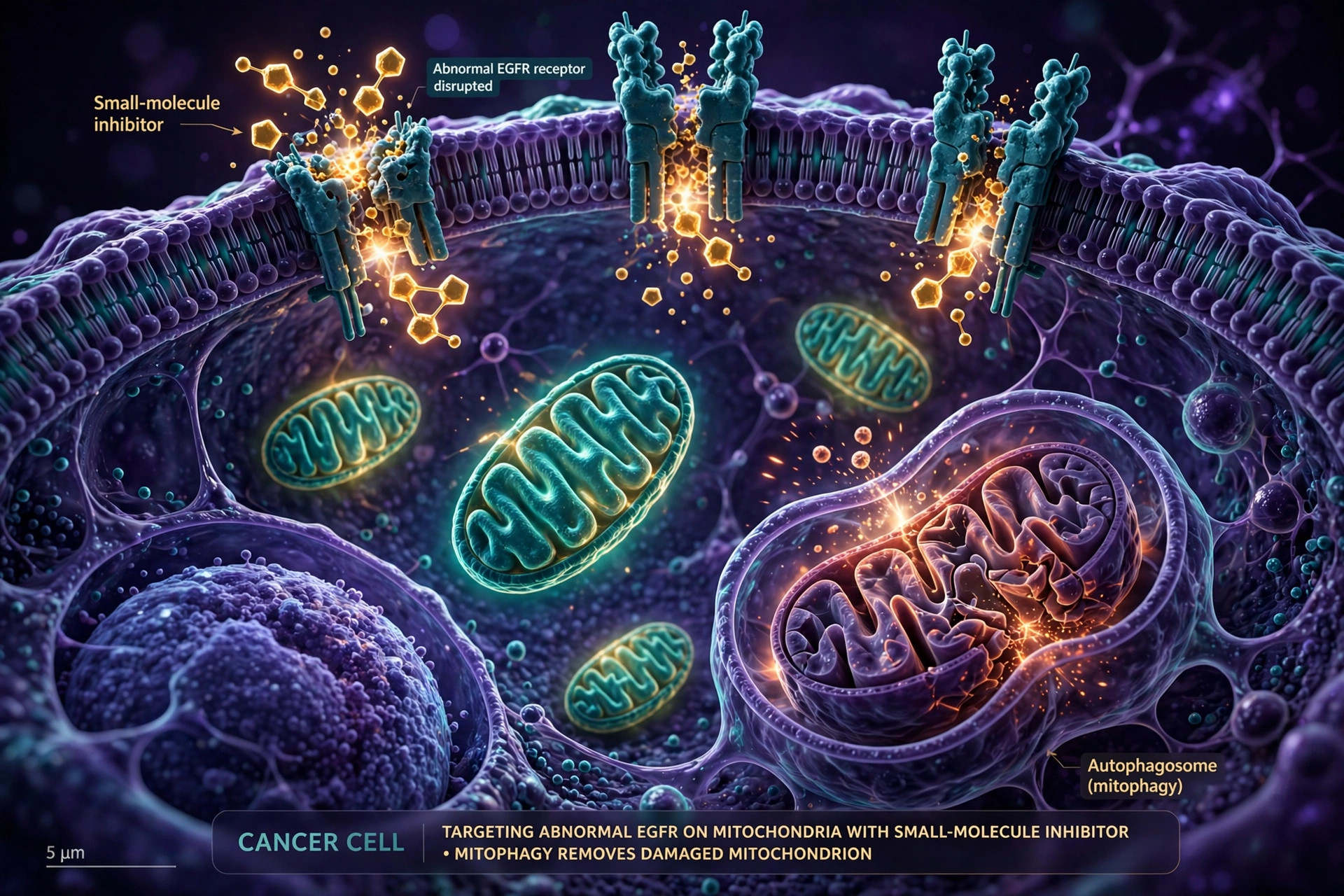
Triple-negative breast cancer hides EGFR inside mitochondria to drive growth; screening found cetrimonium bromide degrades it, triggering mitophagy and blocking tumor spread in lab models.
A new review of 71 primary mitochondrial-disease trials finds elamipretide's big Phase 3 missed its endpoints while genetically-targeted drugs like Kygevvi won approvals — and broad enrollment kept diluting the signal.
Vance and Kennedy closed the MAHA Summit promising every American's health records on their phone with AI second opinions. AI can organize records — but a thousand-page chart is not a mitochondrial workup.
Your mitochondria don't just burn fuel — they use quantum tunneling to move electrons. Here's the real, textbook-established science, where it ends, and where the wonder honestly begins.
A new Nature Aging study finds that age-related decline in cardiolipin — a fat found almost only in mitochondrial membranes — drives aging muscle's paradoxical shift to slow-twitch fibers, and partially restoring it reversed wasting in mice.
Activating the Flt3 receptor on macrophages prompted the immune cells to transfer healthy mitochondria into injured heart-muscle cells after a heart attack in animal models, reducing harmful remodeling.
In 256 middle-aged adults, habitual light activity like walking was associated with higher leukocyte mitochondrial DNA copy number; sedentary time and vigorous exercise showed no link.
A new Frontiers in Neuroscience review synthesizes the full clinical spectrum of MT-CYB-associated mitochondrial disease — a reference for when to suspect complex III disorders and what genetic testing can reveal.
Three weeks of the mitochondria-targeted peptide SS-31 restored follicle counts, hormones, and mitochondrial membrane potential in a mouse model of cisplatin-induced premature ovarian failure.
Centric Compounding recalled injectable glutathione and Myers' cocktail vials over elevated endotoxin; the CDC links 25+ illnesses in four states to injections compounded with supplement-grade glutathione.
The Houston company will keynote the 17th World Congress on Targeting Mitochondria with PTC-2105, a mitochondria-targeted geropeptide aimed at sarcopenia — with a merger closing expected in Q4.
The MOTS-MET Phase 2a trial (NCT07505745) is recruiting adults with prediabetes for 12 weeks of investigational MOTS-c. No completed human trial shows it improves endurance, strength, or weight — and it's WADA-prohibited.
VP Vance and HHS Secretary Kennedy headline today's MAHA Summit in D.C., with panels on food-as-medicine, sleep, and cancer prevention. Grassroots activists say corporate sponsors have captured the movement — a credibility question worth watching.
In an 8-patient Cambridge trial, high-dose oral nicotinamide riboside improved muscle mitochondrial markers — but only in patients with single mtDNA deletions, not the common m.3243 variant.
A new Frontiers in Aging narrative review lays out the mitochondrial mechanisms, then concedes the awkward part: no eligible clinical-outcomes trials of IV NAD+ itself for anti-aging or wellness.
University of Minnesota researchers identified clustered, damaged mitochondria inside nerve fibers in Alzheimer's brains — suggesting early lysosome failure may precede amyloid plaques.
Mount Sinai's Mseek enzymatically deletes nuclear DNA to leave highly pure mtDNA for deep sequencing — a potential step toward using mtDNA as a clinical biomarker.
Warning letters dated August 24, posted September 1, cite five online sellers for marketing SS-31/elamipretide and other peptides as unapproved drugs. “Research use only” disclaimers didn't shield them.
A Frontiers in Pharmacology review synthesizes how molecular hydrogen interacts with mitochondria — Nrf2/HO-1, fission/fusion balance, mitophagy — while human evidence stays early.
An April 2026 study found age-related decline in phosphatidylcholine synthesis fragments mitochondrial networks — and restoring it rebuilt youthful mitochondria in worms and human cells. No human interventional trial yet.
Heidelberg and Freiburg researchers found the enzyme ICP55 essential for stabilizing HSP60 and respiratory-chain complexes. A new mechanistic starting point for mitochondrial disease.
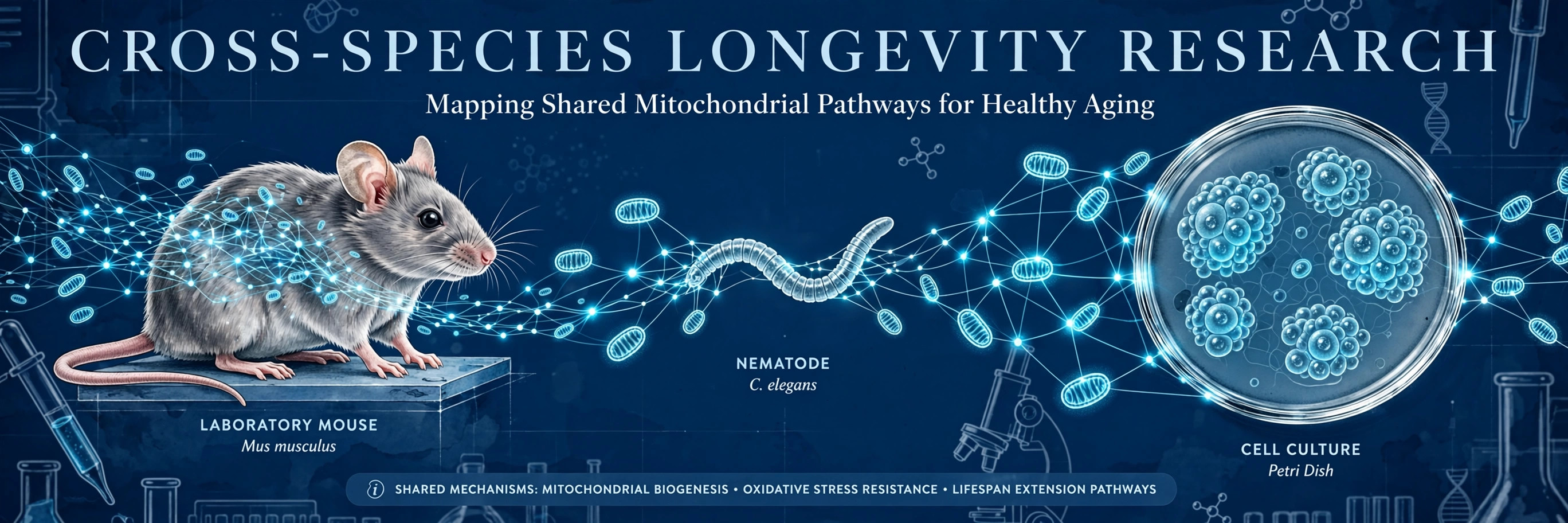
A rigorous cross-species geroprotector screen across yeast, worms, flies and killifish reports notable negative results: rapamycin and metformin failed in killifish; metformin and resveratrol failed in mice.
A Tohoku University team reports the synthetic molecule MA-5 increased ATP output and mitochondrial motility in patient-derived ALS motor neurons and improved movement in ALS-mutant fruit flies.
A new Frontiers in Pharmacology review summarizes clinical trials of molecular hydrogen: it reaches neuronal mitochondria, but the authors say large trials are inconsistent and mechanisms remain incompletely clarified.
The Rieske iron-sulfur protein discovery gives hydrogen a candidate mitochondrial target; Dr. Jill Carnahan reframes it as 'mitochondrial signal conditioning' — while China approves a hydrogen inhalation device.
Eos SENOLYTIX will present MitoXcel mitochondria-targeted geropeptides at the 17th World Congress on Targeting Mitochondria; a Mighty Therapeutics/UW elamipretide team won an XPRIZE Healthspan Milestone 2 Award.
Vitafusion launched Vital NMN gummies on September 16 after the FDA's late-2025 NMN reversal — but a 2026 Nutrients systematic review of 15 RCTs found no significant effects on weight, glucose or lipids.
Andrew Huberman says he takes a longevity supplement daily 'for the effect it appears to give me' while stating it won't extend his life — citing a 2026 systematic review finding NAD-boosting evidence inconclusive for anti-aging.
The best human cognition evidence for methylene blue remains a single 2016 RCT of 26 adults, never replicated in a clinical program. A 2026 Aging study found mitochondrial support for hair-follicle stem cells — preliminary.
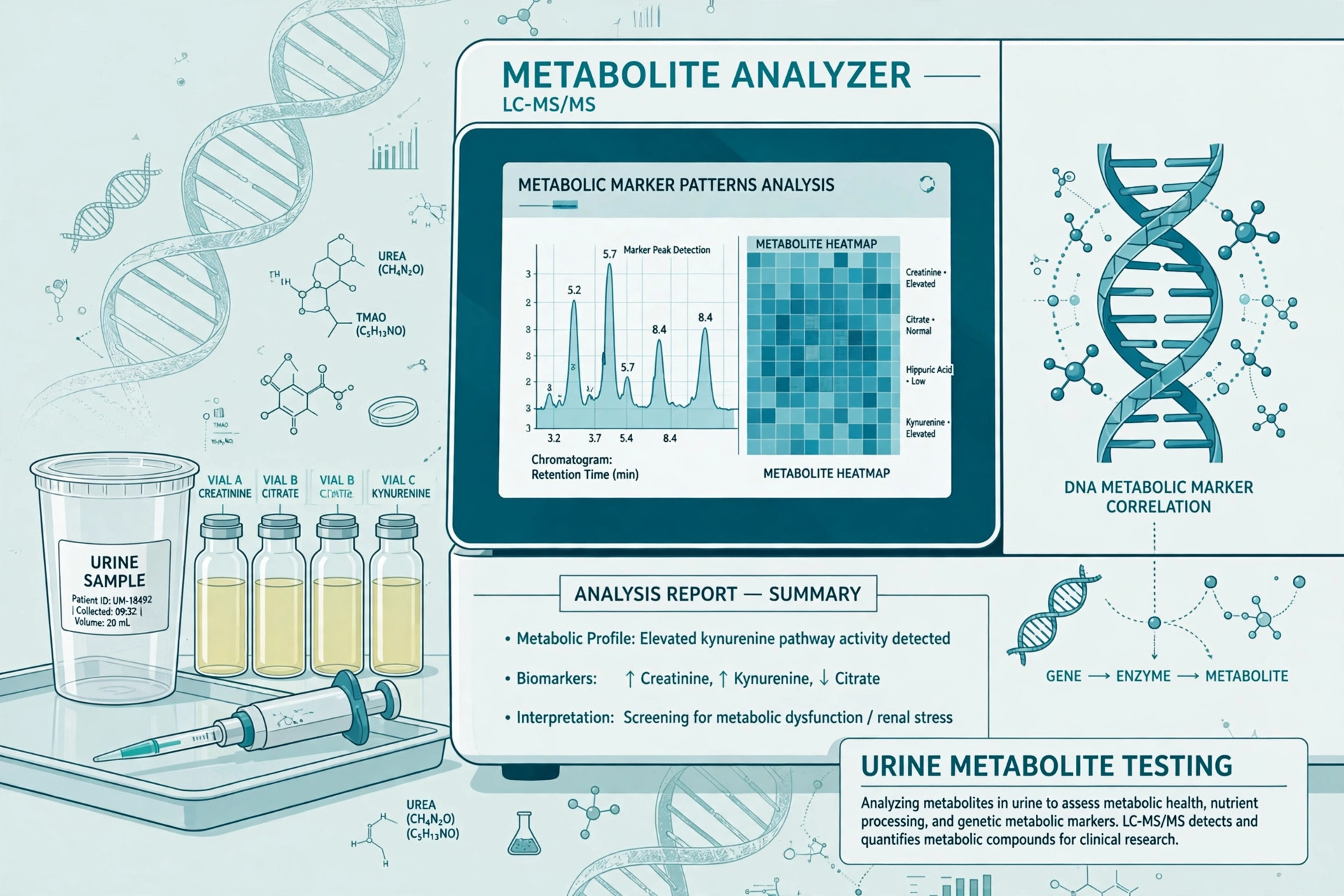
A case-control study found a three-metabolite urine signature (uracil, hypoxanthine, 1-methylnicotinamide) distinguishing m.3243A>G carriers with AUC 0.94–0.99. Exploratory; requires validation.
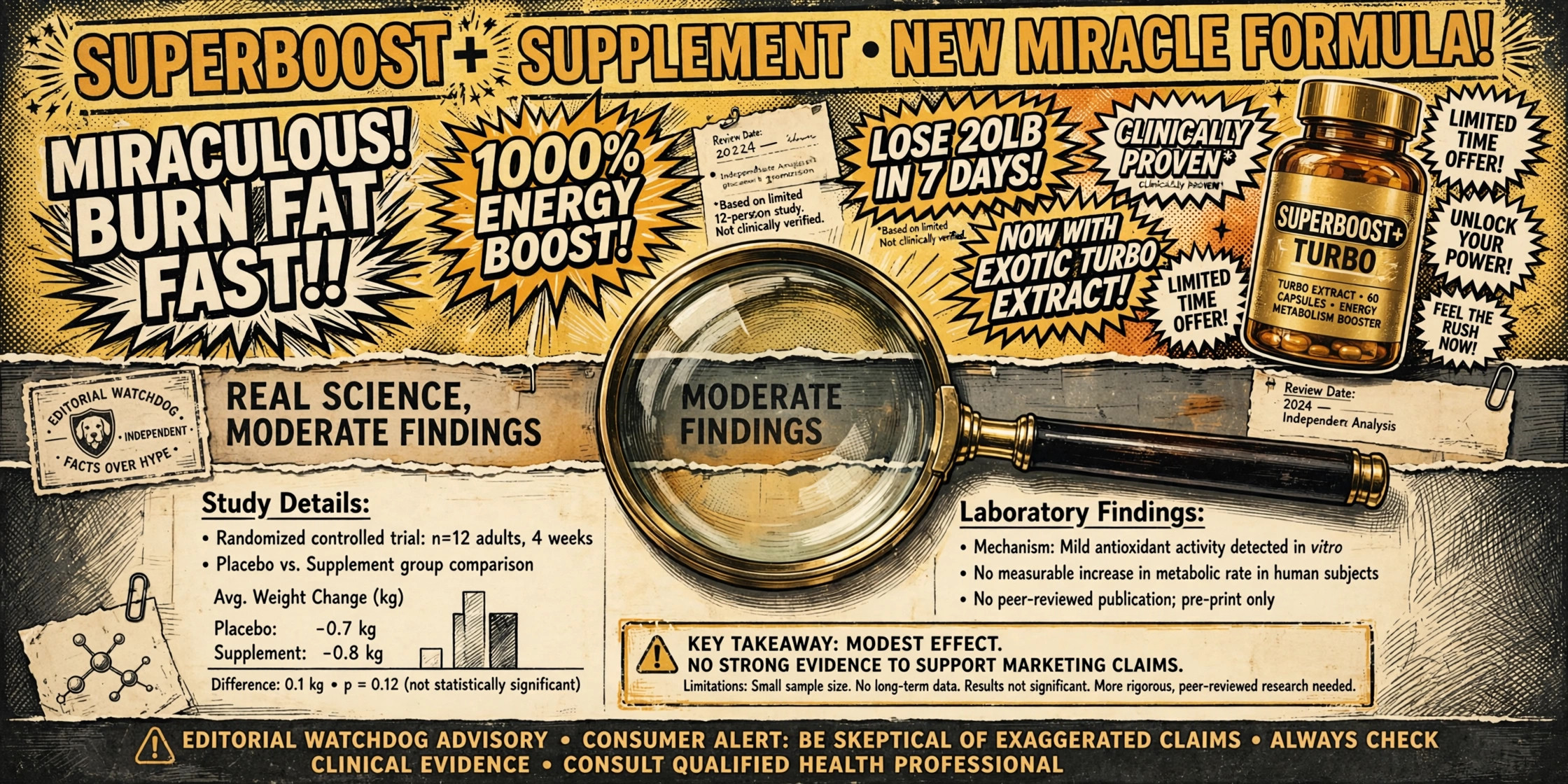
Animal and observational human studies have generated attention, but no completed human intervention trial proves performance, fat-loss or longevity benefits.
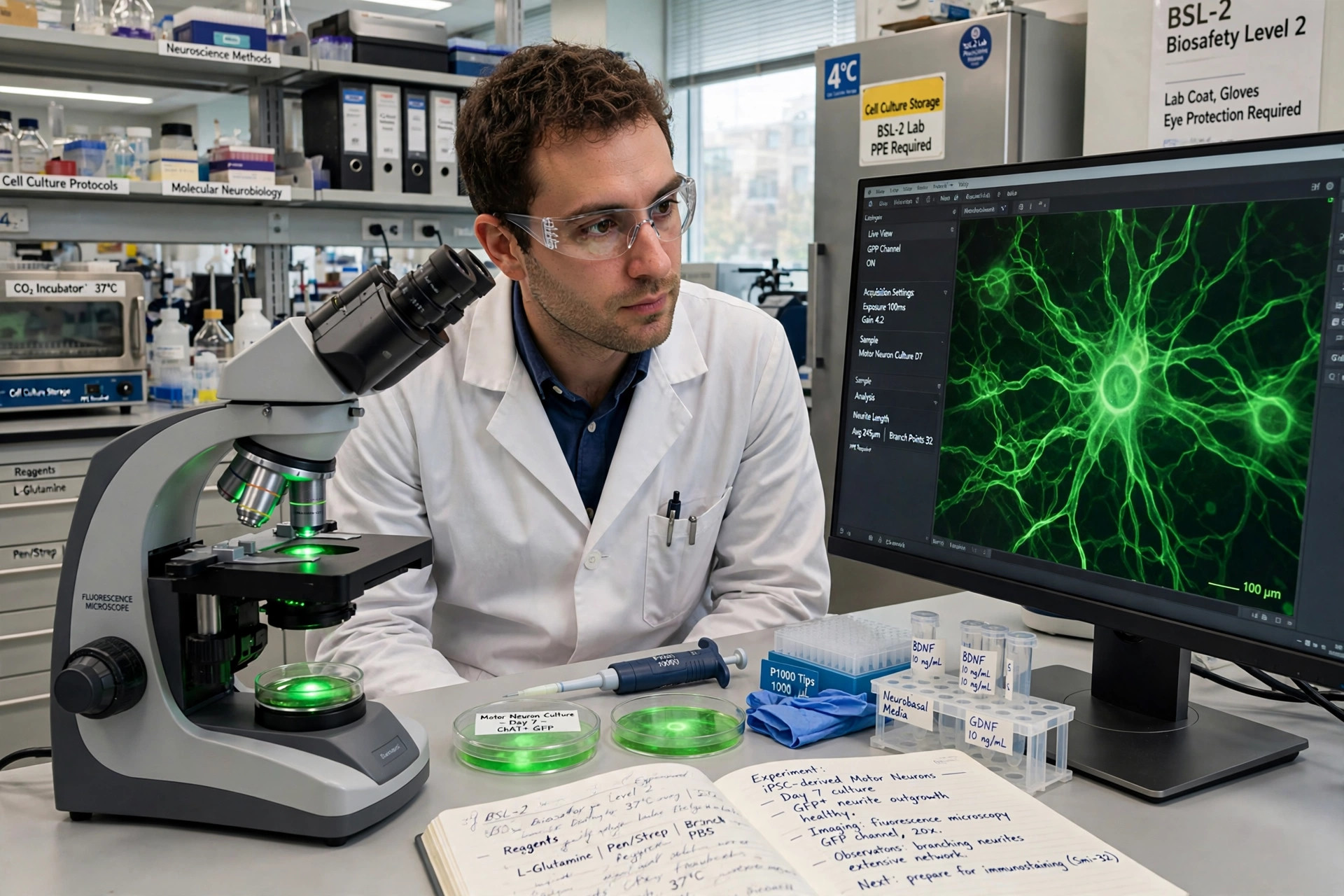
Site imagery: custom illustrations by MyMitochondria; stock photography via Pexels, Splitshire, StockCake and Vecteezy — illustrative only. Models pictured are not patients, clinicians, endorsers, or cases described in our articles.