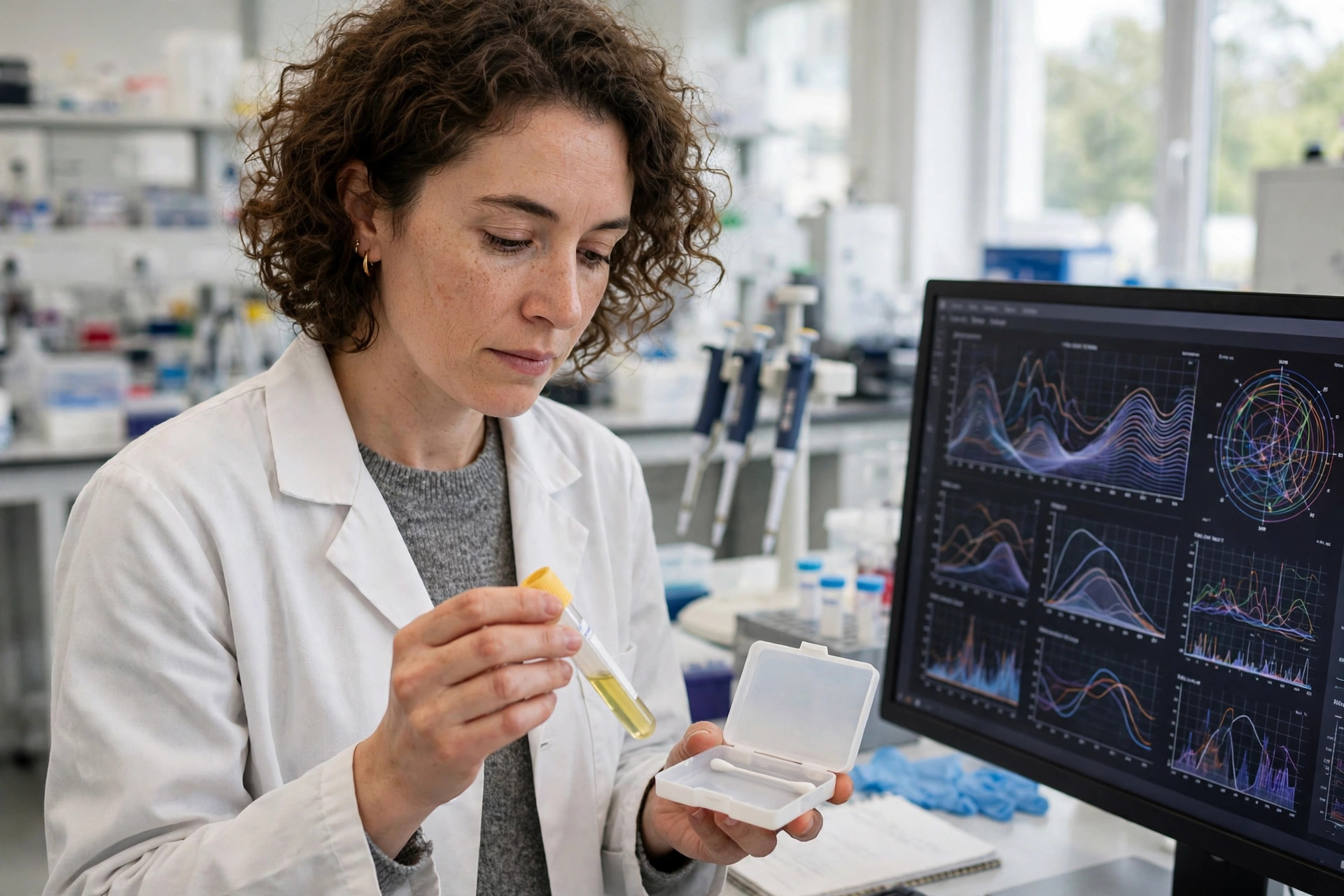
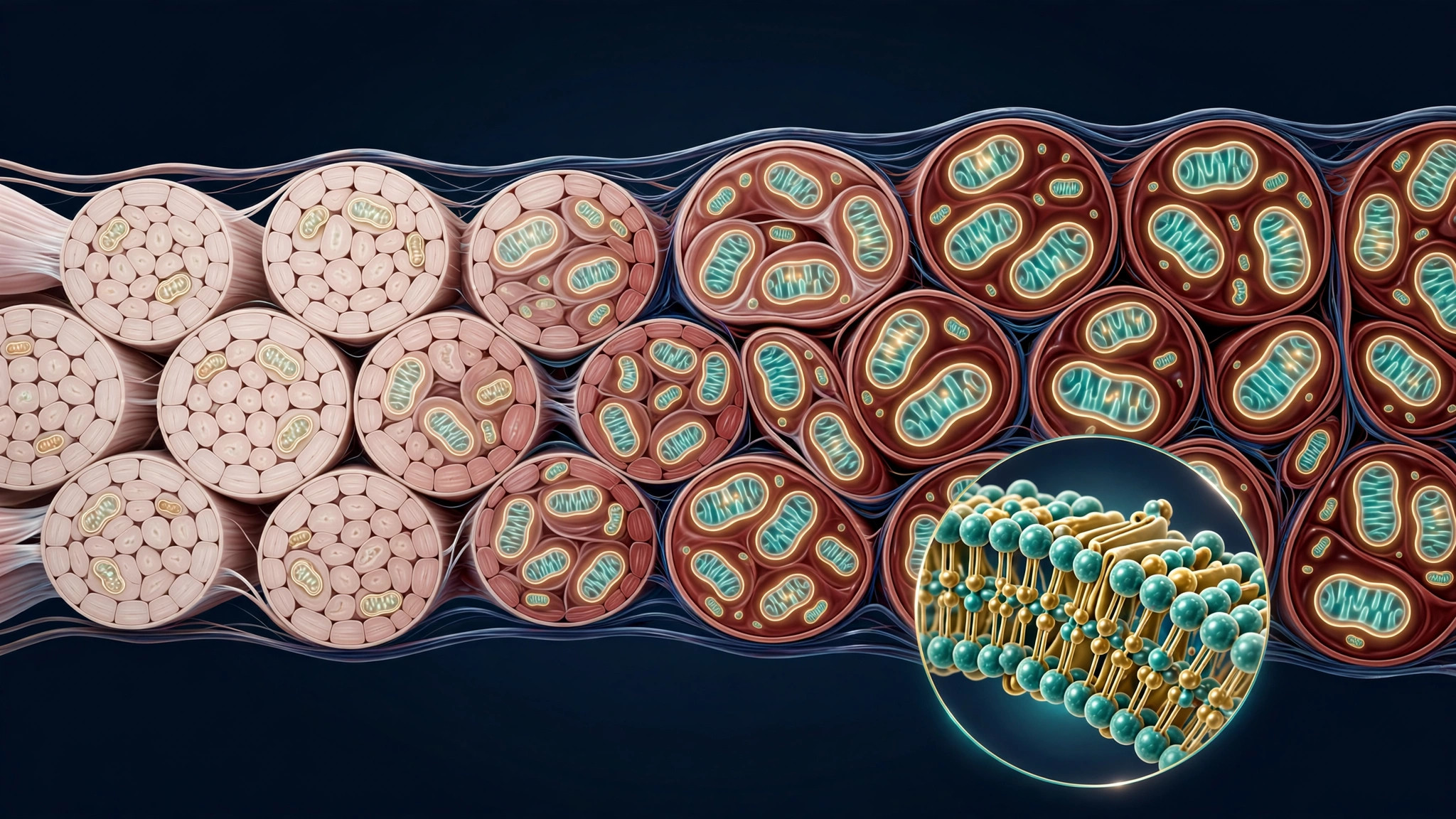
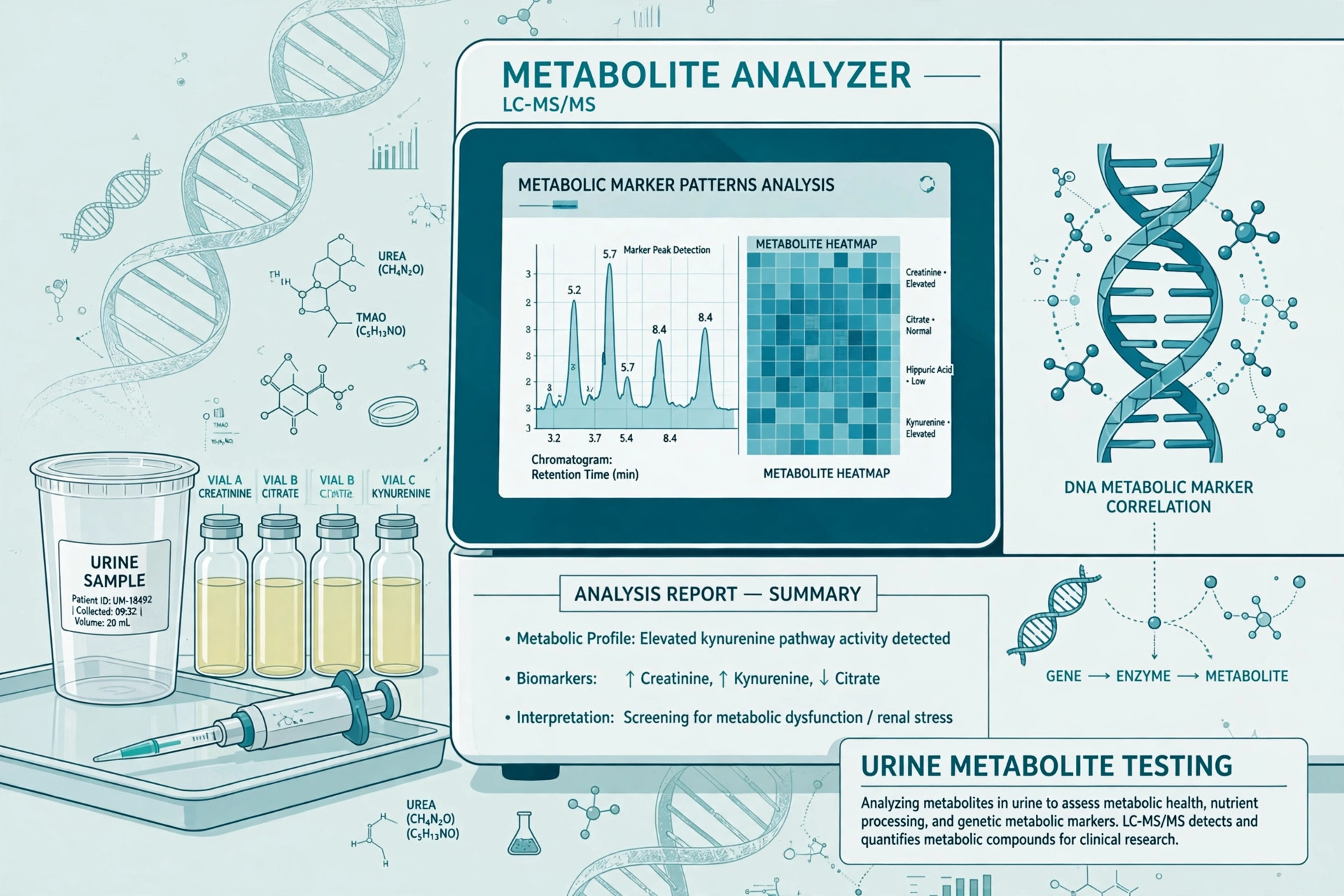
Mitochondrial diabetes is a rare, maternally inherited form of diabetes that is easy to mistake for type 1 or type 2. A study in Frontiers in Endocrinology (Skoczylas and colleagues; published November 11, 2026) sequenced mitochondrial DNA in 496 Polish patients referred with suspected monogenic diabetes after negative nuclear DNA testing, and found pathogenic mtDNA variants in 21 (a diagnostic yield of 4.23%), most often m.3243A>G (17 of 21). In 30 m.3243A>G carriers, the share of mutated mitochondrial DNA (heteroplasmy) followed a clear tissue hierarchy: highest in urine sediment (mean 60.7%), then buccal swabs (39.1%), then blood (21.6%), and blood heteroplasmy fell with age by 0.58% per year. The authors conclude urine sediment is the most informative material, and that blood alone may be insufficient — especially in older patients.
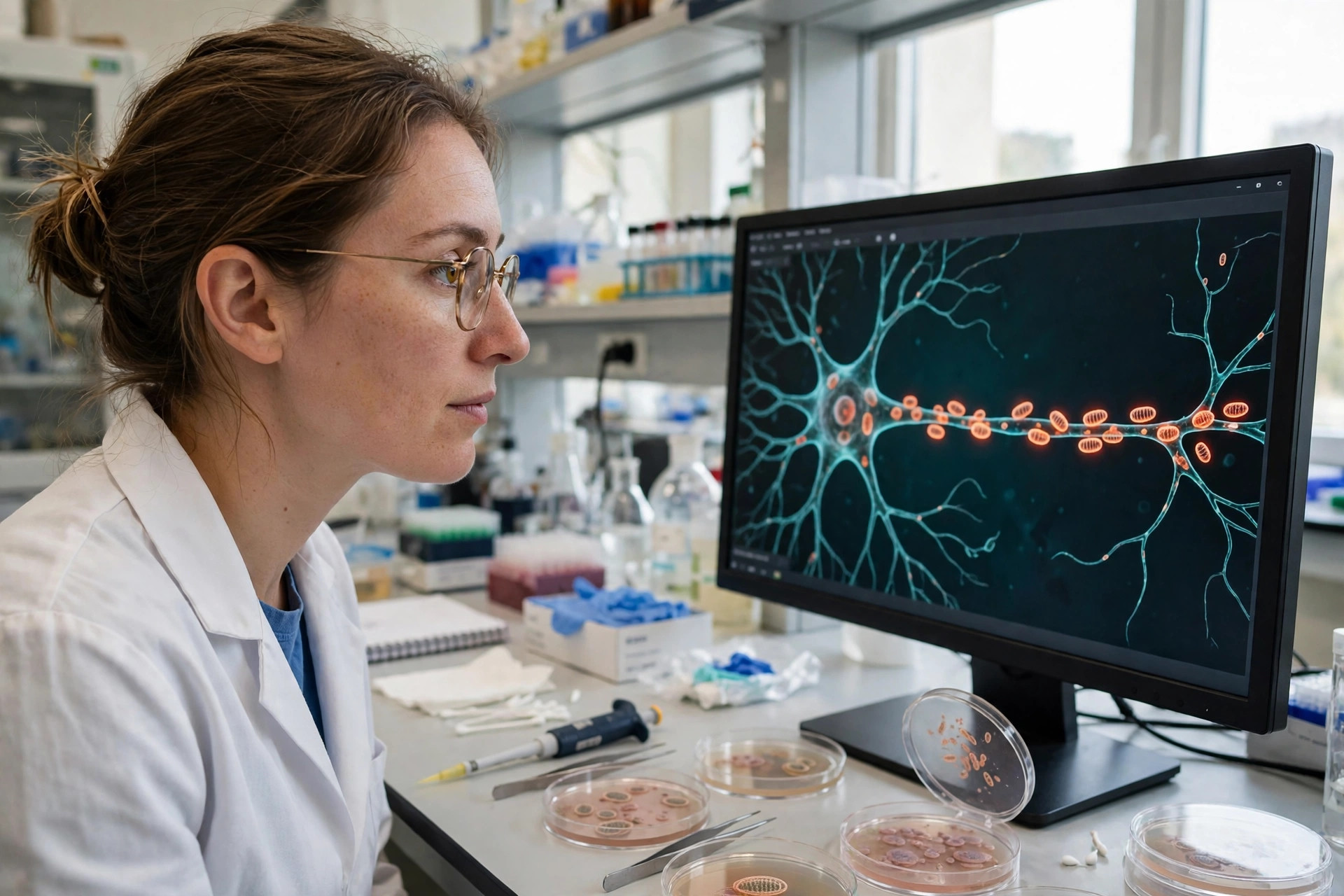
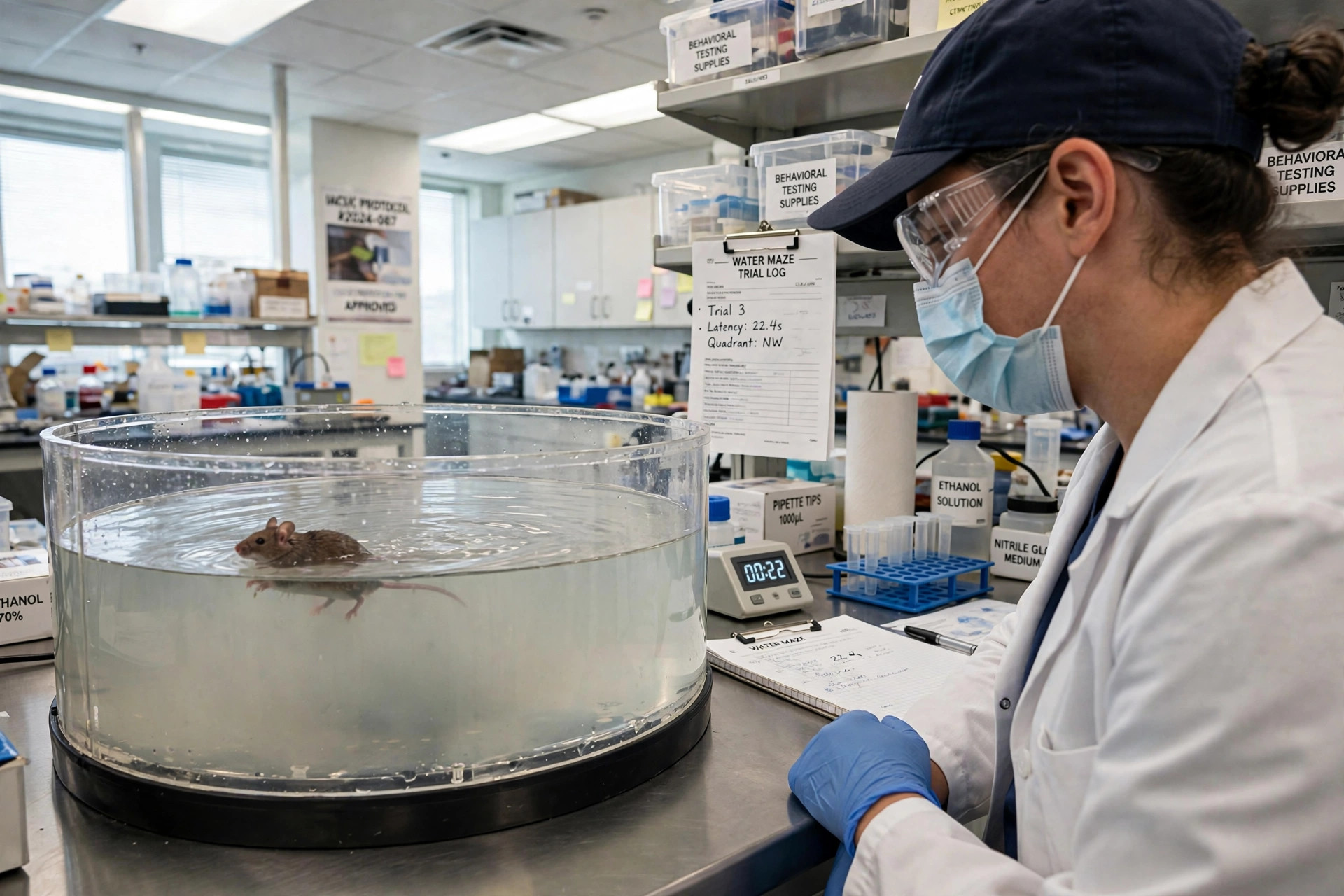
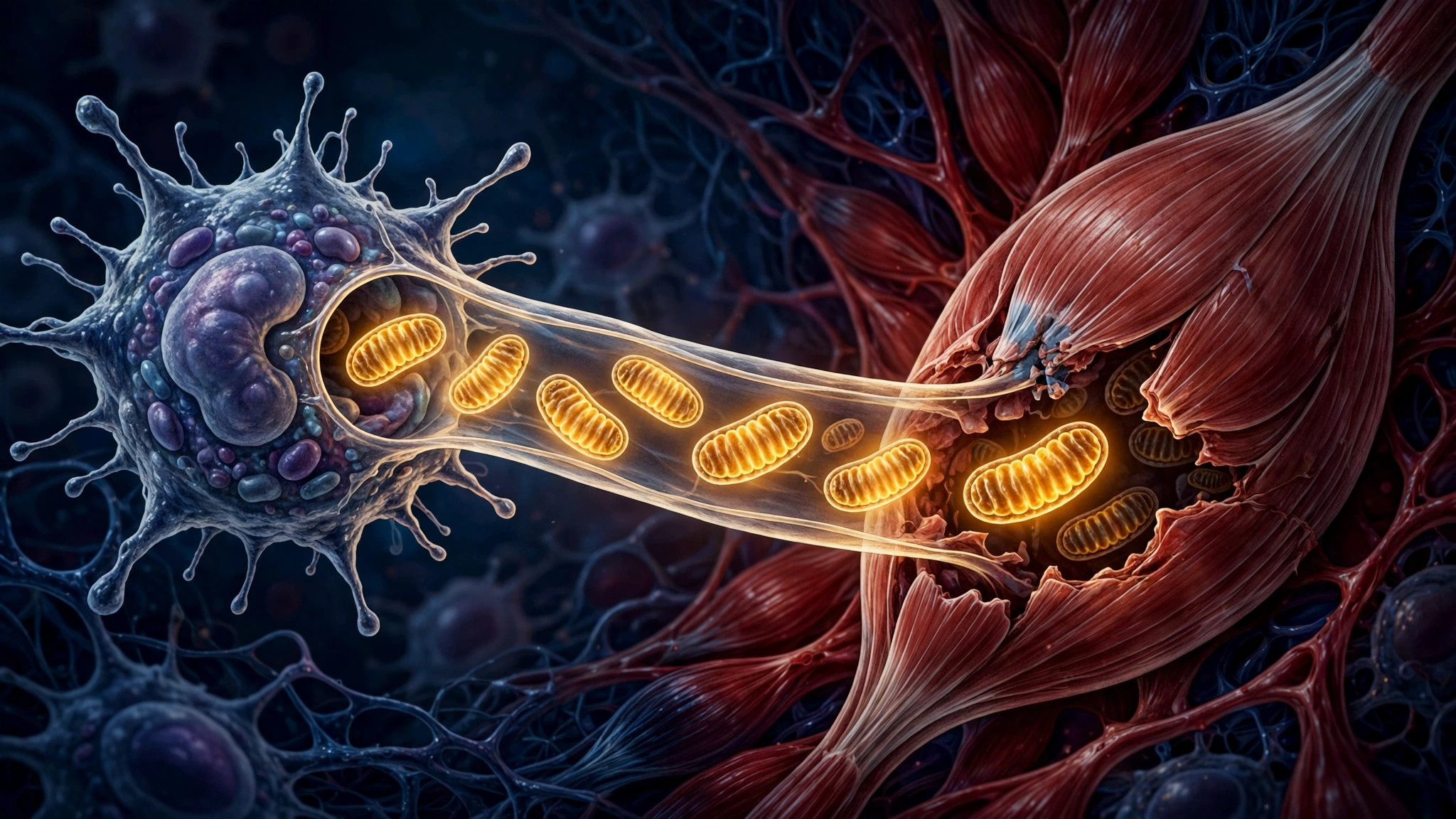
Cells release tiny membrane-wrapped packets, and one subset — mitovesicles — comes from mitochondria. A study in Nature Aging (Li, Xia, Zheng and colleagues; published November 10, 2026) found that release of mitochondria-derived vesicles is increased in the brains of Alzheimer's patients and of 5xFAD model mice, and that these vesicles are enriched for the enzyme Ggt1, which breaks down the antioxidant glutathione. Injecting vesicles from 5xFAD brains into healthy mice impaired learning and memory and drove glial inflammation and synaptic abnormalities, and accelerated disease in Alzheimer's-model mice. Knocking out or pharmacologically inhibiting Ggt1 mitigated those effects, and suppressing vesicle release with fumarate-hydratase inhibition or dimethyl fumarate/coenzyme Q10 also alleviated the phenotypes in the animal model.
Neurons are long, and their mitochondria must be shipped down axons to where energy is needed. A study in Cell Discovery (Pei, Zhang, Li and colleagues; published November 10, 2026) identifies C19orf12 — a protein mutated in spastic paraplegia type 43 (SPG43) and in a form of neurodegeneration with brain iron accumulation — as an endoplasmic-reticulum-anchored organizer of mitochondrial transport, enriched where the ER touches mitochondria. The authors propose renaming it EMTRAS (ER-anchored Mitochondrial Trafficking Scaffold). C19orf12 deficiency drove progressive motor impairment in mice and distal mitochondrial depletion in neurons; mechanistically, it works as a calcium-tunable scaffold that promotes assembly of the Miro1-Kinesin-1 transport complex, linking ER-mitochondria contact sites directly to microtubule-based movement.
Ursodeoxycholic acid (UDCA) has treated certain liver conditions for over 30 years. University of Sheffield researchers identified it as a candidate to improve mitochondrial function in Parkinson's disease by screening an entire drug library in tissue samples from Parkinson's patients — the loss of mitochondrial function in dopamine-producing nerve cells is believed to play an important role in progression. After the early-stage UP study showed UDCA was safe and well tolerated in people with Parkinson's, UDCA has now joined the Edmond J Safra Accelerating Clinical Trials in Parkinson's Disease (EJS ACT-PD) platform as its third active arm, alongside telmisartan and terazosin. The trial, led nationally by UCL and Newcastle University, will recruit 2,000 participants across 40 NHS hospital sites, testing the drugs in parallel against placebo for disease-modifying potential.
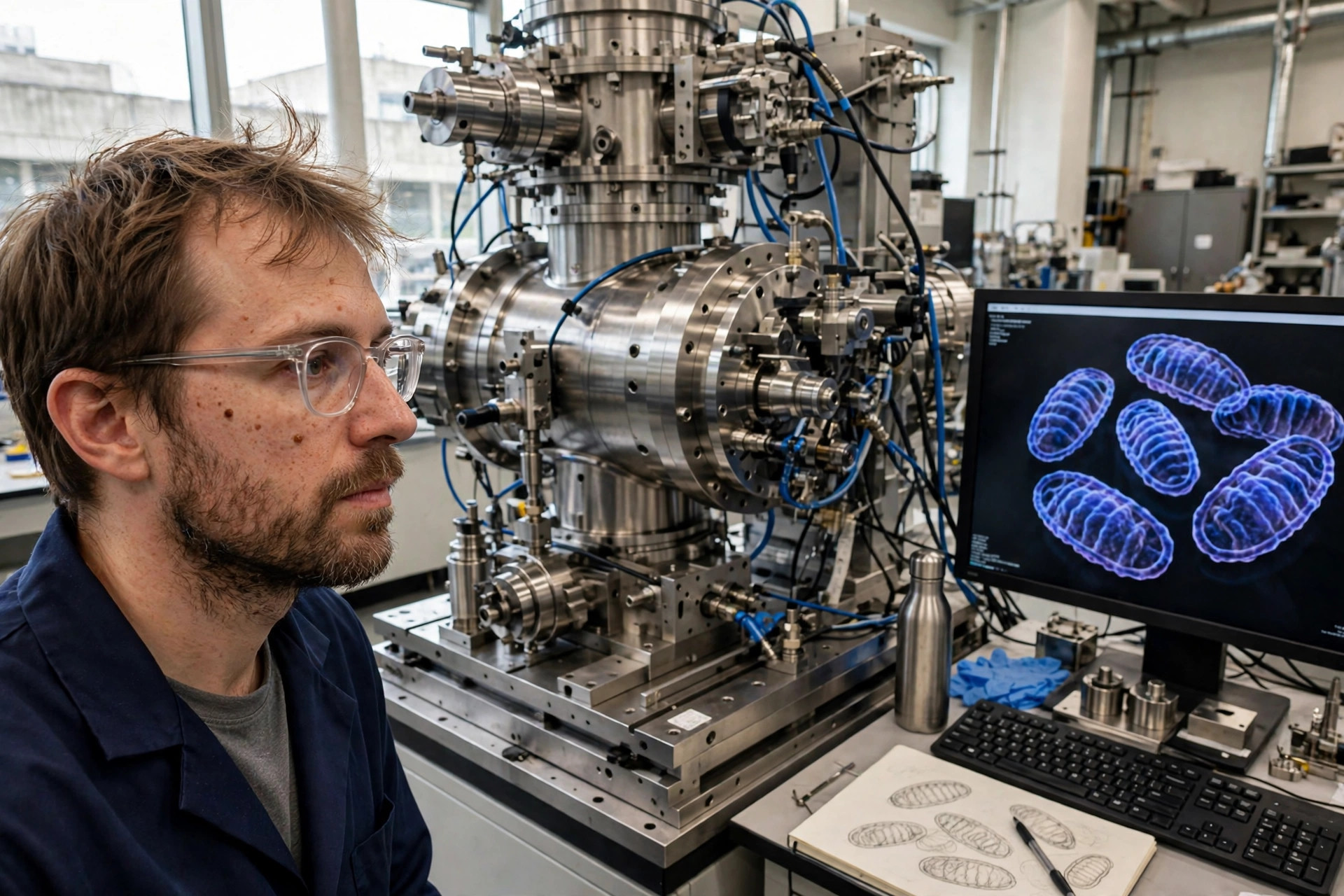
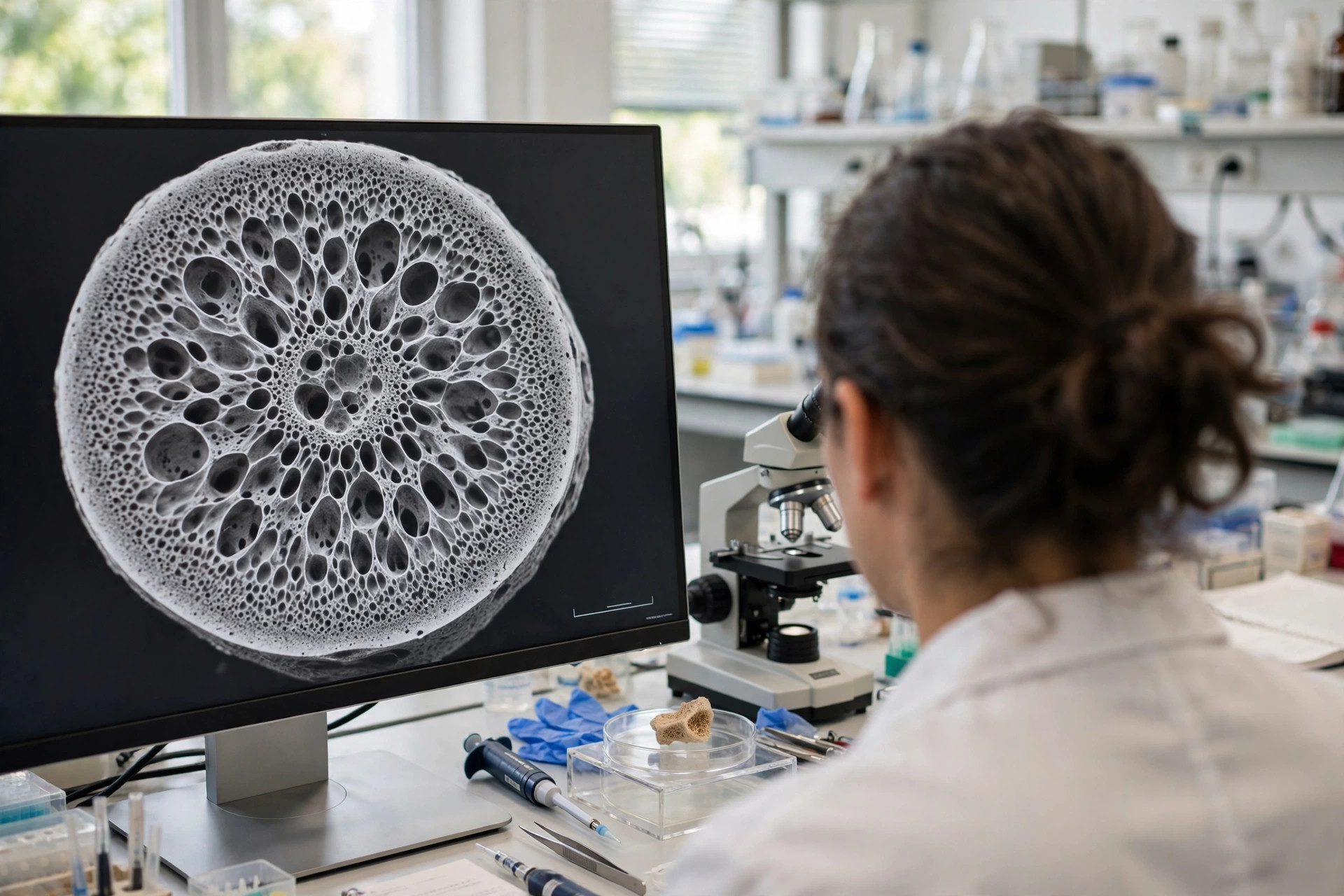
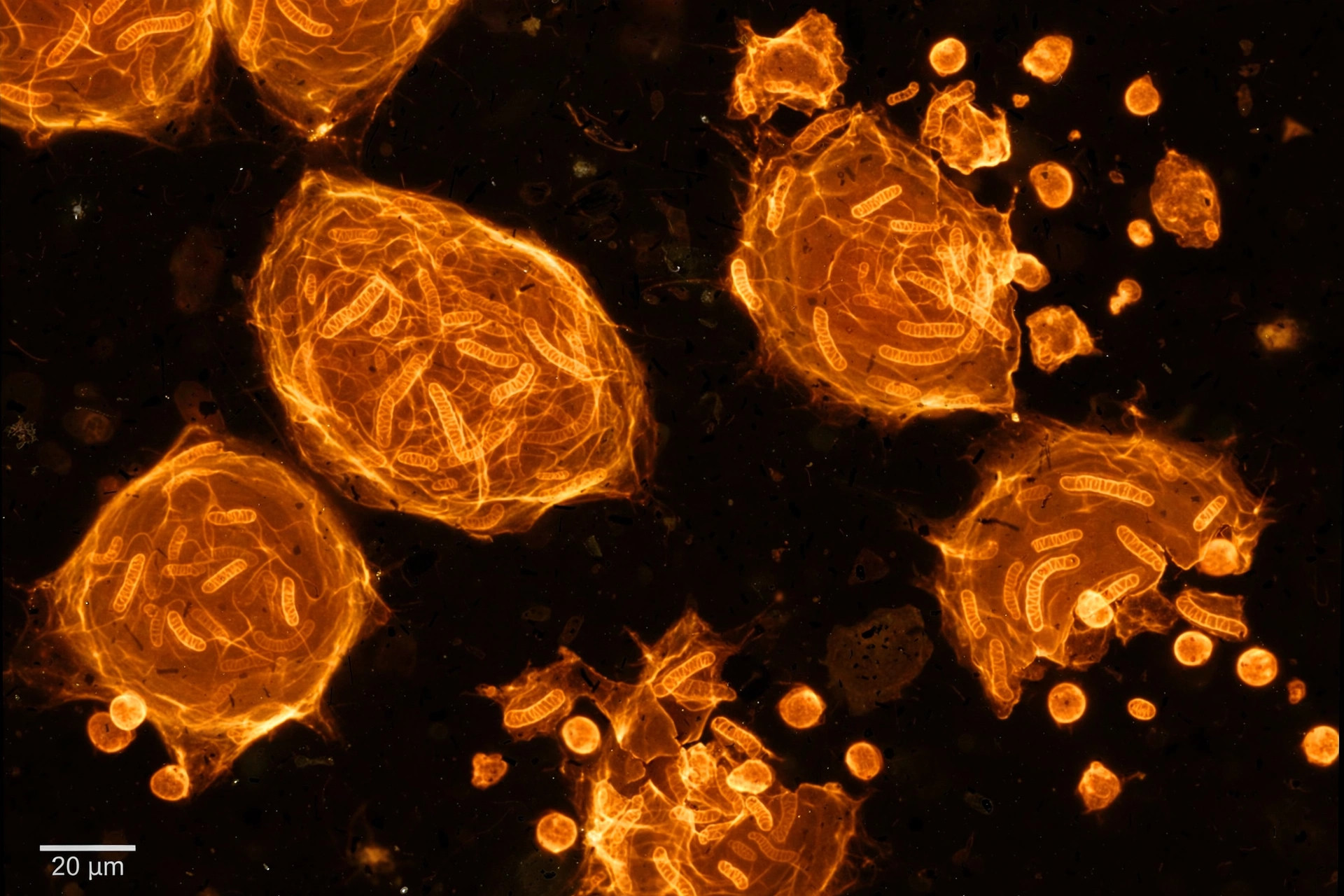
Seeing a mitochondrion inside an intact sample, in three dimensions, has usually meant electron microscopy — which requires cutting material into thin slices and damages it. An international team reported in Optica (Nikitin, Carlsson and colleagues; covered November 10, 2026) that a new mathematical reconstruction method for X-ray nano-holotomography improves image resolution about threefold, distinguishing structures down to 20 nanometers — a human hair is 80,000-100,000 nanometers thick. At that resolution, synapses, mitochondria and other subcellular structures become visible in 3D in much larger samples, without slicing them apart. Last author Marcus Carlsson of Lund University puts the point plainly: the limitation had been not only the X-ray optics, but the mathematics used to reconstruct the image.
L-Nutra, the company behind the Prolon 5-Day Fasting Mimicking Diet (FMD), launched The Longevity Program on November 10, 2026 (PR Newswire): a membership pairing each member with a dedicated Longevity Dietitian, baseline and follow-up lab testing, an app, and a 12-month expert-led curriculum, at $99 per month plus a $99 sign-up fee, or $149 per month with Prolon 5-Day FMD kits shipped three times a year — available in 47 states and DC, with New York, New Jersey and Rhode Island waitlisted until early 2027. The launch leans on fasting biology that genuinely involves mitochondria — fasting and nutrient-sensing pathways drive autophagy and mitophagy, the quality-control systems that clear damaged mitochondria — and on company-cited claims that Prolon has been clinically shown to activate autophagy in humans and to reverse biological age by an average of 2.5 years after three consecutive cycles. It also leans on a launch survey the company itself commissioned (Fractl, 2,002 US adults): market research about what consumers say they want, which is not evidence about what the program does.
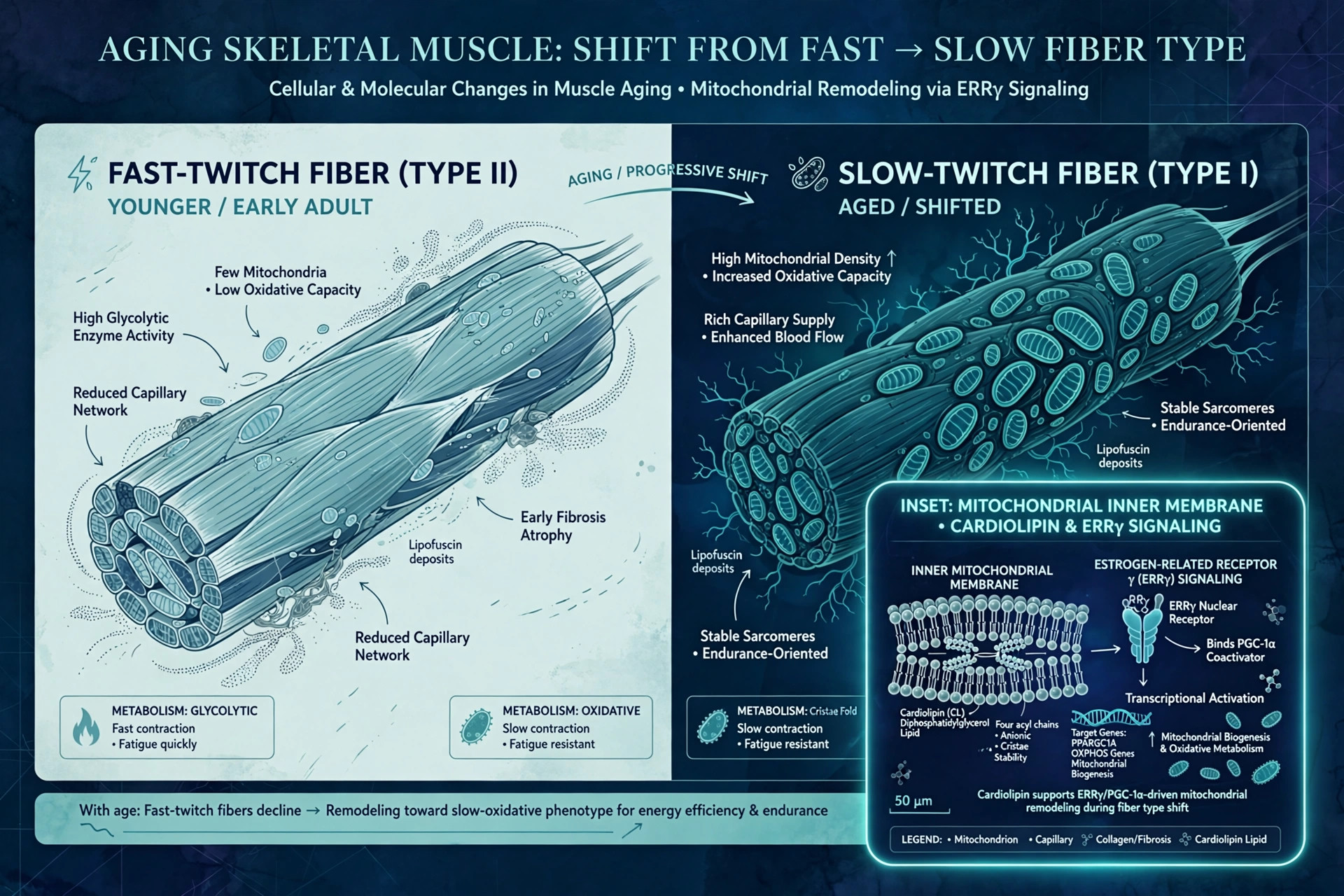
Immunis, a clinical-stage biotech developing multi-active secretome biologics for age-related decline, announced on November 10, 2026 (Business Wire) that it was named one of The Healthcare Technology Report's Top Biotech and Life Sciences Companies of 2026 — its second year on the list, following last month's National Academy of Medicine Healthy Longevity Global Competition Grand Prize. Its lead candidate, IMM01-STEM, is a first-in-class multi-active secretome therapy aimed at the biological pathways of age-related muscle and metabolic decline — pathways in which mitochondrial dysfunction in aging muscle is a central player. In a Phase 2 study in older adults with sarcopenic obesity, the company reports muscle preservation and improved gait speed; its chief science officer, Dr. Tom Lane, will present new preclinical data at Obesity Week in Washington, DC later this month, and the company plans two confirmatory Phase 2b trials. Awards and competition prizes are juried recognition. They are not peer review, not regulatory review, and not evidence — the Phase 2b trials are where the evidence will or will not come from.
4 min read
Reality check: Approval covers Barth syndrome in patients weighing at least 30 kg; a confirmatory trial is still required.
Longevity & Wellness News
The latest from the longevity world: research breakthroughs, industry moves, and the movement for healthier living, with an eye on what it means for your cells.
L-Nutra's new Longevity Program adds dietitian coaching and lab tracking around its Prolon fasting-mimicking diet (November 10, 2026). The fasting biology is real; the membership itself is unstudied.
Immunis made a top-biotech list for 2026 as its IMM01-STEM candidate heads toward confirmatory Phase 2b trials in sarcopenic obesity. Honors are recognition, not evidence.
UDCA, chosen for protecting mitochondria in patient-tissue screening, is now the third active arm of the 2,000-participant EJS ACT-PD platform trial. Efficacy against progression is unproven.
Mitochondrial diabetes is a rare, maternally inherited form of diabetes that is easy to mistake for type 1 or type 2. A study in Frontiers in Endocrinology (Skoczylas and colleagues; published November 11, 2026) sequenced mitochondrial DNA in 496 Polish patients referred with suspected monogenic diabetes after negative nuclear DNA testing, and found pathogenic mtDNA variants in 21 (a diagnostic yield of 4.23%), most often m.3243A>G (17 of 21). In 30 m.3243A>G carriers, the share of mutated mitochondrial DNA (heteroplasmy) followed a clear tissue hierarchy: highest in urine sediment (mean 60.7%), then buccal swabs (39.1%), then blood (21.6%), and blood heteroplasmy fell with age by 0.58% per year. The authors conclude urine sediment is the most informative material, and that blood alone may be insufficient — especially in older patients.
Cells release tiny membrane-wrapped packets, and one subset — mitovesicles — comes from mitochondria. A study in Nature Aging (Li, Xia, Zheng and colleagues; published November 10, 2026) found that release of mitochondria-derived vesicles is increased in the brains of Alzheimer's patients and of 5xFAD model mice, and that these vesicles are enriched for the enzyme Ggt1, which breaks down the antioxidant glutathione. Injecting vesicles from 5xFAD brains into healthy mice impaired learning and memory and drove glial inflammation and synaptic abnormalities, and accelerated disease in Alzheimer's-model mice. Knocking out or pharmacologically inhibiting Ggt1 mitigated those effects, and suppressing vesicle release with fumarate-hydratase inhibition or dimethyl fumarate/coenzyme Q10 also alleviated the phenotypes in the animal model.
Neurons are long, and their mitochondria must be shipped down axons to where energy is needed. A study in Cell Discovery (Pei, Zhang, Li and colleagues; published November 10, 2026) identifies C19orf12 — a protein mutated in spastic paraplegia type 43 (SPG43) and in a form of neurodegeneration with brain iron accumulation — as an endoplasmic-reticulum-anchored organizer of mitochondrial transport, enriched where the ER touches mitochondria. The authors propose renaming it EMTRAS (ER-anchored Mitochondrial Trafficking Scaffold). C19orf12 deficiency drove progressive motor impairment in mice and distal mitochondrial depletion in neurons; mechanistically, it works as a calcium-tunable scaffold that promotes assembly of the Miro1-Kinesin-1 transport complex, linking ER-mitochondria contact sites directly to microtubule-based movement.
Ursodeoxycholic acid (UDCA) has treated certain liver conditions for over 30 years. University of Sheffield researchers identified it as a candidate to improve mitochondrial function in Parkinson's disease by screening an entire drug library in tissue samples from Parkinson's patients — the loss of mitochondrial function in dopamine-producing nerve cells is believed to play an important role in progression. After the early-stage UP study showed UDCA was safe and well tolerated in people with Parkinson's, UDCA has now joined the Edmond J Safra Accelerating Clinical Trials in Parkinson's Disease (EJS ACT-PD) platform as its third active arm, alongside telmisartan and terazosin. The trial, led nationally by UCL and Newcastle University, will recruit 2,000 participants across 40 NHS hospital sites, testing the drugs in parallel against placebo for disease-modifying potential.
Seeing a mitochondrion inside an intact sample, in three dimensions, has usually meant electron microscopy — which requires cutting material into thin slices and damages it. An international team reported in Optica (Nikitin, Carlsson and colleagues; covered November 10, 2026) that a new mathematical reconstruction method for X-ray nano-holotomography improves image resolution about threefold, distinguishing structures down to 20 nanometers — a human hair is 80,000-100,000 nanometers thick. At that resolution, synapses, mitochondria and other subcellular structures become visible in 3D in much larger samples, without slicing them apart. Last author Marcus Carlsson of Lund University puts the point plainly: the limitation had been not only the X-ray optics, but the mathematics used to reconstruct the image.
L-Nutra, the company behind the Prolon 5-Day Fasting Mimicking Diet (FMD), launched The Longevity Program on November 10, 2026 (PR Newswire): a membership pairing each member with a dedicated Longevity Dietitian, baseline and follow-up lab testing, an app, and a 12-month expert-led curriculum, at $99 per month plus a $99 sign-up fee, or $149 per month with Prolon 5-Day FMD kits shipped three times a year — available in 47 states and DC, with New York, New Jersey and Rhode Island waitlisted until early 2027. The launch leans on fasting biology that genuinely involves mitochondria — fasting and nutrient-sensing pathways drive autophagy and mitophagy, the quality-control systems that clear damaged mitochondria — and on company-cited claims that Prolon has been clinically shown to activate autophagy in humans and to reverse biological age by an average of 2.5 years after three consecutive cycles. It also leans on a launch survey the company itself commissioned (Fractl, 2,002 US adults): market research about what consumers say they want, which is not evidence about what the program does.
Immunis, a clinical-stage biotech developing multi-active secretome biologics for age-related decline, announced on November 10, 2026 (Business Wire) that it was named one of The Healthcare Technology Report's Top Biotech and Life Sciences Companies of 2026 — its second year on the list, following last month's National Academy of Medicine Healthy Longevity Global Competition Grand Prize. Its lead candidate, IMM01-STEM, is a first-in-class multi-active secretome therapy aimed at the biological pathways of age-related muscle and metabolic decline — pathways in which mitochondrial dysfunction in aging muscle is a central player. In a Phase 2 study in older adults with sarcopenic obesity, the company reports muscle preservation and improved gait speed; its chief science officer, Dr. Tom Lane, will present new preclinical data at Obesity Week in Washington, DC later this month, and the company plans two confirmatory Phase 2b trials. Awards and competition prizes are juried recognition. They are not peer review, not regulatory review, and not evidence — the Phase 2b trials are where the evidence will or will not come from.
Lean-mass loss is the shadow side of GLP-1 weight-loss drugs, especially in older adults. Eos SENOLYTIX announced on November 9, 2026 that its mitochondria-targeted MitoXcel geropeptide PTC-2105 — a once-weekly subcutaneous injection aimed at age-related decline in mitochondrial membrane potential — will be presented at the 19th SCWD conference (December 10-12, Washington, DC; upgraded to a plenary Rapid Fire session on December 11). In aged, high-fat-fed mice, PTC-2105 monotherapy reversed the terminal lean-mass trajectory from -0.002 g per week on saline to +0.005 g per week; in a second cohort, semaglutide alone produced the steepest terminal lean-mass decline (-0.055 g per week) and shorter survival (p=0.038), while co-administering PTC-2105 at 10 and 25 mg per kg reduced late-life lean-mass loss relative to semaglutide alone (+0.126 and -0.011 g per week). One treated mouse, 'Speedy,' treated from about 80 weeks, is now turning 170 weeks — more than 7.6 months past the last untreated control (137 weeks). All of this is company-reported preclinical data in mice; PTC-2105 is investigational and has not been tested in humans.
In diabetic cataract, high glucose damages the mitochondria of lens epithelial cells, and that damage helps drive the disease. A study in Cell Biology and Toxicology (Zhang, Liang, Guo and colleagues; published November 9, 2026) found that glutaredoxin 2 (Grx2) protects those cells by activating the AMPK/PGC1alpha/NRF1 signaling pathway, which preserves PACS2-dependent integrity of mitochondria-associated endoplasmic reticulum membranes (MAMs) — the contact sites where mitochondria and the endoplasmic reticulum meet — and maintains mitochondrial homeostasis. The team used streptozotocin-induced diabetic mice with Grx2 knocked in or knocked out, lens tissue from those animals, and cultured HLE-B3 human lens epithelial cells under high glucose. Knocking Grx2 out aggravated protein glutathionylation (PSSG) accumulation, MAM disruption and mitochondrial dysfunction in diabetic mice; knocking it in rescued those defects.
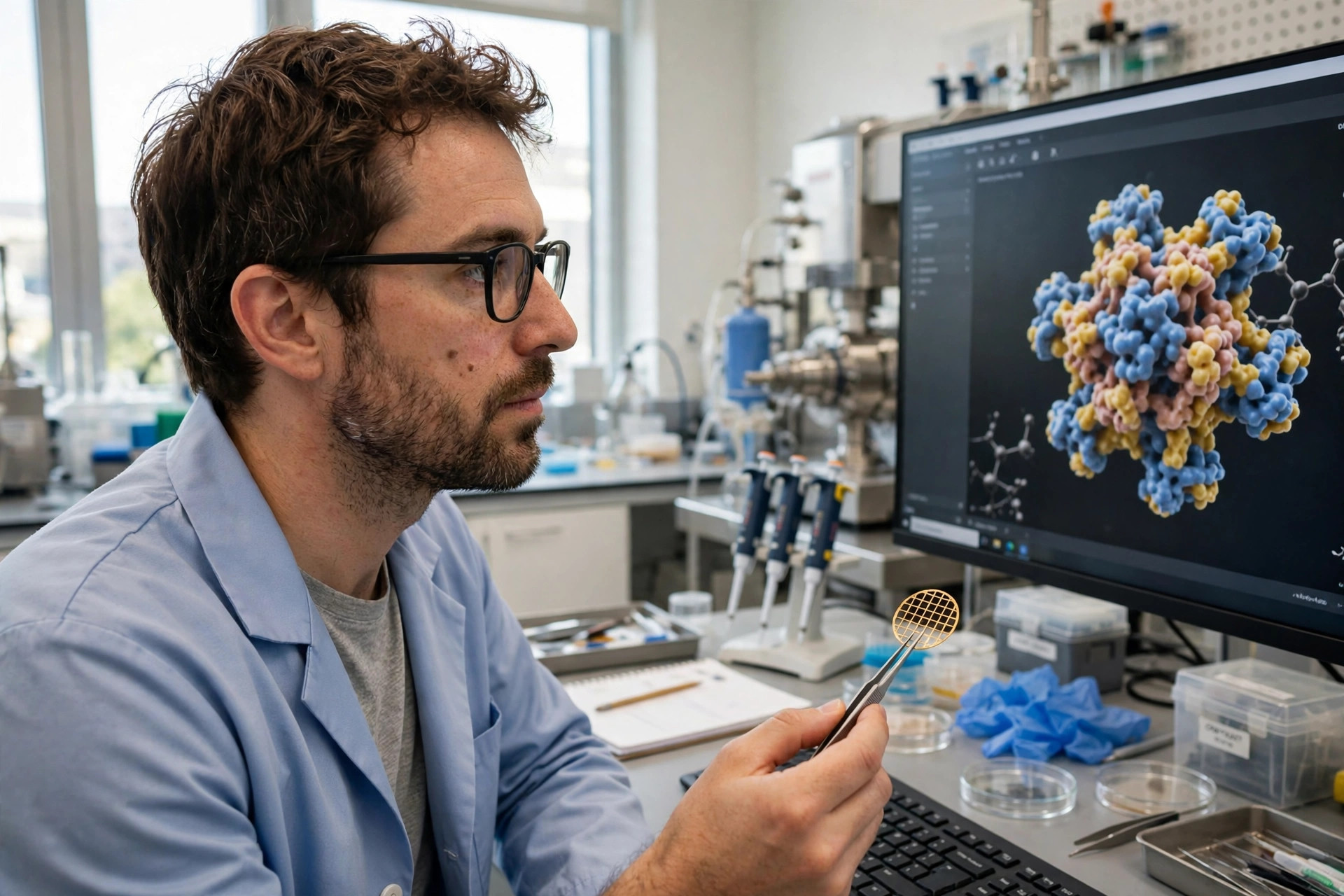
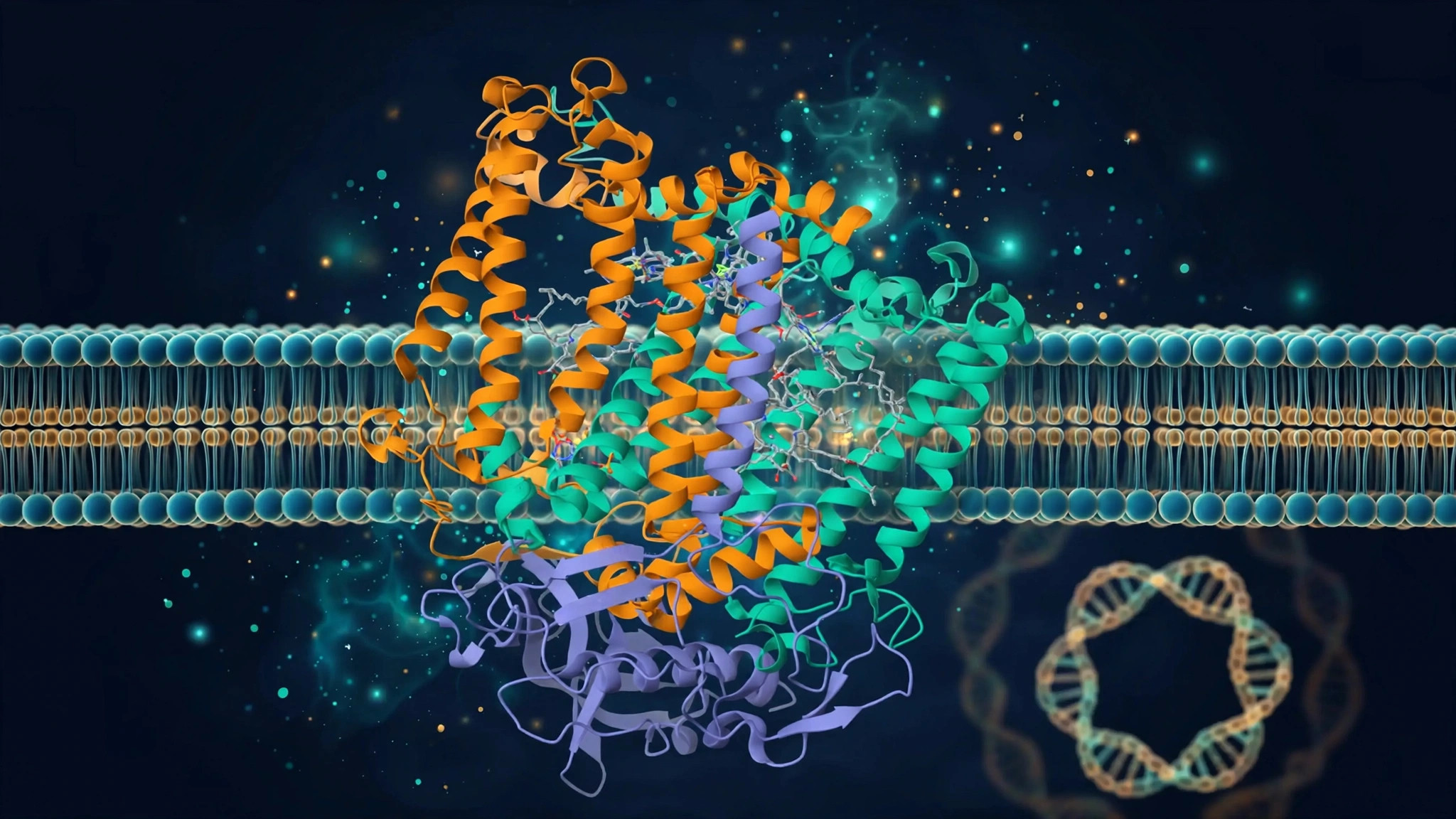
Mitochondria make a small but essential set of proteins on their own ribosomes (mitoribosomes), and some amino-acid sequences — notably runs of proline — make the mitoribosome slow or stall. A Karolinska Institutet study in Nature Communications (Singh, Rorbach, Khawaja and colleagues; reported November 5, 2026) captured human TACO1, a factor known to help the mitoribosome through such difficult sequences, in the act: using cryo-electron microscopy, the team imaged TACO1 bound to a mitoribosome mid-production, finding that it sits close to the ribosome's A site and interacts directly with the incoming transfer RNA, with large movements that help stabilize that tRNA. TACO1 works differently from related factors in bacteria and elsewhere in human cells, though it shares structural similarities with its bacterial relative YebC2. Mutations in TACO1 are associated with cytochrome c oxidase deficiency and late-onset Leigh syndrome; the structure offers a molecular explanation for how those changes interfere with mitochondrial protein synthesis.
Sepsis can injure the lungs when alveolar macrophages — the lung's resident immune cells — lose mitochondrial control and leak mitochondrial DNA, which triggers the STING inflammatory pathway. A study in Chinese Medicine (Ma, Pan, Chen and colleagues; published November 9, 2026) tested the Yiqi Huoxue Jiedu Formula (YHJF), a traditional Chinese medicine formula used clinically for nearly two decades, in a cecal ligation and puncture (CLP) mouse model of sepsis-associated acute lung injury (female BALB/c mice; sham, CLP alone, three YHJF doses, or dexamethasone as positive control) and in LPS-stimulated MH-S macrophages in vitro. YHJF restored mitochondrial homeostasis in the macrophages by activating PINK1/Parkin-dependent mitophagy, limiting mitochondrial DNA release and the downstream STING-driven inflammation, and alleviated lung damage in the mice. The authors flag the limits themselves: only female mice were used, and the in vitro work used rat-derived YHJF-containing serum in mouse cell lines, which requires interspecies caution.
Imiquimod, an approved drug for skin malignancies, frequently provokes severe inflammation by activating the NLRP3 inflammasome, and its inhibition of mitochondrial complex I is necessary for that activation but not sufficient — leaving the second trigger in dispute. A bioRxiv preprint from a UCLA team (Srikanth, Wu, Gwack and colleagues; posted November 6, 2026; not peer-reviewed) used macrophages lacking TMEM11, a MICOS-associated inner-membrane protein that helps organize cristae — the folded membranes inside mitochondria. Tmem11-deficient macrophages showed ultrastructural cristae defects without altered mitochondrial mass or mtDNA copy number, responded normally to canonical inflammasome agonists (ATP, nigericin), but showed caspase-1 hyperactivation and exaggerated IL-1beta and IL-18 secretion on imiquimod treatment. The authors conclude cristae architecture restrains drug-induced mitochondrial reactive oxygen species, and that mtROS is a primary driver of imiquimod-mediated NLRP3 activation. Because this is a preprint, every claim here awaits peer review.
The blood-brain barrier decides what reaches the brain, and its cells are among the most mitochondria-dependent in the body. A review in Fluids and Barriers of the CNS (Cicala, Geldenhuys, Huber and colleagues; published November 10, 2026) examines the mechanistic connection between mitochondrial dysfunction and breakdown of that barrier, with particular attention to how mitochondrial reactive oxygen species contribute to barrier dysfunction. The review synthesizes existing evidence linking mitochondrial health to barrier integrity and frames mitochondria as a promising target for cerebrovascular disorders. A review is a map of other people's experiments, not a new experiment: it can show where the evidence converges, and it cannot by itself prove that fixing mitochondria would protect the barrier in patients.
Vesalius Longevity Labs announced on November 9, 2026 that it has closed a non-brokered private placement of 6,190,475 units at US$1.05 per unit, for gross proceeds of US$6,499,998.75, led by an investor group organized by Harvey Spevak, Chairman of Equinox Group. The company describes itself as a prescriber-led 'B2Doctor2Consumer' platform connecting licensed providers with peptide therapeutics, biologics, preventative healthcare and performance optimization, and says the proceeds will expand its sales team and entry into new markets. The financing follows its reverse takeover of Sweet Earth Holdings, giving it a public vehicle expected to trade on the Canadian Securities Exchange as VLAB. None of that is a clinical result: the release announces capital and commercial plans, not trial data on any peptide, and the mitochondrial and longevity benefits such platforms market rest on the underlying peptides' evidence — which, for most, remains limited.
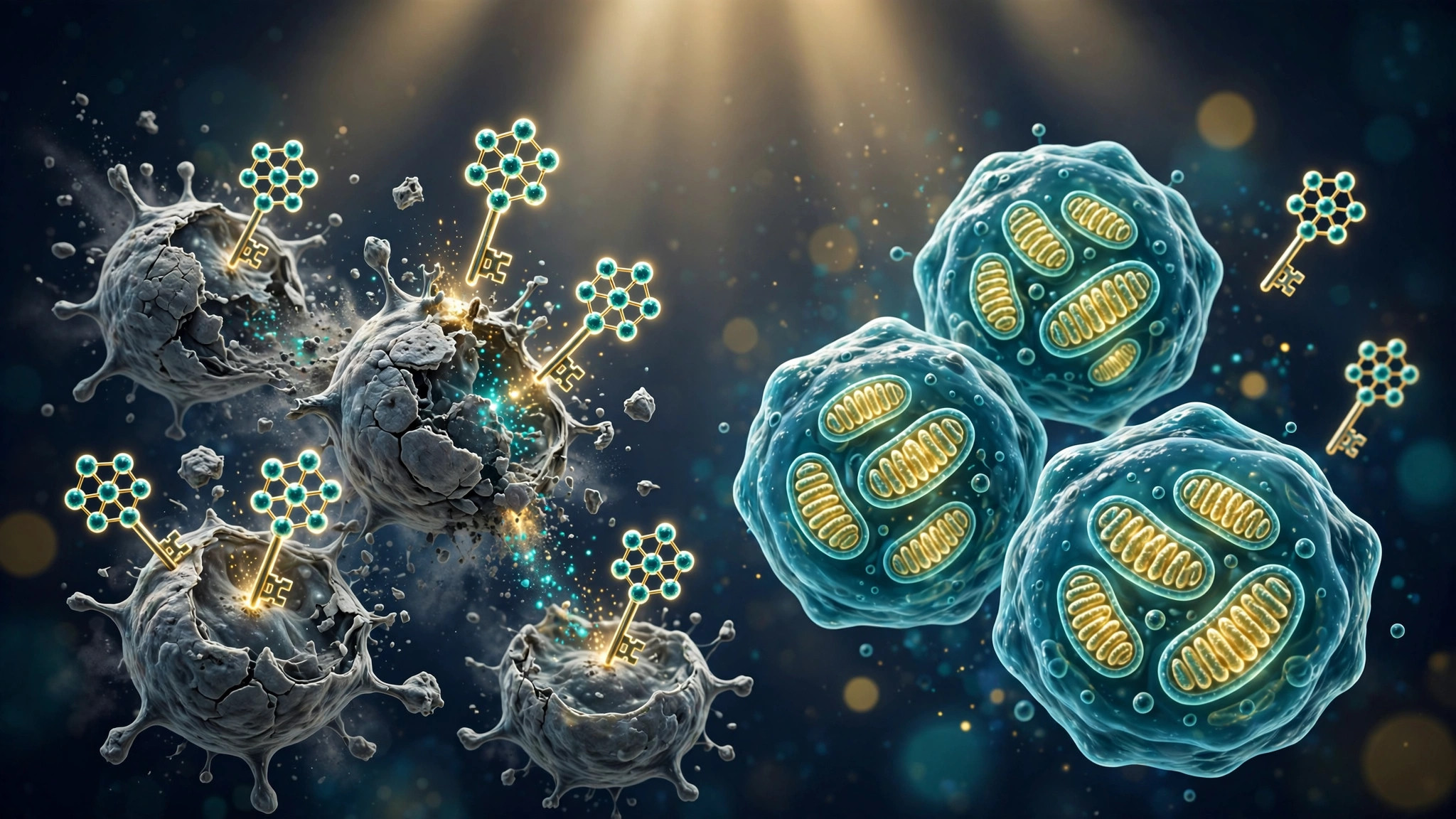
Senescent cells — aged cells that stop dividing but refuse to die — accumulate with age and drive tissue decline, and selectively removing them (senolysis) is a central longevity strategy. A study in Nature Aging (Wu, Yang, Li and colleagues, University of Chicago and collaborators; published November 6, 2026) found that senescent cells carry an altered pattern of reactive protein cysteines, and that this chemistry is a vulnerability: vanadyl sulfate, a vanadium compound long sold as a blood-sugar supplement, selectively oxidizes those cysteines, driving catastrophic protein aggregation and autophagic death in senescent cells while sparing healthy cells. In aged male mice given vanadyl sulfate in drinking water for three months starting at about 17 months of age, median survival rose to 952 days versus 886.5 days in controls — 65.5 days longer — alongside doubled hanging grip endurance, less visceral fat, and reversed hepatic and renal decline markers in the phenotype experiments. The caveats are substantial and stated plainly below: mice only, a males-only lifespan arm, a narrow therapeutic window for vanadium, and a mouse dose far above typical supplement doses. This is not a recommendation to take vanadyl sulfate.
Mitochondria constantly split (fission) and rejoin (fusion), and the split is executed by DRP1, which is recruited to the mitochondrial surface by Mitochondrial Fission Factor (MFF). A proteomics study in Cells (published November 9, 2026) asked whether that machinery changes in the placenta under high glucose — the hyperglycaemia of gestational diabetes. In human BeWo trophoblast cells syncytialised in high glucose (25 millimolar) versus normoglycaemic controls, the team quantified 3,528 protein groups; 388 were differentially abundant, and MFF stood out with a 4.5-fold increase (q = 0.040) while DRP1 itself was unchanged. Follow-up ELISA measurements found MFF up 48% in high-glucose cell lysates and up 41% in the serum of hyperglycaemic pregnant rats on gestational day 7 (both p < 0.001). The authors are explicit about scope: this is an association in a cell model and a rat model, not a validated predictor — glucose and cell differentiation were varied together in the cell experiments, group sizes were small (n=3), and validation in women is still needed.
Diabetic heart muscle fails in part at the mitochondria: quality control — the import, repair and mitophagy systems that keep the organelle pool healthy — breaks down under chronic high glucose. A study in Frontiers in Cardiovascular Medicine (published November 9, 2026) mined a rat diabetic-myocardium dataset (GSE4745) plus three supportive human and animal cohorts and identified 192 differentially expressed genes, 58 of them tied to mitochondrial quality control, with altered fatty-acid oxidation, mitochondrial protein import and mitophagy programs. One candidate stood out: proenkephalin (PENK), better known as a precursor of opioid peptides. PENK rose under high glucose, and in human AC16 cardiomyocytes treated with high glucose, silencing PENK with either of two independent siRNAs improved cell viability, reduced cleaved caspase-3 and mitochondrial superoxide, restored the JC-1 membrane-potential ratio, lowered PINK1, Parkin and DRP1, and raised the fusion protein MFN2. The abstract reports these effects qualitatively, without percentage effect sizes — a reason to read this as a promising lead, not a measured therapy.
Oxaliplatin is a backbone chemotherapy for gastric cancer, and resistance to it is a routine clinical problem. A study in Pharmaceuticals (published November 8, 2026) tested whether an ethanol extract of Huang-Jin-Shuang-Shen (HJSS-E), a botanical preparation, could potentiate oxaliplatin — and traced the effect to the cancer cells' energy system. Using DARTS proteomics, cancer-database mining and RNA sequencing, the team identified FBLN1 as a candidate target (one extract component, salvianolic acid A, reproduced selected effects and bound recombinant FBLN1 in surface plasmon resonance). The combination was associated with altered RYR2 and the mitochondrial NAD+-dependent enzyme SIRT3, reduced ATP content and reduced NAD+/NADH ratios, and an increased mitochondria-associated calcium signal — a profile of collapsing tumour energetics alongside enhanced DNA damage and apoptosis. The potentiation appeared in gastric cancer cells, in mouse xenografts, and in patient-derived organoids. The abstract reports the findings qualitatively, without percentage effect sizes, and everything here is preclinical.
When the retina detaches, photoreceptor cells lose their oxygen supply and begin to die — the race in retinal detachment surgery is against that cell death. A study in Cell Death & Disease (published November 7, 2026) tested a new way to switch on the cell's own hypoxia defence: Stabilizer 1a, a cyclometalated iridium(III) complex that disrupts the VHL-HIF1alpha interaction, stabilizing HIF1alpha — the master transcription factor of oxygen adaptation — even when oxygen is present. In the murine cone photoreceptor-like 661W cell line, 1a increased HIF1alpha under both normal and low oxygen, outperformed the comparison agent DMOG on the reported readouts, reduced hypoxia-induced apoptosis (less cleaved caspase-3 and annexin V), reduced mitochondrial and total reactive oxygen species, preserved ATP production, and increased mitophagy markers — while also inducing a reversible senescence-like state (raised p16 and p21, reduced proliferation; removing the compound restored p21 to baseline). In living mice, 1a attenuated photoreceptor apoptosis after experimental retinal detachment, again with increased mitophagy markers. The abstract reports these effects qualitatively, without percentage sizes.
Temple, the wearable venture from Zomato/Eternal founder Deepinder Goyal, opened pre-orders in India on November 1, 2026 at 85,000 rupees (about $960), with deliveries expected in roughly three months. The small bean-shaped device sticks to the temple with adhesive patches and reports two proprietary scores: BrainFlow, billed as insight into cerebral circulation measured optically over the superficial temporal artery, and Entropy, a 1-to-250 score for how hard the body is working to sustain itself. The venture is built on Goyal's Gravity Ageing Hypothesis — the idea that a lifetime upright lets gravity tax brain circulation and accelerate ageing, a framing he now calls a hypothesis, not a theory. Coverage on November 7-9, 2026 brought the scientific pushback into the open: hepatologist Dr. Cyriac Abby Philips called the brain-flow claim baseless; neurologist Dr. Sudhir Kumar said extraordinary claims require extraordinary evidence; and Apollo Hospitals radiology chief Dr. Navin Gnanasekaran made the anatomical point — the superficial temporal artery is a branch of the external carotid supplying scalp and face, while the brain is supplied mainly by the internal carotid and vertebral arteries. Goyal's own position, stated in his defence, is the fair summary: Temple is a fitness and wellness device, not a medical device, and it has not been clinically validated; the studies behind it so far are company-funded and not peer-reviewed.
Health Canada's public advisory of November 6, 2026 is the grey-market peptide economy described in one document. The regulator seized and tested unauthorized injectable products from Shanghai ERP Peptide Biotechnology Co., Ltd., sold through two Canadian retail sites, and laboratory testing found three bacterial species in the products: Acinetobacter seifertii, Acinetobacter nosocomialis and Propionibacterium (Cutibacterium) acnes. More than 11,400 vials were seized from the supplier and the two retailers — truenorthbiolabs.ca and bcaxiompeptide.com, both now inactive after court-issued entry warrants. The product list reads like a longevity clinic's menu: human chorionic gonadotropin (hCG), the mitochondrial-derived peptide MOTS-C, NAD+, retatrutide, tesamorelin and tirzepatide. Health Canada's warning is plain: injecting contaminated products can cause serious infections, hospitalization and life-threatening sepsis. The advisory reports no illness case count, and none is claimed here. For readers of this site the point is direct: two of the seized categories — NAD+ and MOTS-C — are sold precisely on mitochondrial promises, and an unsterile vial delivers bacteria, not bioenergetics.
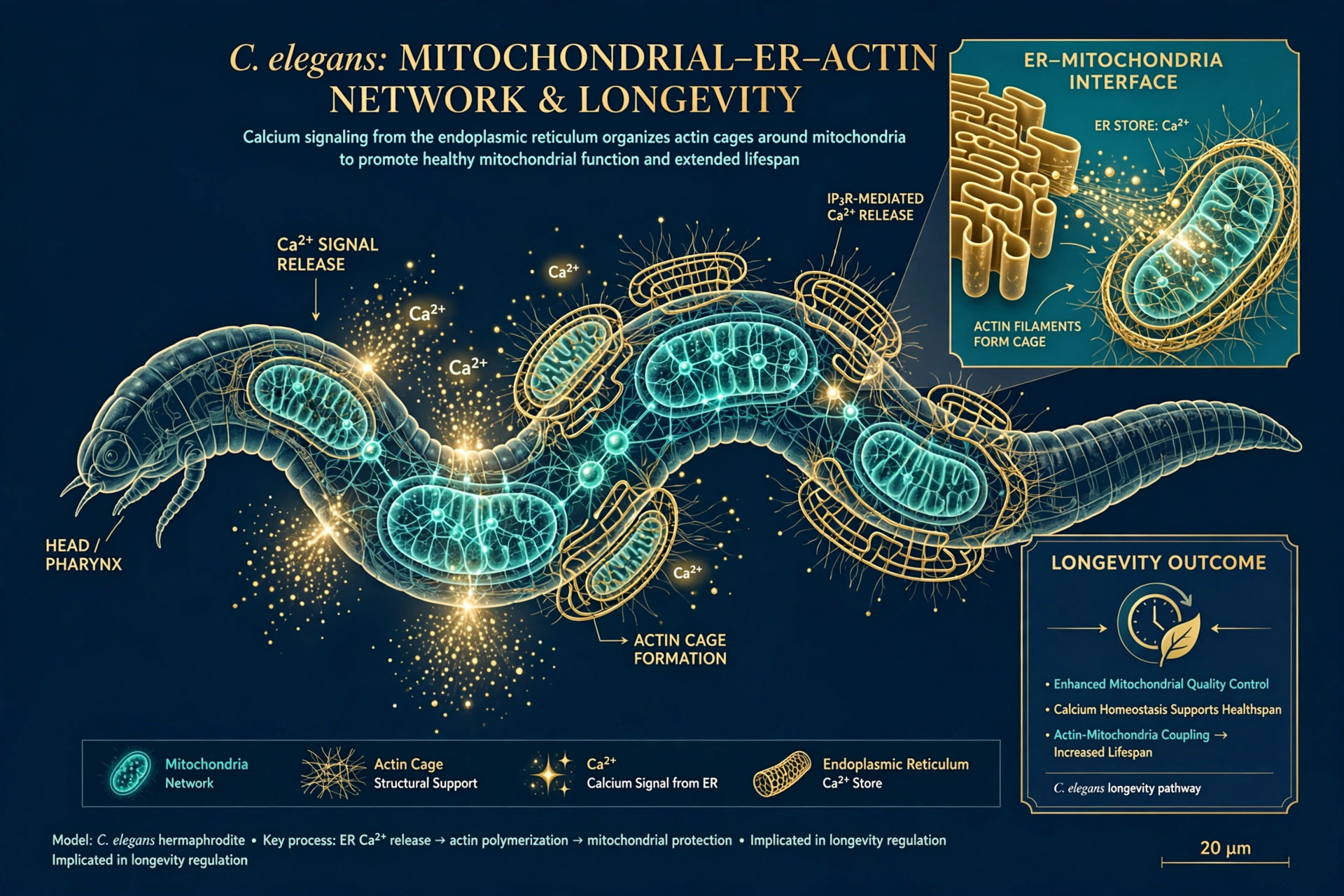
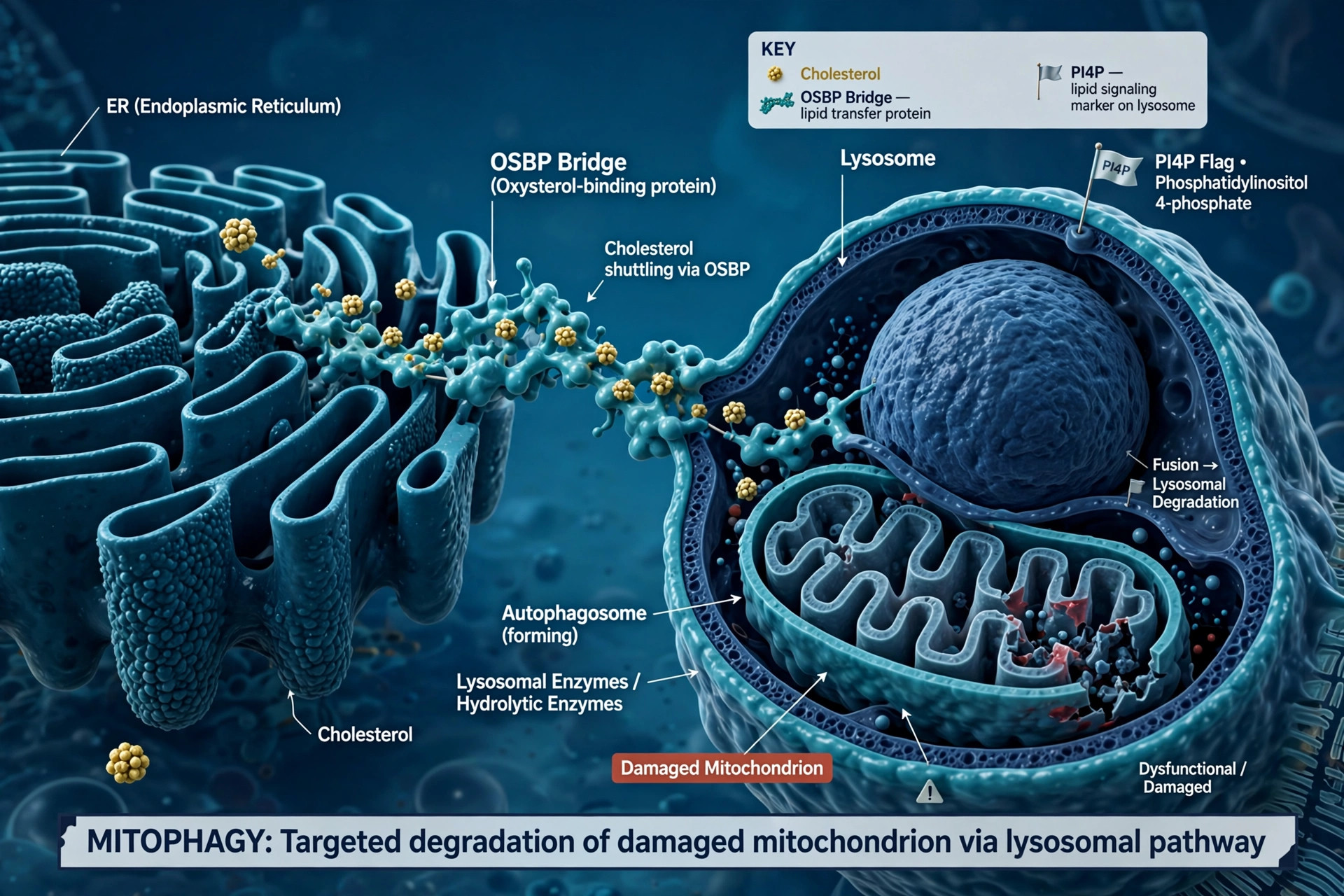
Lysosomes are the cell's recycling centres: they digest worn-out proteins and damaged organelles — including worn-out mitochondria, through mitophagy — and their decline is a hallmark of aging. A study in Aging Cell (Yu, Li, Chen and colleagues; published November 7, 2026) tested 20(S)-ginsenoside Rg3, a compound from ginseng, in the roundworm C. elegans. At 10 micromolar, Rg3 extended lifespan and preserved the functions that normally fade with age — locomotion and pharyngeal pumping — and it worked when given only in adulthood, though the benefit was strongest when treatment began early in life. It also maintained mechanosensory neuron integrity and touch sensitivity, suppressed neuronal polyglutamine aggregation, and protected dopaminergic neurons against alpha-synuclein degeneration. Mechanistically, Rg3 restored neuronal lysosomal function and autophagic flux: it shifted phosphoinositide lipids at lysosomal membranes (PI(4)P up, PI(3)P down), reduced RSKS-1/S6K phosphorylation — a sign of suppressed TORC1 signalling — and drove HLH-30, the worm version of the lysosomal master switch TFEB, into the nucleus. The causal controls are unusually complete: knocking down bec-1 (a core autophagy gene), vha-3 (the lysosomal proton pump) or hlh-30 abolished the benefits. Every result is in worms; there are no human data.
Progressive supranuclear palsy (PSP) is a primary 4-repeat tauopathy: deposits of an abnormal tau protein accumulate in vulnerable neurons, and the Richardson's syndrome form (PSP-RS) is its most common and devastating presentation. A study in Cellular and Molecular Life Sciences (Lazzinnaro, Esposito, Parrotta and colleagues; published November 3, 2026, with fresh coverage November 8) grew midbrain organoids — laboratory-grown human brain tissue — from PSP-RS patients and mapped how tau pathology connects to mitochondrial dysfunction, combining functional bioenergetic analysis, quantitative proteomics, targeted metabolomics and redox imaging. The central finding concerns respiratory reserve: PSP-RS organoids showed a marked reduction in maximal respiration and spare respiratory capacity, the buffer cells draw on when energy demand surges. The authors describe a coordinated phenotype — respiratory chain remodelling alongside oxidative stress and metabolic reprogramming — and are explicit about scope: mitochondrial dysfunction appears as an integrated feature of PSP-RS in this model; the work does not identify a cause of the disease or a therapeutic target, and organoids are a model system, not measurements in living patients' brains.
Pancreatic ductal adenocarcinoma (PDAC) is one of the most lethal cancers, defined by chemoresistance and few treatment options. Schisandrin B (Sch B), a bioactive compound from the fruit Schisandra chinensis, had shown anticancer effects in other malignancies, but its role in PDAC was unknown. A study published November 7, 2026 (Korea University and colleagues, International Journal of Molecular Sciences) combined network pharmacology, molecular docking and molecular-dynamics simulation with cell and animal experiments, focusing on the EGFR/AKT/mTOR signalling pathway and mitochondrial dysfunction. The computational work nominated EGFR, CASP3, BCL2 and HSP90 as key candidate targets. In PDAC cells, 48 hours of Sch B reduced viability, suppressed EGFR/AKT/mTOR signalling, and induced mitochondrial dysfunction — loss of mitochondrial membrane potential, increased mitochondrial and cytosolic calcium, and elevated reactive oxygen species — accompanied by activation of apoptotic signalling. Combined with gemcitabine, the standard chemotherapy, effects on apoptosis and oxidative stress were enhanced. In mice, Sch B significantly reduced growth of PANC-1 xenograft tumours, with decreased EGFR, AKT, mTOR and HSP90 protein expression in tumour tissue. This is deliberate mitochondrial injury as an anticancer mechanism, in preclinical models only.
Mitochondrial dysfunction appears in nearly every neurodegenerative disease — but appearing is not causing. A 60-page review published November 7, 2026 (IMU University and colleagues, International Journal of Molecular Sciences) set out to grade the evidence disease by disease for Alzheimer's (AD), Parkinson's (PD), ALS and Huntington's (HD), weighing human-genetic, patient-tissue and model-based evidence separately. Its verdict: mitochondrial dysfunction is best supported as a primary driver in Parkinson's disease and in genetic ALS, and as an early amplifier of protein-driven or mutant-huntingtin toxicity in sporadic Alzheimer's and Huntington's. The review walks the shared machinery — defective oxidative phosphorylation, altered fission–fusion dynamics, defective mitophagy, impaired axonal transport, excess reactive oxygen species, and the cell-death pathways they feed (necroptosis, ferroptosis, pyroptosis, parthanatos) — and the disease-specific signatures: amyloid-beta/tau impairing mitophagy in AD, PINK1/Parkin dysfunction and complex I inhibition in PD, SOD1/C9orf72-associated defects in ALS, mutant huntingtin's bioenergetic effects in HD. It is equally direct about translation: despite the mechanistic richness, mitochondria-targeted therapies have not yet succeeded clinically — while noting newer approaches including USP30 inhibition, intercellular mitochondrial transfer, and the regulatory approval of a mitochondria-targeted peptide.
Triple-negative breast cancer (TNBC) is an aggressive subtype with few targeted options, and mitochondria are an attractive photodynamic therapy (PDT) target: the reactive oxygen species PDT generates live briefly and travel nanometres, so where they are made decides what they damage — and mitochondria are the cell's most consequential address. A critical review published November 7, 2026 (University of Rzeszów, International Journal of Molecular Sciences) searched PubMed, Scopus and Web of Science for nanoparticle-mediated classical PDT in TNBC with mitochondrial targeting, covering January 2025 to August 2026. Of 3,637 records identified, seven original studies ultimately fulfilled the predefined criteria. The platforms used photosensitisers with intrinsic mitochondrial affinity, mitochondriotropic ligands, or multistage delivery; amplification strategies included type I photochemistry, oxygen modulation, glutathione depletion, metabolic interference, plasmonic enhancement and combined PDT/photothermal therapy. Mitochondrial photodamage was associated with apoptosis, pyroptosis, immunogenic cell death and cGAS–STING immune signalling. The review's own verdict is the story: the evidence remains limited by the small number of studies, the dominance of a single mouse tumour model (4T1), variable strength of mitochondrial-targeting validation, and limited translational assessment. Encouraging preclinical results — and a very narrow base under them.
A large share of mitochondrial claims begins in a dish of HEK293 cells, the workhorse human kidney cell line of laboratory research. A study published November 7, 2026 (Meiji Pharmaceutical University, Cells) asked a deceptively basic question: how much of what we measure as 'mitochondrial change' is actually the culture conditions? HEK293 cells were grown for four days in standard glucose (5.5 millimolar) or high glucose (25 millimolar), with or without daily medium replacement, and the team measured two mitochondrial marker proteins — TOMM20 (outer membrane) and TIMM44 (inner membrane) — by immunofluorescence and Western blotting, plus mitochondrial morphology by transmission electron microscopy. Without medium replacement, high-glucose culture was associated with greater TOMM20 and TIMM44 abundance and larger mitochondrial cross-sectional area than standard glucose, while mitochondrial density did not differ significantly. With daily medium replacement, the TOMM20 and TIMM44 differences were no longer detected, and the mitochondrial-size difference shrank though it remained detectable. In other words: the feeding schedule, not just the glucose, wrote part of the result.
The Estée Lauder Companies unveiled 'Mastering Skin Longevity' at the China International Import Expo (CIIE) in Shanghai (announced November 6, 2026, Business Wire): a scientific innovation platform that moves beyond individual hallmarks of aging to what the company calls the Master Regulators of skin longevity — interconnected pathways and proteins that influence multiple hallmarks at once. The three regulators named are the same ones mitochondrial and longevity research revolves around: sirtuins, which the company describes as regulating cellular repair, resilience and stress response; AMPK, the cellular energy sensor regulating energy and metabolic adaptation; and mTOR, regulating cellular renewal, regeneration and repair signalling. The launch package includes a 'Skin Longevity Clock' visual, a scientific white paper outlining the company's perspective, a Longevity Scientific Advisory Board spanning China, Singapore and the US, and Longevity Labs in Melville and Shanghai. The company grounds its authority claim in more than two decades of research including sirtuin biology and its Re-Nutriv SIRTIVITY-LP technology, and claims 20+ years of longevity research. What the announcement does not contain is any clinical result: no trial, no endpoint, no product efficacy data. It is a mainstreaming signal — mitochondrial-energy biology is now a beauty platform — reported here as exactly that, and nothing more.
AMPK is the cell's fuel gauge: when energy runs low, it switches on, throttling energy-hungry building work and pushing mitochondria to make more energy. Most longevity claims around AMPK rest on indirect activators such as metformin, which do many other things at once. A study in Aging Cell (dos Santos, Blickling, Leiper and colleagues, MRC Laboratory of Medical Sciences and collaborating institutions including Queen Mary University of London; published September 29, 2026, with fresh coverage November 6) used a research compound called 991, which binds and activates AMPK directly, in three distantly related organisms — fission yeast, the nematode worm C. elegans, and the fruit fly Drosophila. Lifespan extended in all three, in some cases by more than 25%. When worms and yeast lacked functional AMPK, the effect disappeared — the causal control that makes the result persuasive. Two cautions sit in the same paper: higher doses shortened lifespan in some experiments, and in mice, dosed for three weeks, 991 produced liver protein changes consistent with AMPK activation (more ATP-production and mitochondrial-biogenesis processes, mTOR suppressed) but no lifespan extension was demonstrated.
Insilico Medicine, a clinical-stage generative-AI drug-discovery company, announced on November 6, 2026 (PR Newswire) the open-source release of Longevity Grok, the Personal Longevity Superintelligence (PLSI), built for the Grok Bot platform in collaboration with Harvard Medical School geroscience researcher David Sinclair, and launched the site longevitygrok.si. The system coordinates up to 30 specialized AI agents to unify fragmented personal health data — labs, continuous glucose monitors, wearables, epigenetic tests and medical records, standardized with clinical coding systems such as LOINC, RxNorm and UCUM — then proposes lifestyle interventions with auditable 'prediction cards' (target biomarker, confidence interval, time horizon, evidence grade) and scores follow-up results in a closed loop. Diagnosis and prescriptions are reserved to licensed physicians, and users may optionally contribute deidentified data to a 'Longevity Mothership' research pool; the code is on GitHub. Insilico's own collaborating voice supplied the necessary caution, aired in the announcement coverage: Alex Zhavoronkov's standing caveat that zero tools are clinically proven to add a year of life for already-healthy optimizers. No mitochondrial outcome is measured by the system, and no clinical validation of its predictions has been published.
When regulators squeezed the best-known 'forever chemicals,' industry shifted to alternatives — including hexafluoropropylene oxide (HFPO) homologues, now increasingly detected in environmental and biological samples. A study in Environment & Health (Wei and colleagues; published November 6, 2026) tested whether chain length decides toxicity in HTR-8/SVneo cells, a human trophoblast-like line used to model the placenta's invasive cells. The long-chain compounds HFPO-TA and HFPO-TeA — but not short-chain HFPO-DA or PFOA — suppressed proliferation, arrested the cell cycle at S phase, and impaired migration and invasion. Transcriptomic profiling pointed to disrupted integrin-mediated adhesion and focal-adhesion signalling, with FAK/PI3K/Akt signalling inhibited, alongside mitochondrial dysfunction and excess reactive oxygen species. The mitochondrial numbers are concrete: membrane potential fell by 19% and 31% under 50 and 100 micromoles per litre of HFPO-TA, and by 12%, 24% and 73% under 25, 50 and 100 micromoles per litre of HFPO-TeA, while intracellular ROS rose up to 1.8-fold and 2.7-fold respectively. Molecular docking suggested preferential interactions between HFPO-TeA and integrin subunits. Every result is in cultured cells at laboratory concentrations.
Smilax glabra Roxb. is a rhizome used in traditional medicine, and its flavonoid fraction (SGF) had already shown protection against pathological cardiac hypertrophy. A study published November 6, 2026 (Zhejiang Academy of Traditional Chinese Medicine and colleagues) asked whether SGF protects against aging-like cardiac change, using D-galactose — a sugar that induces aging-like damage — in C57BL/6J mice and in H9c2 heart cells, with mitochondrial structure as a central readout. In the mice, SGF significantly attenuated cardiac hypertrophy, reduced myocardial fibrosis and reactive-oxygen-species overproduction, and preserved mitochondrial ultrastructure, alongside increased AMPK phosphorylation and higher expression of the mitochondrial-biogenesis axis PGC-1alpha/NRF1/TFAM and the mitophagy pathway PINK1/Parkin. In the cells, SGF suppressed senescence-like changes — and those benefits were abolished when an AMPK inhibitor (Compound C) was added, with SGF's action resembling the AMPK activator AICAR. The authors frame the mechanism carefully: an AMPK-associated pattern that may contribute to the cardioprotection, in an artificial aging model, with no human data.
The idiopathic inflammatory myopathies (IIMs) — immune-driven muscle diseases including dermatomyositis, polymyositis and inclusion body myositis — pair muscle weakness with inflammation, and mitochondria sit at the crossing point. A narrative review published November 6, 2026 (Second Hospital of Hebei Medical University and colleagues, International Journal of Molecular Sciences) integrates what is known about mitochondrial DNA abnormalities in these diseases. Large-scale mtDNA deletions and depletion are documented in inclusion body myositis and in polymyositis with mitochondrial pathology, while dermatomyositis studies show regional depletion and oxidative modifications in distinct tissue compartments. The mechanistic thread: mtDNA encodes essential oxidative-phosphorylation components, and when it escapes damaged mitochondria it can stimulate innate immune sensing and inflammasome activation — potentially feeding the very inflammation that injures the muscle. The review is candid about the therapeutic gap: reported clinical benefits of mitochondria-directed approaches do not establish mtDNA-specific therapeutic effects, and it names subtype-by-subtype biomarker validation as the field's priority. It is a synthesis of prior work (searches through October 20, 2026), not a new experiment.
Parkinson's disease still lacks a specific early diagnostic biomarker, and mitochondrial dynamics — the constant fusion, fission and transport that keep neuronal mitochondria healthy — is one of its suspect pathways. A study in PLoS One (Gong, Li, Li and colleagues; published November 4, 2026) mined public transcriptomic datasets (Gene Expression Omnibus training set GSE6613, n=72; validation set GSE99039, n=438) together with 23 mitochondrial-dynamics-related genes, building a mitochondria-dynamics score and asking which genes tracked with it and with disease. Two candidates emerged: CYSLTR2, a cysteinyl leukotriene receptor gene, and TTPAL, an alpha-tocopherol transfer protein-like gene. Laboratory RT-qPCR checks suggested CYSLTR2 is downregulated and TTPAL upregulated in patients with Parkinson's (P less than 0.0001). The authors frame both precisely: novel candidate biomarkers associated with mitochondrial dynamics dysfunction, providing targets for mechanistic and therapeutic investigation. Dataset mining plus an expression check is the first step of biomarker development — clinical validation in prospective patient cohorts is the long road after it.
Cadmium is a persistent environmental toxicant and the liver is one of its targets. A study in Scientific Reports (Zhu, Zhang, Yang and colleagues; published November 5, 2026) tested whether exosomes from mesenchymal stem cells (MSCs-Exos) — the tiny signalling vesicles stem cells release — protect against cadmium-induced liver injury, and through what mechanism. The mechanistic chain the team reports: cadmium triggers mitochondria-dependent ferroptosis in liver tissue, marked by mitochondrial fragmentation, loss of membrane potential and depletion of key antioxidant defences. The exosomes reversed those alterations — restoring mitochondrial integrity, reducing reactive oxygen species and iron accumulation, and rebalancing ferroptosis regulators and mitochondrial integrity factors. In living animals, systemically administered exosomes homed to the injured liver, blunted cadmium-driven rises in liver enzymes, and attenuated hepatic inflammation, necrosis and ultrastructural mitochondrial damage. It is a coherent animal-and-cell result for a defined toxic injury — a long way from a therapy for human cadmium exposure, and no human data exist.
The sales premise behind NAD+ boosters — pills, and the IV drips built on them — is that NAD falls as you age, so topping it up restores something lost. A two-arm clinical programme in Nature Metabolism (Romenskaja-Avgul and colleagues, Vilnius University Life Sciences Center; published November 4, 2026) measured total whole-blood NAD (NAD+ plus NADH, by dried blood spot enzymatic assay) in 1,068 adults sampled once, fasting, in the morning — 636 women and 432 men. In healthy men, blood NAD showed no significant association with age. In healthy women it rose with age, by 0.07 micromoles per year. What did track with lower NAD was disease: cardiovascular disease, and hypertension in particular, reduced whole-blood NAD in both sexes and disrupted the healthy trajectories. The authors state plainly that their data provide no broad rationale for NAD-boosting interventions in healthy adults based on a universal blood NAD deficit — while emphasizing that blood is not tissue: the findings do not contradict reported NAD decline in muscle, brain and skin.
A worn spinal disc is, in part, a mitochondrial failure: the nucleus pulposus cells that cushion the disc lose mitochondrial homeostasis and die by ferroptosis, an iron-driven form of cell death. A study in the Journal of Nanobiotechnology (Sun, Yu, Yang and colleagues, Affiliated Hospital of Qingdao University; published November 5, 2026) found the mitochondrial protein GSTK1 is downregulated in degenerative disc cells, and that restoring it — through a GSTK1–ALDH1L2 axis that maintains mitochondrial homeostasis independently of the classical ACSL4 ferroptosis pathway — partially delayed disc degeneration in rats. The team then engineered the biology into a delivery system: mitochondria-enriched extracellular vesicles from GSTK1-overexpressing disc cells ('Super-Mito-EV'), tagged with an EY3 aptamer to target mitochondrial transfer and packed into an injectable thermosensitive hydrogel. In a rat disc-degeneration model, the strategy significantly delayed degeneration and improved disc structure and molecular homeostasis. The abstract reports no effect sizes, group sizes or doses.
IDH2 is a mitochondrial enzyme that helps make alpha-ketoglutarate (alpha-KG), a central metabolic intermediate. A study in Cell Death & Disease (Xu, Zang, Wang and colleagues, Jiangsu University, corresponding author Zhongqun Wang; published November 5, 2026) reports that a chemical tag called lactylation — placed on IDH2 at one specific site, lysine 272 — is significantly elevated in diabetic arterial plaques and acts as a protection switch. Lactylation at K272 maintained IDH2's enzymatic activity, keeping alpha-KG production sufficient and attenuating mitochondrial damage and endothelial dysfunction under high-glucose, high-lipid conditions. In two different mouse models engineered so the tag could not be placed, losing K272 lactylation worsened mitochondrial dysfunction and endothelial injury and promoted plaque formation and instability. Supplementing alpha-KG itself effectively mitigated diabetic plaque progression in the model. The abstract reports no effect sizes.
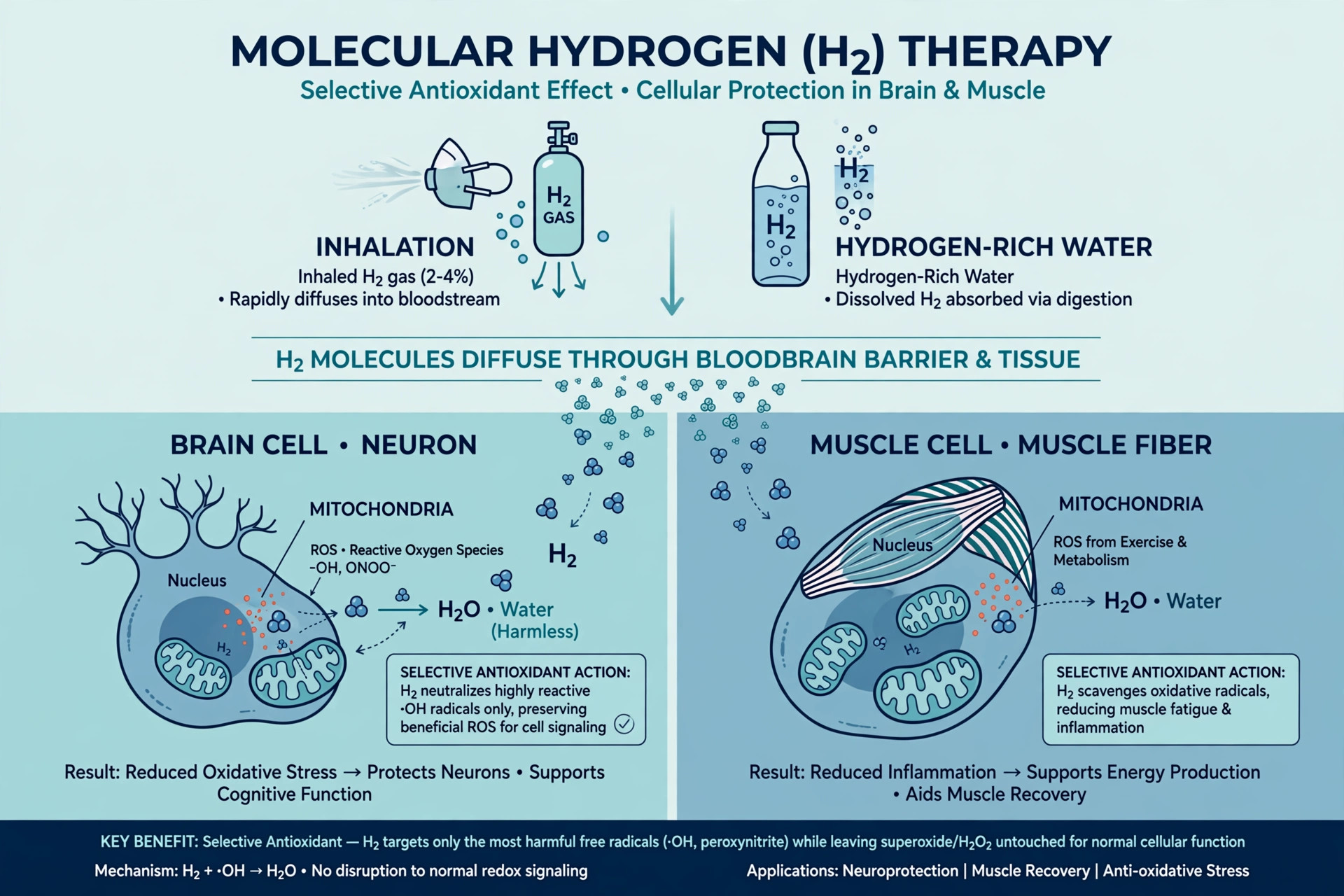
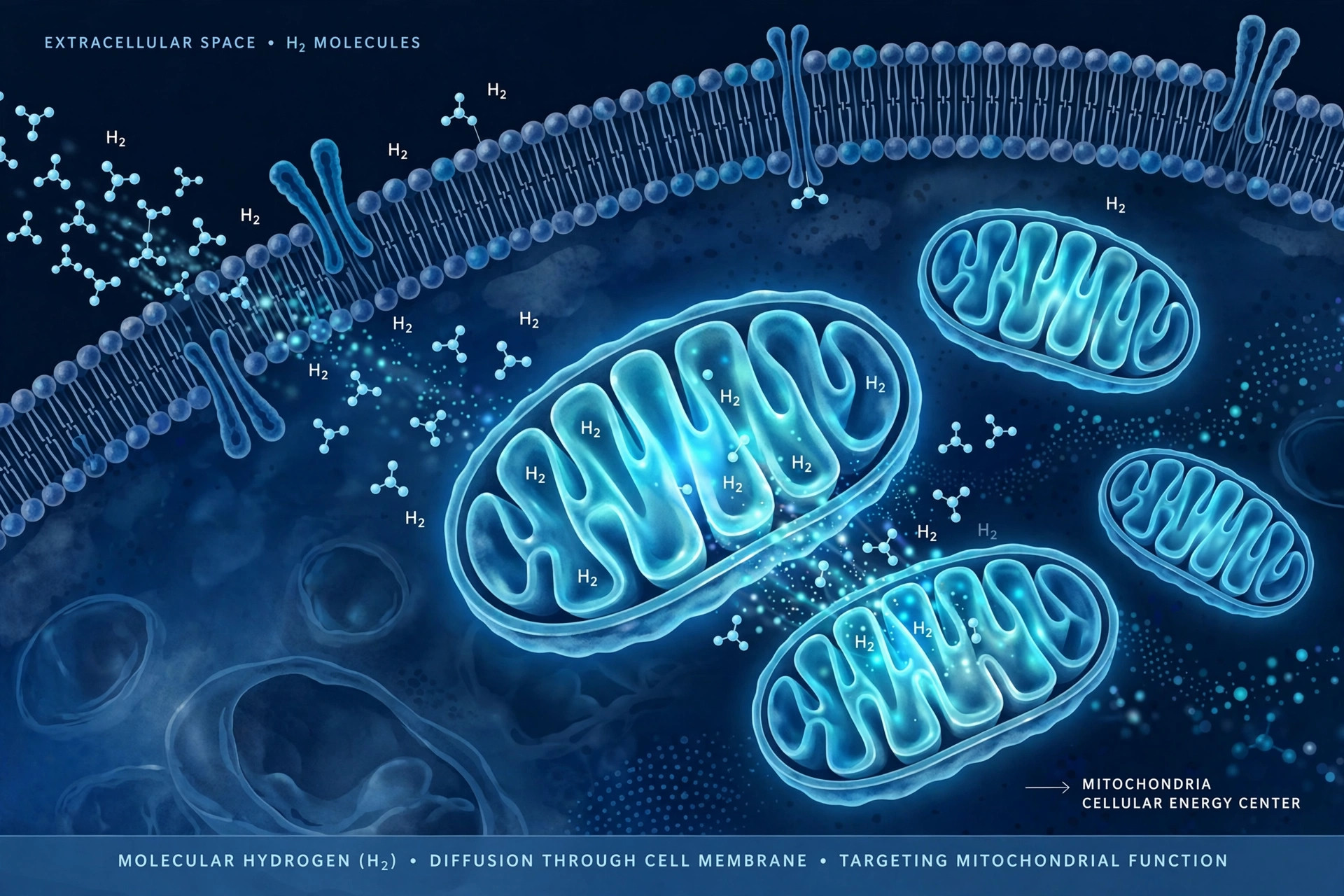
Molecular hydrogen's evidence base grows one cell study at a time. In Scientific Reports (Ebara, Ogawa and Kawada, Teikyo University, Tokyo; published November 6, 2026), researchers built a specialized culture system that keeps muscle cells in a sealed 2% hydrogen environment and asked what the gas does to C2C12 myoblasts — mouse muscle precursor cells — under normal and high-glucose conditions. Hydrogen significantly inhibited hydrogen-peroxide-induced lipid peroxidation and attenuated high-glucose-induced abnormalities in mitochondrial membrane potential; under high glucose it prevented mitochondrial membrane hyperpolarization. Two honest limits sit in the same abstract: hydrogen did not rescue the stressed cells from death, and it suppressed cell proliferation (a cytostatic effect) under both normal and high-glucose conditions, without causing necrosis or apoptosis. One author is the president and CEO of a company that manufactures and sells hydrogen gas generators — disclosed in the paper, which states no company funding, products or equipment were used and that university advisors supervised the work.
Lonidamine is an old drug with a modern rationale: it inhibits both glycolysis and mitochondria, the two energy systems glioblastoma cells reprogram to resist temozolomide, the standard chemotherapy. A study in Scientific Reports (Alrashidi, Bhaduri, Gash and colleagues, University of Liverpool, corresponding author Harish Poptani; published November 5, 2026) treated 66 mice bearing intracranial GL261 glioblastomas with saline, lonidamine, temozolomide, or the combination for five consecutive days, tracking the tumours with MRI and MR spectroscopy on days 0, 3 and 6. The metabolic effect was real and visible: lactate fell significantly in the lonidamine groups, the lactate transporter MCT4 was markedly reduced, and in lab-grown GL261 cells lonidamine acutely decreased mitochondrial respiration (with partial recovery later). The therapeutic bottom line was not: the combination's survival benefit was not significant, and there were no significant differences between groups in tumour volume, diffusion-imaging parameters, or mitotic index after six days.
PD-L1 is famous as the brake pedal cancers press to evade the immune system — and the target of blockbuster immunotherapies. A study in Cell Death & Disease (Shi, Liu, Mou and colleagues, Beijing Tiantan Hospital and Capital Medical University with Tsinghua University; published November 4, 2026, as an accepted early version) asks what else PD-L1 status tracks with inside the cancer cell itself. Comparing non-small cell lung cancer (NSCLC) cells by PD-L1 expression, the team found PD-L1 associated with increased endocytic activity and altered metabolic flux, particularly in the tricarboxylic acid (TCA) cycle — the mitochondrial energy hub. PD-L1 expression was also associated with mitochondrial remodelling: changes in proteins governing mitochondrial fusion and fission and in respiratory-chain components. Integrated multi-omics analyses further found differential H3K9me3 epigenetic patterns by PD-L1 status, including at the PTPRN2 locus. Every finding is an association in cultured cells; no treatment was tested and no direction of cause is established.
Seeing mitochondria clearly and knowing their chemical state have usually been two different experiments. Researchers from Bielefeld University and the University of Vienna, working in the European CHEM-SCAN project, have combined them: their SIMFLIM technique fuses structured illumination microscopy (SIM), which resolves structures too small for conventional light microscopes, with fluorescence lifetime imaging microscopy (FLIM), which measures how long fluorescent molecules glow — a lifetime that shifts with the molecular environment, for example with pH. The result is high spatial resolution, fast imaging and a large field of view in one method, demonstrated using a human bone cancer cell line, with fluorescence images showing mitochondrial structural changes over time. The work, published in Optica (Marchand and colleagues, 2026) and announced November 5, 2026, is aimed at drug research: watching, in fine detail, what candidate drugs do inside individual cells.
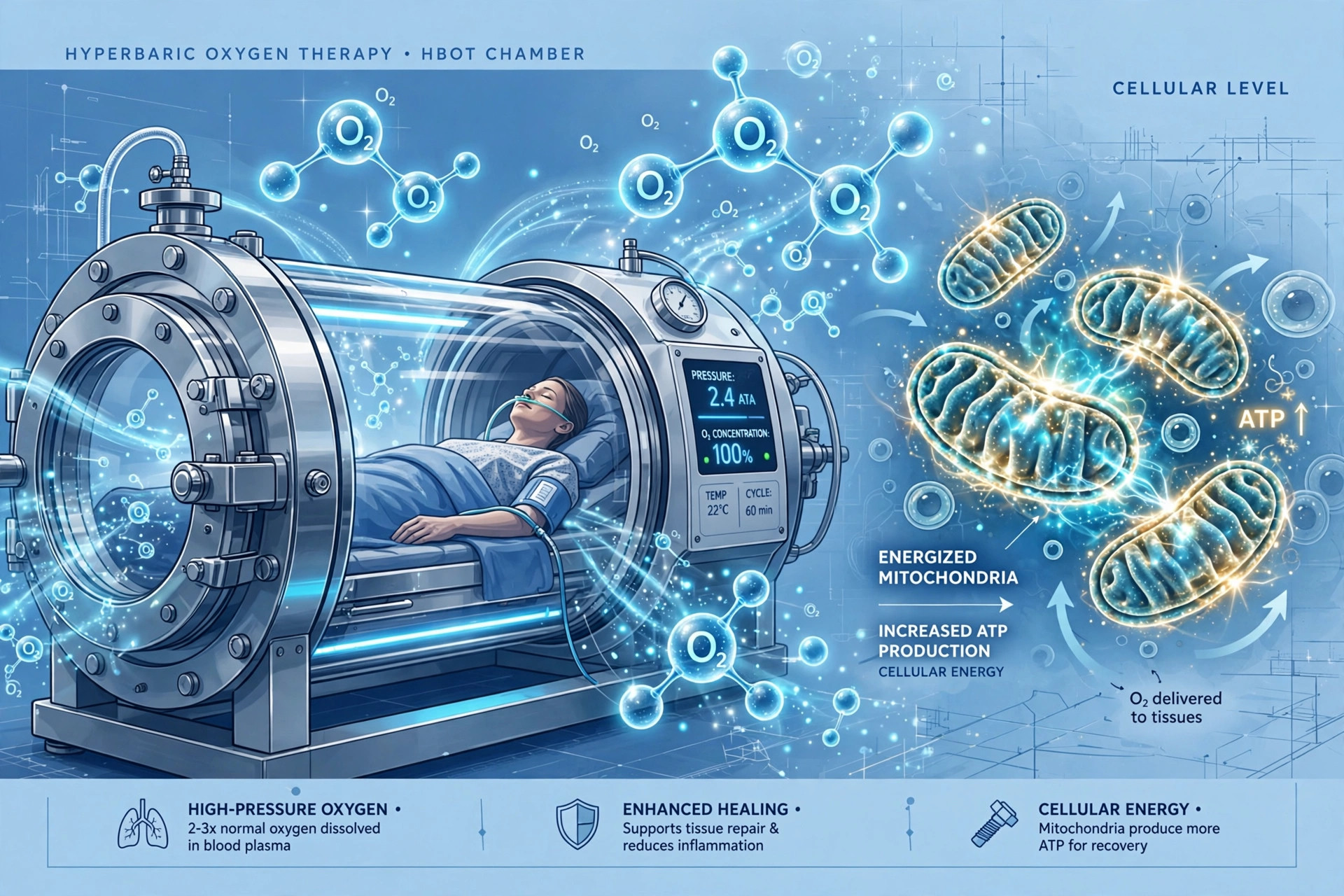
Humanaut Health, a longevity and regenerative medicine company with clinics in Austin, Dallas and Palm Beach Gardens, announced on November 3, 2026 (GlobeNewswire) six new franchise and corporate locations across the United States and Mexico. Palm Desert, California, and Park City, Utah, are expected to open in November 2026; San Antonio follows in January 2027; construction begins in Houston and Kansas City in December 2026; and Mexico City — the brand's first international location — is expected in early 2027. Park City, built on the acquisition of Docere Clinics (founded by Humanaut co-founder Dr. Harry Adelson), becomes the company's first Stem Cell Center of Excellence, offering orthopedic and spine stem-cell procedures, stem-cell IV infusions, hyperbaric oxygen therapy and IV therapies. The announcement is a business milestone, not a scientific one: it contains no clinical results, and the regenerative services being franchised — stem-cell infusions in particular — rest on an evidence base that remains, at best, preliminary for a narrow set of uses and absent for most marketed ones. Cellular-energy and mitochondrial claims are a standard part of this market's language; no mitochondrial outcome is measured or cited in the announcement.
In the STAMINA trial (University of Surrey; European Heart Journal Open, September 28, 2026; results announced November 4, 2026), 61 healthy non-smoking adults aged 40 and over drank either NOVOS Core — a 12-ingredient daily longevity formula — or a matched placebo for six months. The primary endpoint, flow-mediated dilation (FMD), rose 47% from baseline in the NOVOS group, an adjusted 2.9 percentage points better than placebo at six months. Arterial stiffness (carotid-femoral pulse wave velocity) moved in opposite directions — down on NOVOS, up on placebo, an adjusted difference of 1.18 m/s — and systolic blood pressure fell further on NOVOS, an adjusted difference of 6.1 mmHg. Lipids did not change. The trial measured blood vessel function only: no heart attacks, strokes, lifespan outcomes — and no mitochondrial endpoint of any kind. The paper's own title calls the findings preliminary.
Colorectal cancers lean hard on mitochondrial oxidative phosphorylation (OXPHOS) — the cell's main energy assembly line. A study in Cell Death Discovery (He, Zhang, Xu and colleagues, Ji Tao's group at Harbin Medical University Cancer Hospital; published November 3, 2026) identifies the DEAD-box helicase DDX49 as a previously unrecognized regulator of that dependence. DDX49 was abnormally upregulated in colorectal cancer tissues, and higher expression tracked with more advanced stage and worse prognosis. In the laboratory, DDX49 promoted colorectal cancer cell proliferation and tumour growth and suppressed apoptosis. The mechanism runs straight through the mitochondria: nuclear DDX49 binds and stabilizes PGC-1α — the master switch of mitochondrial biogenesis — which raises TFAM and OXPHOS complex subunits and increases mitochondrial respiration. Rescue experiments confirmed PGC-1α is an essential downstream mediator. The authors propose DDX49 as a prognostic biomarker and a therapeutic target; no drug against it was tested.
Diabetic foot ulcers stall, in part, because the blood-vessel cells that should rebuild tissue are choking on damaged, iron-loaded mitochondria. A study in the Journal of Translational Medicine (Sun, Yuan, Zhang, He and Xiong, Xiang Xiong's group at the Second Xiangya Hospital, Central South University; published November 4, 2026) found the adhesion protein ITGA5 (integrin subunit alpha 5) significantly reduced in human diabetic foot ulcer tissue compared with normal skin. Restoring ITGA5 in db/db diabetic mice — via lentiviral overexpression — accelerated wound closure, improved collagen organization and increased new blood-vessel formation. In endothelial cells stressed by high glucose, ITGA5 restoration improved survival, migration and tube formation, while removing ITGA5 made things worse: more mitochondrial reactive oxygen species and more mitochondrial iron overload. Mechanistically, ITGA5 switched on PI3K/AKT signaling, cut mitochondrial iron accumulation and lipid peroxidation, and switched on a disposal route called mitocytosis — damaged mitochondria packaged into migrasomes and expelled from the cell.
When a newborn brain is starved of oxygen, neurons die not only from the injury itself but from a cleanup failure: damaged mitochondria pile up because mitophagy — the selective disposal of broken mitochondria — stalls. A study in Frontiers in Pharmacology (Zhou, Yan, Li, He, Gao and Yu; published November 4, 2026) tested exosomes — tiny signaling vesicles — harvested from human amniotic mesenchymal stem cells in a severe cerebral palsy model: postnatal-day-21 rats given carotid ligation plus two hours of 8% oxygen, treated 24 hours later with a tail-vein dose of exosomes (50 micrograms of protein in 100 microliters). Treated animals showed less cortical neuronal degeneration, less mitochondrial ultrastructural damage and fewer apoptotic neurons at 14 days. In cultured cortical neurons under oxygen-glucose deprivation, the exosomes restored ATP content, cut mitochondrial reactive oxygen species, normalized membrane potential, trimmed excess mitochondrial elongation (via MFN1), and — centrally — restored PINK1/Parkin-mediated mitophagy, the tagging pathway that marks damaged mitochondria for disposal.
Mitochondria began as bacteria — and their targeting signals still speak a bacterial dialect. A study in ACS Omega (Porritiello, Galatola, Agrillo and colleagues, Gianna Palmieri's group; published November 3, 2026) exploits the structural resemblance between mitochondrial targeting sequences and antimicrobial peptides. Using an in-silico design strategy, the team built two 18-residue peptides, TAMP1 and the optimized TAMP2, from the mitochondrial targeting sequence of the Twinkle helicase — the protein that unwinds mitochondrial DNA — taken from the Antarctic fish Notothenia coriiceps. Both peptides fold into stable amphipathic alpha-helices, the classic membrane-attacking shape. TAMP2 kept its potency against an extended panel of spoilage, foodborne and multidrug-resistant pathogens, with minimum bactericidal concentrations of 0.5 to 32 micromolar. Microscale thermophoresis and molecular-dynamics simulations supported strong interactions with bacterial-membrane mimics, and the paper reports no toxic effects in its in vitro and in vivo assays. It is a proof of concept: no infected animal model and no human data.
Ferroptosis is cell death by iron-driven rust: excess iron catalyzes the peroxidation of membrane lipids until the cell gives up, and mitochondria are both victims and amplifiers. A letter in Nano Letters (Juyeon Kim, Jaewoo Lee, Gyusang Yu and colleagues, with corresponding authors at Seoul National University and the University of Michigan; published online November 4, 2026) describes mesoporous polydopamine nanoparticles (PDNs) engineered with intrinsic antioxidant and iron-chelating properties. In cell models of iron overload and erastin-induced ferroptosis, the particles scavenged free radicals, reduced intracellular ferrous iron (Fe2+), preserved mitochondrial function and rescued cells from ferroptotic death. Untargeted metabolomics showed restoration of ferroptosis-associated metabolic profiles, including glutathione-metabolism and energy-production metabolites. In living animals, PDNs reduced lipid peroxidation and restored GPX4 — the enzyme that defuses lipid peroxides — in an erastin-induced muscle ferroptosis model, and improved blood perfusion and vascular recovery in a hindlimb ischemia model.
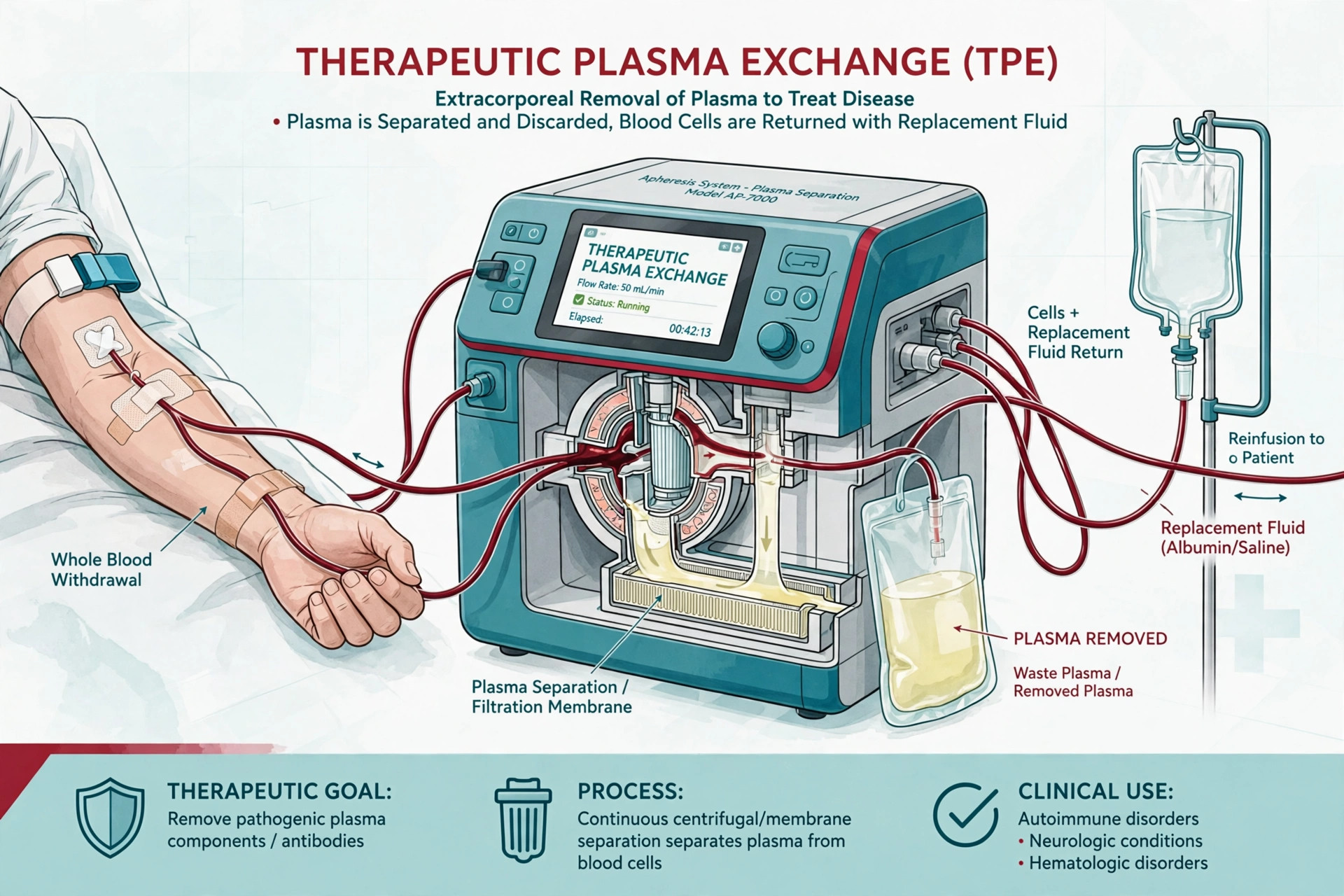
Therapeutic plasma exchange (TPE) — having your plasma filtered and replaced — is sold by longevity clinics as cellular rejuvenation, sometimes with a number attached: 2.61 years younger, from a randomized trial published in Aging Cell (Fuentealba and colleagues, Circulate Health and Buck Institute investigators; 2025). In a detailed critique published November 4, 2026, Dr. Caitlin Raymond — a transfusion-medicine physician at the University of Wisconsin–Madison who performs plasma exchange clinically — walks through what the number actually is. The trial enrolled 44 healthy adults over 50 (42 completed) in four arms of roughly 10 people each. No group's biological clock changed significantly from its own baseline at any follow-up. The 2.61 years is a mid-treatment difference between the biweekly-TPE-plus-IVIG arm and the sham arm — and by the final timepoint, after five sessions, no arm differed significantly from sham at all. 'Randomization' was based largely on entry date, baseline clocks already differed between groups, and no clinical outcome — function, cognition, symptoms — was measured. Notably, the trial also measured no mitochondrial outcome; 'mitochondrial dysfunction' appears only as a category label in its methods.
Most drug hunters destroy one bad protein at a time. A study published in Science (Chandrasekhar, McMinimy, Manford and colleagues, Michael Rapé's group at UC Berkeley; online October 29, 2026) demonstrates the opposite move — stimulated protein degradation (SPD): instead of dragging one target to the cell's shredder, a small molecule takes the brakes off the shredder itself. The team targeted CUL2FEM1B, an E3 ubiquitin ligase that guards mitochondria by degrading proteins that block mitochondrial protein import, including FNIP1. Under normal conditions, BEX-family proteins sit in the ligase's substrate pocket and restrain it. Screening roughly 120,000 compounds produced BD1, then a cell-active analogue, BD2, which displaces the BEX brakes and lets CUL2FEM1B degrade several of its natural substrates at once. In cultured-cell models of cytochrome c oxidase (COX) deficiency — where loss of assembly factors had cut respiratory capacity by 30 to 40 percent — BD2 restored respiration and prevented the death of neurons grown from induced pluripotent stem cells (iPSCs), and in frataxin-depleted models of Friedreich's ataxia it matched the effect of the approved drug omaveloxolone. It did not rescue every defect tested, and every result is in cultured cells — no animals, no patients, no pharmacology yet.
It sounds backwards: people whose cells struggle to make energy turn out to spend more of it. A study in Cell Press Blue (Shaulson, Sercel, Rausser and colleagues, Columbia University with the CU Anschutz Health and Wellness Center; reported November 3, 2026) compared 10 adults with mitochondrial disease to 10 healthy adults and found context-specific hypermetabolism: under controlled laboratory conditions, the mitochondrial-disease group expended approximately 195 additional calories per day, even while moving less — with elevated energy expenditure particularly during sleep. In everyday life the picture inverted: total daily energy expenditure, measured with the doubly labeled water gold-standard method, was similar between groups, because the mitochondrial-disease group was approximately 39 percent less physically active, as if reduced activity compensates for higher underlying energy costs. The mitochondrial stress protein GDF15 was nearly five times higher in the mitochondrial-disease group and was associated with greater fatigue, higher energy demands and reduced activity. Ten people per group is a small study, and hypermetabolism was context-specific rather than constant — but this is direct human measurement of a question usually argued from cell biology.
Senolytics — drugs that clear the senescent 'zombie cells' that accumulate with age — mostly hunt surface markers or survival proteins. A study in Cell (Kuehnemann and colleagues, led from the Jean Mayer USDA Human Nutrition Research Center on Aging at Tufts University, with the University of Eastern Finland, the Buck Institute, Mayo Clinic and The Jackson Laboratory; reported November 3, 2026) finds the vulnerability in fat metabolism instead. Senescent cells take in and store more polyunsaturated fatty acids than normal cells, yet one intermediate — DGLA (dihomo-gamma-linolenic acid, an omega-6 fatty acid) — is depleted, because the enzyme that converts it onward, D5D (encoded by FADS1), becomes relatively more active while delta-6-desaturase activity falls. Senescent cells are primed for ferroptosis — iron-dependent cell death driven by oxidation of membrane fats — carrying more free iron and more lipid-oxidizing enzymes. When the team added DGLA back, or inhibited D5D so DGLA accumulated, senescent cells died by ferroptosis while healthy cells remained largely undamaged. In aged mice, oral DGLA reduced senescent-cell numbers, reduced adipose and liver inflammation, and showed signs of improved liver and kidney function. Human genetics pointed the same way: in the Kuopio Obesity Surgery Study (KOBS), a FADS1 variant that promotes DGLA accumulation was associated with lower senescence markers in adipose tissue. No human trial exists, and this page is explicit about the mitochondria framing: ferroptosis is a membrane-fat and iron mechanism, not a mitochondrial therapy — it belongs here because senescent cells and dysfunctional mitochondria are coupled hallmarks of aging, each worsening the other.
Some of the signals that tune your mitochondria are not made by you at all. An interdisciplinary team from UConn and the University of Pittsburgh reports two linked studies (Gastro Hep Advances and The Journal of Physiology, 2026; reported November 3, 2026) on glycine lipids — fats produced by Bacteroidota species that live in the gut and mouth. The lipids circulate through the body: the team detected them in both portal blood and intestinal lymph, and in human liver tissue samples. In mice fed a high-fat, high-sugar Western diet that drives metabolic-dysfunction steatotic liver disease (MASLD), one-microgram injections of glycine lipids L654 or L1256 every other day for eight weeks significantly attenuated liver disease severity, switched on genes controlling mitochondrial biogenesis and fat oxidation, and depleting the lipids worsened inflammation while restoring them brought it back to healthy levels; a high-fiber diet (pea fiber plus citrus peel fiber) raised the lipids' levels. In a companion study in male mice on a Western diet, L1256 accumulated in skeletal muscle and improved fatty-acid-supported mitochondrial respiration, increased proteins for energy production and antioxidant defense, and helped preserve muscle fiber size. All efficacy data are in mice and cells — the human data so far show only that the lipids are present in human liver — and a human fiber-intervention study is being started, not reported.
When a newborn's brain is starved of oxygen — hypoxic-ischaemic encephalopathy (HIE), a devastating injury — two cleanup-and-death systems switch on together, and a study published November 3, 2026 in Cell Death & Disease (Wu, Chang, Zhao and colleagues, Daqing Ma's group at Imperial College London and collaborating institutions in China) shows they are not one system but a fork. Using oxygen-glucose deprivation and reperfusion in mouse primary neurons and Neuro-2a cells, the team found the injury activated necroptosis — a programmed cell-death pathway — with necrosome components moving onto mitochondria, alongside induction of mitophagy, the mitochondrial quality-control cleanup (Parkin and BNIP3 upregulated, mitochondrial LC3 conversion increased, the mitochondrial protease ClpP induced). Blocking RIPK1 or RIPK3, the pathway's upper kinases, attenuated the mitophagy — those arms promote the cleanup response. But knocking down MLKL, the pathway's executioner protein, did the opposite: it enhanced mitophagy and restored mitochondrial function and morphology. A neonatal mouse model of HIE showed both pathways activating together in the hippocampus. The practical upshot is a targeting warning: drugs that block this pathway wholesale could suppress a protective cleanup along with the damage.
Cadmium is a toxic heavy metal with no job in the body, and smoking is one of its main delivery routes. A study published November 3, 2026 in the Journal of Translational Medicine (Peng, Zhou, Guo and colleagues, Guizhou Medical University) traced a chain from that exposure into the Alzheimer's brain. Integrating survey-weighted NHANES population data, the team confirmed that ever-smoking was associated with higher whole-blood cadmium concentrations. Layering transcriptomic and single-nucleus analyses on top nominated a candidate mechanism: MAPK9, the gene for the stress kinase JNK2, enriched in excitatory neurons in connection with amyloid-beta-linked mitochondrial complex I dysfunction. In human brain tissue, JNK2 phosphorylation was increased in Alzheimer's disease. In neurons, cadmium chloride raised JNK2 phosphorylation and the abundance of APP — the amyloid precursor protein — and impaired mitochondria. Molecular docking supported the plant compound sanguinarine binding MAPK9 stably and mitigating the mitochondrial dysfunction in their models. This is an association-and-mechanism study: it nominates a pathway (the smoking–cadmium–MAPK9 axis) rather than proving cadmium causes Alzheimer's, and sanguinarine is a docking-supported candidate, not a treatment.
'Safer than smoking' is the pitch; pregnancy is where that pitch deserves the hardest look. A study published November 3, 2026 in the International Journal of Molecular Sciences (a Saint Louis University-led team with UCLA, University of Iowa collaborators) exposed female mice chronically — 13 weeks before mating and through gestation — to Virginia Tobacco (VT) or Menthol (MT) flavored JUUL aerosols versus sham, in pregnant and non-pregnant cohorts. The headline result is a pregnancy-specific vulnerability: vaping either flavor significantly reduced mitochondrial oxidative function in the livers of pregnant mice, but not in non-pregnant mice. The flavors diverged elsewhere: VT exposure drove pulmonary inflammation in the pregnant cohort (higher lavage cell counts and protein) and disrupted maternal liver lipid balance, upregulating lipogenic genes Scd1, Fasn and Srebp1c and estrogen receptor expression; MT exposure was associated with liver structural changes and fibrosis-related outcomes, and produced the highest liver triglyceride fold-change in pregnant animals. These are mice, exposed nose-only on a fixed puff topography, and no human pregnancy outcome was measured — but the study directly contradicts the assumption that flavor is cosmetic and that pregnancy changes nothing about aerosol toxicity.
Fanconi anemia is known as a bone-marrow failure disorder, but its brain effects have never had a clear mechanism. A study published November 2, 2026 in Cell Death & Disease (Shi, Dong, Wu and colleagues, Lei Li's group at Zhejiang University) shows that in human cellular models, losing the Fanconi anemia pathway selectively derailed neuron and glia development: neuronal shape was impaired, neuron and oligodendrocyte markers were defective, mitochondria malfunctioned, and the cells' electrical activity was faulty. The trigger the team traced is strikingly ordinary: as cells reprogrammed their genes to become neurons, a metabolic surge of endogenous formaldehyde — a chemical the body itself makes — built up DNA-protein crosslinks and drove cell death in cells lacking the FANCL gene. Restoring FANCL, or restoring ADH5, the enzyme that detoxifies formaldehyde, rescued the defects. Media from the affected cultures also provoked a reactive, inflammation-like response in healthy recipient cells, suggesting damage spreads beyond the cells that carry the defect. All of this is in lab-grown human cell models — no patients were treated, and no therapy was tested.
Growing brains sculpt themselves by cutting: neurons prune excess branches so adult circuits wire correctly. A study published today, November 3, 2026, in Scientific Reports (Mukherjee, Cheng, Sproston and colleagues, Darren Williams' group at King's College London) watched that cutting happen in living fruit-fly sensory neurons and found mitochondria on the required-crew list. Using a sensitive dual-colour probe (SR4VH), the team saw executioner caspase activity — the molecular scissors of cell death, used here at sub-lethal levels — switch on in the pruning neuron ddaC within 20 minutes of puparium formation, well before its larval dendrites were severed, and at consistently lower levels than in neighboring neurons that were actually dying. Single-cell mutant clones showed the pro-death RHG proteins are required inside the pruning cell itself, with reaper and grim — rather than hid — cooperating to drive branch severing. And when mitochondrial function or transport was disrupted, dendritic mitochondria were depleted, caspase activation was prevented, and both pruning in ddaC and apoptosis in its neighbors were blocked. This is basic developmental biology in flies — it tests no therapy and studies no human brain — but it pins down, in an intact animal, how neurons borrow death machinery without dying.
If mitochondria are engines, their membranes are built of fat — and aging rebuilds the fat. A study published November 2, 2026 in Scientific Reports (Aisin, Sokolova, Grishina and colleagues) ran untargeted LC-MS lipidomics on five compartments from young and old male Wistar rats — frontal cortex, cerebellum, liver, muscle and plasma — quantifying 884 lipids across 36 classes. Muscle changed the most, with enrichment of PG and PE O- lipids indicating mitochondrial dysfunction. Plasma shifted in phosphocholine lipids (LPC and PC O-); the liver unexpectedly lost triglycerides, particularly shorter- and odd-chain species, consistent with reduced gut-microbiota-derived fatty acids; brain regions showed myelin-related changes. No single lipid changed in every tissue — aging's lipid signature is local. But at the class level one signal coordinated across tissues: PG (phosphatidylglycerol, the precursor family of the mitochondrial signature lipid cardiolipin) showed the strongest coordinated age-related changes, which the authors read as mitochondrial lipid remodeling being a common aging feature. These are rats, descriptively profiled — no intervention, no human samples, and association between lipid patterns and dysfunction rather than a test of cause.
Dementia's energy problem just got funded like a first-order question. Cardiff University announced (October 28, 2026; shared widely November 2) that Dr Gaynor Smith, a Reader at the UK Dementia Research Institute at Cardiff, has received a £2.1 million Wellcome Discovery Award for a project using fruit flies to study how mitochondria — the cell's energy-producing structures — are genetically regulated in brain cells. The premise, in Smith's words: neurons require a constant supply of energy, largely generated by mitochondria, which are highly dynamic structures that continually move through cells, change shape, divide and fuse to meet the demands of healthy brain function; mitochondrial dysfunction is increasingly recognised as a key feature of several neurodegenerative diseases, yet many of the genes and pathways controlling mitochondrial behaviour remain poorly understood. The project will investigate how brain cells stay healthy and what happens when the systems that power them stop working properly, aiming at insights into Alzheimer's and Parkinson's disease. This is a funding announcement, not a result: no findings are reported, and fruit-fly genetics is a discovery engine whose hits still have to survive translation into mammalian and human biology.
Senescent cells — the 'zombie cells' that stop dividing, refuse to die, and accumulate with age — sit beside mitochondrial dysfunction on the hallmarks-of-aging list, and the two failures feed each other. On November 2, 2026, Miami-based Immorta Bio announced via PR Newswire the first human administration of SenoMune-0257, an investigational immunotherapy designed to help the immune system recognize and eliminate senescent cells. The first patient was treated on October 29, 2026, in Mexico, in an independently conducted, investigator-initiated study in patients with advanced cancer at Integrative Cancer Centers of America (ICCA); Immorta developed and supplied the peptide, and independent investigators run the study and the care. SenoMune-0257 is a proprietary nine-amino-acid peptide, identified with AI assistance, building on the company's earlier SenoVax program and preclinical work across cancer, organ failure, diabetic wound healing, frailty and accelerated-aging models. The announcement's own caveat is the most important sentence in it: SenoMune-0257 is investigational, and its safety and efficacy in humans have not been established. No results, no patient numbers beyond the first administration, and no peer-reviewed human data are reported — this is a starting gun, not a finish line.
The peptide policy wave met its fact-checkers this week. A KFF Health News analysis (reported November 2, 2026) picks apart four phrases commonly used to sell experimental peptides — that they are 'not drugs,' that they are 'safe because they are natural,' that they treat specific conditions, and that drug companies ignore them because they cannot be patented — and finds each misleading: hundreds of peptide patents sit in the USPTO database (an early BPC-157 formulation patent is literally for sale), the BPC-157 human record includes a small inflammatory-bowel-disease trial summary FDA reviewers called 'inadequate' and an uncontrolled knee-pain report (14 of 16 improved, no control group), and none of the six peptides in the current federal compounding debate is FDA-approved for safety or effectiveness. The same day, WHRO reported (November 2, 2026) that Rep. Nancy Mace has filed legislation promoting peptide use among troops and veterans — language in the House defense bill barring the Defense Department from banning legally available peptides, plus a bill ordering the VA to study peptide therapies — while the American Medical Association remains leery and FDA scientists had advised against expanding availability of the untested compounds, advice an FDA advisory committee voted the other way on in July. For this site's readers, one of the six contested peptides is MOTS-c — encoded in the mitochondrial genome — which makes the gap between marketing language and trial evidence here a mitochondria story, not just a policy one.
Intravenous NAD+ is the flagship drip of the longevity-clinic era, sold on a true premise — NAD+ is a major coenzyme in cellular metabolism, mitochondrial function, DNA repair and stress-response signaling — and an unproven conclusion. A structured narrative review in Frontiers in Aging (Alangari, Arif, Al Qureshah and Alkhodairy; published September 10, 2026; literature January 2018 to March 2026) surveyed the human evidence for IV NAD+ and IV NAD+ precursors and graded it plainly: despite increasing commercial use in wellness settings, the clinical evidence supporting efficacy and long-term safety remains limited. The available human evidence is sparse — primarily small uncontrolled studies, observational investigations and isolated case reports. Short-term IV NAD+ or NMN administration has been associated with transient increases in circulating NAD+ levels and changes in selected biomarkers of oxidative stress, inflammation and cellular metabolism, plus exploratory self-reported improvements in sleep and neurologic symptoms — with clinical significance uncertain given small samples, no placebo controls, heterogeneous methods and short follow-up. Reported adverse effects include nausea, cramping, flushing and chest discomfort, and long-term safety data are lacking. The review also flags a premise problem: recent large-scale human data indicate whole-blood NAD+ concentrations do not decline with healthy aging per se — the simple 'levels fall, refill them' story is itself contested. This page's standing IV-therapy coverage exists to separate the drip menu from the data; here, the data say biomarker movement, not demonstrated benefit.
Heart enlargement is one of the deadliest complications of chronic kidney disease, and this study traces part of it to a metabolic switch inside heart-muscle mitochondria. In a paper published November 1, 2026 in Nature Communications, Bai, Wang, Zhou and colleagues (Junnan Wu's group at Zhejiang University and Sir Run Run Shaw Hospital) integrated transcriptomic, metabolomic and proteomic analyses and identified phosphate — which builds up in kidney disease — as a major regulator of glutaminase 1 (GLS1), the mitochondrial enzyme that controls glutamine burning. Excessive GLS1 activation increased ammonia production, disrupted mitochondrial respiratory protein expression and redox homeostasis, and reduced bioenergetic efficiency. In male mice with kidney disease, deleting GLS1 only in heart-muscle cells, or inhibiting it with a drug, attenuated left ventricular hypertrophy. Human data point the same way but prove less: in a multicenter peritoneal dialysis cohort, serum-induced GLS1 activity was associated with hypertrophic remodeling, and human heart samples from people with kidney disease showed increased GLS1 expression. The intervention evidence is mouse-only, in males; the human evidence is association, not treatment.
On October 30, 2026, the Federal Register published an HHS draft policy (91 FR 68526, Doc. 2026-22192, Docket HHS-OASH-2026-0496) stating that the department does not intend to take enforcement action against state-licensed pharmacies, federal facilities or licensed physicians compounding drug products with six peptide bulk substances while the 503A bulks list is developed through rulemaking: BPC-157, Epitalon, KPV, MOTS-c, Semax and TB-500. A seventh peptide from the same advisory process, emideltide, is not included. MOTS-c is the mitochondria-derived peptide in the group — a small peptide encoded in the mitochondrial genome and studied for metabolic effects. The discretion is narrow and conditional: only the listed substance, identity and route (for example, MOTS-c acetate by subcutaneous or intramuscular injection only; Semax intranasal only; KPV topical or oral only); bulk material from an FDA-registered facility with a valid certificate of analysis; an original manufacturer that is FDA-registered and compliant with current good manufacturing practice; serious adverse events reported to FDA MedWatch; the label statement 'This is a compounded drug product. Not for resale.'; a single active ingredient; and a patient-specific prescription, as section 503A requires. The Federal Register text is explicit about what this is not: compounded drugs are not FDA-approved, the policy 'does not establish any rights for any person and is not binding on HHS or the public,' and HHS may revisit it if a safety signal or quality issue arises. Public comments on the draft are being taken until 11:59 PM Eastern on November 13, 2026. None of the six peptides currently qualifies for the bulks list by the standard routes — no USP/NF monograph, not a component of an FDA-approved drug, not already listed — which is precisely why an enforcement-discretion policy, rather than a listing, is the instrument being used.
Bone loss with age is usually told as a calcium story. A study published October 31, 2026 in Cell Death Discovery (Song, Huang, Guo and colleagues) tells it as a mitochondrial quality-control story. The team mapped a three-protein axis — PRMT6, SIRT5 and HADHA — in ageing bone. SIRT5 is a mitochondrial desuccinylase: it removes succinyl chemical tags from proteins, and one of its targets is HADHA, a core subunit of the mitochondrial machinery that burns fatty acids. In mice lacking Sirt5, succinyl tags accumulated globally, HADHA was tagged at multiple sites and lost, and osteoblasts — the cells that build bone — accumulated R-loops, tangled DNA-RNA structures around the start sites of genes, along with DNA damage. Compared with normal mice, Sirt5-deficient mice showed more pronounced trabecular bone loss and impaired bone formation, with reduced Runx2, ALPL and OCN (bone-building markers) and elevated p16 and p21 (senescence markers). Losing Prmt6 lowered Sirt5 and copied the same pattern. The rescue ran the other way: delivering extra Sirt5 with an AAV5 viral vector restored HADHA, reduced R-loops and senescence, and alleviated trabecular bone loss. Everything causal here is in mice and cultured bone cells — there is no human bone data in the paper.
A case report published today, November 2, 2026, in Frontiers in Genetics (Li, Ling, Cheng, Zhang and Liu) follows a single patient for thirteen years — the longest detailed record yet for one rare mitochondrial DNA variant, MT-ND4 m.11470A>C. A boy developed right-eye strabismus and optic atrophy at age 3, then progressive limb weakness, gait instability and slurred speech. At 16, MRI showed bilateral lesions across the basal ganglia, thalami, midbrain, pons and medulla, and he developed respiratory failure requiring intubation and mechanical ventilation for 11 days before improving — serum lactate fell from 1.52 to 0.98 mmol/L, and at three-month follow-up he was walking independently at home with a Barthel index of 65. MT-ND4 encodes a subunit of mitochondrial complex I, the first machine in the energy chain, and the altered residue sits in its proton-translocation pathway and is conserved across 12 species. The variant was found in saliva at 51.8% heteroplasmy — the share of mitochondrial genomes carrying it — and was not detected in his mother or his dizygotic twin brother. A mitochondria-specific predictor, APOGEE 2, scored it 0.9 for deleterious effect, and whole-exome sequencing of 20,858 nuclear genes found no alternative explanation. And still, after formal reassessment under mtDNA-specific ACMG/AMP criteria, the variant remains a VUS — a variant of uncertain significance, supported only by PM2_Supporting and PP3_Supporting. The authors are unusually explicit: the data do not independently establish that this variant caused the disease, no functional evidence shows it impairs complex I, full Leigh syndrome criteria were not met (hence 'Leigh-like'), and heteroplasmy measured once in saliva should not be extrapolated to brain or muscle.
Aging wears down two systems this site tracks together: mitochondria, and the genome itself. A study published November 1, 2026 in Nature Communications (Macedo, da Silva, Sousa-Soares and colleagues, led by Joana C. Macedo and Elsa Logarinho at the University of Porto's i3S institute, with Rochester longevity researchers Vera Gorbunova and Andrei Seluanov among the co-authors) targets the genome side. The protein is KIF2C, a kinesin-13 motor protein the team had previously found to be repressed in aged cells and shown to play a role in DNA repair. Using a small-molecule agonist that increases KIF2C activity — the compound family is covered by a patent naming UMK57, per the paper's competing-interests disclosure — they improved repair of double-strand breaks, the most dangerous form of DNA damage, in aged cells and in patient-derived cells from two accelerated-aging disorders: Hutchinson-Gilford progeria syndrome and Down syndrome. Mechanistically, the agonist restored the assembly of nuclear-envelope invaginations driven by cytoplasmic microtubules, and the improved repair translated into amended nuclear structure and transcriptional signatures. In progeria mice, subcutaneous administration of the agonist mitigated aging phenotypes and extended both healthspan and lifespan. Two honesty notes belong in the dek, not the footnotes: the paper's abstract does not state how large the lifespan extension was or how many mice were studied, so this page reports no magnitude; and nothing in the study measures mitochondria — the connection is the shared biology of aging, where genome instability and mitochondrial dysfunction advance side by side, not a mitochondrial result.
Molecular hydrogen's medical claims all share one unglamorous prerequisite: the gas has to actually reach the organ in the claim. A study in the American Journal of Physiology — Heart and Circulatory Physiology (issue dated November 1, 2026; volume 331, pages H1465-H1477; first posted online September 18, 2026) from Pascal-Moussellard and colleagues at the University of Grenoble Alpes measured that prerequisite directly, quantifying hydrogen concentrations in the liver, brain and left ventricular cavity of anesthetized male rats during two delivery routes. Inhalation produced high and homogeneous hydrogen concentrations in all organs at steady state. Hydrogen-rich water given into the stomach raised hydrogen levels in the liver only, with no detectable elevation in the brain or left ventricle — suggesting complete pulmonary clearance, the lungs exhaling the gas before it could circulate further. Even an arterioarterial shunt with a gas exchanger, which achieved 65.75 ± 30.86 micromoles per liter at the hepatic level, did not bypass that pulmonary clearance: left-ventricle concentrations remained unchanged. The authors' conclusion is blunt: 'inhalation is the only route allowing complete systemic distribution of H2.' No mitochondrial endpoint was measured in this study — it is pharmacokinetics, not efficacy — but it bears directly on hydrogen-rich-water products marketed with brain and heart claims, and it is animal data: anesthetized male rats, not people drinking water at home.
Asparagine endopeptidase (AEP), also called legumain, is a protein-cutting enzyme that becomes more active with age. In a study published in iScience (Yang and colleagues, 2026; 29(11), 117990), naturally aged C57BL/6 mice fed the AEP inhibitor #11a in their food from about 18 months of age lived to a mean of 28 months, against 24 months for untreated controls — about 17% longer — with less frailty, better exercise, strength and memory performance, better insulin sensitivity and less inflammation across organs. The proposed mechanism runs straight through mitochondrial biology: AEP cleaves NAMPT, the rate-limiting enzyme for making NAD+, and blocking AEP preserved NAMPT, raised the NAD+/NADH ratio in brain, muscle, liver and kidney, and raised SIRT1 and PGC-1alpha, a master regulator of mitochondrial function. The authors are candid about the limits: the study was small, food intake varied between cages so a calorie effect cannot be excluded, the mechanism in naturally aged mice is largely correlative, and AEP has context-dependent roles — blocking it has harmed kidneys in other mouse models. Nothing here has been tested in a human.
Almost everything medicine knows about muscle energy comes from biopsies or from measurements taken at rest — while the interesting question is what mitochondria do during work. A study published October 30, 2026 in Nature Communications (Torchi, Mallinson, Serres and colleagues, University of Nottingham) combined two magnetic-resonance methods inside one scanner session: hyperpolarised [1-13C]pyruvate spectroscopy, which follows labelled pyruvate as muscle converts it toward lactate or into mitochondrial metabolism, and phosphorus-31 spectroscopy, which tracks phosphocreatine and pH. Eleven healthy men — four endurance-trained, seven untrained — performed calf (plantar-flexion) exercise inside the scanner at 40% or 70% of their maximum. Harder exercise shifted pyruvate toward lactate relative to mitochondrial use, while trained men showed greater mitochondrial pyruvate flux and less lactate production, mirrored by the phosphorus measures. It is a feasibility study of a measurement method in a small, all-male group — not a clinical test anyone can order, and not a training trial.
Arrhythmogenic cardiomyopathy (ACM) is an inherited heart-muscle disease, most often caused by mutations in PKP2, the gene for the desmosomal protein plakophilin-2, and its most dangerous phase is the early 'concealed' stage, when fatal rhythm disturbances can strike before any symptom. A study published October 29, 2026 in Nature Cardiovascular Research (Achter, Svenningsen, Mulvey, Bertoli and colleagues, in the Lundby and Delmar laboratories) used time-resolved proteomics in mice whose heart cells could be switched to lose Pkp2 in adulthood: across 72 heart samples and more than 6,500 proteins measured at five time points over 21 days, mitochondrial remodeling was among the earliest detectable changes — mitochondria expanded while key metabolic machinery was selectively lost, with oxidative stress arriving later. Right-ventricle mitochondria, unlike left, could not raise ATP production in response to calcium. Treating the mice for 14 days with honokiol, a magnolia-bark polyphenol reported to engage the mitochondrial enzyme sirtuin-3, shifted protein abundances broadly back against the disease trajectory. All of this is in a mouse model of the disease's first three weeks — a map of where to intervene, not a treatment result.
Cancer cells on the move leave something behind that cell biology had not catalogued. A study published October 30, 2026 in Nature Cell Biology (Tsering, Burnier, Lyden and colleagues, McGill University and Weill Cornell Medicine) describes 'motile vesicles' — MoVes — large vesicles, 2 to 5 micrometres across, budded from the trailing edge of migrating cancer cells and left anchored on the surface behind them. Pooled MoVes material carried the parent cell's entire genome and mutational landscape, and the vesicles contained organelles including mitochondria, Golgi and endoplasmic reticulum. MoVes appeared in highly migratory breast cancer lines, were absent from non-cancerous breast epithelial cells until an oncogene made them mobile, and their production rose sharply when the invasive program called epithelial-to-mesenchymal transition was switched on. Their mitochondria kept an intact membrane potential, and in dish experiments MoVes raised respiration and mitochondria-dependent ATP production in recipient cells stripped of their own mitochondrial DNA. This is a laboratory characterisation of a new vesicle type — not a test for cancer spread and not evidence of what MoVes do inside a patient.
Senescent cartilage cells — aged chondrocytes that stop dividing and secrete inflammatory signals — accumulate in osteoarthritic joints, and no approved drug removes them. A study published October 28, 2026 in Frontiers in Pharmacology (Feng, Liu, Lin and Wu, Shantou University Medical College) used live-cell FRET imaging in an immortalised human chondrocyte line made senescent with doxorubicin to watch the mitochondrial life-or-death machinery directly: in senescent cells, the anti-death proteins Bcl-xL and Mcl-1 grip the executioner protein Bak more tightly than in young cells. Metformin loosened that grip (Bcl-xL-Bak FRET efficiency fell from 0.391 to 0.142), strengthened Bak's activation by Bim, increased Bak dimerisation on the mitochondrial membrane, collapsed mitochondrial membrane potential, and drove caspase- and ROS-dependent death that hit senescent cells far harder than normal ones at the same exposure. The decisive caveat is dose: the selective effects were shown at roughly 20 to 40 millimolar metformin, concentrations far above the blood levels patients on standard diabetes doses ever reach, and the authors themselves warn that data at those levels may reflect non-specific stress. A mechanism in a dish — a genuinely elegant one — is not a joint treatment.
On October 30, 2026, the FDA posted a company announcement from Vitality Works Inc. recalling one lot of 365 Whole Foods Market Standardized + Full Spectrum Blend Ashwagandha Capsules — 120-count bottles, lot 2025-26227, expiration 10/13/2028, UPC 9948252099 — because the product may be contaminated with Salmonella. The capsules were sold nationwide at Whole Foods Market stores and through Amazon from November 24, 2025 through October 20, 2026; the potential contamination was found by routine sampling of a single retail unit, and no illnesses had been reported when the notice was issued. The lot and expiration are stamped on the bottom of the bottle. Why this page covers it: ashwagandha is a staple of the energy-and-longevity supplement stacks this site tracks, frequently marketed with mitochondrial-energy language — and this recall is a clean illustration of the gap in the supplement system. It is about contamination control, not about whether ashwagandha works: a product can carry a possible pathogen for eleven months of sales before routine sampling catches one unit, precisely because supplements reach shelves without the pre-market approval drugs require. No illnesses reported is good news; it is not the same as a clean bill for the lot.
PTC-2105 is a once-weekly injected peptide from Eos SENOLYTIX's MitoXcel program, designed to target the age-related decline in mitochondrial membrane potential — improving mitochondrial efficiency in aging cells and, the company says, selectively eliminating senescent cells through mitochondria-mediated apoptosis. On October 30, 2026 the company reported early interim results from a 32-week study run externally at the Albert Einstein College of Medicine's BIO-VITAL preclinical testing core in the Bronx: in the oldest rats, about 24 to 26 months old at enrollment, once-weekly subcutaneous PTC-2105 preserved Rotarod and treadmill motor performance at Week 16 and increased fat-mass loss at Week 8 compared with vehicle, in small interim groups. Reported figures for the 0.5 mg/kg group include Rotarod latency near baseline versus an approximately 76% decline in vehicle animals — a 78.4-percentage-point difference drawn from groups of 3 and 4 animals. The study is an IND-enabling program with first-in-human trials targeted for 2027, initially for sarcopenia and sarcopenic obesity. Every number here is from rats and mice, released by the company, and has not been tested in a single human.
Sepsis kills by spreading: one organ fails, then another, and how the damage travels has been a standing puzzle. A study published October 30, 2026 in Communications Biology (Jiao, Zhang, Xie and colleagues, Nanjing) identifies a courier. The injured kidney packages mitochondria-rich extracellular vesicles — mitoEVs — into the blood; the vesicles travel to the lung, are taken up by its blood-vessel lining cells, and the mitochondrial DNA they carry switches on the cGAS-STING innate immune pathway, disrupting the endothelial barrier, recruiting immune cells and driving respiratory failure. In septic mice, sepsis switched on vesicle formation in kidney tubule cells by raising the protein sorting nexin 9, and blocking that process in the kidney reduced mitoEV release and protected the lungs. In patients with sepsis, higher circulating mitoEV levels were associated with lung injury and death. The mechanistic chain is from mice and cultured cells; the human data are an association, not proof of the same pathway in people.
POLG disease is a rare, progressive genetic disorder in which mutations in the POLG gene — the gene for the enzyme that copies mitochondrial DNA — leave cells unable to maintain their mitochondrial genomes, depleting mtDNA and draining cellular energy production. There is no approved disease-modifying treatment. On October 30, 2026, Pretzel Therapeutics announced that the UK's Medicines and Healthcare products Regulatory Agency (MHRA) has authorized its clinical trial application for PX578, a first-in-class, brain-penetrant small molecule designed to activate the POLG enzyme and increase mitochondrial DNA. The authorization follows FDA clearance of the drug's IND application in August 2026 and an FDA Fast Track designation in September, and it clears the randomized, double-blind, placebo-controlled Phase 2 POLARIS trial in adults with POLG disease to start by the end of 2026, after a completed Phase 1 study in healthy volunteers. Authorization to test a drug is not evidence that it works: no patient with POLG disease has yet received PX578 in this trial.
MELAS — mitochondrial encephalomyopathy, lactic acidosis and stroke-like episodes — is caused by mutations in the mitochondrial genome that cripple respiration and ATP production. Moving healthy donor mitochondria into diseased cells, an approach called mitotherapy, has been shown to boost cell metabolism, but how it works was unclear. A study published October 30, 2026 in Cell Death Discovery (Phua, Pang and colleagues, A*STAR Singapore and the National University of Singapore) demonstrates the mechanism in MELAS endothelial cells grown in the laboratory: the cells took up healthy donor mitochondria, expressed the donor mitochondrial genes, and improved metabolically and functionally at both early and prolonged time points — while mutant donor mitochondria and sonicated (destroyed) healthy mitochondria did not produce the benefit. The transplanted healthy mitochondria were retained, lowering the cells' mutant mtDNA share (heteroplasmy), and transcriptomic analysis suggests the restored energetics switched the cells' protein-translation machinery back up, countering a known translational deficiency of MELAS. All of this is in vitro — cells in dishes, not patients.
Alpha-ketoglutarate (AKG) sits at the center of the tricarboxylic acid cycle — the mitochondrial engine room — where it links energy metabolism to immune regulation. A study published October 30, 2026 in Nutrients (Fudan University and collaborating institutions) tested AKG in female BALB/c mice given pristane to induce a lupus-like disease, then treated by gavage for three months at a dose used in the published study of 100 mg/kg/day. AKG significantly reduced serum antinuclear antibody levels, alleviated kidney injury and preserved glomerular integrity, and improved survival — 12 of 14 treated lupus mice completed the study, against 6 of 14 untreated. Oxidative stress fell, with stronger endogenous antioxidant enzyme capacity and lower malondialdehyde. Most relevant here, AKG upregulated genes of the mitochondrial respiratory chain and increased ATP production in kidney tissue, alongside improved mitochondrial biogenesis-related factors, a rebalanced spleen immune-cell profile and suppressed interferon-stimulated genes and inflammatory cytokines. The authors themselves note the study used a single dose, and that dose-response and safety work must come before any clinical experiment.
On October 30, 2026, HHS announced that the FDA had approved updated labeling for three additional menopausal hormone therapy products from two applicants — all estradiol transdermal patches — removing outdated boxed-warning statements about cardiovascular disease, breast cancer and probable dementia. The action extends February 2026 labeling changes for six MHT products, and the agency says 29 drug companies have now submitted proposed labeling revisions, while it works to expedite manufacturing changes to increase patch supply and explores possible over-the-counter availability of some vaginal estrogen, which USA Today reports could come as soon as mid-2027 if the evidence supports it. The mitochondrial thread is real but must be stated precisely: estrogen signaling is established to influence mitochondrial function — estrogen receptors are present in mitochondria and estrogen supports respiratory-chain activity and antioxidant defenses, one reason menopause is a period of metabolic change — but nothing in this labeling action studied mitochondria, and no hormone therapy is approved to improve mitochondrial function. Critics quoted in coverage of the decision raised a process concern this page takes seriously: the changes proceeded without a formal advisory committee meeting and, they argue, without a detailed public presentation of the underlying evidence. A label is a regulatory judgment about benefit and risk for defined uses — not a verdict that a therapy is risk-free, and not evidence for uses beyond the label.
Doxorubicin saves lives in cancer care, but its dose-limiting harm is damage to the heart. A mouse study published October 29, 2026 in Cellular & Molecular Biology Letters (Feng, Xie and colleagues) identifies the mitochondrial enzyme CMPK2 as a central driver: switched on by the stress transcription factor STAT1, CMPK2 drives oxidative damage to mitochondrial DNA, that damaged DNA leaks into the cell body, and the leak triggers the NLRP3 inflammasome — the inflammatory complex that injures heart muscle. In cardiomyocyte-specific knockout and overexpression mice, removing CMPK2 protected the heart and forcing it worsened injury. Most strikingly, flavin adenine dinucleotide (FAD) — the active coenzyme form of riboflavin, vitamin B2 — blocked the damaging pathway in mice without reducing doxorubicin's antitumor effect. Every result here is preclinical: mice and cell assays, no human data.
Parkinson's disease kills dopamine neurons in a brain region called the substantia nigra, with mitochondrial failure and oxidative stress at the center of the damage. A paper published October 29, 2026 in ACS Applied Materials & Interfaces (Paul and colleagues) built a delivery system for that exact target: selenium nanoparticles loaded with rosmarinic acid, surface-coated with a mitochondria-targeting compound (triphenylphosphonium-linked chitosan), and given through the nose to bypass the blood-brain barrier. In neuronal cells poisoned with MPP+, the particles improved survival, cut mitochondrial reactive oxygen species and restored membrane potential. In MPTP-model Parkinsonian mice, treatment raised tyrosine hydroxylase (the dopamine-making enzyme), reduced alpha-synuclein expression and normalized oxidative-stress markers in the substantia nigra and striatum, with higher brain levels of rosmarinic acid than other routes. It is an animal and cell study of an experimental delivery platform — no human has received it.
Intravenous NAD+ is one of the wellness industry's flagship infusions, sold on a true premise — NAD+ is a coenzyme essential to mitochondrial function, DNA repair and stress signaling — and an expensive inference: that dripping it into a vein restores youth. A narrative review published in Frontiers in Aging, surveying the human literature from January 2018 to March 2026, grades what clinics actually stand on. The available human evidence is sparse: small uncontrolled studies, observational reports and isolated case reports. Short-term IV NAD+ or NMN has been associated with transient rises in circulating NAD+ and changes in selected oxidative-stress and inflammation biomarkers, plus self-reported sleep and neurologic improvements in exploratory reports — with clinical significance uncertain, no placebo controls, short follow-up, and reported side effects including nausea, cramping, flushing and chest discomfort. Long-term safety data are lacking. The review also notes recent large-scale human data finding that whole-blood NAD+ does not decline with healthy aging itself once disease burden is accounted for. Its conclusion is plain: evidence is preliminary and insufficient to support routine clinical or wellness use, and larger randomized trials must come first.
Mitochondria do not import their biggest machines ready-made; they assemble them on site, and the assembly crews are still being discovered. A paper published in EMBO Reports (Pedroza-Dávila, Perez-Martinez and colleagues) characterizes a four-protein complex in baker's yeast, named AMIGa, that coordinates construction of both cytochrome c oxidase — complex IV, the final step of the respiratory chain — and ATP synthase, the enzyme that makes most of the cell's ATP. The inner-membrane protein Aim11 works with partners Mtc3, Gep7 and Iai11 at the crossroads of the two assembly lines. Basic science earns a place in this edition for one specific reason: the team identified the human protein TMEM242 as Aim11's counterpart, and TMEM242 compensated for the loss of Aim11 in yeast — a direct thread from a yeast assembly crew to human mitochondrial biology, where assembly defects cause real disease.
Ursolic acid is a natural compound found in apple peels and several herbal leaves. On October 29, 2026, the Korea Basic Science Institute announced that a team led by Dr. Kwon Hee-seok and Dr. Choi Ga-young had tested it in mice whose brain inflammation had impaired learning and memory. Treated mice performed better at remembering locations and distinguishing new from familiar objects. Under the electron microscope, their nerve cells told the structural half of the story: synaptic structures were relatively well preserved, and the mitochondrial abnormalities that supply failure looks like — fragmentation and abnormal connections — were reduced. The institute reports the compound also reduced brain inflammation and oxidative damage. The caveat is printed in the announcement itself: benefit for human memory or dementia is unproven, and safety and appropriate dosing in people are unknown.
Epigenetic clocks — blood tests that estimate biological age from DNA methylation — are sold to consumers as report cards for longevity interventions, but until now nobody had run every intervention through the same clocks. The TranslAGE analysis, reported October 29, 2026 from Yale School of Medicine and published in Nature Medicine, did exactly that: 51 human intervention studies, 3,128 samples, each re-scored on the same 16 epigenetic clocks plus 94 methylation measures. Lifestyle interventions combining diet and exercise moved body-aging measures more consistently than most supplements; Mediterranean, low-carbohydrate and low-fat dietary patterns were among those studied. Medicines — metformin, semaglutide and TNF-blocking drugs — also showed effects, largely in patients treated for real disease. Many over-the-counter supplements and procedures showed little measurable effect. The authors' own cautions lead this story: the studies were not head-to-head, and a moved clock is not proven rejuvenation, longer life or fewer illnesses. For mitochondria readers, the pattern is familiar — the interventions that moved the markers are the ones that change cellular energy and inflammation, and the ones that did not are mostly pills marketed as shortcuts around them.
For decades, the textbook route for carbohydrate fuel was simple: glucose becomes pyruvate in the cell body, and pyruvate enters mitochondria through the mitochondrial pyruvate carrier. A paper published October 28, 2026 in Nature (Cluntun, Visker, Ducker and colleagues, University of Utah) reports a parallel route that bypasses that gate. In mouse heart muscle, glucose was still oxidized even when the pyruvate carrier was genetically removed — because the transporter MCT1, found in the inner mitochondrial membrane of both mouse and human heart cells, imports lactate directly into mitochondria, where the enzyme LDHB converts it to pyruvate and NADH. When MCT1 was removed instead, mitochondrial lactate oxidation stopped, the heart's adaptation to stress failed, and heart failure accelerated. Senior author Gregory Ducker's summary: this appears to be a critical backup system for heart function — mostly dispensable in daily life, crucial when the heart is stressed.
On October 28, 2026, the U.S. Department of Health and Human Services published an enforcement-discretion policy in the Federal Register: the FDA will not take action against state-licensed pharmacies, federal facilities or licensed physicians that compound six peptides — BPC-157, TB-500, epitalon, KPV, MOTS-c and Semax — while formal rulemaking on the 503A bulk substances list continues. Discretion is conditional, not a free pass: ingredients must come from FDA-registered, CGMP-compliant manufacturers with certificates of analysis and testing, preparations must be single-API and patient-specific, and compounders must meet labeling and adverse-event reporting requirements, with specified routes for each peptide (MOTS-c: subcutaneous or intramuscular injection only). Two facts belong beside the headline. First, this is not FDA approval — none of the six has been reviewed and approved for safety or effectiveness. Second, the agency's own scientific staff had recommended against allowing them, while a July advisory panel recommended allowing all six; HHS describes the policy as interim and open to public comment, and says it may revisit it if safety signals arise. For readers of this site, the mitochondrial name on the list is MOTS-c — a peptide encoded in mitochondrial DNA and studied for metabolic and exercise-related effects, whose human evidence base remains small and early.
Tuberous sclerosis complex (TSC) is a genetic condition in which loss of the TSC2 gene leaves a growth-signaling pathway switched on, with effects across the brain and body. On October 28, 2026, Filana Therapeutics announced publication in the journal Cells of preclinical work by Yale School of Medicine researchers on its drug candidate simufilam in a human cell line engineered to knock out TSC2. In those cells, simufilam reduced elevated expression of ATF4 — a transcription factor at the center of the cell's stress response — by approximately 37 percent, and the study identified changes in mitochondrial pathways alongside restoration of mitochondrial membrane potential, the voltage across the inner membrane that mitochondria need to make ATP. The company says patient screening for a planned Phase 2a study in TSC-related epilepsy is expected to begin by the first quarter of 2027. Read the result at its correct size: one engineered cell line, one company-announced paper, and a lead author — Angelique Bordey of Yale — who also serves as Filana's Senior Vice President of Neuroscience.
Most eggs a woman is born with are lost long before ovulation, in a process called follicular atresia — and the support cells around the egg, granulosa cells, decide much of that fate. A paper published October 25, 2026 in Cell Death Discovery (Zhou and colleagues) traces a chain from an RNA chemical modification to mitochondrial failure: the enzyme NAT10 adds an ac4C modification to the messenger RNA for the protein Tnc, stabilizing it; the downstream effect suppresses Parkin-mediated mitophagy, the pathway that clears damaged mitochondria, so oxidative stress builds in granulosa cells and follicles die. Interrupting the chain worked in the models tested: the NAT10 inhibitor Remodelin promoted mitophagy and reduced oxidative stress in granulosa cells in vitro, and in vivo it hindered follicular atresia and improved reproductive efficiency impaired by granulosa-cell oxidative stress. The authors present NAT10 as a therapeutic candidate target for infertility and subfertility. The study is an accepted, peer-reviewed manuscript published ahead of its final version of record — preclinical throughout, with no human data.
For girls and women who must start cancer treatment before fertility preservation by egg freezing is possible, freezing ovarian tissue itself is the established fallback — but much of the tissue's value is lost after transplant, when oxidative stress and ischemia-reperfusion injury destroy follicles. A study published October 28, 2026 in npj Regenerative Medicine (Zeng, Wang, Liu and colleagues) aimed the treatment at the organelle that injury hits first. The team combined elamipretide (SS-31), the mitochondria-targeted antioxidant peptide, with a recombinant human GM-CSF gel to achieve localized, sustained release of SS-31 at the transplantation site in rabbits. The combination reduced oxidative stress, improved mitochondrial function and enhanced follicular survival — and reproductive endocrine function was restored eight weeks after transplantation. Proteomics and metabolomics pointed to activation of energy-metabolism pathways as the main driver. The paper frames the approach as a candidate for women needing urgent fertility preservation. It is a rabbit study, and the distance to a human protocol is the usual one: dosing, safety and live-birth outcomes in people are all untested.
Yesterday this site examined Klotho skincare, whose claims rest on putting a large protein on skin. A different group is attacking the opposite problem — Klotho's short half-life in the body — with living machinery. On October 28, 2026, Avai Bio and Austrianova announced publication in Frontiers in Aging of a peer-reviewed article, 'Maintaining Klotho: Preventing the Body from Unwinding,' authored by Austrianova researchers. It reviews the evidence linking declining Klotho to kidney, cardiovascular, neurodegenerative and metabolic aging, and sets out the approach of Klothonova, the companies' 50/50 joint venture: engineered human cells that continuously produce soluble Klotho, enclosed in Cell-in-a-Box cellulose-sulphate capsules whose pores let nutrients, oxygen and the Klotho protein pass while shielding the cells from immune attack. The companies reported in September 2026 that GMP-quality Klotho-producing cells had been successfully encapsulated and secreted robust levels of Klotho into surrounding culture media. What does not exist yet is equally specific: no animal efficacy result for the encapsulated product, no human trial, and an authorship list drawn from one of the venture's own partners. Klotho's mitochondrial relevance is real but indirect — it modulates oxidative-stress defense and phosphate metabolism, pathways mitochondria live inside — and none of it converts a delivery concept into a therapy.
A University of Bonn team reports a shortcut with an eye-catching number attached. In a paper in Aging Cell (Berg and colleagues, University Hospital Bonn; announced October 9, 2026 and widely covered October 27), researchers converted blood-cell precursors from 15 donors — from newborns to a 101-year-old — directly into neural stem cells, with no pluripotent stage in between. Over roughly 50 days the cells' epigenetic age fell gradually until it read as young-adult: under 20 years, even for cells that started from an 80-year-old donor — a shift of more than 60 years on the methylation clock, to about 5 percent of the donor's chronological age. Lead investigator Prof. Oliver Brustle's summary was that the cells behave like young cells. The honest limits matter as much as the number: this is a laboratory research tool grown in a dish, not a treatment; no animal or human received these cells; safety, stability and function in a living brain are unproven; and the study's endpoints were epigenetic and neural — it did not measure mitochondrial respiration or mitochondrial DNA, so any mitochondrial reading of the result is context, not a finding of this paper.
Mitofusin 2 (MFN2) is famous for fusing mitochondria together, and SLC25A46 for shaping them. A PNAS paper published October 27, 2026 (University of Zurich researchers) gives both proteins a second job: when a mitochondrion is damaged, MFN2 and SLC25A46 bind the autophagy machinery proteins LC3 and GABARAP directly on the organelle's surface, acting as mitophagy receptors that flag it for disposal. In fibroblasts from Charcot-Marie-Tooth disease patients carrying MFN2 mutations, that clearance failed — damaged mitochondria accumulated and neuronal survival under stress fell. The work is in cells, not patients, but it reframes a disease gene: the problem may be less about mitochondria failing to fuse and more about the cell failing to take out its damaged ones.
Checkpoint immunotherapy works until the T cells running it wear out. A study published October 27, 2026 in OncoImmunology reports a mitochondrial lever on that wearing-out: treating with Mdivi-1, a compound that blocks the fission protein DRP1 and keeps mitochondria elongated, alongside anti-PD-1 therapy pushed tumor-fighting T cells toward a memory-like phenotype — the long-lived state associated with durable responses — and strengthened antitumor effect in a preclinical lung cancer model. Two cautions belong in the same paragraph as the result. First, this is a mouse model, not a patient trial. Second, Mdivi-1 is a famously untidy tool: independent work shows it also inhibits mitochondrial complex I directly, so attributing the whole effect to fission blockade alone is not yet justified — the same attribution problem this site flagged in yesterday's mitochondria-peroxisome review.
Most mouse exercise studies use near-identical animals, which is one reason their results so often fail to generalize. A GeroScience study published October 27, 2026 (Smith, Massett, Albracht-Schulte and colleagues) ran the experiment in UM-HET3 mice — a genetically heterogeneous stock bred so each animal is genetically unique, closer to a human population. Aerobic treadmill training altered the gastrointestinal microbiota and enhanced exercise capacity in these aging mice. The mitochondrial connection is the physiology that makes endurance possible at all: sustained aerobic capacity is set by how much oxygen muscle mitochondria can turn into ATP, and training is the best-established way to raise that ceiling — which is why a gut-microbiome shift that tracks with endurance in genetically diverse animals is worth watching, and why it still needs a human trial before it means anything for a person's routine.
Klotho is a real and fascinating aging protein — it declines with age, and animals engineered to overproduce it live longer. Turning that biology into a face cream is a much larger leap, and this week Klotho Skin's Dr. Gail Humble presented the company's evidence in a Longevity Academy feature (October 27, 2026): laboratory work in which treated cells showed 40 percent less DNA strand damage after ultraviolet exposure than controls, and three company human studies of formulations containing Klotho protein and growth factors from conditioned stem-cell media — including a 16-patient, four-month layered-regimen study reporting a 47.5 percent reduction in photodamage and a 61 percent reduction in dryness. None of it, as presented, is a peer-reviewed, placebo-controlled trial; the studies are small, company-run, and described by the company. The watchdog question is not whether Klotho biology is interesting — it is — but whether a protein applied to skin in these formulations reaches living skin cells in active form, and that is precisely what the presented numbers do not establish.
Losing weight may not erase what a fatty diet wrote into the liver. In a rat study published in Aging Cell (Yamazaki, Ohgami and colleagues, Fujita Health University; reported October 27, 2026), chronic high-fat feeding reprogrammed the liver's regenerative compartment toward a senescence-like state — and the change persisted after those cells were removed from the animals and grown as organoids for weeks in culture. The high-fat-derived organoids were smaller, renewed themselves less well across 13 passages, carried more senescence markers (p16, p21, gamma-H2AX, beta-galactosidase; less Lamin B1), and showed clear mitochondrial dysfunction: lower oxygen consumption, less mitochondrial DNA, downregulated mitochondrial genes (Mto1, Mrps24, Tfam) and depolarized mitochondrial membranes. The mitochondria-targeted antioxidant MitoQ partly reversed the picture — lowering reactive oxygen species, restoring oxygen consumption to control levels and significantly improving organoid formation — while a general antioxidant, N-acetylcysteine, lowered the ROS signal without rescuing regeneration. Only male rats and one diet regimen were tested, and whether the MitoQ benefit survives withdrawal or helps living animals is unknown.
Primary mitochondrial disease caused by mitochondrial DNA mutations still has no approved standard of care. Napazimone (KL1333) is one of the few candidates in a pivotal trial — and on October 27, 2026, Pharming Group's third-quarter report updated the timeline: more than 50 FALCON trial sites are actively recruiting, with significant expansion in the United States; the company expects about 145 of the planned 180 adult participants to be enrolled by the end of 2026, enrollment to complete in the first half of 2027, and topline results roughly one year after enrollment completes. That is a timeline update, not an efficacy result: no FALCON outcome data were reported in the update, and whether napazimone helps patients remains exactly the question the trial is designed to answer.
Microglia are the brain's resident cleanup crew, clearing debris and toxic protein aggregates — and they work less actively in the aging brain. A study from the Salk Institute published October 27, 2026 in Cells asked whether methylglyoxal (MG) — a reactive byproduct of sugar metabolism that accumulates with age and is produced several-fold more in type 2 diabetes — is part of the reason. In BV2 mouse microglial cells, MG significantly impaired mitochondrial bioenergetics and reduced cellular energy production, and markedly suppressed essential microglial functions including phagocytosis, proliferation and cytokine responses. The mechanistic clue: simply depleting the amino acid arginine — which MG reacts with avidly — reproduced the same mitochondrial and functional impairments, identifying arginine availability as a critical determinant of microglial metabolic fitness. This is cell-line work, not a brain study: it proposes a mechanism for age-related microglial decline, it does not demonstrate one in a living brain.
Kidney fibrosis — the scarring that drives chronic kidney disease — comes with failing mitochondria. A Communications Biology paper published October 27, 2026 (Li, Ma, Han, Ding and colleagues, China Medical University) traces one route into that failure and one compound that interrupts it in models. In fibrotic kidneys, the transcription factor HOXD8 and its target PGC-1alpha — a master regulator of mitochondrial biogenesis — were both downregulated, while reactive oxygen species, mitochondrial dysfunction and fibrosis rose. Restoring HOXD8 raised PGC-1alpha, cut ROS, restored mitochondrial function and suppressed profibrotic genes. Crocin, the pigment that gives saffron its color, upregulated HOXD8 two ways: by reducing DNMT1-driven methylation of its promoter and by reducing HOXD8 protein degradation (ubiquitination) — and crocin thereby mitigated mitochondrial dysfunction and fibrosis in the models. No human kidney patient was treated; crocin supplements are not a validated fibrosis therapy.
The liver clears amyloid beta — the protein fragment that forms Alzheimer's plaques — from the blood, and it does it through a sieve: liver sinusoidal endothelial cells (LSECs), whose pores shrink and close with age. In a Journal of Biological Chemistry study from USC's Keck School of Medicine (Sam de Leve, Laurie DeLeve and colleagues; reported October 26, 2026), two weeks of the experimental drug cinaciguat fully restored aged rats' LSECs in shape and function, reopening the pores and restoring clearance: circulating amyloid beta fell by half, to young-rat levels, and LDL cholesterol — included as a control that was not supposed to change — also normalized to young levels. The surprise LDL result exposed a signaling chain: cinaciguat activates soluble guanylate cyclase in LSECs, prompting them to release the growth factor HB-EGF, which prompts hepatocytes to grab more LDL and amyloid beta. The mitochondrial framing here is honest and indirect, and this coverage states it plainly: the liver is one of the body's most energy-demanding organs and hepatocyte clearance work is mitochondria-fueled, but this study did not measure mitochondria — it measured filter-cell pores, a growth factor, amyloid beta and LDL. It is also, so far, only rats.
Metastasis is physical work: a cancer cell must force its way through tissue, survive the bloodstream and set up in a foreign organ. A Frontiers in Pharmacology review published October 27, 2026 (Dutta, University Medical Center Hamburg-Eppendorf, and Maity, Ariel University) argues mitochondria act as a 'mechanometabolic conductor' of that work — supplying ATP locally at the cell's invasive leading edge for actin dynamics and protease secretion, while emitting reactive oxygen species, calcium signals and oncometabolites that switch on invasive gene programs. Its most distinctive claim is about the neighbor: peroxisomes share fission machinery with mitochondria (the adaptors FIS1 and MFF serve both), shorten the very-long-chain fatty acids mitochondria handle poorly, and both make and detoxify hydrogen peroxide — so a drug credited with a mitochondrial effect, such as the DRP1-FIS1 blocker P110 or the widely used fission inhibitor Mdivi-1 (which also inhibits Complex I), may partly be a peroxisome drug. The authors are explicit that a causal role for mitochondria-peroxisome contacts in metastasis has not been demonstrated: the interface is a testable framework for choosing and checking drug targets, not an established driver.
UCP1 is best known as the mitochondrial inner-membrane protein that lets brown fat burn energy as heat. A Communications Biology study published October 26, 2026 (Gu, Chen and colleagues, Yangzhou University) found it also guards the immune system's natural killer (NK) cells inside tumors: UCP1 was downregulated in tumor-infiltrating NK cells from colorectal cancer patients and tumor-bearing mice, and the loss tracked with impaired effector function. Deleting UCP1 specifically in NK cells accelerated tumor growth and reduced tumor infiltration. The tumor environment itself does the repressing — TGF-beta1 and hypoxia lowered the transcription factor C/EBPbeta, switching UCP1 down — and without it, NK cells took up more fatty acids through CD36/FABP4, suffered mitochondrial damage and mtDNA release, activated the NLRP3 inflammasome, and died by pyroptosis. Forcing UCP1 expression back prevented that pyroptosis and maintained antitumor activity in mouse models and patient-derived organoids.
Geographic atrophy — the advanced dry form of age-related macular degeneration — slowly destroys the retina, and researchers cannot biopsy a living retina to ask why. A Stanford-led team (Yeh, Mahajan and colleagues, Communications Medicine, published October 26, 2026) instead sampled aqueous humor, the fluid inside the eye, during routine surgery and profiled it with DNA-aptamer proteomics: 64 mitochondrial proteins were differentially expressed in geographic atrophy, including a coordinated deficiency of the TCA cycle, with reduced PDHB and DLST, two enzymes that control entry into and flux through the cycle. In a separate phase 0 cohort of patients having sequential cataract surgery (ClinicalTrials.gov NCT07269704), one week of oral alpha-ketoglutarate significantly increased intraocular alpha-KG levels and the alpha-KG-to-succinate ratio (P < 0.05), with coordinated shifts across TCA intermediates — the first in-human in vivo evidence that an oral metabolic supplement can engage mitochondrial metabolites inside the eye. No vision benefit was tested or shown.
Mitochondrial transplantation — giving a cell fresh powerhouses instead of fixing its genes — has always stumbled on delivery: naked mitochondria are damaged outside cells, taken up poorly, and digested after entry. A commentary published October 26, 2026 in Signal Transduction and Targeted Therapy (Yang, Jeong and Kim, Korea Research Institute of Bioscience and Biotechnology) reviews how Du and colleagues' erythrocyte-membrane 'mitochondrial capsules' (Cell, 2026) answered each of those problems in turn: transfer into roughly 80% of recipient cells, restored mitochondrial DNA and energy production in patient-derived cells carrying the m.3243A>G mutation, delivery to liver, heart, intestine and brain after systemic dosing, delivery in cynomolgus monkeys, and improved survival or motor performance in mouse models of Leigh syndrome, mtDNA depletion syndrome and Parkinson's disease. The commentators are equally clear about what is missing: tissue targeting, long-term immune and mitochondrial-nuclear compatibility, and GMP-grade manufacturing.
Resistance training is usually sold on arms and legs. A randomized clinical trial in 60 community-dwelling adults aged 60 to 75, published in the Journal of Functional Morphology and Kinesiology and reported October 25, 2026, measured what lifting did to the muscles of breathing: after 12 weeks of supervised training (three sessions a week), the training group significantly increased maximal inspiratory and expiratory pressures, handgrip strength and sit-to-stand performance, and blunted exercise-induced oxygen desaturation, compared with controls. Blood markers moved in the same direction — the inflammatory signal IL-6 fell, the anti-inflammatory IL-10 rose, and circulating Klotho, a protein associated with healthy aging, increased markedly. The mitochondrial connection is real but indirect, and this coverage states it plainly: respiratory and limb muscles are among the most mitochondria-dense tissues in the body, but this trial did not measure mitochondria — it measured strength, breathing pressures and blood markers.
Single cancer therapies run into heterogeneous, adaptable tumors. A paper published online October 24, 2026 in ACS Nano built an all-in-one mitochondria-targeted particle — an iron-based metal-organic framework (PCN-600(Fe)) gated by an emodin-iron film and loaded with the chemotherapy drug doxorubicin (DOX@ME) — designed to release its cargo in response to tumor conditions (low pH, glutathione, hydrogen peroxide, ATP) and near-infrared light. Under combined 660 and 808 nm irradiation, the particles triggered apoptosis through chemotherapy, photodynamic and mild photothermal action while accelerating ferroptosis: more reactive oxygen species, depleted glutathione, downregulated GPX4 and accumulating lipid peroxides. They also drained intracellular ATP and lowered the protective heat-shock protein HSP70, blunting the tumor's tolerance of heat. In A549 lung-tumor-bearing nude mice, the authors report strong antitumor efficacy with good biocompatibility and biosafety.
Mitochondria carry a small genome of their own, and parts of it once dismissed as nonfunctional turn out to encode tiny proteins — microproteins — with outsized roles in metabolism and stress defense. In a study from the USC Leonard Davis School of Gerontology and Sapienza University of Rome (Vicinanza, Cohen and colleagues, Frontiers in Nutrition, March 2026; coverage renewed October 25, 2026), 49 patients were grouped by Mediterranean-diet adherence: the 20 with high adherence (40.8%) had significantly higher circulating levels of both mitochondrial microproteins measured — humanin (p = 0.045) and SHMOOSE (p = 0.046). Olive oil tracked with both proteins; fish and legumes tracked with humanin; eating less refined bread tracked with SHMOOSE. Higher humanin also came with lower activity of Nox2, an enzyme that generates reactive oxygen species, and with a lower oxidative-stress marker — a possible cardioprotective mechanism the authors flag for testing. The design is observational and small: it shows association, not that the diet raised the proteins or that the proteins caused any health benefit.
Copper is essential in small amounts and lethal in excess. A study in Molecular Cancer published October 24, 2026 (Bachmann, Eichhoff and colleagues) argues that cuproptosis — copper-dependent cell death — is not one program but two: a canonical route that requires the mitochondrial enzyme FDX1 (elesclomol) and a newly defined non-canonical route that proceeds without FDX1 (neocuproine, via the copper chaperone ATOX1). Both converge early on oligomerization of lipoylated mitochondrial proteins such as DLAT, then on loss of iron-sulfur proteins, respiratory-chain dysfunction and mitochondrial collapse.
Cavernous nerve injury is a leading cause of erectile dysfunction after pelvic surgery, and no therapy treats its cause. A Cell & Bioscience study published October 24, 2026 (Sun, Chen, Liang and colleagues, Sun Yat-sen University) built mitochondria-transferred macrophages (MTM) with an enhanced reparative M2 phenotype. In a rat model of bilateral cavernous nerve injury, MTM treatment restored erectile function, preserved tissue structure, and promoted myelination and axonal regeneration — because the macrophages handed their mitochondria to Schwann cells, raising acetyl-CoA, enriching H3K27ac at the FDFT1 promoter, and switching on cholesterol biosynthesis needed for myelin.
Molecular hydrogen can diffuse straight into mitochondria, the main source of exercise-induced reactive oxygen species. In a Frontiers in Nutrition study from the University of Tsukuba, untrained male mice given hydrogen-rich water (above 5 ppm, refreshed twice daily) for four weeks or longer ran significantly longer on a treadmill, showed less muscle fatigue, and had lower markers of oxidative stress, inflammation and muscle damage than mice on purified water. Antioxidant gene expression was not raised — the authors suggest hydrogen may scavenge radicals directly rather than by switching on antioxidant defenses.
Liver fibrosis — scarring that can progress to cirrhosis — is driven by hepatic stellate cells switching into scar-producing mode. A Scientific Reports study published October 25, 2026 found the RNA demethylase FTO is downregulated in fibrotic liver: in bile-duct-ligated mice and human LX-2 stellate cells, FTO loss raised m6A methylation, which — read by the protein IGF2BP1 — increased TRIB3 expression, accompanied by mitochondrial dysfunction, altered mitophagy, and stellate-cell activation with more alpha-smooth muscle actin, collagen I and TGF-beta.
A Neuron study from Stanford's Bingwei Lu lab (Li, Rimal, Bhurtel and colleagues; published August 6, 2026, and highlighted in a Neuron preview on October 22, 2026) identifies the missing link between tau and mitochondrial failure in Alzheimer's disease and frontotemporal dementia: phosphorylated tau enters mitochondria, binds the complex I subunit NDUFS3, and promotes reverse electron transport (RET) — a backward flow that produces excess reactive oxygen species and lowers the NAD+/NADH ratio. More RET then drives more tau hyperphosphorylation, a self-perpetuating loop; blocking RET protected neurons and rescued cognitive deficits in fly, mouse and human-cell models.
On October 22, 2026, at Broward Health Medical Center in Fort Lauderdale, HHS Secretary Robert F. Kennedy Jr. announced the 2026 Update to the National Plan to Address Alzheimer's Disease and Related Dementias: the six historical goals replaced by four led by reducing dementia risk across the lifespan, an FDA Alzheimer's Prevention Accelerator, and ARPA-H investment of up to $48.8 million new (up to $155.3 million total) for earlier detection and intervention, plus a lifestyle-intervention test for beneficiaries with mild cognitive impairment. The plan's own stated risk factors — high blood pressure, diabetes, obesity and physical inactivity — are each conditions in which mitochondrial dysfunction is a documented contributor, which is the honest mitochondrial angle: prevention targets the metabolic ground in which brain mitochondria fail.
Textbook diagrams draw mitochondria with two membranes and a thin gap between them — and until now, no one knew what set the width of that gap. University of Ottawa researchers led by Dr. Luca Pellegrini report in Science Advances (published October 14, 2026; reported October 23, 2026) that a protein called SPRIZ (gene CCDC127) is a rigid tether spanning the outer and inner mitochondrial membranes, locally setting the volume of the intermembrane space. Widening that space by even a few nanometres changed molecular access and slowed mitochondrial calcium uptake, and deleting the gene in mice changed the spacing while leaving overall mitochondrial structure intact.
Osteoarthritis cartilage fails slowly, and one way its cells die is ferroptosis, an iron-dependent death driven by lipid damage. A study in Cell Death & Differentiation published October 23, 2026 integrated human and single-cell transcriptomes with experiments in cartilage cells (chondrocytes) and found that the protein Fhl2 couples microtubule disorganization — a breakdown of the cell's internal transport rails — to impaired mitophagy, the cleanup of damaged mitochondria. With cleanup stalled, damaged mitochondria accumulated and chondrocytes were pushed toward ferroptosis. The work nominates Fhl2 as a mechanistic link and a candidate target, not a treatment.
Lab-grown heart muscle cells from human iPS cells stay stubbornly fetal — a limit for transplant therapy, drug testing and disease modeling. A Japanese team at the Tokyo Metropolitan Institute of Medical Science, reported October 24, 2026 from a Communications Biology study, reversed the usual order: they fused pairs of iPS cells first, creating tetraploid stem cells with four chromosome sets (as in roughly 80% of adult heart muscle cells), then differentiated them. The resulting cardiomyocytes were larger, quieted their cell-cycle genes like mature cells, carried more and better-functioning mitochondria, and contracted more strongly and rapidly than conventional diploid-derived cells.
Making gametes is a reset: yeast cells sequester worn nuclear components into a compartment that is deliberately left out of the new spores. A Nature Communications study published October 23, 2026 from UC Berkeley identifies Tom70 — best known as the mitochondrial import receptor that ushers proteins into mitochondria — as a key regulator of that exclusion. When TOM70 was lost, nuclear pore complexes were no longer properly sequestered into the uninherited compartment, while senescence-associated protein aggregates still were. A mitochondrial surface protein, moonlighting at mitochondria–nuclear-envelope contacts, helps decide what the next generation does not inherit.
When the parasite Trypanosoma brucei invades the brain in stage II sleeping sickness (human African trypanosomiasis), the expectation is metabolic collapse. A PLOS Pathogens study reported October 24, 2026, using a bioluminescent mouse model, found the opposite: an adaptive reprogramming. Global brain glucose metabolism fell 1.8-fold and brain insulin transcripts fell 18-fold, while fatty-acid and lipid metabolism genes rose and mitochondrial metabolism programmes shifted dynamically — diverting the brain away from glycolysis toward fat-derived fuel, drawing on adipose reserves. Anxiety-like behaviour was unchanged and episodic learning and memory stayed intact in the infected animals.
A Scientific American feature reported October 22-24, 2026 lays out Columbia biologist Martin Picard's 'energy resistance principle' (codified with Nirosha Murugan in Cell Metabolism, November 2025): when food-derived electrons pour into mitochondria faster than the electron transport chain can slow and use them, they leak, form reactive oxygen species, and progressively damage the system — a shared energetic root proposed for diabetes, epilepsy, depression, Alzheimer's and heart disease alike. The same feature carries its own brakes: experts agree mitochondrial dysfunction is a hallmark of aging, push back on explaining everything, and note that supplement 'mito-boosting' hacks have so far disappointed — with sleep, exercise and diet still the interventions with evidence, and creatine the one supplement a leading researcher calls convincing.
Cell death is usually quiet. Memorial Sloan Kettering researchers, in work highlighted October 22, 2026, describe a second way the mitochondrial proteins BAK and BAX can assemble: instead of releasing cytochrome c for silent apoptosis, they form a cross-membrane arrangement that lets mitochondrial DNA escape into the cell, triggering inflammation, catastrophic energy failure and a death the team calls baciptosis. It could be induced in human cancer cells with impaired caspase activation — raising the idea of making tumors die loudly enough for the immune system to notice.
When mitochondria cannot use oxygen properly, oxygen can pile up and damage the brain. Broad Institute researchers led by Vamsi Mootha tested a two-drug combination designed to deliver less oxygen to tissues — GBT601, which makes hemoglobin hold onto oxygen, plus PT2399, which blocks the body's compensatory red-blood-cell response. In fresh reporting published October 22-23, 2026, the regimen reversed movement symptoms in a mouse model of Parkinson's after symptoms had appeared, worked comparably to breathing 11% oxygen, and in a Leigh syndrome mouse model extended expected lifespan from about 62 days to 158 days. It is mouse data, with no human Parkinson's trial.
Parkinson's still lacks a reliable non-invasive early test. A cross-cohort study in npj Parkinson's Disease, reported October 22, 2026, profiled microRNAs and proteins in blood-derived exosomes — tiny vesicles that can carry material from the brain across the blood-brain barrier. A consensus panel of 69 microRNAs classified Parkinson's strongly in validation, with the best model reaching an AUC of 0.952, while a 63-protein panel reproduced poorly across studies (best AUC 0.611). Across data layers, the biology converged on the same themes: mitochondrial energetics failure and immune dysregulation.
Many tumor cells sideline their mitochondria and ferment sugar instead — the Warburg effect. A Nature Chemical Biology study published October 22, 2026 built a chemogenetic tool, Grubraw, that can be switched on inside mitochondria to push pyruvate back into mitochondrial respiration. Activating it in tumor cell models counteracted Warburg metabolism and slowed proliferation in the experiments reported, including work in mouse tumor models. Grubraw is a research instrument delivered as a gene, not a drug — its value is proving that mitochondrial reactivation can be controlled and measured, not treating anyone today.
The peptide access fight now has a formal counter-petition. On October 21, 2026, the Partnership for Safe Medicines filed a citizen petition urging the FDA to block compounding of seven unapproved substances — BPC-157, KPV, TB-500, MOTS-c, emideltide, semax and epitalon — and to disregard the July Pharmacy Compounding Advisory Committee vote that recommended allowing six of the seven, arguing the committee was constituted in violation of federal conflict-of-interest laws. FDA scientists had recommended against bulk compounding of all seven, citing no adequate characterization, extremely limited safety data and no meaningful human evidence. MOTS-c is the mitochondria-derived peptide on the list.
Niagen Bioscience launched a ready-to-inject liquid Niagen (nicotinamide riboside, NR) at-home kit through its telehealth platform on October 22, 2026: a prescription-only 500 mg multi-dose vial, dispensed by 503A pharmacies after an online intake. The clinical backing is real but narrow — two open-label, non-placebo-controlled pilot studies in 39 generally healthy adults with elevated fatigue, posted on medRxiv, in which three supervised days plus 90 days of self-injection were well tolerated, blood NAD+ stayed stable, and self-reported fatigue, sleep and skin measures improved alongside exploratory mitochondrial bioenergetics and oxidative-stress markers. The company itself says the findings require confirmation in larger, placebo-controlled studies.
When a mitochondrion is flooded with damaged proteins, the cell does not just throw them away — it sorts them. A Nature study published October 21, 2026 from Nankai University describes SIMPA (stress-induced mitochondrial protein aggregates): under stress, damaged proteins gather into aggregates inside mitochondria in a process that depends on the chaperone GRP75, and are then cleared through contact sites where mitochondria touch the endoplasmic reticulum. The pathway also appeared in mouse liver-injury models, and boosting GRP75 eased liver damage in mice.
Mitochondrial DNA copy number is a popular stand-in for mitochondrial health in brain research — but it points in opposite directions in two common diseases. A King's College London study in Alzheimer's & Dementia (October 21, 2026) measured mitochondrial DNA copy number in post-mortem hippocampus, amygdala and cerebellum: Alzheimer's was associated with lower levels, diabetes with higher levels. Among people with Alzheimer's, those who also had diabetes had 41% higher levels in the hippocampus, 52% higher in the amygdala and 64% higher in the cerebellum — enough to mask the Alzheimer's signal entirely when samples are pooled.
Psychedelics are usually studied for what they do to the mind. A University of California, San Francisco analysis published in JAMA Psychiatry and reported October 21, 2026 looked at what psilocybin did to the blood of 12 people with Parkinson's disease: five inflammatory signalling molecules fell significantly after two psilocybin sessions and stayed lower a month later, and a blood marker of mitochondrial stress improved substantially right after treatment, though not at longer follow-up. The study had no control group and everyone knew they received the drug — the authors call it an initial biological signal, not proof.
Sotagliflozin is a dual SGLT1/SGLT2 inhibitor already used in heart failure and diabetes care. Lexicon Pharmaceuticals announced on October 21, 2026 two newly published preclinical studies: in a mouse model of hypertrophic cardiomyopathy (HCM) — a thickened, stiff heart muscle — sotagliflozin normalised diastolic function, reversed hypertrophy progression, reduced fibrosis and oxidative stress, and upregulated mitochondrial gene sets for energy production in heart tissue. A second study found it reduced platelet activation in ex vivo human blood, unlike empagliflozin. The HCM findings are mouse data; the human Phase 3 SONATA-HCM trial reads out in 2027.
At the 17th World Congress on Targeting Mitochondria in Berlin on October 22, 2026, Eos SENOLYTIX chief executive Dr Kevin Slawin presented company-generated, not peer-reviewed, data for PTC-2105, a mitochondrial-targeted geropeptide in the SS-31/elamipretide lineage. In naturally aged mice, weekly dosing was associated with improved survival at the 25 mg/kg dose (log-rank p=0.0142), dose-dependent gains on a functional composite score, an approximately 70% reduction in a kidney-stress urine marker in aged high-fat-diet mice, and lower inflammatory markers IL-6, TNF-alpha and CXCL10. The reporting itself stresses the caveats: some monitored arms held only 3–5 animals, and one standout 167-week-old mouse is an anecdote, not cohort evidence.
Hydrogen water is being sold in Australian wellness centres as an antioxidant, anti-aging elixir — about $30 for packs of pre-bottled water, $150 for electrolysis bottles, tablets from $17 — alongside hydrogen inhalation and chamber sessions claiming better energy, clearer thinking and less oxidative stress. Reporting published October 19, 2026 asked independent experts what the evidence supports. RMIT analytical chemist Professor Oliver Jones: “I've seen no compelling studies… You may as well just drink normal water.” Dietitian Danielle Shine: the research is insufficient, and well-designed human studies are what is needed.
Many neurodegeneration drugs fail on a simple question: did enough of the medicine actually reach the brain? NRG Therapeutics announced on October 21, 2026 that a positron emission tomography (PET) imaging trial (NRG5051-102) of its lead asset NRG5051 has started in London. NRG5051 is an orally available, brain-penetrant inhibitor of the mitochondrial permeability transition pore (mPTP) acting through an NLRX1-mediated mechanism; the company has radiolabelled the molecule so PET scans in healthy volunteers can measure blood plasma kinetics and estimate levels in brain tissue, informing dose selection for future trials in ALS and Parkinson's disease.
Damaged mitochondria are supposed to be recycled by mitophagy, but whether that recycling fails in aging human neurons — not just in mice — was unknown. A Frontiers in Aging Neuroscience study using neurons directly reprogrammed from the skin cells of healthy donors aged 11 to 91 reports the first demonstration of age-related mitophagy impairment in human neurons: in older donors' neurons, mitochondria lost membrane potential and fragmented, then piled up inside autophagosomes and lysosomal vesicles without being eliminated — because their delivery to acidified lysosomes faltered, even though the lysosomes' own enzymes still worked.
Diffuse large B-cell lymphoma (DLBCL) is the most common aggressive non-Hodgkin lymphoma, and tumors that resist the antibody drug rituximab have a poor prognosis. A Scientific Reports study published October 20, 2026 identifies a long non-coding RNA, SNHG29, as a resistance mediator that works at the mitochondrion: SNHG29 collaborates with ribosomal proteins and the protein CYLD, keeping phosphorylated CYLD high on mitochondria and apoptosis (programmed cell death) switched off. Down-regulating SNHG29 lowered mitochondrial phosphorylated CYLD and promoted apoptosis in rituximab-resistant DLBCL models, including mouse xenografts.
Santalol, a sesquiterpene alcohol from sandalwood oil, has reported antioxidant and anti-inflammatory effects — but its effect on colorectal cancer (CRC) metastasis was unclear. A study published October 21, 2026 in Antioxidants reports that santalol reduced viability and clonogenic capacity of metastatic CRC cells dose-dependently, raised reactive oxygen species (ROS), depolarized their mitochondria and activated the mitochondrial apoptosis pathway through caspases and PARP; in a mouse model, it restricted the cancer cells' dissemination to the lungs.
Berberine is sold everywhere as a metabolic supplement and is known to act on mitochondrial energy sensing (AMPK and complex I); CBD is sold everywhere as a wellness staple. Neither has ever faced the gold-standard lifespan test. Southern Illinois University announced on October 13, 2026 that both compounds — proposed by researcher Lisa Hensley — were selected for pilot testing by the National Institute on Aging's Interventions Testing Program (ITP), the rigorous multi-site program that checks stability in mouse food, absorption and toxicity before committing to full lifespan studies in genetically diverse mice at the University of Michigan, The Jackson Laboratory and UT Health San Antonio.
Renue By Science announced on October 20, 2026 a white paper on its Renue Blue body cream — a liposomal blend of NAD+, NMN, NR and methylene blue aimed at skin mitochondria and aging body skin. The headline numbers are striking: 95% of participants reported smoother skin at week 4 and 95% were satisfied. The study behind them, run with Citruslabs, was a four-week, virtual, single-arm consumer perception study: 40 women enrolled, 38 completed, everyone used the cream, there was no placebo or comparison group, and every outcome was self-reported perception. That design can tell you users liked the cream. It cannot tell you the cream changed their skin, their NAD+ levels, or their mitochondria.
Diabetes and heavy alcohol use both weaken bone, and a study published October 20, 2026 in Nature Communications points to a shared mitochondrial mechanism: in bone marrow skeletal stem cells, nutrient excess switches on an enzyme called ACSS1, which rewires acetate metabolism, disables a second enzyme (ME2) by acetylation, and traps the cells in a cycle of redox imbalance and mitochondrial dysfunction that blocks bone formation. Deleting ACSS1 — or delivering a non-acetylatable ME2 — restored mitochondrial resilience and bone building in male mouse models of type 2 diabetes and chronic alcohol use.
Most cancer metabolism stories are about tumors abandoning their mitochondria. A study published October 19, 2026 in npj Precision Oncology reports the opposite for non-small cell lung cancer (NSCLC): the complex I gene NDUFS2 is upregulated in tumors, enriched in malignant cells, and tied to worse clinical features — and silencing it caused profound mitochondrial dysfunction, ATP depletion and loss of viability, migration and invasion in cancer cells, and suppressed xenograft growth in mice. NDUFS2 also switched on the Akt-mTOR growth pathway, making it a candidate drug target — in preclinical models only.
Mitochondria must constantly divide to meet the brain's energy demands, and the dividing is done by a protein called DRP1, encoded by the gene DNM1L. A case report published October 19, 2026 in the Orphanet Journal of Rare Diseases describes a previously unreported de novo DNM1L variant (c.1093A>G; p.Arg365Gly) in a 12-year-old girl with severe developmental delay, microcephaly, ataxia and refractory seizures: her neurons showed pronounced mitochondrial hyperfusion — mitochondria stuck together because fission had failed — alongside widespread neuronal loss found after death.
MT-CYB is the only complex III subunit encoded by mitochondrial DNA, and its variants can cause anything from exercise intolerance to Leigh syndrome. A Frontiers in Neuroscience study combining a new pediatric case with a systematic review of 34 patients found the variant's share (heteroplasmy) differed sharply by tissue — 22.5% in blood, 70.5% in urine and 95.5% in muscle in the index child — while where variants sat (muscle-restricted vs. widespread) tracked with the clinical picture better than heteroplasmy level itself. For families chasing a diagnosis, a negative blood test does not close the case.
Diabetic wounds stall because high glucose leaves wound macrophages inflamed and their mitochondria damaged. In Food Science & Nutrition, researchers report that Panax notoginseng saponins (PNS) accelerated wound closure in diabetic mice, dose-dependently, by preserving a protective lipid (11,12-EET) through the Ephx2 pathway: treated wounds showed fewer swollen mitochondria, a shift from fission toward fusion, less pyroptosis (inflammatory cell death) and more collagen. Human data from non-healing diabetic foot ulcers pointed the same direction — but no person has been treated in a trial.
Dry age-related macular degeneration involves oxidative stress and mitochondrial dysfunction in the retinal pigment epithelium, which makes botanical antioxidants a tempting pitch. A critical review published October 19, 2026 in the International Journal of Molecular Sciences appraised one candidate — Terminalia buceras, a Sonoran Desert tree — and reached an unusually blunt conclusion: the species-specific retinal evidence is a single in-vitro cell observation, there are no epidemiological studies, no validated animal studies and no clinical studies, and the review does not propose the plant as a preventive or therapeutic intervention. If you see it sold for eye health, that gap is the story.
Oxyhydrogen ('Brown's gas') generators sell a mix of about two-thirds hydrogen and one-third oxygen, and the oxygen is often implied to be part of the benefit. A respiratory-physiology modeling paper in Respiratory Research (LeBaron and colleagues, 2026), explained in an October 18, 2026 analysis, does the arithmetic: at a typical 1,000 mL/min output, the extra oxygen a user actually inspires is only about 40 mL/min, lifting inspired oxygen from 21% to about 21.36% — like descending roughly 160 meters. Any effect, the authors argue, would come from the hydrogen — and devices should be compared by the hydrogen fraction they deliver (FiH2), not total gas output.
A cluster of Class II recalls for compounded injections — semaglutide, tirzepatide, NAD+, sermorelin and erectile-dysfunction mixes — for lack of sterility assurance has been working through FDA Enforcement Reports, and was rounded up for consumers on October 18, 2026. The recalls were initiated in September after FDA inspections found inadequate sterilization and endotoxin testing. NAD+ matters here because it is the central mitochondrial coenzyme marketed in IV drips and injections; a compounded vial that cannot assure sterility is a risk no wellness claim can offset.
Skeletal muscle does most of the body's glucose disposal, and its failure to respond to insulin is a primary defect in type 2 diabetes. A study published October 19, 2026 in Nature Communications found that Miro1 — a protein on the outer mitochondrial membrane — accumulates in the muscle of patients with obesity and type 2 diabetes but not obesity alone, tracks with worse insulin sensitivity, and falls when patients exercise. Deleting Miro1 from mouse muscle improved mitochondrial respiration and glucose uptake.
Diabetic cardiomyopathy — heart failure driven by diabetes itself — involves a forced switch away from glucose burning that starves the heart's mitochondria. In Frontiers in Cardiovascular Medicine, researchers report that the circadian gene NPAS2 protects the diabetic mouse heart by preserving the activity of pyruvate dehydrogenase (PDH), the gatekeeper enzyme for glucose oxidation: removing NPAS2 worsened heart damage, and restoring it with a gene-therapy virus improved heart function. The work is in mice and rat heart cells only.
Diabetic neuropathy — numbness, burning pain, and silent foot damage — is usually blamed on high blood sugar alone. A comprehensive review published October 17, 2026 in the Journal of Translational Medicine argues the deeper story is mitochondrial: long nerve fibers have extreme energy demands, and when their mitochondria fail, a cascade of oxidative damage, calcium overload, failed cleanup and inflammatory signaling dismantles axons from the far end inward. No disease-modifying therapy exists yet; the review maps where one might come from.
Stigmasterol, a cholesterol-like compound found in vegetable oils, legumes, nuts and seeds, suppressed glioblastoma growth in cell culture and mouse xenografts by collapsing mitochondrial function: membrane potential and complex I activity fell while mitochondrial reactive oxygen species rose, in a BMC Cancer study reported October 19, 2026. The tumor's attempted escape — switching on a gene called NDUFA4L2 — also emerged as a drug target. This is preclinical work only; nothing is known about the compound in patients.
Aging hearts lose energy as mitochondrial cleanup and renewal falter. In a study published October 17, 2026 in Scientific Reports, combining spermidine — a naturally occurring polyamine found in foods — with resistance exercise for eight weeks repaired heart structure in D-galactose-aged rats, raised myocardial ATP and membrane potential, and switched on the AMPK-SIRT1-PGC-1alpha pathway that drives mitochondrial biogenesis and mitophagy. It is rat evidence only — no human heart data.
Rheumatoid arthritis is usually told as an immune story. A Scientific Reports analysis combining bulk and single-cell RNA sequencing from 248 patients and 88 controls found two mitochondrial quality-control genes behaving in opposite directions — CDC42 switched up, RBBP7 switched down — with signatures tied to monocytes, B cells and the JAK-STAT pathway that existing arthritis drugs already target. The findings are associations in blood, not proof of cause.
Mitofusin 2 (MFN2) was known for fusing mitochondria together. A Nature Communications study from Cologne, Bochum, Padova and Angers reports that MFN2 also works with the proteasome and molecular chaperones to prevent newly made proteins from aggregating — and that in skin cells from people with Charcot-Marie-Tooth disease, MFN2 mutations disable that protective role, causing damaging protein clumping. The finding reframes how a mitochondrial protein can drive a disease whose other genes have nothing to do with mitochondria.
Mitochondrial dysfunction and poor brain oxygenation are both implicated in Alzheimer's disease, but they are usually measured separately. A Neurophotonics study reported October 17, 2026 used two-photon FLIM-PLIM microscopy to capture metabolic and oxygen information together in living brain tissue from an Alzheimer's mouse model — a framework for seeing how energy failure and oxygen supply change in step as disease develops. Mouse work only; it does not show the same patterns occur in people.
A review in Frontiers in Chemical Biology, reported October 17, 2026, organizes the preclinical case for molecular hydrogen in cancer around four axes — epigenetic remodeling, mitochondrial stress and proteostasis, cell-cycle arrest and immunogenic cell death, and immune modulation with restraint of metastasis — and positions hydrogen as a possible adjuvant that sensitizes tumors while shielding healthy tissue. The evidence is cell and animal work; the review itself says clinical validation is incomplete and no human dosing is established.
In a Nature study, female mice started on semaglutide at 20 months of age lived a median 834 days versus 742 days for controls — about 92 extra days — and showed less inflammation and senescence, better-functioning mitochondria, improved muscle and cognitive performance, and more new cells in memory regions of the brain. Coverage this week (Oct 13-16) stresses the caveats researchers themselves raise: mice only, females only, one strain, and an unresolved question of how much of the effect is simply eating less. No human lifespan evidence exists.
Stem cells do not maintain themselves alone. A Cell Death Discovery study published October 17, 2026 found that the gene Mppa, acting in cyst stem cells of the Drosophila testis, sustains those stem cells and orchestrates germ-cell differentiation by non-autonomously regulating mitochondrial homeostasis — one cell type controlling the mitochondrial health of another. It is basic fly biology, valuable because mitochondrial support between cells is an emerging theme from fertility to transplantation.
Glioblastoma is one of the hardest cancers to treat, in part because its cells resist the standard drug temozolomide. A study published October 16, 2026 in Oncogene reports that two novel compounds, EPIC-1027 and EPIC-1042, destroy mitochondrial morphology and function in glioblastoma models by driving p62-mediated degradation of respiratory-chain complex proteins — a strategy aimed squarely at the tumor cell's energy supply.
When a cell commits to die, the decisive step happens at the mitochondrial outer membrane. A dataset published October 15, 2026 in Scientific Data records that moment at scale: mouse embryonic cells treated to alter mitochondrial dynamics, then induced into apoptosis and imaged by high-throughput spinning-disk confocal microscopy — a shared resource for testing how membrane permeabilization really unfolds.
The first single-cell analysis of mitochondrial DNA in vulnerable Parkinson's brainstem neurons, published October 7, 2026 in Brain, found extensive large-scale deletions — concentrated in the major arc that holds key energy genes — alongside a potentially protective response involving the mitochondrial quality-control gene PINK1, most pronounced in people who lived longer after diagnosis.
In a 5xFAD mouse model of Alzheimer's disease, breathing 2% molecular hydrogen for an hour a day over four weeks reduced hippocampal reactive oxygen species, lowered inflammatory signals including TNF-alpha and IL-1beta, raised hippocampal ATP, activated the NRF2 protective pathway, and reduced amyloid-beta 42 burden, according to a study in Antioxidants (2026). It is animal evidence only — no human Alzheimer's data.
Federal officials have submitted an 'interim access policy for compounding using certain peptides' to the White House for review, according to reporting October 15, 2026. Sources familiar with the plan say it could let compounding pharmacies temporarily make popular peptides including BPC-157 through enforcement discretion. Nothing is final, peptides are not FDA-approved as safe or effective, and a July advisory panel's 6-of-7 recommendation — against FDA staff scientists — is still not law.
A multi-cancer analysis in The FEBS Journal (2026) found that mitochondrial DNA copy number correlates with the extent of genetic mutations in cancer cells, carries a signature of compensation for impaired mitochondrial function, and is associated with differing expression of genes linked to chemotherapy response and tumor growth and survival.
A shopping story published October 16, 2026 promotes NAD+ gummies with the line that a study shows they 'can change how cells age' and skin that 'looks at least ten years younger.' Raising blood NAD+ is real and measurable. What the human trial record does not show is rejuvenated skin or slowed aging — and the largest NAD-precursor trial of the year, in Parkinson's, found no benefit at all.
Ceramides — fatty molecules that build up under cellular stress — have long been said to punch channels through the outer mitochondrial membrane to trigger cell death. In a Scientific Reports study published October 15, ceramides alone could not pass even the smallest test markers through model membranes, and could not substitute for cardiolipin in helping the death protein Bax assemble its pores.
Elemental sulfur was thought to belong to bacteria and hot springs, not human biology. A study in Science reported October 15 that mammalian cells produce cyclo-octasulfur (S8), store it in mitochondria and lipid droplets, and use it to generate antioxidant supersulfides that suppress lipid peroxidation and ferroptosis — the iron-driven cell death linked to tissue injury and aging.
Polycystic ovary syndrome carries a higher risk of cardiovascular disease that hormones alone do not explain. Using blood-vessel cells grown from PCOS patients' reprogrammed stem cells, researchers found a mitochondrial defect that stayed invisible until glucose climbed — with the enzyme myeloperoxidase (MPO) as an unexpected accomplice, and a possible target.
Osteoarthritis cartilage slowly loses its energy supply as chondrocyte mitochondria fail. A 2026 Frontiers in Immunology review of mitochondrial transplantation for osteoarthritis found transplanted mitochondria raised cartilage-cell ATP about 2.4-fold in culture and delayed disease in animal models — but were prone to clearance in the body, sometimes degrading within a week, which is the field's central unsolved problem.
Creatine's evidence base was built on young athletes, while its marketing increasingly targets older adults. In a Texas A&M randomized, placebo-controlled trial reported October 1, 64 adults aged 45 to 65 who finished 12 weeks on 10 grams of creatine a day gained lean tissue and strength — including about 2.4 pounds of lean tissue in the group that did not exercise — while aerobic capacity did not improve.
For two decades, molecular hydrogen (H2) was explained as a simple selective antioxidant. A Redox Biology study found H2 rapidly suppresses mitochondrial Complex III through its Rieske iron-sulfur protein, triggering its breakdown and replacement. A 2026 review in the same journal asks whether the Rieske protein is truly hydrogen's entry point — or just the first sentinel we can see — and ranks the other iron-sulfur candidates.
A study reported October 16 found that removing Earth's magnetic field lengthened the lives of Pink1-mutant fruit flies — a model of mitochondrial failure — by around 20%, while their physical performance declined. Healthy flies responded differently again. It is a fascinating mitochondrial-environment result in insects, and exactly the kind of finding that gets inflated into human longevity claims it cannot support.
Survival in mitochondrial disease has long been guesswork drawn from small clinic cohorts. A nationwide English study in Genome Medicine linked genetic diagnoses to national health records for 1,107 people and found 80.3% were alive ten years after diagnosis — and no higher cancer rate than the general population.
Mission Therapeutics said October 15 that the first person with Parkinson's disease has received MTX325, an oral drug that blocks the USP30 enzyme to speed removal of dysfunctional mitochondria. The Phase 1b proof-of-mechanism study aims to enroll 36 people with mild to moderate Parkinson's across the UK, Europe, and Australia.
Mitochondrial transplantation usually means harvesting tissue from muscle or stem cells. A Scientific Reports study published October 14 showed mitochondria taken from ordinary blood cells (PBMCs) matched stem-cell mitochondria at restoring nerve function after crush and gap injuries in rats — a far less invasive source, if it translates.
FORZINITY (elamipretide), approved in September 2025 as the first FDA-approved therapy that targets mitochondria, has generated $17.5 million in gross revenue since its December 2025 soft launch, according to an October 14 update from its maker, Mighty Therapeutics — with a confirmatory Phase 4 trial now recruiting on four continents.
The National Institute on Aging has awarded $12 million over five years to a UTHealth Houston-led team to map how failing mitochondrial energy production shapes memory, mood, and Alzheimer's risk — including blood signatures that might flag brain energy failure years early, and how those pathways differ in women and men.
Tuberous sclerosis complex is usually attacked through the overactive mTORC1 pathway. In a Yale study published October 14 in Cells, the small molecule simufilam changed 514 proteins in TSC2-deficient human cells — many of them mitochondrial — and restored mitochondrial membrane potential without suppressing mTORC1 at all.
Neurons shed microscopic vesicles into the blood, and those vesicles carry mitochondrial DNA from inside the brain. In a Frontiers in Aging Neuroscience study published October 15, levels of that vesicle mtDNA were lower in people with mild cognitive impairment and Alzheimer's — and separated diagnosed Alzheimer's patients from healthy controls with an AUC of 0.965.
Acute myeloid leukemia cells lean on mitophagy — the recycling of worn-out mitochondria — to survive. A study published October 13 in Leukemia found that disabling the mitophagy regulators PINK1 or PHB2 made leukemia cells, including cells from 20 patients, far easier for the standard drug venetoclax to kill, in dishes and in mouse xenografts.
Diagnosing mitochondrial disease in children can take years. A study in Nature Communications distilled thousands of blood measurements into a seven-feature panel — six metabolites and one gene transcript — that distinguished affected children from unaffected ones with an AUC of 0.96 in an independent validation group, and a separate twelve-transcript score that predicted how disease would progress.
KCNQ1 is known for heart-rhythm disorders and type 2 diabetes risk. In a Communications Biology study published October 13, deleting the gene from human stem cells slowed early neuron growth and disturbed mitochondrial function and insulin signaling — a clue to why the same gene keeps appearing across heart, metabolic, and brain conditions.
Low oxygen and failing mitochondrial energy production are hallmarks of Parkinson's disease, but the connecting regulators have been unclear. A multi-omics analysis published October 13 in npj Parkinson's Disease built a seven-gene diagnostic model and, using genetic causal inference, singled out MPC2 — a carrier that ferries fuel into mitochondria — as depleted in the dopamine neurons that die in Parkinson's.
Chronic heavy drinking is a leading cause of dilated cardiomyopathy, and mitochondrial damage is part of the mechanism. In a Frontiers in Cardiovascular Medicine study, rats fed an alcohol diet for six weeks showed hundreds of gene changes in the heart's left ventricle — with the pathways that process and degrade mitochondrial RNA switched up, and daily-clock and immune-defense pathways switched down.
Terminal Schwann cells — the support cells capping the junction where nerves meet muscle — have been nearly impossible to study in place. A methods paper in the Journal of Visualized Experiments shows how to measure their mitochondrial shape and organization inside intact mouse tissue, and already picks up differences between healthy and dystrophic muscle.
In 120 people with chronic myeloid leukemia, cancer cells carrying more mitochondrial DNA damage relied less on mitochondrial energy production — and responded better to the frontline drug imatinib. Cells with fitter, more active mitochondria held out longer, pointing to a new way to spot harder-to-treat disease.
Blood samples from 10 International Space Station crew members, collected between 75 and 210 days into their missions, showed an age-dependent response to spaceflight — and, counterintuitively, the younger astronauts showed more pronounced gene changes and more severe signs of mitochondrial dysfunction.
Autosomal dominant optic atrophy — the most common inherited optic nerve disorder — is usually caused by having only half the normal amount of OPA1, a protein mitochondria need to work. At the AAO 2026 meeting, Stoke Therapeutics presented natural-history and preclinical data for STK-002, an RNA medicine designed to coax the healthy gene copy to make more OPA1; its Phase 1 OSPREY trial has finished dosing its first two cohorts.
Urolithin A — a gut-derived compound sold for healthy aging because it stimulates mitophagy, the recycling of worn-out mitochondria — failed its main test in a randomized trial published October 9 in JAMA Network Open: four weeks at 1,000 mg a day did not improve peripheral blood-vessel function versus placebo. One brain blood-flow measure moved; cognition did not.
When chronic liver disease wastes muscle, mitochondria are part of the casualty list. In a mouse study published October 13 in Scientific Reports, six weeks of resistance training preserved muscle strength, size, and mitochondrial density and breathing capacity — a non-drug proof of concept that now needs human testing.
A KFF Health News investigation published this week gathers accounts from people who say unapproved peptides such as BPC-157 left them with months of fatigue, migraines, and other symptoms — even as federal policy moves toward making many of these compounds easier to sell. None of the popular peptides at issue has passed a clinical trial.
Researchers found that the secreted tumor protein LRG1 sabotages the mitochondria of neutrophils, driving them to cast DNA "nets" that build leaky, chaotic tumor blood vessels — and blocking LRG1 made chemotherapy and immunotherapy work better in mice.
In clear cell kidney cancer, losing the chromatin protein SMARCD1 sets off a chain that fragments mitochondria and rewires tumor metabolism. The decades-old arthritis drug leflunomide restored mitochondrial function and slowed tumors in mice — including patient-derived models — and made standard therapies work better.
A new study in Materials Today Bio describes bioadhesive silicon nanosheets that slowly release molecular hydrogen inside the scrotum for a month. In naturally aged mice, sperm concentration more than doubled and abnormal sperm fell by half, through a defined chain linking hydrogen to mitochondrial fuel for developing sperm.
In a small Phase 2 trial at Amsterdam University Medical Center, three intermittent cycles of dasatinib plus quercetin improved liver fibrosis in 47% of MASH patients versus 7% on placebo - and molecular checks showed senescence signatures fading in the treated livers.
Fresh reports from the PEARL trial say low weekly doses of rapamycin slowed the DunedinPACE epigenetic aging clock - but the numbers come from company and longevity-press reporting around Oct. 8, not from a peer-reviewed journal release yet.
FDA warning letters dated Aug. 24 named the mitochondria-targeting peptide SS-31 (elamipretide) alongside GLP-1 copies being sold as unapproved drugs - and a fresh deep-dive tallies what clinic patients paying up to $1,500 a month stand to lose if the crackdown spreads.
Researchers at Nanjing Drum Tower Hospital found that MOTS-c, a peptide encoded by the mitochondrial genome, protected retinal blood-vessel cells from high-glucose injury in cell culture and preserved the blood-retinal barrier in diabetic mice.
A team at Sun Yat-sen University showed the rare sugar D-allose restored PINK1/Parkin mitophagy in spinal disc cells, stopped leaked mitochondrial DNA from triggering inflammatory alarms, and preserved disc height and hydration in mice.
Chongqing Medical University researchers identified TSPOAP1 as a previously unrecognized protector of the mitochondrial membrane pore in neurons after intracerebral hemorrhage — losing it spilled cytochrome c and drove brain cells to self-destruct.
Federal officials are weighing interim enforcement discretion that would let compounding pharmacies dispense certain restricted peptides before formal rules are written; FDA career staff say they cannot recommend it without safety and efficacy evidence.
A new GeroScience review argues that mitochondrial bioenergetic failure, cellular senescence, and sterile inflammation converge through mitochondria — and soberly notes where the evidence, including for urolithin A, falls short.
TPP compounds — the delivery vehicle used by mitochondria-targeted antioxidants — preferentially inhibited long-chain fatty-acid oxidation in isolated mouse heart mitochondria and human heart cells.
Researchers at Harbin Medical University and Harvard Medical School found that SMIP004, a small mitochondria-targeting compound, promotes the breakdown of a protein (PDHA) that keeps therapy-induced senescent tumor cells alive — killing them selectively through an energy crisis, and improving chemotherapy outcomes in mice.
An October 2026 evidence review counts 209 BPC-157 publications but only two registered clinical trials and zero human randomized trials. The July FDA advisory vote was not an approval, the peptide stays banned in sport — and gray-market vials often don’t match their labels.
Greenwich Rx Compounding Pharmacy of Tomball, Texas voluntarily recalled 10 lots of injectable glutathione on October 1 over potential elevated endotoxin, after two people needed emergency care. It is the fourth Texas compounding pharmacy to pull glutathione products since July.
In Pharmacology Research & Perspectives, researchers showed metformin and phenformin dose-dependently rescued lung and ovarian cancer cells from cysteine-deprivation ferroptosis by suppressing mitochondrial dysfunction — independent of the glutathione system, at doses far above clinical levels, and in a cell-type-specific way.
A hypothesis paper in Frontiers in Microbiology proposes that mitochondrial ATP-synthase motors are sensitive to deuterium — heavy hydrogen — and that small gases made by gut microbes (H2, methane, ammonia, H2S) arrive naturally depleted in it. Intriguing physics; zero experiments so far.
Across nine Cell papers, teams from Harvard, the Broad Institute, and Mass General Brigham catalogued the mitochondrial proteins of parasites including Babesia — 525 proteins, the most comprehensive such inventory for its group — offering new drug targets for babesiosis, malaria, and toxoplasmosis.
Using patient-derived stem cells, researchers showed astrocytes carrying the C9ORF72 mutation directly impair mitochondrial transport in motor neuron axons — and boosting the astrocytes' mitochondrial metabolism reversed the deficit.
The 410-person NOPARK Phase 3 trial found nicotinamide riboside did not slow early Parkinson's disease — outcomes averaged slightly worse than placebo, though the difference fell below clinical importance.
A Science Advances study of Jonathan, the 194-year-old Aldabra tortoise, found 272 mitochondrial-function genes with promoters as youthful as a 5-year-old's — while 91-year-old tortoises' looked their age.
GenSight's GS030 — an AAV gene therapy that makes retinal ganglion cells light-sensitive, paired with amber-light goggles — showed meaningful light-sensitivity gains in 6 of 10 late-stage retinitis pigmentosa patients in the PIONEER Phase 1/2 trial, published in NEJM.
In 934 people from France's I-GIVE cohort, mitochondrial markers (mtDNA copy number, cell-free mtDNA, lactate) plus inflammation signals distinguished schizophrenia and bipolar patients from controls — and moderately separated the two disorders.
Prepubertal NMN improved hippocampal neurogenesis markers, mitochondrial health, and maze performance in a two-hit mouse model of schizophrenia — with the authors' explicit warning that this is no reason to give NMN to children.
In Brain, researchers report the first single-cell look at mitochondrial DNA in the brainstem neurons Parkinson's attacks first — and found a quality-control gene, PINK1, rising to meet the damage, especially in longer survivors.
A multi-cancer analysis in The FEBS Journal ties mitochondrial DNA copy number to tumor mutational load, tumor growth genes, and chemotherapy-response genes — positioning mtDNA as a possible guide to cancer management.
At the MDS 2026 congress, researchers reported that vutiglabridin — a metabolic drug that binds the mitochondrial enzyme PON2 — improved motor scores over placebo at 24 weeks in a randomized, double-blind Phase 2a trial in early Parkinson's.
Jupiter Neurosciences has dosed the first patient in RESET, a Phase 2a trial of JOTROL — a micellar trans-resveratrol formulation aimed at the mitochondrial dysfunction, oxidative stress, and neuroinflammation implicated in Parkinson's. The company is simultaneously exploring strategic options.
A new review in Frontiers in Physiology argues that mitochondrial transplantation — moving healthy mitochondria into damaged tissue — can't scale until the field solves the unglamorous problem first: isolating viable mitochondria without damaging them.
A new Frontiers in Aging Neuroscience perspective proposes testing whether molecular hydrogen can modify the smell-loss pathways of early Alzheimer's — and states plainly that direct evidence doesn't exist yet. That's the honest version of a story the wellness world often tells without the caveat.
A large international study validates functional testing from skin-biopsy fibroblasts, closing the gap left when genetic tests come back inconclusive — and the tests are now available clinically through Children's Colorado's Mitochondrial Diagnostic Laboratory.
Using computer simulations plus a new experimental method, researchers mapped how the Mic60-Mic19 protein pair forms a flexible gate at the mitochondrial cristae — and showed a disease-linked mutation distorts it.
In GeroScience, researchers trace the blinding scarring of macular degeneration to a sabotaged mitophagy chain: excess LAPTM5 destroys the ligase that tags broken mitochondria, their DNA leaks, and the immune system fires — but blocking the cascade reversed scarring in aged mice.
Mice pretreated with the mitophagy-promoting compound before sleep deprivation kept their memory scores and dodged the inflammation and mitochondrial fragmentation that lost sleep caused — but the compound was injected, not swallowed, and the mechanism is correlational.
A week of elamipretide restored youthful fertility in middle-aged mice by rescuing mitochondrial energy in oocytes; in a small human experiment, eggs from women 35 and older matured and fertilized better. The benefit faded after a month, and the human sample was tiny.
Life Biosciences will present interim Phase 1 results for ER-100 — an OSK epigenetic-reprogramming therapy for glaucoma and NAION — on October 8 in New Orleans. The trial measures safety and visual function; eyes are a natural proving ground because retinal ganglion cells live or die on mitochondrial energy.
The FDA’s Pharmacy Compounding Advisory Committee voted to recommend BPC-157, TB-500, KPV, MOTS-c, Semax, and Epitalon for the 503A bulk list — against the unanimous recommendation of the FDA’s own scientists. The vote changes nothing yet: compounding these substances remains unlawful until formal rulemaking is complete.
In August, the FDA sent warning letters to clinics — including R3 Medical Companies — over unapproved exosome products and false claims. No exosome product is FDA-approved; the agency first issued a safety notification about them back in 2019.
In a 93-patient clinical cohort plus mouse experiments, high-frequency rTMS restored the mitochondrial fission protein Drp1 in motor-cortex neurons — the first causal link between noninvasive brain stimulation and mitochondrial dynamics.
In iScience, researchers found NDUFAF2 — a complex I assembly factor — upregulated in aneurysm-model mouse aortas; switching it off stabilized vessel walls by restoring mitochondrial fusion and cutting ROS-driven cell death.
Cologne researchers found leucine dials down SEL1L, a quality-control protein — leaving more energy-making machinery in place. The lead scientist warns the same trick could backfire, since that cleanup also removes damaged proteins.
Eli Lilly presented a small tirzepatide pilot in which epigenetic clocks ticked slower than elapsed time; Novo Nordisk reportedly claimed 3–4 years of biological-age reversal for semaglutide from unpublished data. A new review maps the GLP-1–mitochondria axis — and says direct human mitochondrial data is still missing.
A new Aging Cell study found that injecting healthy mitochondria into the blood of aged mice restored heart function and cleared a “traffic jam” of half-digested mitochondria — by quieting an energy-sensing HIF-3α→BNIP3 axis that floods aging hearts with cleanup receptors when ATP falls.
In Science, researchers identified SLC25A34, a mitochondrial carrier in brown fat controlled by a circadian clock protein, cold exposure, and dietary fat — silencing it cut fuel burning in human brown fat cells, and people with more of it in their fat tended to be leaner.
The best-known mitochondria-targeted antioxidant has human trial data — and it’s thinner than the marketing: small trials found MitoQ lowered mitochondrial hydrogen peroxide emission without changing respiratory capacity, with strength gains only in adults over 70.
At the EASD meeting in Milan, MitoRx Therapeutics presented 56 days of mouse data on MTRX31, a small molecule designed to reset how mitochondria switch between burning fat and carbohydrates: electron microscopy showed restored mitochondrial density in liver tissue and reduced liver fat.
Using quantitative PCR on blood samples, researchers found mitochondrial DNA copy number was significantly lower in Parkinson’s patients than in healthy controls — and also lower than in multiple system atrophy, a neurodegenerative disorder that’s hard to distinguish clinically.
A Chinese team engineered mitochondrial delivery systems reaching ~80% cellular uptake in a dish — real science, but strictly preclinical. Meanwhile, analysts warn that clinics already selling “mitochondrial infusions” for anti-aging are operating ahead of any approved product, and damaged mitochondria can provoke inflammation.
Clene plans to file a new drug application for CNM-Au8 — an oral gold nanocrystal suspension designed to support mitochondrial function in ALS — with a possible FDA decision by mid-2027, after trial results that missed the main goal but showed other signals.
A new Nature-portfolio study traced food-chain microplastics through mice and found damage across the liver, kidney and lungs; laboratory work it cites shows microplastics can impair the brain's blood-vessel cells by triggering mitochondrial dysfunction.
Seven days of elamipretide (SS-31) — the cardiolipin-binding peptide already approved for Barth syndrome — more than doubled egg yield in 10-month-old mice, but the small human-egg experiments don't yet clear the statistical bar.
A Frontiers in Aging review of the human evidence on IV NAD+ finds solid mechanistic reasons it could support mitochondria — then concludes the clinical proof for wellness use just isn't there yet.
A new meta-analysis of 14 randomized trials finds IV vitamin C may lower sepsis mortality at moderate doses — but high doses show no benefit and, the authors warn, could flip ascorbate into a pro-oxidant that worsens mitochondrial damage.
Researchers have identified DUSP4 as the controller of a new DUSP4–CRTC3–UCP1 pathway that drives mitochondrial biogenesis genes and calorie-burning thermogenesis in fat — a potential future target in obesity.
RAB1A and RAB1B proteins link the autophagy adaptor OPTN to membrane-building ATG9A vesicles, showing how cells mark the spot where a damaged mitochondrion gets wrapped for recycling, according to a new study from the Tokyo Metropolitan Institute of Medical Science.
Pushing protein past moderate levels shortened fruit-fly lifespan by activating the gene CG6415 — the fly version of the human AMT gene — which suppressed mitochondrial energy production. Isoleucine emerged as the key dietary trigger, with human cells confirming the mechanism.
A sweeping review of 71 human trials for primary mitochondrial disease (2000–2025) finds that broad antioxidant and metabolic approaches mostly failed, while precision strategies — nucleoside and gene therapies matched to exact genetic defects — delivered the field's first approvals.
A new review in Nutrients (Yonsei University) finds that proposed mitochondrial mechanisms for ketogenic diets and beta-hydroxybutyrate are 'plausible but not established,' that most human studies never measured mitochondrial outcomes — and that effects appear genotype-dependent, with possible harm in POLG-related disease and mtDNA-deletion myopathy.
The NheABC toxin of Bacillus cereus — best known for food poisoning — punches holes in cell membranes and damages mitochondria in wounded tissue, with the mitochondrial lipid cardiolipin amplifying the damage, researchers at Umeå University report.
The first head-to-head transcriptomic comparison of urolithin A and urolithin B in human skeletal-muscle cells (donors aged 55–96) found urolithin A dampened inflammatory signaling and boosted the antioxidant enzyme NQO1 — consistent with its mitophagy role — while urolithin B pushed cholesterol/adipogenesis and muscle-regeneration pathways instead.
In intestinal cells starved of oxygen and then re-supplied, hydrogen-rich gas restored mitochondrial membrane potential, boosted ATP production, and quieted the hypoxia alarms HIF1α and PDK1 — new mechanistic clues for the hydrogen watch.
A Cell study catalogs the mitochondrial protein inventories of plants, parasites, and humans — finding that Leishmania and Trypanosoma carry mitochondrial proteomes 50% larger than ours, and that more than half of all these proteins have unknown functions. All the data is open at mitocarta.org.
Celebrities made NAD infusions a status symbol. A USA Today report walks through the gap between the marketing and the science: mouse studies on NAD precursors, a 14-person 2026 study that looked only at short-term safety, and no human data on lifespan or aging.
University of Missouri researchers found endurance exercise remodels the mitochondrial Krebs cycle in liver cells through distinct pathways in male and female rats — females built more energy-cycle proteins, males remodeled existing ones.
In Cell Death & Disease, Alexander Becker and colleagues show that MIC13-linked disruption of mitochondrial cristae — the inner-membrane folds where energy is made — triggers metabolic failure and early fibrotic remodeling in a liver disease model.
A Nature study finds the mitochondrial membrane lipid cardiolipin, acting through estrogen-related receptor γ, controls whether aging muscle keeps its fast fibers or shifts to slow — a new lever on sarcopenia.
Knocking out the growth hormone receptor only in liver cells produced fatty liver, mitochondrial failure, and early aging in mice; a PDK4 inhibitor restored mitochondrial structure and cut inflammation.
In C. elegans, mild mitochondrial stress extends life — but only if ER calcium signaling builds actin 'cages' that keep mitochondria in check. The pathway links two failures that co-occur in aging brain disease.
When damaged mitochondria land in lysosomes, cholesterol rushes in to armor the recycler's membrane. A Nature Communications study maps the PI4P–OSBP supply chain — and why its failure may matter in Parkinson's and Alzheimer's.
A new Frontiers in Pharmacology review maps 2,000+ papers on molecular hydrogen — selective antioxidant, mitochondrial penetrant, promising in small trials, inconsistent in large ones. Here is the graded picture.
A Nature Communications study finds age-related loss of phosphatidylcholine synthesis fragments mitochondrial networks; boosting PC restored integrity in aged worms in 2 days and resilience in human cells. The steepest human drop: women near menopause.
A PNAS study found exercise's anti-aging benefits in aged mice and frail adults (average age 78) came from remodeling mitochondria in muscle — and genetically blocking that remodeling erased the benefits, proving causation.
Researchers in Milan coated mitochondria with metal-organic frameworks at tiny concentrations without harming their function — a step toward armored mitochondria built for transplantation.
A Frontiers in Aging narrative review finds only small, uncontrolled human studies behind IV NAD+ — and cites new data suggesting blood NAD+ doesn't decline with healthy aging itself.
Triple-negative breast cancer hides EGFR inside mitochondria to drive growth; screening found cetrimonium bromide degrades it, triggering mitophagy and blocking tumor spread in lab models.
A new review of 71 primary mitochondrial-disease trials finds elamipretide's big Phase 3 missed its endpoints while genetically-targeted drugs like Kygevvi won approvals — and broad enrollment kept diluting the signal.
Vance and Kennedy closed the MAHA Summit promising every American's health records on their phone with AI second opinions. AI can organize records — but a thousand-page chart is not a mitochondrial workup.
Your mitochondria don't just burn fuel — they use quantum tunneling to move electrons. Here's the real, textbook-established science, where it ends, and where the wonder honestly begins.
A new Nature Aging study finds that age-related decline in cardiolipin — a fat found almost only in mitochondrial membranes — drives aging muscle's paradoxical shift to slow-twitch fibers, and partially restoring it reversed wasting in mice.
Activating the Flt3 receptor on macrophages prompted the immune cells to transfer healthy mitochondria into injured heart-muscle cells after a heart attack in animal models, reducing harmful remodeling.
In 256 middle-aged adults, habitual light activity like walking was associated with higher leukocyte mitochondrial DNA copy number; sedentary time and vigorous exercise showed no link.
A new Frontiers in Neuroscience review synthesizes the full clinical spectrum of MT-CYB-associated mitochondrial disease — a reference for when to suspect complex III disorders and what genetic testing can reveal.
Three weeks of the mitochondria-targeted peptide SS-31 restored follicle counts, hormones, and mitochondrial membrane potential in a mouse model of cisplatin-induced premature ovarian failure.
Centric Compounding recalled injectable glutathione and Myers' cocktail vials over elevated endotoxin; the CDC links 25+ illnesses in four states to injections compounded with supplement-grade glutathione.
The Houston company will keynote the 17th World Congress on Targeting Mitochondria with PTC-2105, a mitochondria-targeted geropeptide aimed at sarcopenia — with a merger closing expected in Q4.
The MOTS-MET Phase 2a trial (NCT07505745) is recruiting adults with prediabetes for 12 weeks of investigational MOTS-c. No completed human trial shows it improves endurance, strength, or weight — and it's WADA-prohibited.
VP Vance and HHS Secretary Kennedy headline today's MAHA Summit in D.C., with panels on food-as-medicine, sleep, and cancer prevention. Grassroots activists say corporate sponsors have captured the movement — a credibility question worth watching.
In an 8-patient Cambridge trial, high-dose oral nicotinamide riboside improved muscle mitochondrial markers — but only in patients with single mtDNA deletions, not the common m.3243 variant.
A new Frontiers in Aging narrative review lays out the mitochondrial mechanisms, then concedes the awkward part: no eligible clinical-outcomes trials of IV NAD+ itself for anti-aging or wellness.
University of Minnesota researchers identified clustered, damaged mitochondria inside nerve fibers in Alzheimer's brains — suggesting early lysosome failure may precede amyloid plaques.
Mount Sinai's Mseek enzymatically deletes nuclear DNA to leave highly pure mtDNA for deep sequencing — a potential step toward using mtDNA as a clinical biomarker.
Warning letters dated August 24, posted September 1, cite five online sellers for marketing SS-31/elamipretide and other peptides as unapproved drugs. “Research use only” disclaimers didn't shield them.
A Frontiers in Pharmacology review synthesizes how molecular hydrogen interacts with mitochondria — Nrf2/HO-1, fission/fusion balance, mitophagy — while human evidence stays early.
An April 2026 study found age-related decline in phosphatidylcholine synthesis fragments mitochondrial networks — and restoring it rebuilt youthful mitochondria in worms and human cells. No human interventional trial yet.
Heidelberg and Freiburg researchers found the enzyme ICP55 essential for stabilizing HSP60 and respiratory-chain complexes. A new mechanistic starting point for mitochondrial disease.
A rigorous cross-species geroprotector screen across yeast, worms, flies and killifish reports notable negative results: rapamycin and metformin failed in killifish; metformin and resveratrol failed in mice.
A Tohoku University team reports the synthetic molecule MA-5 increased ATP output and mitochondrial motility in patient-derived ALS motor neurons and improved movement in ALS-mutant fruit flies.
A new Frontiers in Pharmacology review summarizes clinical trials of molecular hydrogen: it reaches neuronal mitochondria, but the authors say large trials are inconsistent and mechanisms remain incompletely clarified.
The Rieske iron-sulfur protein discovery gives hydrogen a candidate mitochondrial target; Dr. Jill Carnahan reframes it as 'mitochondrial signal conditioning' — while China approves a hydrogen inhalation device.
Eos SENOLYTIX will present MitoXcel mitochondria-targeted geropeptides at the 17th World Congress on Targeting Mitochondria; a Mighty Therapeutics/UW elamipretide team won an XPRIZE Healthspan Milestone 2 Award.
Vitafusion launched Vital NMN gummies on September 16 after the FDA's late-2025 NMN reversal — but a 2026 Nutrients systematic review of 15 RCTs found no significant effects on weight, glucose or lipids.
Andrew Huberman says he takes a longevity supplement daily 'for the effect it appears to give me' while stating it won't extend his life — citing a 2026 systematic review finding NAD-boosting evidence inconclusive for anti-aging.
The best human cognition evidence for methylene blue remains a single 2016 RCT of 26 adults, never replicated in a clinical program. A 2026 Aging study found mitochondrial support for hair-follicle stem cells — preliminary.
A case-control study found a three-metabolite urine signature (uracil, hypoxanthine, 1-methylnicotinamide) distinguishing m.3243A>G carriers with AUC 0.94–0.99. Exploratory; requires validation.
Animal and observational human studies have generated attention, but no completed human intervention trial proves performance, fat-loss or longevity benefits.
Site imagery: custom illustrations by MyMitochondria; stock photography via Pexels, Splitshire, StockCake and Vecteezy — illustrative only. Models pictured are not patients, clinicians, endorsers, or cases described in our articles.